
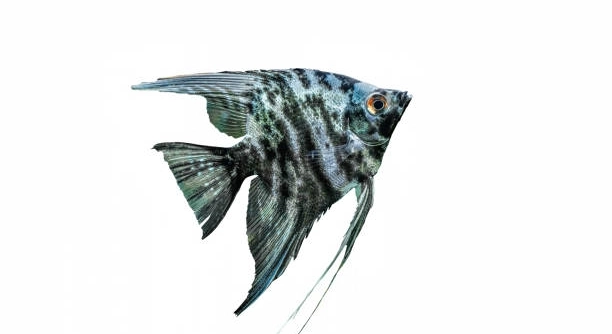
Angelfish are beautiful and peaceful additions to any aquarium, but like all pets, they can sometimes become ill. Being able to spot signs of sickness early can help prevent more serious health issues.
Angelfish can display various signs when they are sick, including abnormal swimming behavior, loss of appetite, faded coloration, or clamped fins. Observing these signs closely and addressing the cause early can help in treating the condition.
If you notice any of these warning signs, it’s essential to take action quickly. Identifying and treating a sick angelfish can help restore their health and keep them swimming happily in your tank.
1. Abnormal Swimming Behavior
If your angelfish is swimming erratically or staying near the bottom of the tank, it could be a sign of illness. Healthy angelfish swim gracefully and are active swimmers. Any change in behavior, such as floating listlessly or moving in circles, should be taken seriously. This could indicate problems with water quality, parasites, or internal issues.
Monitoring water conditions is essential when you notice abnormal swimming. Poor water quality, such as high ammonia or nitrate levels, can cause stress and abnormal behavior. Conducting regular water tests can help catch these issues before they affect your angelfish. If the problem persists, consider isolating the fish in a separate quarantine tank to prevent any potential spread of disease to other fish in the tank.
Your angelfish’s swimming patterns reflect their overall health. Addressing any behavioral changes promptly can prevent further complications and allow you to restore them to full health.
2. Loss of Appetite
Angelfish that refuse food might be dealing with an infection or stress. A lack of appetite is often a sign that something is wrong, whether it’s related to water conditions, tank mates, or a health issue.
When an angelfish stops eating, it’s important to look for any other signs of illness, such as changes in appearance or behavior. Stress caused by other aggressive fish, overcrowding, or poor water quality can also make your angelfish lose interest in food. Additionally, if you’ve recently introduced new fish, they might not be adjusting well to the environment.
To encourage your fish to eat, try offering a variety of foods. Sometimes, the change in diet can help bring their appetite back. If the loss of appetite continues, consulting a veterinarian may be necessary to diagnose the issue.
3. Faded or Dull Coloration
A healthy angelfish will have vibrant colors. If you notice your angelfish has become dull or faded, it could signal an underlying health issue. Stress, poor water quality, or disease can all cause a loss of color.
One of the most common reasons for fading coloration is poor water quality. High levels of toxins such as ammonia, nitrites, and nitrates can cause your fish to become stressed and lose their vibrant colors. Regularly testing the water and performing water changes is essential to maintaining the health of your angelfish.
If water quality is optimal, but your angelfish still appears pale, this could indicate a more serious health problem, such as internal parasites or bacterial infections. Observing your fish’s behavior and consulting a veterinarian if needed is the best course of action to restore their health and appearance.
4. Clamped Fins
Clamped fins are a common sign that your angelfish is feeling unwell. When they keep their fins pressed tightly against their body, it indicates they may be stressed, sick, or uncomfortable.
Clamped fins can be a sign of many health problems, such as poor water conditions, infections, or parasites. It’s crucial to check your water quality, ensuring ammonia and nitrate levels are in check. Additionally, observing your fish for any other symptoms, such as abnormal swimming or lethargy, will help identify the issue.
Treating the root cause of the problem, such as improving water conditions or using medication for any potential infections, can help your angelfish recover. Clamped fins, while common, should never be ignored. Proper care and attention will help restore your angelfish to its usual state.
5. Abnormal Feces
Angelfish that have unusual or abnormal feces could be sick. Healthy angelfish produce small, dark, and well-formed waste. If their feces are stringy, discolored, or white, it may indicate a parasitic infection or digestive issues.
Pay close attention to the texture and color of your angelfish’s feces. White or stringy stool often points to internal parasites, while bloated or unusually large stool could indicate overfeeding or digestive problems. If these changes persist for more than a couple of days, consider consulting a veterinarian for proper diagnosis and treatment.
Maintaining a regular feeding schedule and avoiding overfeeding can help prevent digestive issues. You should also monitor the water conditions, as poor water quality can worsen digestive problems.
6. Lethargy
If your angelfish appears lethargic, it could be a sign of illness or poor water conditions. Healthy fish are active, constantly swimming and exploring their environment.
Lethargy can result from stress caused by poor water quality, sudden temperature changes, or aggression from tank mates. It’s important to check water parameters like temperature, pH, and ammonia levels to ensure they’re within a healthy range. Also, observe if your angelfish is swimming less or staying in one spot for long periods.
Addressing the root cause, such as improving water conditions or adding more hiding places in the tank, can help your fish feel better.
7. Frayed or Damaged Fins
Frayed or damaged fins are a common sign that your angelfish may be experiencing stress or an infection. Healthy fins are smooth and intact.
If your angelfish’s fins appear torn, frayed, or ragged, it may be due to injuries from other fish or poor water quality. Regularly checking for aggressive tank mates or overcrowding can help reduce the risk of fin damage. Additionally, ensuring your water quality is optimal will aid in the healing process.
If the damage persists or worsens, consider isolating the affected fish and consulting a vet to prevent infection.
FAQ
1. What should I do if my angelfish stops eating?
If your angelfish stops eating, the first step is to check the water quality. Poor water conditions, such as high ammonia, nitrites, or nitrates, can cause stress and make your fish lose its appetite. Perform a water test and do a water change if necessary. Make sure the temperature is stable and within the appropriate range for angelfish, around 76-80°F (24-27°C). You should also observe the fish for other symptoms like abnormal swimming or clamped fins, which could suggest an infection or disease. If the fish still refuses to eat after addressing water conditions, consider offering different types of food to entice it. If the lack of appetite persists, consult a veterinarian for further guidance.
2. How do I know if my angelfish is stressed?
Stress in angelfish can be seen through various signs, including hiding more than usual, clamped fins, loss of appetite, or abnormal swimming behavior. Stress can be caused by several factors, such as poor water quality, overcrowding, aggressive tank mates, or environmental changes. To reduce stress, ensure your tank has enough space, the water parameters are ideal, and the fish are not being bullied. If the stress continues, isolate the affected fish and try to address the specific cause, whether it’s water quality or tank conditions. Stress can weaken the immune system, so it’s crucial to address it quickly.
3. Can angelfish get parasites?
Yes, angelfish can get parasites, which can affect their health. Common parasites include Ich (white spot disease), velvet, and external parasites like flukes. Symptoms of parasitic infections can include excessive scratching against objects, white spots on the skin, or clamped fins. If you suspect your fish has a parasite, it’s best to move it to a quarantine tank to prevent the spread to other fish. Treatment typically involves using medicated fish treatments available at pet stores or consulting with a vet for specific advice on how to treat the infection.
4. Why is my angelfish’s coloration fading?
Fading coloration in angelfish is usually a sign of stress, poor water quality, or an underlying illness. If the water parameters, such as ammonia, nitrites, and nitrates, are out of balance, it can stress the fish and cause its colors to dull. Additionally, parasites or bacterial infections can also affect the color. A poor diet can also lead to faded colors. Ensure your angelfish is receiving a balanced diet, the water is clean, and the tank environment is stress-free. If fading persists, consider consulting a veterinarian for further assistance.
5. How can I prevent diseases in my angelfish?
The best way to prevent diseases in your angelfish is to maintain a clean and stable environment. Regular water changes and testing the water quality can help prevent the buildup of harmful toxins. Quarantine new fish before introducing them into your main tank to avoid bringing in potential infections. Keep an eye on your angelfish for any early signs of illness or stress, and address any changes immediately. A balanced diet and proper tank conditions can also help boost their immune system and reduce the risk of disease.
6. Should I use medication if my angelfish is sick?
Using medication depends on the specific illness your angelfish is suffering from. If you notice clear signs of disease, such as white spots, visible wounds, or abnormal behavior, medication may be required. However, it’s essential to properly diagnose the illness before using any treatment. Some medications are specifically for external parasites, while others may be needed for bacterial infections. Before administering medication, read the instructions carefully, and if you’re unsure, consult with a veterinarian who specializes in fish care. Overusing medication can sometimes harm the fish, so only use it when necessary.
7. Why are my angelfish’s fins fraying?
Frayed or torn fins can be caused by a few things. Aggressive tank mates can bite or nip at the fins, leading to damage. Poor water quality can also make the fins more susceptible to tearing and infections. Another cause could be fin rot, a bacterial infection that causes the fins to decay. It’s essential to monitor the tank for aggressive behavior and improve the water quality. If you suspect an infection, treating with appropriate medications can help the fish heal. Isolating the affected fish and reducing stress in the tank can also speed up recovery.
8. Can I treat my angelfish with salt?
Yes, salt can be used to treat certain conditions in angelfish, such as external parasites or mild skin infections. However, it is essential to use aquarium salt and not table salt, as the latter can contain additives harmful to your fish. Always dissolve the salt in water before adding it to the tank, and ensure you do not exceed the recommended dosage. Salt should only be used for short periods and should be removed after the treatment is completed. Overuse of salt can stress your fish and harm the ecosystem in your tank. Always monitor your fish closely during the treatment process.
9. How can I tell if my angelfish is pregnant?
Pregnancy in angelfish is not as obvious as it is in some other species, but there are a few signs that can help you tell if your angelfish is carrying eggs. Female angelfish may appear more rounded in the abdomen, and their behavior might change. They may become more territorial or start cleaning flat surfaces in the tank, preparing for egg laying. If you’re unsure whether your angelfish is pregnant, observe them closely during their breeding behavior. Keep the water quality stable and provide extra care if you believe your angelfish is about to lay eggs.
10. How often should I change the water in my angelfish tank?
You should change the water in your angelfish tank every week or two, depending on the size of the tank and the number of fish. Typically, changing 20-30% of the water is enough to maintain good water quality. Regular water changes help remove toxins such as ammonia and nitrates, which build up over time. If you have a smaller tank or more fish, you may need to change the water more frequently. Always test the water quality to determine when it’s time for a water change.
Final Thoughts
Taking care of angelfish requires attention and patience, as they are sensitive to changes in their environment. Recognizing the signs of illness early can make a big difference in helping them recover. Whether it’s noticing changes in swimming behavior, feeding habits, or their appearance, being observant will help you address potential issues before they become serious. Regular water testing, maintaining a clean tank, and providing a balanced diet are essential parts of keeping your angelfish healthy.
It’s also important to be aware of the stress factors that may affect your fish. Things like poor water quality, aggressive tank mates, or sudden temperature changes can lead to illnesses or behavioral problems. Ensuring that the tank conditions are stable and the fish are not overcrowded will provide a safer and more comfortable environment. If your angelfish shows signs of illness, don’t hesitate to take action, whether it’s adjusting the water parameters, changing their diet, or seeking medical advice.
Finally, remember that every angelfish is different. What works for one fish may not work for another, so always pay attention to the specific needs of your tank and the fish within it. Regular observation and care will go a long way in ensuring your angelfish live a long and healthy life. By staying proactive and knowledgeable about their needs, you’ll be able to provide the best care for these beautiful and delicate fish.

Hello,
If you enjoy the content that we create, please consider saying a "Thank You!" by leaving a tip.
Every little bit helps us continue crafting quality advice that supports the health, happiness, and well-being of pets around the world, for pets of all shapes, sizes, and species.
We really appreciate the kindness and support that you show us!