
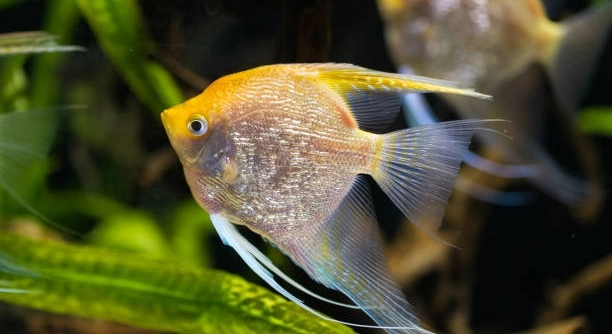
Angelfish are beautiful creatures, but like all fish, they can experience stress. Stress can affect their health and behavior, so it’s important to recognize the signs early. Knowing what to look for can help improve their well-being.
Stress in angelfish is often caused by environmental factors such as poor water quality, overcrowding, or aggressive tank mates. These stressors can lead to changes in behavior, appetite, and overall health. Addressing the root cause can significantly improve their condition.
Understanding the signs of stress in your angelfish can help prevent serious health issues. By making small adjustments to their environment, you can create a healthier and more comfortable space for them to thrive.
1. Overcrowding and Tank Size
Angelfish need enough space to swim comfortably, and overcrowding can stress them out. When there are too many fish in a tank, the water quality declines quickly, leading to higher levels of toxins. This makes it harder for angelfish to breathe and can cause discomfort. If you notice that your angelfish are staying in one area of the tank or appear more aggressive toward each other, overcrowding could be the reason.
Proper tank size is essential to their health. A single angelfish should have at least 20 gallons of water, with an additional 10 gallons for each extra fish. This allows them to move freely and reduces competition for food and space. When considering tank size, also take into account filtration systems that keep the water clean and oxygenated. Proper water flow also helps prevent the buildup of harmful substances.
With enough space, your angelfish will feel secure and less likely to display stress-related behaviors like hiding or fighting. Providing a well-maintained, spacious tank creates an environment where your fish can thrive and stay healthy.
2. Water Quality Issues
If the water in the tank isn’t clean, your angelfish will be stressed. Poor water quality can lead to high levels of ammonia, nitrites, and nitrates, which can harm fish. Regular water changes are necessary to keep things balanced.
Testing the water regularly for these chemicals ensures that the levels stay safe. It’s also important to check the temperature, pH, and hardness. Angelfish prefer warm, slightly acidic water. Using a water filter and avoiding overfeeding can help keep the water clean longer.
Keeping the water quality in check will prevent many stress-related health issues. Healthy water is key to making sure your angelfish stay active, vibrant, and free from diseases. Adjusting the water to their specific needs allows your fish to feel at ease in their home.
3. Aggressive Tank Mates
Angelfish are peaceful by nature, but they can get stressed when placed with aggressive tank mates. If your fish are constantly chased or nipped at, they won’t feel safe. This can lead to health problems like loss of appetite and unusual behavior.
Before introducing new fish to your tank, research their temperament. Fish like cichlids or fast swimmers might disturb your angelfish. If aggression is noticeable, consider separating the aggressive species or rearranging the tank layout to create territories. Adding plants and decorations helps break up sightlines and gives angelfish places to retreat.
By giving your angelfish a peaceful environment, they can thrive without the constant stress of conflict. Choosing the right tank mates ensures a harmonious aquarium where everyone can feel comfortable and healthy.
4. Sudden Environmental Changes
Angelfish don’t adjust well to sudden changes in their environment. Fluctuations in water temperature, pH, or lighting can trigger stress. They’re sensitive creatures and will become anxious when conditions shift quickly. If the water temperature drops or rises suddenly, your angelfish might display signs of distress, such as hiding or lethargy.
To prevent this, make changes gradually. Use a thermometer to monitor water temperature and a pH test kit to ensure levels stay stable. Avoid moving decorations or changing the lighting intensity too often. Keeping their environment steady will help your angelfish stay calm and happy.
Fish, especially angelfish, feel safest in a stable environment. Keeping their surroundings consistent helps reduce stress and keeps them healthy in the long run. When environmental factors remain constant, your fish will be able to adjust and thrive without unnecessary pressure.
5. Poor Diet and Malnutrition
A lack of proper nutrition can stress your angelfish. If they aren’t getting the right balance of vitamins and nutrients, their immune system weakens. They may show signs of stress, such as reduced activity or faded colors.
Feeding a varied diet helps ensure they get everything they need. Include a mix of flakes, pellets, and occasional live or frozen foods to keep them healthy. Overfeeding or underfeeding can also contribute to stress, so stick to a consistent feeding schedule. A balanced diet plays a key role in maintaining your angelfish’s overall health.
6. Unstable Tank Lighting
Angelfish are sensitive to lighting changes. If the tank light is too bright or stays on for too long, it can stress them. They may seek shelter or appear agitated.
Make sure to use a timer for your aquarium light. Aim for 10-12 hours of light a day to mimic natural conditions. Avoid placing the tank in direct sunlight to prevent sudden light fluctuations, which can be stressful for your fish. Proper lighting is vital for their well-being.
7. Inadequate Filtration and Oxygen Levels
Angelfish require good water filtration to maintain oxygen levels and keep the tank clean. Without a proper filter, toxins build up, leading to stress. The lack of oxygen can make them lethargic and uneasy.
Ensure your filtration system is powerful enough for your tank size. Regularly clean the filter to avoid clogging, which can disrupt water flow and oxygenation. Aerators or sponge filters also help boost oxygen levels, making it easier for your angelfish to breathe.
FAQ
What are the common signs of stress in angelfish?
The most common signs of stress in angelfish include changes in behavior, such as hiding or staying in one spot for long periods. They may also become lethargic, show a loss of appetite, or have faded colors. Aggression towards tank mates or unusual swimming patterns, like erratic movement or staying at the surface, are other signs. If your angelfish is stressed, it’s important to identify the cause quickly, as stress weakens their immune system and makes them more vulnerable to diseases.
How can I reduce stress in my angelfish?
To reduce stress in angelfish, ensure they have enough space in their tank. Keep the tank size appropriate for the number of fish and ensure there is good filtration. Maintain stable water conditions with regular water changes, and avoid drastic changes in temperature or pH. Additionally, reduce aggression by choosing peaceful tank mates and providing enough hiding spots. Keeping the lighting consistent and providing a balanced diet will also help keep your fish calm.
Why is my angelfish staying at the bottom of the tank?
If your angelfish is staying at the bottom of the tank, it could be a sign of stress, poor water quality, or illness. Angelfish may stay at the bottom to avoid aggressive tank mates or because the water temperature or oxygen levels are off. Check the water quality, ensuring ammonia, nitrites, and nitrates are at safe levels. If the water conditions are fine, consider other stressors such as overcrowding, lighting, or tank mates. If the behavior continues, it might be a sign of an illness, and you should consult a vet.
Can angelfish get stressed from poor water quality?
Yes, poor water quality is a major stressor for angelfish. High levels of ammonia, nitrites, or nitrates can irritate their gills, making it harder for them to breathe. Dirty water also leads to the buildup of toxins, which can cause skin irritation, stress, and weaken their immune system. Regular water changes, a good filtration system, and regular testing of water parameters are crucial for maintaining a healthy tank environment for your angelfish.
What can I do if my angelfish is not eating?
If your angelfish isn’t eating, it could be stressed, sick, or adjusting to a new environment. Check the water parameters to ensure they are stable, as poor water quality can lead to a loss of appetite. Consider offering a variety of foods, such as flakes, pellets, and live or frozen options, to entice them. If the problem persists for several days, it could be a sign of an illness, and you may need to quarantine your angelfish and consult with an aquarium vet.
Do angelfish need tank mates?
Angelfish are peaceful fish but do better in a tank with some compatible tank mates. However, they do not need other fish to survive. If kept alone, they may become stressed due to boredom. Choosing peaceful species that aren’t overly active or aggressive helps maintain a calm tank environment. Avoid pairing them with fin-nipping or overly aggressive species. Ideal tank mates include peaceful species like tetras, gouramis, or other calm fish.
How often should I clean my angelfish tank?
You should clean your angelfish tank at least once every two weeks. This includes performing a partial water change (about 25-30%) and cleaning the substrate to remove any accumulated waste. The frequency of tank cleaning will depend on the size of the tank, the number of fish, and the filtration system. Always test the water before and after cleaning to make sure the conditions remain stable. Over-cleaning can disrupt beneficial bacteria, so avoid completely disturbing the filter and substrate unless necessary.
Why is my angelfish turning black?
Angelfish may turn black as a sign of stress or illness. Stress caused by poor water conditions, overcrowding, or aggressive tank mates can lead to darkening of their color. It may also indicate a bacterial or fungal infection, especially if the black coloration is accompanied by lesions or changes in the skin. If your angelfish turns black, check the water parameters immediately and address any issues. If the condition doesn’t improve, seek advice from an aquarium professional or veterinarian to diagnose any underlying health issues.
Can angelfish survive in a community tank?
Yes, angelfish can live in a community tank, but they should be kept with peaceful fish species. They can become stressed or aggressive if housed with overly active or territorial fish. It’s essential to ensure your tank mates are compatible and not prone to fin-nipping. Additionally, make sure the tank has enough space, hiding spots, and decorations to reduce any territorial behavior. A community tank with calm, similar-sized fish will work best for angelfish.
What is the ideal temperature for angelfish?
Angelfish thrive in warm water, with an ideal temperature range between 76°F and 84°F (24°C to 29°C). Sudden temperature fluctuations can cause stress, so it’s important to use a heater to maintain a steady temperature. Keep the temperature consistent, as dramatic shifts can lead to weakened immune systems and stress-related behaviors. Use a reliable aquarium thermometer to monitor the water and ensure it stays within the appropriate range.
How can I tell if my angelfish is sick?
Sick angelfish may show several signs, including abnormal swimming patterns, loss of appetite, clamped fins, or changes in color. They may also become lethargic, hide more often, or show visible lesions, swelling, or discoloration. If you notice any of these symptoms, it’s essential to isolate your angelfish to prevent spreading any potential illness to other tank mates. You should check water parameters first and consult with an aquarium vet to properly diagnose and treat your angelfish.
Final Thoughts
Taking care of angelfish requires attention to detail, especially when it comes to their environment and well-being. Stress in angelfish can be caused by many factors, such as poor water quality, overcrowding, or aggressive tank mates. Recognizing the signs early and understanding the causes of stress will help you take the necessary steps to ensure your angelfish thrive. Creating a balanced environment with the right tank size, proper water conditions, and compatible tank mates can go a long way in keeping your fish healthy and stress-free.
Proper maintenance is key to preventing stress and maintaining a healthy aquarium. Regular water changes, checking water parameters, and keeping the tank clean can make a significant difference. Make sure to monitor your angelfish closely for any signs of stress or illness, and always be proactive in addressing any changes you notice. A well-maintained tank provides your angelfish with a stable environment where they can feel secure and grow without unnecessary pressure.
In the end, the health and happiness of your angelfish depend on the environment you create for them. By taking the time to observe their behavior and meet their needs, you can help your fish live a long, healthy life. A calm and stable tank will not only reduce stress but also contribute to the overall well-being of your angelfish. With a little effort and care, you’ll be able to enjoy the beauty and peaceful nature of your angelfish for years to come.

Hello,
If you enjoy the content that we create, please consider saying a "Thank You!" by leaving a tip.
Every little bit helps us continue crafting quality advice that supports the health, happiness, and well-being of pets around the world, for pets of all shapes, sizes, and species.
We really appreciate the kindness and support that you show us!