
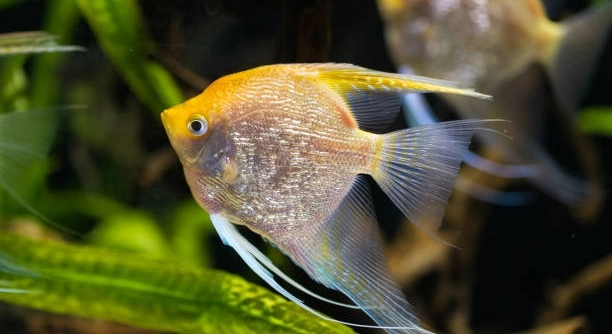
Angelfish are beautiful creatures, but sometimes they struggle to adapt to life with other tank mates. Recognizing when they are stressed is crucial for their health and well-being. Observing their behavior can reveal important signs.
Angelfish experience stress from tank mates due to aggression, territorial disputes, or overcrowding. Symptoms include hiding, loss of appetite, unusual swimming patterns, and fin damage. Early recognition of these signs helps prevent long-term harm to the fish.
Understanding how to manage your angelfish’s environment and social interactions can make all the difference. Identifying these stress signs early is key to maintaining a peaceful tank. Keep reading to learn how to identify and manage these issues effectively.
Aggressive Tank Mates Can Cause Stress
Angelfish can become stressed when other fish are aggressive. Fish like cichlids or some types of barbs might see angelfish as threats or competition. This stress can cause your angelfish to hide, reducing their movement and causing them to stop eating. Aggressive behavior from other tank mates can trigger these signs of distress. Over time, this can weaken your angelfish, making it more vulnerable to illness. It’s important to watch for any signs of bullying in the tank and consider rearranging the tank layout to provide hiding spots.
Stress from aggression can lead to more than just a quiet angelfish. It might also affect their physical appearance, such as torn fins or faded colors. In some cases, the stress may make them more prone to diseases. Watching for changes in behavior and how the other fish interact with them is important in keeping them healthy. If aggression is the issue, consider separating the aggressive fish or providing more space to diffuse the tension.
While aggression between tank mates can be obvious, it can sometimes be subtle. Certain fish, even those that don’t seem overtly aggressive, may still create stress by swimming too close or being territorial. Watching your angelfish carefully will help you detect whether the issue is physical aggression or just discomfort.
Overcrowding Can Stress Your Angelfish
Overcrowding is another common cause of stress. When too many fish are packed into a tank, it creates a chaotic and uncomfortable environment. Your angelfish may feel threatened, unable to establish a territory, or struggle for oxygen and food. In these situations, fish become stressed and are less likely to thrive. This is why it’s essential to maintain a balanced fish-to-tank ratio.
When your angelfish is crowded in the tank, you’ll notice several signs of distress. These include aggressive behaviors like chasing other fish, a drop in appetite, or hiding in the corners of the tank. They may also show signs of illness or lethargy due to poor water quality, which can result from too many fish producing waste. The situation is worse if there aren’t enough places to hide.
If you’re noticing overcrowding in your tank, it’s important to address it immediately. Try moving some fish to a different tank or upgrading to a larger tank to give your angelfish more space. A spacious tank reduces stress, allowing all your fish to coexist peacefully and healthily.
Tank Setup and Decorations Can Affect Angelfish
The layout of your tank has a big impact on your angelfish’s stress levels. If the tank is too bare or lacks hiding spots, angelfish can feel exposed and vulnerable. Adding plants, rocks, and decorations helps your angelfish feel safe and less stressed. They need places to retreat when they feel threatened or overwhelmed by other fish. The lack of these features can cause them to become more anxious and shy.
Tank decorations also serve another purpose by promoting natural behaviors. Angelfish in the wild swim through plants and hide in crevices. Recreating this environment in your tank helps mimic their natural habitat, reducing stress. Avoid overcrowding the tank with decorations, though. A balance of open space and hiding spots is key for your fish’s comfort. When you’ve created the right environment, your angelfish will feel more at ease.
If you notice your angelfish darting or hiding more than usual, it could be a sign that the tank lacks enough shelter. Consider adding more plants or rearranging decorations to give them more space to explore. This small change can help your angelfish feel more secure.
Water Conditions Impact Angelfish Stress
Water quality is crucial for your angelfish’s well-being. Poor water conditions can lead to stress and illness, making it harder for them to cope with tank mates. Angelfish are particularly sensitive to fluctuations in water temperature, pH, and oxygen levels. Regularly testing the water and keeping it stable will ensure a healthier, less stressful environment for your fish.
If the water quality isn’t up to standard, your angelfish may become lethargic or show signs of illness. They may swim erratically, stay near the surface, or refuse food. Stress caused by water quality issues can weaken their immune system, making them more vulnerable to diseases. Clean, properly filtered water is vital for keeping your angelfish in good health and lowering stress levels.
Monitor the water temperature and pH regularly to ensure they stay within the recommended range for angelfish. Make sure your filter is working properly to maintain clean water and use a water conditioner to eliminate harmful chemicals. With the right water conditions, your angelfish will be more resilient and less stressed in their tank.
Lack of Space to Swim
Angelfish are naturally active swimmers, and they need space to explore. If your tank is too small or cramped, your angelfish might feel trapped. Limited space can cause stress, leading to behavior changes like hiding or acting aggressively towards other fish.
A cramped tank doesn’t just limit swimming; it also affects their ability to establish territory. Angelfish need space to feel secure, and if they are forced into close quarters with other fish, stress will increase. Adding more space can make a noticeable difference in their behavior and health.
Incompatible Tank Mates
Incompatible tank mates can increase stress for angelfish. If your fish share a tank with aggressive or overly active species, they may become anxious or fearful. Choosing peaceful companions ensures your angelfish can swim without fear of being chased or bullied.
When selecting tank mates, it’s important to consider the temperament of each species. Fish that are too aggressive or territorial can stress your angelfish, leading to health issues. Keeping peaceful fish together in a tank with plenty of hiding spots is the key to reducing stress for your angelfish.
Unhealthy Feeding Habits
Poor feeding habits can also cause stress for your angelfish. If they are overfed or underfed, they can become stressed, affecting their health and behavior. Angelfish need a balanced diet with proper portions to keep them strong and stress-free.
FAQ
What are the signs that my angelfish is stressed by tank mates?
Stressed angelfish often exhibit changes in behavior. They might hide more than usual, swim erratically, or become less active overall. You might also notice that they stop eating or have damaged fins. Aggression from other tank mates can cause this behavior, as angelfish may feel threatened. Watch for signs of chasing or nipping from other fish. These can be indicators that your angelfish is not getting along with its tank mates.
How do I fix stress caused by aggressive tank mates?
To help reduce stress caused by aggressive tank mates, you can try several strategies. First, separate the aggressive fish from your angelfish if possible. Adding plants or decorations to create hiding spots for your angelfish can also provide them with places to escape when they feel threatened. Another option is to rearrange the tank layout to break up territories and lessen conflicts. In extreme cases, consider upgrading to a larger tank to give all fish more space.
Can overcrowding make my angelfish stressed?
Yes, overcrowding can definitely cause stress for your angelfish. When too many fish are packed into a small tank, the water quality suffers, and fish feel more threatened or competitive for food and space. This makes angelfish more prone to stress. To avoid overcrowding, follow the recommended fish-to-gallon ratio for your tank size and ensure there is plenty of swimming space for all fish.
What should I do if my angelfish is hiding all the time?
Hiding can be a sign that your angelfish is stressed. It might feel insecure due to tank mates or a lack of hiding spots. If your angelfish is hiding, first check if other fish are being too aggressive. Adding more plants or decorations can give your angelfish a place to retreat when feeling threatened. You should also assess the water quality, as poor conditions can also cause your fish to hide.
Can bad water quality lead to stress in angelfish?
Yes, poor water quality is a common cause of stress for angelfish. If the water is too dirty or has incorrect pH levels, it can weaken your fish’s immune system and cause them to become more anxious. Check the water regularly, and make sure the temperature, pH, ammonia, and nitrite levels are within the recommended range for angelfish. A good filtration system and regular water changes are essential for maintaining proper water quality.
How often should I feed my angelfish?
Overfeeding or underfeeding can stress your angelfish. Ideally, feed your angelfish once or twice a day. Give them only as much food as they can eat within 2-3 minutes to avoid excess waste and poor water quality. If your fish seem stressed due to feeding, try adjusting their portion sizes or the type of food you provide. Variety in their diet can also help ensure they are receiving the proper nutrition.
Can stress cause health problems in angelfish?
Yes, prolonged stress can lead to health problems for your angelfish. Stress weakens their immune system, making them more susceptible to illnesses and infections. Signs of stress-related illness may include faded colors, swollen or damaged fins, and reduced appetite. It’s essential to address the causes of stress quickly to prevent your fish from developing more serious health issues.
How can I tell if my angelfish is being bullied by other fish?
Bullying behavior from other fish often involves chasing, fin nipping, or constantly trying to assert dominance over your angelfish. If you notice one fish frequently harassing your angelfish, it’s likely causing stress. The bullied angelfish may try to hide or swim away when the aggressor approaches. If this continues, it may be best to remove the aggressor or rearrange the tank to reduce conflict.
What should I do if my angelfish is not eating?
If your angelfish is not eating, it could be due to stress, illness, or poor water quality. First, check the water conditions and ensure they are within the proper range. If the water quality is good, observe the tank for any aggressive behavior from other fish or signs of illness. You can try offering a variety of foods or feeding at different times of the day. If your angelfish continues to refuse food, consult a vet or aquarium expert for further advice.
How can I reduce stress from my tank setup?
Make sure your tank has enough space and hiding spots. Angelfish need both open swimming areas and places to retreat when feeling threatened. Adding plants, rocks, and decorations can help create a more natural environment. Ensure your tank is not overcrowded, and that the water quality remains high. A balanced setup is key to reducing stress for your angelfish.
What fish are good tank mates for angelfish?
Angelfish are best kept with peaceful or semi-aggressive species. Good tank mates include tetras, corydoras catfish, and mollies. Avoid keeping them with overly aggressive fish like some cichlids or fast-moving species that may stress them. When selecting tank mates, ensure they are not competing for the same space or food, and that they are compatible with the angelfish’s temperament.
Final Thoughts
Keeping angelfish in a peaceful and healthy environment is key to their well-being. Stress can affect their behavior and overall health, so it’s important to recognize the signs early. Whether it’s from aggressive tank mates, overcrowding, or poor water quality, addressing stress quickly can help your angelfish lead a happier, healthier life. Ensuring they have enough space to swim, a comfortable setup with plenty of hiding spots, and compatible tank mates will make a big difference.
The tank setup plays a huge role in reducing stress for your angelfish. A well-balanced aquarium, with the right decorations and plants, allows angelfish to feel secure and gives them places to retreat if needed. Overcrowding can also stress them, so it’s essential to maintain a proper fish-to-tank ratio. Along with space, water quality is something to keep an eye on. Regular water changes, monitoring temperature, and checking the pH levels will help maintain a stable and healthy environment for your fish.
While tank mates are important, the right balance of peaceful companions will keep your angelfish comfortable. If you notice any signs of stress, it’s vital to address the issue right away to avoid long-term health problems. By monitoring their behavior, keeping the tank clean, and providing a suitable environment, you can help your angelfish thrive. Taking small steps to reduce stress can make a significant impact on their happiness and ensure they stay healthy in the long run.

Hello,
If you enjoy the content that we create, please consider saying a "Thank You!" by leaving a tip.
Every little bit helps us continue crafting quality advice that supports the health, happiness, and well-being of pets around the world, for pets of all shapes, sizes, and species.
We really appreciate the kindness and support that you show us!