
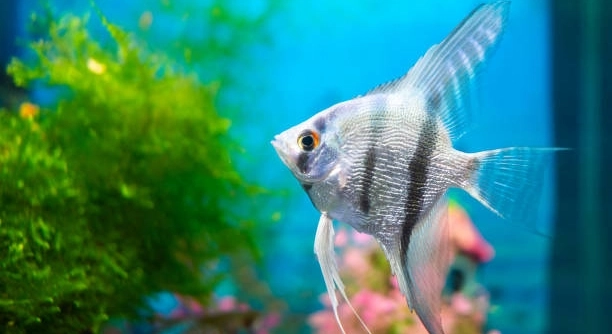
Angelfish are a beautiful addition to any aquarium, but just like other pets, they can fall ill. Recognizing the early signs of sickness is essential to ensure their well-being. Being attentive to their behavior can help detect issues early.
Common signs of an unhealthy angelfish include lethargy, loss of appetite, discolored or damaged fins, and abnormal swimming patterns. Keeping a close watch on your fish can help identify these signs and prompt timely action to treat them effectively.
Taking prompt action when you notice symptoms of illness can help you address the problem before it worsens.
1. Lethargy or Lack of Energy
If your angelfish suddenly becomes sluggish or spends a lot of time near the bottom of the tank, it could be a sign of illness. Healthy angelfish are usually active and swim around, exploring their environment. A drop in energy can indicate several issues, including poor water quality, stress, or infection. It’s important to observe your fish and look for any changes in its usual behavior.
Lethargy is often an early warning sign that something is wrong with your angelfish. If they aren’t moving much, they may also be dealing with a more serious issue such as a parasite or a bacterial infection.
Before panicking, ensure that your aquarium’s water parameters are within the right range. This will help eliminate poor water conditions as the source of the problem. If the water quality checks out, the issue may be internal and require further investigation.
2. Loss of Appetite
A loss of appetite is another key indicator that something isn’t right. Angelfish are typically eager eaters, so when they suddenly refuse food, it’s important to monitor them closely. Several factors could be at play, including stress, illness, or changes in their diet.
This could also point to a more serious problem such as internal parasites or even dropsy. Make sure you’re offering a balanced diet and that the water conditions are not stressing the fish. Consider trying different types of food, but if the issue persists, professional help might be necessary.
Maintaining optimal water quality and ensuring your angelfish’s diet is suitable can go a long way in preventing this issue. If these factors are addressed and the problem continues, it may be time to check for other signs of illness. In some cases, specific treatment for parasites or bacterial infections may be required.
3. Abnormal Swimming Patterns
If your angelfish starts swimming erratically, such as circling or tilting to one side, this could be a sign of trouble. Normally, they swim smoothly and gracefully, so any noticeable change in movement can indicate stress or illness.
Abnormal swimming can occur due to water quality issues, injuries, or internal parasites. Sometimes, swim bladder problems cause them to float upside down or struggle to stay upright. If this behavior persists, consider checking for signs of parasites or bacterial infections that might be affecting their health.
Treatment varies based on the cause of the issue. If water parameters are the problem, performing a partial water change may help. For internal parasites, a specific treatment such as medicated food or a water treatment could be needed.
4. Discoloration or Faded Colors
Angelfish are known for their vibrant colors, but when their skin starts to look dull or discolored, it’s often a sign of poor health. Healthy angelfish maintain bright, rich colors, so any change could be an early indicator that something is wrong.
Faded or dull coloration can be linked to stress, poor water quality, or even a disease. Often, it points to problems like ammonia poisoning or a parasitic infection, which can affect their immune system. If left untreated, these conditions can worsen, leading to long-term damage.
To help restore their natural color, improve water quality by doing water changes and maintaining proper filtration. Ensure that your angelfish isn’t being stressed by other tank mates or environmental factors. If discoloration persists, consider seeking a veterinarian’s advice for a proper diagnosis and treatment plan.
5. Clamped Fins
When your angelfish keeps its fins pressed close to its body instead of spreading them out, this can be a sign of stress or illness. Healthy fish usually display their fins openly, but clamped fins indicate that something might be wrong.
Clamped fins are often seen in cases of poor water quality, where the fish feels stressed or uncomfortable. It could also be a symptom of an internal infection, parasites, or a reaction to aggressive tank mates. Check your water parameters and ensure there is no aggressive behavior from other fish.
If water quality is fine, treat the angelfish with appropriate medications to address internal parasites or infections. Sometimes, providing a more peaceful environment can help reduce the stress causing the clamped fins.
6. White Spots on the Body or Fins
White spots on your angelfish’s body or fins can be a clear sign of a parasitic infection, like “Ich” or white spot disease. These tiny, grain-like spots usually appear as small, raised dots.
Ich is a common condition that affects many fish species, especially when they are under stress or when water quality is poor. The parasite burrows into the skin of the fish, causing irritation and infection. Immediate action is required to prevent it from spreading to other fish.
To treat Ich, raise the water temperature slightly and add a medicated treatment specifically designed for this parasite. Quarantine infected fish to avoid spreading the disease to the rest of your tank.
FAQ
What should I do if my angelfish is showing signs of illness?
First, observe the symptoms carefully. Check for abnormal swimming, discoloration, clamped fins, or any other changes in behavior. Assess the water quality—ensure the pH, ammonia, nitrites, and nitrates are within the acceptable range. If the water quality is good, look for any possible infections or parasites. If needed, treat your angelfish with medication specific to the issue at hand. It’s important to act quickly to prevent the illness from worsening.
How do I treat poor water quality in my angelfish tank?
If water quality is the issue, perform regular water changes. Test the water parameters, including pH, ammonia, nitrites, and nitrates. Ensure your filtration system is working properly and consider upgrading it if necessary. Also, remove any uneaten food and debris from the tank regularly, as they can contribute to water pollution. Adding live plants can also help improve water quality by absorbing excess nutrients.
Can stress cause illness in angelfish?
Yes, stress is a major factor in angelfish health. Stress can result from poor water quality, overcrowding, aggressive tank mates, or sudden changes in their environment. When fish are stressed, their immune systems weaken, making them more susceptible to diseases and infections. Reducing stress by maintaining a peaceful tank environment, ensuring good water quality, and providing hiding spots for your angelfish can help improve their health.
How can I prevent parasites in my angelfish tank?
To prevent parasites, ensure you’re purchasing fish from reputable sources and quarantine any new fish before introducing them to your main tank. Maintain proper water quality and avoid overfeeding, as leftover food can encourage parasites. Regular tank maintenance, including water changes and cleaning the substrate, can help prevent the buildup of harmful pathogens.
How can I tell if my angelfish has an internal infection?
Internal infections in angelfish can be hard to detect without close observation. Signs include loss of appetite, bloating, unusual swimming behavior, or feces that appear abnormal (e.g., stringy or discolored). If you suspect an internal infection, consult with a veterinarian who specializes in fish. You can also treat the fish with medicated food or medications designed for internal issues.
Is it necessary to quarantine sick angelfish?
Yes, quarantining sick fish is crucial to prevent the spread of illness to other tank mates. If you notice any signs of illness, move the affected angelfish to a separate tank where you can monitor and treat it without risking the health of your other fish. This practice is especially important for contagious diseases, such as ich.
How often should I change the water in my angelfish tank?
Water changes should be done regularly to keep the water quality high. For a healthy tank, aim to change 20-30% of the water every 1-2 weeks. If you have a heavily stocked tank, you may need to do more frequent changes. Always test the water before and after the change to ensure the parameters are within the right range.
Can angelfish recover from dropsy?
Dropsy is a serious condition where the fish’s body swells due to fluid retention. It is usually a result of organ failure, internal infections, or parasites. While dropsy is difficult to treat, early intervention may help improve your angelfish’s chances of recovery. You can treat dropsy with antibiotics or antibacterial medications. However, if the condition is advanced, recovery might not be possible.
What can I do to make sure my angelfish has a healthy diet?
A balanced diet is essential for your angelfish’s health. Offer a variety of foods, including high-quality flakes, pellets, and occasional live or frozen food like bloodworms and brine shrimp. Avoid overfeeding, as this can lead to water quality issues. Feed small portions 2-3 times a day, ensuring they can consume the food within a few minutes.
How do I know if my angelfish has fin rot?
Fin rot is a bacterial infection that causes the fins to deteriorate and appear frayed or discolored. If you notice that the edges of your angelfish’s fins are turning white or black, or if the fins start to shrink or break off, it could be fin rot. Treat the tank with antibiotics or antibacterial medication to help the fish recover. Ensure the water quality is optimal to prevent further infection.
Is it safe to treat angelfish with salt?
Salt can be used as a treatment for certain fish diseases, such as external parasites or wounds. However, it should be used with caution, especially for angelfish, as they are sensitive to high salt levels. If using salt, dissolve it in a separate container of tank water before adding it to the tank. Always follow the recommended dosage for your tank size and fish species.
How can I improve the environment for my angelfish?
Creating a healthy environment for your angelfish includes providing proper water conditions, appropriate tank mates, and plenty of hiding spaces. Use a good filtration system, maintain stable water temperatures (around 76-82°F), and avoid overcrowding. Adding plants or decorations can offer your angelfish places to hide and feel secure. Keep an eye on tank parameters and make adjustments as needed to keep your fish happy and healthy.
What are the signs of ammonia poisoning in angelfish?
Ammonia poisoning often shows up as discoloration, lethargy, and gasping at the surface. Fish may also rub their bodies against objects, a behavior known as “flashing.” If you notice these symptoms, immediately test the water for ammonia. If levels are high, perform a large water change, increase aeration, and treat the tank with ammonia detoxifiers.
Should I be worried if my angelfish is swimming upside down?
Swimming upside down or struggling to maintain an upright position is often a sign of swim bladder disorder. This can be caused by overfeeding, poor water quality, or an underlying health issue. To help, check your water parameters, reduce feeding, and consider adding salt or using specialized treatments for swim bladder problems.
Can I use over-the-counter treatments for my sick angelfish?
Over-the-counter medications can be helpful for treating common illnesses in angelfish, such as external parasites or bacterial infections. However, it’s essential to identify the problem correctly before using any medication. Some treatments are more effective for specific diseases, so it’s important to choose the right one for your angelfish’s symptoms.
Final Thoughts
Caring for an angelfish requires attention to detail and an understanding of their needs. These beautiful fish are relatively easy to maintain, but they can be sensitive to changes in their environment. Keeping their tank clean, ensuring the water quality remains stable, and feeding them a balanced diet are key factors in preventing illness. Regular water changes, along with monitoring the tank’s temperature and pH levels, can go a long way in ensuring your angelfish remains healthy and vibrant.
If your angelfish does fall ill, it’s important to act quickly and accurately identify the problem. Symptoms such as clamped fins, white spots, or abnormal behavior should not be ignored. Knowing what to look for and how to treat common ailments will help you take swift action and prevent the spread of any disease. Quarantining sick fish is also a crucial step in avoiding the contamination of the entire tank. The sooner you address the issue, the better chance your angelfish will have for a full recovery.
Remember, angelfish can live for many years if given the right care. They thrive in peaceful environments with the proper tank conditions, and with a little effort, they can be a long-term companion in your aquarium. By staying informed, monitoring their health, and making necessary adjustments, you can provide a safe, healthy space for your angelfish to thrive. Whether you’re new to fishkeeping or a seasoned hobbyist, understanding the signs of illness and how to respond will ensure that your angelfish remain happy and healthy for years to come.

Hello,
If you enjoy the content that we create, please consider saying a "Thank You!" by leaving a tip.
Every little bit helps us continue crafting quality advice that supports the health, happiness, and well-being of pets around the world, for pets of all shapes, sizes, and species.
We really appreciate the kindness and support that you show us!