
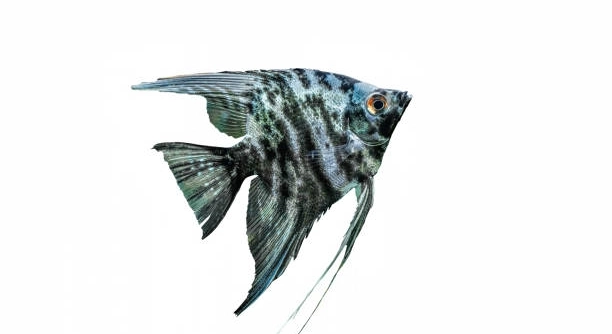
Angelfish are beautiful creatures that thrive in well-maintained aquariums. As an owner, you may notice when something seems off with your fish’s health. Ensuring they get the right nutrients is key to their well-being.
A lack of nutrients in angelfish can lead to several health issues, such as sluggishness, poor coloration, and even disease. Signs include abnormal behavior, skinny bodies, and a reluctance to eat, all pointing to insufficient nutrition.
Understanding how to feed your angelfish properly is essential. The right balance of food ensures they stay active and healthy, preventing problems down the line.
Signs of Malnourished Angelfish
Angelfish can show a variety of signs if they aren’t getting the nutrients they need. One of the most obvious signs is a visible decrease in body size or a noticeably thin figure. Their colors may also begin to fade, especially in species known for vibrant hues. A healthy angelfish should have a rounded, well-fed body. If your angelfish starts to look like it’s losing weight, this is a signal that their diet might not be providing the necessary vitamins and minerals. Another common symptom is lethargy. If your fish isn’t swimming around actively or appears to be resting more than usual, they may not have the energy they need to stay active.
The most noticeable sign of a nutrient deficiency is when angelfish stop eating altogether or eat less than normal. This can cause the fish to weaken, making them more prone to stress and diseases.
Ensuring your angelfish receives a varied diet can help prevent nutrient shortages. Some of the best options include high-quality pellets, live food, and supplements that meet their dietary needs. A healthy fish should maintain its energy and vibrant colors, with no signs of excessive weight loss. If you see changes in your angelfish’s behavior or appearance, consider adjusting their food to address the issue before it worsens.
Poor Growth and Development
Slow or stunted growth in angelfish can indicate nutrient deficiencies. Normally, angelfish grow steadily when provided a balanced diet, but a lack of protein, vitamins, or minerals can hinder their development.
Providing your fish with a diet rich in the right nutrients ensures they grow at an appropriate pace. Without enough protein, they may struggle to grow to their full size, even in ideal tank conditions. This can affect both their physical appearance and their overall health. If your fish seems to be growing unusually slow, it’s likely a sign that their diet needs to be adjusted.
Faded Colors and Loss of Vibrancy
Angelfish are known for their bright, vibrant colors, but nutrient deficiencies can cause them to lose their luster. If your fish’s colors start to fade, it may indicate they aren’t getting the nutrients they need, such as vitamins or minerals.
The loss of color can be subtle at first, but over time it becomes more noticeable. Angelfish depend on proper nutrition to maintain their natural hues. A lack of carotenoids or other essential nutrients can cause their normally bright shades to look dull or washed out. Supplementing their diet with color-enhancing foods can help restore their vibrancy.
Healthy angelfish should maintain their color throughout the year, as long as they are well-fed. Adding variety to their diet with the right foods can boost their color back to its original brightness. If you notice your fish losing its vivid tones, consider adjusting their diet or adding specific food types to prevent long-term damage.
Lethargy and Lack of Energy
If your angelfish spends more time resting at the bottom of the tank or swimming slowly, it may be a sign they aren’t receiving enough nutrients. Lethargy is a common response to an insufficient diet.
Angelfish need the right combination of proteins and fats to maintain their energy levels. When their food lacks essential nutrients, they won’t have the stamina to swim actively or engage with their environment. Over time, this can lead to a decline in overall health.
Energy levels in angelfish are closely linked to their diet. A well-fed angelfish should swim actively and interact with the tank surroundings. If you notice your fish looking sluggish or disinterested in moving around, it’s important to reconsider their nutritional intake. Look for quality food that supports their activity levels and encourages better health.
Poor Appetite and Reduced Feeding
If your angelfish suddenly loses interest in food, it could be a sign of malnutrition. This may occur when they aren’t getting the right balance of nutrients in their diet.
A decrease in appetite often signals that the fish’s body is lacking essential vitamins, proteins, or fats. If they are consistently avoiding food or eating less, consider changing their diet. Offer varied options to entice them, ensuring they receive all the nutrients they need.
Abnormal Swimming Behavior
Angelfish deprived of proper nutrition may begin to swim erratically or display uncoordinated movements. This can be a sign of weakness or energy loss due to poor diet.
When your angelfish’s diet lacks the right nutrients, they might not have the energy needed for proper movement. Healthy angelfish should swim smoothly and confidently through the water. If they seem off-balance or sluggish in their swimming, it’s important to address their nutritional needs immediately.
FAQ
What should I feed my angelfish to ensure they get enough nutrients?
Angelfish require a balanced diet that includes high-quality flake food, pellets, and occasional live or frozen foods like brine shrimp and bloodworms. These options provide the necessary protein, fat, and vitamins. Supplementing with algae or vegetable-based foods like spinach or zucchini can also help meet their nutritional needs. Rotating their diet with different types of food helps keep them healthy and ensures they’re getting a variety of nutrients. A mix of protein-rich foods and plant matter is ideal for their growth and color.
How can I tell if my angelfish is malnourished?
If your angelfish shows signs like faded colors, lethargy, a reduced appetite, or abnormal swimming behavior, they might be malnourished. Malnutrition can also cause weight loss, visible thinness, or stunted growth. If your fish starts swimming less or seems weak, it’s likely their diet is lacking. Make sure to observe any changes in their appearance and behavior. If they are struggling to maintain their health or energy levels, it’s important to review their feeding routine.
Can overfeeding cause nutrient imbalance in angelfish?
Yes, overfeeding can lead to nutrient imbalance in angelfish. While it’s important to feed them enough, excessive food can cause water quality problems and contribute to poor health. Overfeeding might lead to fatty liver or obesity, which can disrupt their digestion and overall well-being. It’s crucial to provide the right amount of food that they can consume within a few minutes. If you notice uneaten food in the tank, reduce their portions to avoid waste and water contamination.
How often should I feed my angelfish?
Feeding your angelfish twice a day is usually ideal, but the amount should be appropriate for their size and age. Young angelfish may require smaller meals more frequently, while adults can be fed once or twice daily. Avoid leaving food in the tank for too long, as this can pollute the water and affect water quality. It’s important to watch your fish eat to ensure they are getting enough but not overfeeding. Monitor their growth and condition to adjust the feeding schedule as needed.
Can I feed my angelfish vegetables instead of fish food?
While vegetables like spinach, peas, and zucchini can provide additional nutrients, they should not be the main food source for your angelfish. Angelfish are omnivores, meaning they require both plant matter and animal protein. Vegetables can be offered as a supplement to their regular diet of high-quality pellets, flakes, or live foods. Offering vegetables a couple of times a week can improve their digestive health and provide variety, but it’s important not to rely on them exclusively.
How can I improve the color of my angelfish?
To improve the color of your angelfish, ensure they receive a diet rich in carotenoids, which are found in foods like brine shrimp, bloodworms, and specialized color-enhancing flakes. A balanced diet that includes both proteins and plant matter is essential for maintaining vibrant colors. Additionally, ensure they have a clean, stress-free environment, as stress and poor water quality can also dull their colors. Regular water changes, proper filtration, and a stable tank temperature will all contribute to your fish’s health and vibrant appearance.
Why is my angelfish swimming at the bottom of the tank?
If your angelfish is constantly swimming at the bottom, it could be a sign of several issues, including poor nutrition. Malnourished or sick fish may become lethargic and stay near the bottom due to a lack of energy. It’s important to check the water quality and temperature, as poor conditions can also make your fish feel sluggish. Additionally, if your fish is stressed, it might seek refuge at the bottom of the tank. Ensure they’re getting a proper diet and observe for any other signs of illness.
How can I boost my angelfish’s appetite?
If your angelfish isn’t eating, consider offering different types of food, like live or frozen options. Some fish are picky eaters and may prefer certain foods over others. You can try soaking their food in garlic juice or offering it at different times of the day. A consistent feeding schedule can also help establish routine and encourage eating. Make sure the food is fresh and suitable for their dietary needs, as stale or poor-quality food may turn them away.
What if my angelfish refuses to eat pellets?
If your angelfish refuses to eat pellets, it could be because they find the texture or flavor unappealing. Try soaking the pellets in water or garlic juice to make them more enticing. You can also mix the pellets with other food types, such as freeze-dried brine shrimp or bloodworms, to encourage them to eat. If your angelfish continues to reject pellets, you might need to experiment with different brands or types of pellets until you find one that they enjoy. Keep their environment clean and stress-free, as this will also support a healthy appetite.
Can nutrient deficiencies lead to disease in angelfish?
Yes, nutrient deficiencies can make angelfish more susceptible to diseases. A lack of essential nutrients, such as vitamins or protein, weakens their immune system, making them more prone to infections and illnesses. Malnourished fish may also have slower recovery times if they do get sick. Providing a well-balanced diet helps keep their immune system strong and allows them to fight off diseases more effectively. Ensuring your angelfish receive proper nutrition is an important part of preventing illness and promoting their long-term health.
Final Thoughts
Ensuring that your angelfish receive the right nutrients is essential for their health and well-being. These beautiful fish require a balanced diet that includes both protein-rich foods and plant matter. By feeding them high-quality pellets, flakes, and occasional live or frozen foods like brine shrimp, you can help them maintain a healthy, vibrant appearance and strong immune system. Variety is key when it comes to their diet. Providing them with different food options will not only keep them active and healthy but also reduce the chances of nutritional deficiencies that could lead to health problems.
Regular monitoring of your angelfish is just as important as their diet. Keep an eye on their behavior and appearance. If you notice any signs of poor health, like fading colors, lethargy, or weight loss, it may be an indication that their nutrition is lacking. A sudden decrease in appetite or abnormal swimming patterns can also signal an issue. Early detection is crucial, as addressing these concerns quickly can prevent more serious problems. If needed, adjust their diet by offering different foods to see what they respond to best. A well-fed fish is not only more active but also more resistant to stress and diseases.
Lastly, remember that water quality plays a significant role in your angelfish’s health. Even with the best diet, poor water conditions can make it difficult for your fish to thrive. Regular water changes and proper filtration help keep the environment clean, reducing stress on your fish and supporting their nutritional intake. By providing a balanced diet, maintaining a clean tank, and monitoring your fish closely, you can ensure your angelfish live a long and healthy life.

Hello,
If you enjoy the content that we create, please consider saying a "Thank You!" by leaving a tip.
Every little bit helps us continue crafting quality advice that supports the health, happiness, and well-being of pets around the world, for pets of all shapes, sizes, and species.
We really appreciate the kindness and support that you show us!