
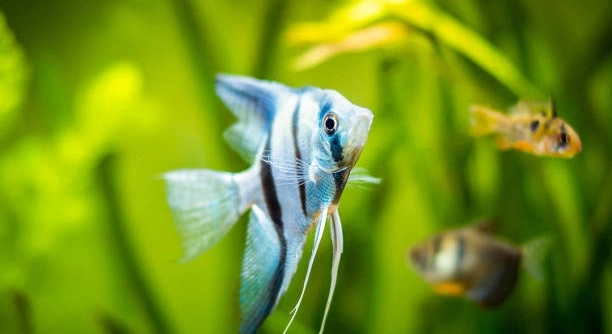
Angelfish are beautiful and peaceful creatures that can be a joy to have in your aquarium. However, they also need companionship to thrive. Recognizing the signs of loneliness in your angelfish is essential for their well-being and happiness.
Loneliness in angelfish can be observed through behaviors such as hiding, lack of appetite, and excessive swimming. These signs often indicate that they are not feeling mentally stimulated or socially engaged, which can affect their health and behavior.
Taking care of a lonely angelfish can be a rewarding experience. By understanding the signs of loneliness, you can take the necessary steps to improve their environment and provide the companionship they need.
1. Hiding or Staying at the Bottom of the Tank
Angelfish are usually active swimmers, so if yours is constantly hiding or staying near the bottom of the tank, it could be a sign of loneliness. When they don’t have company or proper stimulation, they may retreat to less visible areas of the aquarium, avoiding interaction with other fish or the tank’s environment.
In a tank without sufficient activity or companionship, your angelfish may feel stressed or isolated. This can lead to them spending more time in places where they feel safer but less engaged. Over time, this behavior can affect their health.
To help your angelfish, consider adding a companion or improving the tank’s environment with plants or decorations. This can create a more stimulating environment and encourage your angelfish to interact with its surroundings more.
2. Lack of Appetite or Eating Less Than Usual
If your angelfish isn’t eating or its appetite has noticeably decreased, loneliness might be the issue. Stress from isolation can impact their interest in food. A change in feeding behavior is often a clear indication of a deeper issue.
Angelfish, like many other species, thrive in social settings. They tend to be more active and interested in food when they have company. If your angelfish is eating less or avoiding food altogether, it could be struggling with loneliness. You may notice them becoming more picky about their food choices or rejecting meals entirely.
If your angelfish isn’t eating, it’s essential to evaluate their social environment. Adding another angelfish or fish that match their temperament can encourage healthier eating habits. You can also try varying their food to attract them, but addressing their loneliness will likely solve the core issue.
3. Swimming in Circles or Erratic Movements
When an angelfish is lonely, it may begin swimming in circles or exhibiting erratic movements. This behavior is often a sign of anxiety or frustration, which can happen when they feel mentally or socially neglected. A lack of stimulation in the tank can cause them to act out in strange ways.
This repetitive swimming behavior is a way for your angelfish to express their stress. They may not have the same social interactions they would naturally experience in a more crowded tank. Without stimulation, they could engage in these random movements to try to find something interesting or exciting in their environment. It’s their way of coping with boredom and isolation.
Providing other fish for companionship, or adding new elements to the tank, can help reduce this behavior. A more dynamic and engaging environment can help your angelfish focus on exploring rather than repeating these odd movements. Your angelfish may start to settle once they have proper social interaction.
4. Aggression Towards Tank Mates
If your angelfish suddenly becomes aggressive towards other fish, it might be showing signs of loneliness. Aggression can stem from a lack of interaction, as they try to establish dominance or gain attention. When they don’t have another fish to socialize with, they may take out their frustration on others.
While angelfish are generally peaceful, they may display aggression if they feel isolated. A lone angelfish may get frustrated by the absence of social interaction and begin to act out. The lack of companionship can make them more territorial or defensive, especially when they feel there is no other fish to connect with.
Adding another angelfish or compatible tank mate can help reduce this aggression. The presence of another fish can calm their nerves and give them the social connection they need. By encouraging peaceful interactions, you can help your angelfish live a more balanced life.
5. Pale or Dull Coloring
Lonely angelfish may show a noticeable change in their appearance, especially in their coloration. A lack of social interaction or stimulation can lead to a dull or pale appearance. Healthy, well-stimulated angelfish usually maintain vibrant colors, so a faded look can be an early sign of loneliness.
Pale or dull coloring indicates that your angelfish is under stress. Stress from isolation can weaken their immune system, which may cause them to lose their bright colors. This change in appearance may also be tied to other factors like poor water quality, but loneliness often plays a role in their overall condition.
To help your angelfish, create a more stimulating environment with tank mates or new features. Restoring a sense of companionship can encourage your angelfish to regain their full color and vitality.
6. Lack of Social Interaction with Other Fish
Angelfish are social creatures, and they thrive on interaction with other fish. If your angelfish is staying isolated from others or showing little interest in its tank mates, it might be feeling lonely. A lack of interaction can cause your angelfish to lose interest in social behavior altogether.
If your angelfish is showing no interest in interacting with other fish, it’s a clear signal that they are not getting the social engagement they need. This behavior can stem from loneliness or stress, and it often leads to a decrease in overall well-being. Without companionship, they may become withdrawn.
Consider adding another angelfish or peaceful species that shares similar needs. Ensuring the tank has a few social fish can encourage positive interactions and reduce any feelings of isolation.
7. Sluggish or Unusual Swimming Patterns
When an angelfish feels lonely, its swimming patterns may become slow or sluggish. They might spend less time exploring the tank or swimming actively. This lack of movement can be a sign that your angelfish is feeling unengaged or unable to find stimulation in its environment.
Lonely angelfish often stop swimming actively or exploring their surroundings. This behavior is a direct result of isolation. In nature, they would engage with other fish and constantly move around to search for food or interact. Without the right social stimulation, they may stop swimming around altogether.
FAQ
How can I tell if my angelfish is lonely?
You can tell if your angelfish is lonely by observing its behavior. If it’s hiding frequently, swimming in circles, or showing a lack of interest in food, these can all be signs of loneliness. Additionally, aggression towards other fish or a dull appearance might also indicate stress due to isolation. Angelfish are naturally social, so if your fish seems withdrawn, it’s worth considering their emotional needs. Make sure to look for patterns of unusual behavior over time, as these can be clear signs of loneliness.
What can I do to help my lonely angelfish?
To help a lonely angelfish, the best option is to introduce a compatible tank mate. Angelfish do well with other peaceful species that have similar care needs. Adding more plants or decorations in the tank can also help by providing more hiding spots and stimulation. If your fish is displaying signs of aggression or anxiety, placing the tank in a quieter area might reduce stress. A clean and engaging environment is crucial for improving your angelfish’s mood.
Can I add just one more angelfish to keep my current one company?
Yes, adding another angelfish can help, but it’s essential to ensure they are compatible. Angelfish are territorial, especially during breeding times, so having too many can cause more stress. You might want to start with one additional angelfish, but make sure they are of similar size and temperament. Monitor their behavior carefully and be prepared to separate them if aggression occurs. Ensure there is enough space in the tank to avoid overcrowding.
Is it necessary to have multiple angelfish in a tank for them to be happy?
While it’s not mandatory to have multiple angelfish in a tank, it’s generally recommended for their social well-being. Angelfish are social and naturally prefer to live in groups or with tank mates. Having more than one can reduce loneliness and encourage natural behaviors, like schooling and social interaction. If you choose to keep just one, make sure to provide other forms of stimulation, like interesting decorations, plants, and other peaceful fish that can serve as companions.
Can an angelfish be too old to enjoy the company of others?
Age doesn’t necessarily impact an angelfish’s ability to enjoy the company of other fish. Older angelfish can still benefit from having a companion, although they might be less active or less aggressive than younger ones. If your older angelfish has become more withdrawn, it could still benefit from the stimulation and social interaction that comes with having a tank mate. However, some older angelfish may have specific personality traits that make them less inclined to interact, so be sure to observe how they respond to new tank mates.
How do I know if my angelfish is stressed?
Stressed angelfish may show several signs, including swimming erratically, hiding more than usual, or displaying a lack of appetite. Their colors may also become dull or pale, and they might become more aggressive or territorial. If you notice these behaviors, check the water quality, ensure that there are no aggressive tank mates, and consider if they have enough space. Stress can be triggered by poor water conditions, overcrowding, or lack of social interaction.
What is the best tank mate for an angelfish?
The best tank mates for an angelfish are peaceful fish that do not compete for food or space. Good options include tetras, corydoras catfish, and mollies. Avoid adding overly aggressive species or small fish that might become prey to the angelfish. It’s also important to keep tank mates that have similar water temperature and pH requirements to ensure a healthy and peaceful environment. Always monitor their interactions to ensure everyone is getting along well.
Can a lonely angelfish affect the other fish in the tank?
A lonely angelfish can sometimes affect the behavior of other fish in the tank. If the angelfish is stressed or acting aggressively, it might create tension within the tank. Stress can also affect the overall water quality, as a stressed fish may produce more waste. In some cases, the lonely angelfish may start picking on other tank mates. It’s essential to monitor all fish in the tank and make adjustments if needed to maintain harmony.
Should I get a larger tank for my angelfish if it’s lonely?
A larger tank can be beneficial if your angelfish is lonely, especially if you plan to introduce more fish. Angelfish need space to swim and establish territory, so having more room will help reduce aggression and stress. A bigger tank also provides more opportunities for the fish to interact with each other, leading to a more stimulating environment. However, simply increasing the tank size without addressing the loneliness by adding a companion may not solve the problem entirely. Consider both the size of the tank and the social needs of your angelfish.
How can I tell if my angelfish is bored?
If your angelfish isn’t exploring the tank, interacting with other fish, or showing interest in food, it could be bored. Boredom can cause the fish to swim aimlessly or spend long periods hiding. Angelfish thrive when they have things to explore, such as plants, caves, or other tank mates. If you notice a lack of activity, consider adding some enrichment, like decorations or new fish, to encourage exploration. Providing a variety of objects and plants in the tank can help alleviate boredom and provide mental stimulation.
What other signs should I look for if I suspect my angelfish is lonely?
Aside from the obvious signs like hiding or lack of appetite, look for changes in your angelfish’s behavior. If it starts to swim in circles or frequently rubs against objects, it could be stressed. Excessive yawning or opening its mouth in a repetitive motion can also signal discomfort. Observe any changes in movement, color, or interactions with other fish, as these can be indicators of loneliness or stress.
Final Thoughts
Loneliness in angelfish is a serious issue that can lead to stress, health problems, and unusual behavior. Just like any other fish, angelfish need mental stimulation and social interaction to thrive. When they don’t get the companionship they need, they can start to show signs like hiding, erratic swimming, or even a loss of appetite. These behaviors are not just signs of boredom, but also of emotional stress. It’s important to recognize these signs early to prevent further problems and ensure your angelfish remains healthy and happy. The key to solving loneliness in angelfish lies in observing their behavior closely and addressing the causes promptly.
One way to help your angelfish is by adding compatible tank mates. They are social creatures and do best when they have others to interact with. However, it’s important to choose tank mates carefully. Some species may be too aggressive or not fit well with your angelfish’s temperament. Additionally, the size of the tank is crucial when adding more fish. A larger tank provides more space and reduces territorial behavior, which can help your angelfish feel more at ease. If adding another fish is not an option, make sure the tank has enough stimulation, such as plants or decorations, to keep the angelfish engaged.
Overall, understanding and addressing your angelfish’s loneliness will lead to a happier and healthier fish. Whether you add a companion or simply improve the environment, taking action will improve their quality of life. A well-stimulated and well-cared-for angelfish will thrive, showing off its bright colors and active behavior. Monitoring their mood and behavior regularly helps ensure they’re not stressed or isolated. By staying proactive and attentive, you’ll be able to provide your angelfish with the best care possible, keeping them content and healthy in their aquarium.

Hello,
If you enjoy the content that we create, please consider saying a "Thank You!" by leaving a tip.
Every little bit helps us continue crafting quality advice that supports the health, happiness, and well-being of pets around the world, for pets of all shapes, sizes, and species.
We really appreciate the kindness and support that you show us!