
Angelfish are popular aquarium pets that bring beauty and calm to any home. Understanding their happiness is essential for creating a healthy environment. Recognizing the signs of a content angelfish can help you ensure their well-being.
Healthy angelfish exhibit specific behaviors and physical traits when they are content. These signs include active swimming, bright colors, and an overall relaxed demeanor. Observing these behaviors can help determine if your angelfish is happy and thriving in its habitat.
Maintaining your angelfish’s happiness requires attention to their environment and diet. The right water conditions, proper feeding schedule, and regular tank maintenance are all key to keeping them content.
Active Swimming and Playful Movements
Angelfish are naturally active swimmers and will often glide gracefully through the water. When your angelfish is happy, you’ll notice it moving freely and comfortably, whether it’s exploring the tank or swimming with purpose. Their movements should appear fluid and smooth, not sluggish or erratic. A happy angelfish will engage with its environment, especially if it feels safe and secure in its tank. In a larger tank, they may enjoy swimming through plants or around decorations, showing interest in their surroundings.
When an angelfish is stressed or unhappy, it might become lethargic, hanging in one spot or only swimming short distances. You might also notice it rubbing against objects or darting around suddenly. Keeping a clean tank and appropriate water conditions is essential for supporting your angelfish’s active behavior.
Providing enrichment like plants, rocks, and tank mates will encourage movement and reduce stress. Be sure to avoid overcrowding, as this can cause stress and hinder your fish’s ability to swim freely and comfortably.
Vibrant Colors and Healthy Appearance
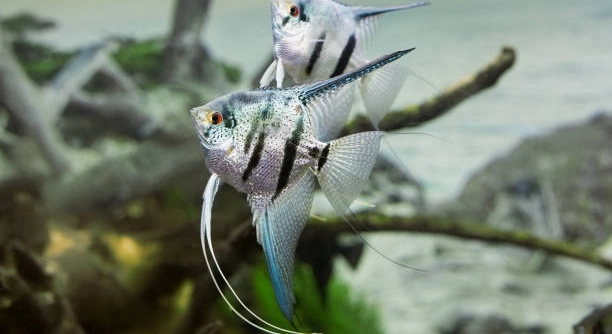
A healthy angelfish will display bright, vibrant colors.
Color loss can indicate poor water quality, illness, or stress. Keep an eye on the clarity and intensity of your fish’s colors. If they are pale or fading, check water parameters and tank conditions. A happy angelfish has a consistent, vibrant hue that shines in the tank.
If the water temperature fluctuates or is too high, your angelfish’s colors may also dim. Proper lighting in the tank can also enhance their color display. Stress can sometimes cause the fish to lose its typical color patterns, making it crucial to provide stable, stress-free conditions.
Healthy Eating Habits
When an angelfish is happy, it will eat regularly and eagerly. A healthy appetite shows that it feels comfortable and secure in its environment. If your angelfish is not eating or is hesitant around food, it could be a sign of stress or illness.
You should feed your angelfish a varied diet, including high-quality flakes, pellets, and live or frozen foods like brine shrimp or bloodworms. Overfeeding can lead to poor water quality, so aim for small meals a couple of times a day. Ensuring that food is consumed quickly also helps avoid water contamination.
An angelfish that skips meals or refuses food may not be feeling its best. Pay attention to any changes in eating habits and adjust your care routine as needed. Be cautious of introducing new foods too quickly, as this could cause digestive upset.
Clear, Calm Behavior
A content angelfish will swim calmly and confidently throughout the tank. It won’t exhibit aggressive behavior, like chasing other fish or hiding for long periods. When an angelfish is comfortable, it interacts peacefully with tank mates and explores its environment without fear.
Stress or illness can cause erratic behavior, such as darting, hiding, or bullying other fish. If you notice these signs, check water quality, temperature, and any other factors that could be affecting your fish. A stable, peaceful environment encourages angelfish to thrive. Adding hiding spots and plants can also help reduce stress and give them a sense of security.
Consistent Breathing Patterns
Happy angelfish breathe steadily and consistently. If they seem to be gasping at the surface or breathing heavily, it could be a sign of poor water quality or stress. Healthy breathing indicates a well-maintained tank and suitable water conditions.
Keeping the water well-oxygenated, through proper filtration and water movement, helps your angelfish maintain consistent breathing. Overcrowding the tank or high ammonia levels can cause difficulty in breathing, so it’s important to monitor the tank’s conditions regularly.
A happy angelfish will breathe at a normal rate, and you won’t see any signs of struggling for air. Keep the water clean and oxygenated to ensure your angelfish stays healthy.
Social Interaction with Tank Mates
Angelfish, while generally peaceful, can be social and enjoy the company of other fish. If they interact calmly with other species in the tank, it shows they’re comfortable in their environment. Healthy social behavior is a positive sign of happiness.
Be mindful of potential conflicts between angelfish and other tank mates. Some species may provoke aggressive responses or cause stress. Observing peaceful interactions without chasing or hiding is key. Your angelfish should not display territorial aggression towards other fish, especially when there’s enough space in the tank for everyone to coexist.
Regular Exploration
Happy angelfish tend to explore their tank, swimming among plants, decorations, or along the tank’s edges. It shows they are curious and active, engaged with their environment.
A lack of exploration may suggest boredom or discomfort, especially if your angelfish stays in one spot for long periods. Adding new decorations, plants, or hiding spots can encourage your fish to explore.
FAQ
What are the signs that my angelfish is stressed?
Stress in angelfish can show through a few key signs. If your angelfish is hiding more often, swimming erratically, or breathing heavily, it could be stressed. Aggressive behavior towards other tank mates or staying in one place without moving may also indicate stress. Poor water quality, sudden temperature changes, overcrowding, or incompatible tank mates can all contribute to this stress. If you notice these behaviors, it’s important to check water parameters, such as ammonia levels, temperature, and pH, and adjust the environment to ensure your angelfish feels secure.
How can I improve the water quality for my angelfish?
Maintaining good water quality is crucial for your angelfish’s health. Regular water changes (about 25-30% every week) will help remove toxins and keep the water clean. Ensure your tank is properly filtered, and the filter is cleaned regularly. Test the water for ammonia, nitrites, nitrates, pH, and temperature to ensure they’re within the recommended ranges for angelfish. Angelfish thrive in slightly acidic to neutral water with temperatures around 75–82°F (24-28°C). Keeping the water parameters stable and avoiding sudden fluctuations will help your angelfish stay happy and healthy.
Is it okay to have multiple angelfish in the same tank?
Yes, multiple angelfish can live together, but you need to provide a spacious tank with plenty of hiding spots. Angelfish can be territorial, especially during breeding periods. It’s important to maintain a good tank size; for example, a 30-gallon tank or larger is recommended for a pair of angelfish. If you want more than one, make sure there’s enough space to reduce conflicts. Keep in mind that introducing other tank mates, especially smaller species, can sometimes trigger aggression from angelfish.
How can I tell if my angelfish is sick?
Signs of illness in angelfish include faded colors, unusual swimming behavior (such as lethargy or erratic movements), clamped fins, or abnormal bulging or swelling. If your angelfish is not eating, it could also be an indication of sickness. Check for external signs like spots, lesions, or bloating, as these could be symptoms of a disease. When sick, isolate the affected fish in a quarantine tank to prevent the spread of potential diseases and start treatment immediately. Proper water conditions, a balanced diet, and stress reduction can help keep your angelfish healthier.
Can I feed my angelfish live food?
Yes, angelfish can eat live foods such as brine shrimp, bloodworms, and daphnia, which are great for providing variety and nutrition. However, live food should be given in moderation, as it can introduce bacteria or parasites if not properly sourced. It’s important to ensure any live food is properly cleaned before feeding. A balanced diet of high-quality flakes or pellets supplemented with live or frozen foods is ideal. Too much live food can also make the water dirty, so always clean any uneaten food to prevent water contamination.
Why is my angelfish hiding all the time?
Hiding is a common behavior when an angelfish feels threatened or stressed. It may be hiding due to poor water quality, sudden changes in its environment, or aggression from other tank mates. Make sure your angelfish has plenty of hiding places, such as plants or decorations, but also ensure the overall tank environment is calm. If the hiding persists, check the tank’s water parameters and look for any signs of illness. In some cases, too much light or noise near the tank can also cause them to retreat.
What temperature is best for angelfish?
Angelfish prefer a water temperature between 75-82°F (24-28°C). Keeping the water within this range helps them maintain optimal health and activity levels. If the water is too cold, angelfish may become lethargic, while excessively high temperatures can stress them out and reduce their lifespan. Use a reliable aquarium heater to maintain a consistent temperature and avoid drastic fluctuations, as sudden temperature changes can cause stress and potentially make your angelfish more susceptible to disease.
Can angelfish live with other fish?
Angelfish can live peacefully with many other species, but they do best with calm, non-aggressive tank mates. Avoid keeping them with fin-nipping species like tetras or small, fast-moving fish that may stress your angelfish. Ideal tank mates include peaceful species like guppies, rasboras, and corydoras catfish. Also, avoid keeping angelfish with much smaller fish, as they may view them as food, especially if they are hungry. It’s essential to ensure there’s plenty of space and hiding spots for all the fish in the tank to reduce any potential conflicts.
How often should I feed my angelfish?
Angelfish should be fed 1-2 times a day. Offer a small amount of food that your angelfish can consume in about 3-5 minutes. Overfeeding can lead to water pollution, as uneaten food decomposes and affects water quality. A balanced diet with occasional treats like live or frozen food will keep your angelfish healthy. It’s also important to remove any leftover food after feeding to prevent it from decaying and causing water issues. Consistency and moderation in feeding help maintain the overall well-being of your fish.
Why are my angelfish’s fins clamped?
Clamped fins are a sign that something is wrong. Your angelfish might be stressed, sick, or in poor water conditions if it keeps its fins close to its body. If the fins are constantly clamped, it’s time to check the water quality, as poor conditions or improper temperature can cause this behavior. Diseases such as fin rot or parasites may also be to blame. Check for any other signs of illness and quarantine your fish if needed. Improving the water quality and treating any potential illnesses will help restore your angelfish’s health.
Final Thoughts
Understanding the signs that your angelfish is happy can help you create a better environment for them to thrive in. By watching their behavior, such as active swimming, consistent breathing, and bright colors, you can be sure they are content and healthy. Happy angelfish show these signs consistently, and their comfort often reflects the quality of their care and environment. Proper water conditions, temperature control, and a balanced diet are all essential to keeping them at their best. It’s not only about the immediate signs of happiness but also about creating a stable environment that fosters long-term well-being.
It’s also important to remember that even small changes in their behavior can be indicators of stress or discomfort. If you notice your angelfish hiding more than usual, swimming erratically, or having difficulty breathing, these are signs that something may be wrong. Stress can be caused by poor water quality, overcrowded tanks, or incompatible tank mates. Regular tank maintenance, proper filtration, and water testing are key factors in preventing these issues. Keeping an eye on your angelfish’s eating habits, social interactions, and overall behavior will help you spot problems early before they become serious.
By focusing on these signs and consistently caring for your angelfish, you can ensure they stay healthy and happy. Creating a peaceful, clean environment, offering a well-rounded diet, and maintaining appropriate tank conditions will lead to a flourishing angelfish. It’s a rewarding experience to see them thrive in your care. When you pay attention to their needs and behavior, you will build a stronger bond with your fish and enjoy watching them grow and explore their home.

Hello,
If you enjoy the content that we create, please consider saying a "Thank You!" by leaving a tip.
Every little bit helps us continue crafting quality advice that supports the health, happiness, and well-being of pets around the world, for pets of all shapes, sizes, and species.
We really appreciate the kindness and support that you show us!