
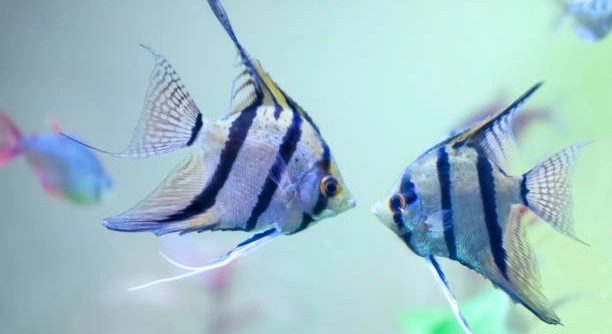
Introducing a new angelfish to your aquarium can be a rewarding experience, but it’s important to know how to care for them properly. Stress can affect their health and behavior, so recognizing signs early is key to their well-being.
Stress in angelfish may manifest through behaviors like hiding, rapid gill movement, or changes in eating habits. It’s essential to monitor their environment closely, as improper tank conditions, poor water quality, or bullying from other fish can lead to anxiety.
Paying attention to these signs can help you create a calm, healthy environment for your angelfish. Proper care will ensure your fish thrive in their new home.
Water Quality Problems
Water quality plays a major role in how your angelfish feel in their new tank. If the water is too dirty or the levels of ammonia, nitrites, or nitrates are too high, stress will follow. It can affect your fish’s breathing, cause them to swim erratically, or make them hide more than usual. Regular water testing is important to maintain a safe environment for your fish. Even small changes in temperature or pH can have big impacts on their health.
Poor water quality is one of the first things to check when your angelfish seem stressed. Changes in water chemistry can cause your fish to behave oddly, such as hiding or rubbing against objects. If the water is not cleaned frequently, it may build up harmful substances that lead to health problems for your fish.
If you notice stress in your angelfish, take quick action to test the water. Ensure the filter is working properly and replace the water if needed. Regular maintenance is key to a healthy aquarium, so stay consistent with your water checks.
Overcrowding in the Tank
Angelfish can get stressed when there are too many fish in the tank. If the tank is overcrowded, they might feel like they don’t have enough space to swim comfortably. This stress can lead to them hiding, staying near the bottom, or even becoming more aggressive.
When the tank is too full, fish can fight over space and resources. Angelfish need their own personal area, especially in the early days of being introduced to a new environment. Too many fish can also lead to poorer water quality, as waste builds up more quickly in a crowded tank.
To avoid overcrowding, research the proper tank size for your angelfish and ensure there’s enough space for everyone. A general rule is to have about one inch of fish per gallon of water. Keeping fewer fish allows everyone to have space and reduces stress.
Aggressive Tankmates
Sometimes, angelfish get stressed when they’re kept with aggressive tankmates. Larger or more territorial fish may bully them, forcing them to hide or swim in strange patterns. This constant pressure can negatively impact their health.
Aggressive tankmates can make an angelfish feel unsafe, leading them to retreat to corners or even stop eating. These interactions might not always result in visible injury, but stress from bullying can have long-lasting effects. Even subtle signs of aggression can cause anxiety for angelfish.
If you notice your angelfish acting stressed, check for bullying behavior. Sometimes, separating aggressive fish or rearranging the tank can help reduce tension. Be mindful of the personalities of the fish you keep together to prevent stress and ensure a peaceful environment for all.
Sudden Changes in Tank Conditions
Angelfish do not handle sudden changes in their environment well. If the water temperature, pH levels, or lighting suddenly shift, it can cause immediate stress. This can affect their behavior and overall health, making them more vulnerable to illness.
Changes in tank conditions may result from a new filter, a temperature shift, or a cleaning schedule disruption. Even adding or removing decorations can unsettle them. Stress from sudden changes can lead to erratic swimming or hiding, as angelfish try to adjust.
It’s important to make any changes gradually to help your fish acclimate. Small adjustments in temperature or water quality should happen slowly to minimize stress. The more stable the environment, the happier your angelfish will be.
Lack of Hiding Spots
Angelfish are naturally shy and need places to hide when they feel threatened. Without adequate hiding spots, they might feel exposed and stressed. A tank with no plants, rocks, or decorations for shelter can cause them to hide in corners or act withdrawn.
A well-decorated tank provides a sense of safety for angelfish. If they don’t have areas to escape, the fish may become anxious, swimming in circles or rubbing against tank walls. Providing plants, caves, or other decorations gives your fish spots to retreat when they need a break from the open space.
Poor Diet
If your angelfish aren’t eating properly, they may become stressed. An improper or imbalanced diet can lead to poor health, making them feel weak or uncomfortable. Stress from hunger or malnutrition can also cause changes in behavior.
Feeding your angelfish the right food at the correct amount is vital. Overfeeding or underfeeding can both be harmful. Offer high-quality flakes or pellets designed for angelfish, and provide occasional treats like frozen or live food to keep them healthy. Proper feeding routines will help prevent stress caused by hunger.
FAQ
What are the signs that my angelfish is stressed?
Angelfish can show several signs of stress. Common symptoms include hiding more than usual, swimming erratically, rubbing against tank decorations or walls, and changes in eating habits. If your fish are constantly staying at the bottom of the tank or darting to different areas, it could indicate stress. Changes in coloration or clamped fins (where the fins are held tightly against their body) can also be a sign. If these behaviors continue, it’s important to assess water quality, tankmates, and overall environment.
How can I reduce stress in my angelfish?
To reduce stress, ensure your angelfish have a stable, clean environment. Regular water changes, proper filtration, and maintaining optimal water parameters (temperature, pH, ammonia, nitrites, and nitrates) are essential. Provide plenty of hiding spots using plants, rocks, or aquarium caves. Also, keep the tank population appropriate—don’t overcrowd the space, and avoid aggressive tankmates. Monitor the fish’s diet to ensure they’re getting the proper nutrients and feed them at regular intervals to avoid overfeeding or underfeeding. Finally, make sure there aren’t any sudden changes to their tank setup.
Can angelfish get stressed from new tankmates?
Yes, angelfish can get stressed from new tankmates, especially if those tankmates are aggressive or territorial. When introducing new fish, it’s important to consider their compatibility. Some fish species might harass angelfish, which can lead to hiding or erratic swimming. It’s best to introduce tankmates gradually and monitor interactions closely. If you notice signs of stress or aggression, it may be necessary to remove the problematic fish.
How often should I clean my angelfish tank to prevent stress?
Regular cleaning is crucial to maintain water quality and prevent stress. Water changes should be done every one to two weeks, depending on tank size and fish load. It’s also essential to clean the filter regularly, ensuring it’s functioning properly. Cleaning decorations and substrate can help eliminate uneaten food or waste that might pollute the tank. Be sure not to clean everything at once, as that could disrupt the tank’s beneficial bacteria, causing water parameters to fluctuate.
Can poor water quality cause long-term stress in angelfish?
Yes, poor water quality can cause long-term stress in angelfish. High levels of ammonia, nitrites, or nitrates can irritate their gills and skin, leading to respiratory stress. Consistently poor water quality can also lower their immune response, making them more susceptible to disease. To prevent long-term stress, it’s essential to regularly test water parameters and perform routine maintenance like water changes and filter cleaning.
Is it normal for angelfish to hide when first introduced to a new tank?
Yes, it’s normal for angelfish to hide when first introduced to a new tank. Like many fish, they can feel vulnerable in a new environment. Hiding helps them adjust and feel safe. However, if they continue to hide for extended periods, this could indicate stress or an issue with the tank conditions. Be patient and allow your angelfish time to acclimate, but keep an eye on their behavior and make sure everything in the tank is stable.
Why is my angelfish not eating?
If your angelfish isn’t eating, it could be due to stress, poor water quality, or an inappropriate diet. Stress from sudden changes in the tank or aggression from tankmates can cause them to lose their appetite. Check the water parameters, make sure there are no signs of aggression from other fish, and ensure the food you’re providing is suitable for angelfish. If the problem persists, it might be worth seeking advice from a vet or experienced aquarium keeper.
How can I tell if my angelfish is sick or just stressed?
It can be difficult to tell if your angelfish is sick or just stressed, as the symptoms often overlap. Stress can cause behaviors like hiding, loss of appetite, and erratic swimming. Sick angelfish may also show similar symptoms, but you might also notice physical signs like lesions, swelling, or discolored patches. If the fish isn’t eating, swimming in circles, or exhibiting abnormal behavior for a long time, it’s best to isolate the fish and examine it for additional signs of illness.
Are angelfish sensitive to changes in temperature?
Yes, angelfish are quite sensitive to changes in temperature. They prefer stable water conditions, typically between 76-82°F (24-28°C). Sudden temperature fluctuations can cause stress, as they struggle to adjust to the new conditions. Extreme temperatures can even be fatal over time. Using a reliable aquarium heater and thermometer will help maintain a steady temperature and avoid stress from sudden changes.
Can I add live plants to my angelfish tank to help reduce stress?
Yes, adding live plants to your angelfish tank can help reduce stress. Plants provide natural hiding spots, allowing your fish to retreat when they feel threatened. They also improve water quality by absorbing nitrates and producing oxygen. Just ensure the plants you choose are safe for angelfish and won’t get eaten or damaged by them.
How do I know if my angelfish is being bullied by other fish?
If your angelfish is being bullied, you may notice it hiding more than usual, swimming away quickly from certain fish, or showing signs of aggression from other tankmates. The bullied angelfish may have visible signs of damage, such as torn fins or missing scales. Aggressive tankmates often chase, nip, or corner the angelfish, leading to stress. If bullying is suspected, it might be necessary to rearrange the tank, add more hiding spots, or remove the aggressive fish.
Final Thoughts
Keeping angelfish in a new tank can be a wonderful experience, but it comes with responsibilities. Stress is a common issue for angelfish when they are introduced to a new environment. It’s important to understand the signs of stress and address them promptly to ensure your fish are happy and healthy. The key to preventing stress lies in maintaining a stable, clean tank with the right water conditions and a peaceful atmosphere. Monitoring water quality, providing hiding spots, and choosing compatible tankmates are all essential for your fish’s well-being.
Angelfish are sensitive creatures, and their behavior can be a clear indicator of how they are feeling. If your angelfish start showing signs of stress, take the time to assess their environment. Is the water quality optimal? Are there enough hiding spots for them to retreat to? Are the other fish in the tank behaving in a non-aggressive manner? These factors can all contribute to the level of stress your angelfish are experiencing. Sometimes, a few small adjustments to their environment can make a significant difference in reducing stress and helping them feel more at ease.
In the end, the goal is to provide your angelfish with the best possible living conditions. This means paying attention to their needs and responding to any signs of distress. By being proactive and attentive, you can create a tank that not only keeps your angelfish healthy but also ensures they thrive in their new home. Taking the time to learn about your fish and understanding their behavior will go a long way in creating a positive experience for both you and your angelfish.

Hello,
If you enjoy the content that we create, please consider saying a "Thank You!" by leaving a tip.
Every little bit helps us continue crafting quality advice that supports the health, happiness, and well-being of pets around the world, for pets of all shapes, sizes, and species.
We really appreciate the kindness and support that you show us!