
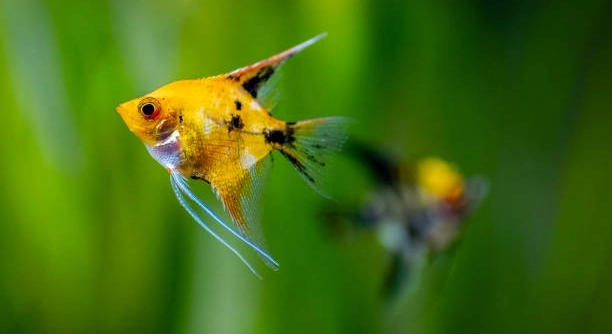
Angelfish are beautiful, vibrant creatures in many aquariums. However, like any pet, they can develop health issues that require attention. Identifying these early signs can help ensure your angelfish remains happy and healthy.
Angelfish exhibit various signs when they are developing health issues. Common indicators include changes in behavior, physical appearance, or feeding patterns. These early signs can help you detect potential health problems before they become more severe or harder to treat.
By understanding the key signs, you can take steps to address these issues and maintain a healthy environment for your fish.
Behavioral Changes in Angelfish
One of the first signs of a health issue in your angelfish can be a change in behavior. A normally active and curious angelfish may become lethargic, hiding more often or not swimming as much. This sudden change might be a signal of stress or discomfort, possibly caused by illness or environmental factors like poor water quality. Pay close attention to any decrease in activity, as it could indicate that your angelfish is struggling.
If you notice your angelfish avoiding food or struggling to interact with tank mates, this could also be a cause for concern. Any shifts in behavior should be closely monitored, as they often precede physical symptoms. A sudden drop in activity is one of the first indicators that something might be wrong, so be sure to check water conditions regularly.
Understanding these behavioral shifts is key to spotting potential problems early. The more you observe your angelfish, the quicker you can take action to prevent further complications. It’s essential to check both water parameters and the tank environment when unusual behavior occurs.
Physical Appearance Changes
Changes in your angelfish’s physical appearance can also indicate health issues. If the scales look damaged, or the fins appear frayed, it might be a sign of a skin infection or fin rot. Other noticeable signs include discoloration, which can result from stress, parasites, or improper diet. If you notice any of these, it’s important to act quickly to assess the cause.
An angelfish’s physical health is tied closely to the overall tank environment. Poor water quality, lack of proper nutrition, and the presence of harmful substances can result in visible damage to the fish. Regularly inspect your fish for signs of infection, parasites, or malnutrition, especially if other signs of distress are present.
Keeping an eye on your angelfish’s appearance can be just as important as monitoring their behavior. Even slight changes in coloration or texture may be an early warning sign.
Changes in Eating Habits
A decrease in appetite is often one of the first signs of a problem. If your angelfish is refusing food or eating less than usual, it could be a sign of stress, illness, or poor water quality. Lack of interest in food may point to an underlying issue that needs attention.
Some fish may eat less due to water temperature changes, water pollutants, or a shift in diet. Angelfish that are consistently underfed or refuse certain types of food might be dealing with internal parasites or a bacterial infection. It’s important to address the root cause by testing the water and considering changes in their environment. Providing a variety of food can also help ensure they maintain a balanced diet, especially if they’re becoming picky.
Regular observation is key when it comes to feeding. If this behavior continues, don’t hesitate to adjust water conditions or consult a veterinarian for advice.
Swelling and Bloating
Swelling or bloating can be a clear indication of health problems in angelfish. This could be caused by various factors, including overfeeding, internal parasites, or a bacterial infection. Swelling might affect the stomach area, making the fish appear unnaturally round or puffy.
Internal issues like constipation, overfeeding, or dropsy can lead to bloating. While constipation is more common, dropsy often causes serious discomfort and can be fatal if not treated promptly. A swollen belly or abnormal bloating is often accompanied by lethargy or a decrease in movement, making it essential to monitor the fish closely. Overfeeding can also cause bloating due to poor digestion, which can stress the angelfish further.
If bloating persists, adjust feeding habits and examine water quality. The presence of excess uneaten food in the tank may signal overfeeding, which needs to be corrected. It’s important to separate the fish to avoid further stress while seeking a solution.
Rapid Breathing or Gasping
If your angelfish starts breathing rapidly or gasping for air, it might indicate a lack of oxygen in the tank or a respiratory issue. Poor water quality, high ammonia levels, or insufficient oxygenation can cause this behavior. Check the water parameters immediately.
Angelfish need well-oxygenated water, and any changes in their breathing patterns should be addressed as soon as possible. Ensure your filtration system is running effectively, and consider adding an air stone or improving water circulation to help oxygenate the tank. Oxygen deprivation can lead to stress and further health complications if not corrected quickly.
Erratic Swimming Patterns
Erratic swimming, such as darting around the tank or circling in one spot, often signals stress or discomfort in angelfish. This behavior can be caused by poor water quality, aggressive tankmates, or an underlying infection. Immediate investigation is necessary.
Consistent erratic swimming can lead to exhaustion and weakened immune systems, making your angelfish more susceptible to diseases. If this behavior is observed, test the water, check for parasites or fungal infections, and ensure there are no issues with tankmates. If aggression or territoriality is the problem, rearrange decorations or consider separating aggressive fish.
Cloudy Eyes
Cloudy or milky eyes in angelfish can signal eye infections, injuries, or issues with water quality. This symptom is often accompanied by other signs like changes in behavior or eating habits. Monitoring water conditions is crucial to prevent further damage.
Eye problems in angelfish can also be caused by bacterial or fungal infections, which may need to be treated with medication. It’s important to keep the tank clean and check for any physical damage to the eyes, such as scratches or abrasions. If the issue worsens, seek professional advice for appropriate treatment.
FAQ
What should I do if my angelfish is showing signs of stress?
If your angelfish is showing signs of stress, the first step is to check the water quality. Ammonia, nitrate, and nitrite levels should be within safe ranges. Poor water quality is one of the main causes of stress in fish. Additionally, check the temperature; it should be between 76°F and 84°F (24°C to 29°C) for angelfish. If the water conditions are fine, consider whether your tankmates are too aggressive or whether there’s too much noise or activity around the tank. Stress can be caused by external factors, so creating a peaceful environment is key.
How can I prevent health problems in my angelfish?
Preventing health problems begins with maintaining a stable, clean environment. Regularly test the water to ensure proper pH, ammonia, and nitrate levels. Perform regular water changes to keep toxins at bay. A balanced diet is also essential; feed your angelfish a variety of high-quality foods to meet all their nutritional needs. Avoid overfeeding as it can cause bloating and water contamination. Ensure the tank isn’t overcrowded, as this can lead to stress and increased waste buildup, which can negatively affect water quality and fish health.
What causes fin rot in angelfish?
Fin rot is caused by bacterial infections, usually due to poor water quality, which weakens the fish’s immune system. When water conditions deteriorate, bacteria thrive and begin to attack the fins, causing them to fray and deteriorate. To prevent fin rot, keep the tank clean and ensure proper filtration. If you notice the early signs of fin rot, such as ragged fins or discoloration, consider using an antibiotic treatment or salt bath to help your angelfish recover. Regular water changes and high-quality food are also vital in preventing bacterial infections.
Can I treat my angelfish at home for infections?
Yes, mild infections can often be treated at home with the right care. First, isolate the infected angelfish to avoid spreading any potential diseases to other tankmates. Use an appropriate medicated treatment based on the infection type, such as antibiotics for bacterial infections or antifungal treatments for fungal issues. Ensure the water quality remains pristine during this time and follow treatment instructions carefully. If the infection persists or worsens, consulting a veterinarian or fish specialist might be necessary for more targeted treatment.
How can I tell if my angelfish is constipated?
Constipation in angelfish is often indicated by bloating or a distended stomach. The fish may also swim near the surface or appear lethargic. If you notice these signs, it’s important to reduce feeding for a couple of days, then provide easily digestible food like peas or daphnia to help clear the digestive system. Consistently feeding a varied diet, including high-fiber foods, will prevent constipation. Overfeeding is a common cause of constipation, so ensure you’re only feeding the right amount.
What is the best water temperature for angelfish?
Angelfish thrive in water temperatures between 76°F and 84°F (24°C to 29°C). Too cold or too warm water can cause stress and weaken their immune system, making them more susceptible to disease. Use a reliable aquarium heater to maintain a stable temperature. Sudden fluctuations in temperature can also stress your angelfish, so avoid placing the tank in areas where the temperature changes frequently.
Why is my angelfish’s color fading?
Color fading in angelfish can be a sign of stress, poor water quality, or illness. If the water conditions are poor, it can cause the fish to lose its vibrant colors. Lack of proper nutrition or certain diseases, such as parasites, can also contribute to fading. Ensure that your angelfish has a balanced diet and that the water parameters are stable. Stress from bullying by tankmates or sudden changes in the environment can also cause this. If the fading continues, consider seeking professional advice for potential treatments.
How can I deal with aggressive angelfish?
Aggression in angelfish can often be a result of overcrowding, territory disputes, or mating behavior. If an angelfish becomes too aggressive, try rearranging the tank decorations to break up territorial boundaries. If aggression continues, consider separating the fish to prevent injury. Provide enough space for each fish to claim its territory, and make sure you are not overcrowding the tank. Aggression can also be caused by stress, so maintaining a peaceful environment with good water quality is essential for minimizing these behaviors.
How often should I clean my angelfish tank?
You should perform partial water changes (about 25%) every 1-2 weeks to keep the water clean and reduce the buildup of toxins. In addition to water changes, vacuum the substrate to remove uneaten food and waste. Clean the filter regularly to ensure it’s functioning properly and maintaining optimal water quality. Always avoid deep cleaning all the surfaces at once, as beneficial bacteria need time to re-establish. Regular maintenance will help prevent disease and keep your angelfish healthy.
Can angelfish live with other fish?
Yes, angelfish are generally peaceful but can be territorial, especially during breeding. They can live with other peaceful fish that prefer similar water conditions, such as tetras, gouramis, and other smaller species. Avoid housing them with aggressive or fin-nipping fish, as they can become stressed or injured. When adding new tankmates, ensure there’s enough space for everyone to feel comfortable. If any aggression or stress occurs, consider rearranging the tank or separating the fish.
Final Thoughts
Caring for angelfish requires attention to detail, but with the right practices, you can keep them healthy and thriving. Regular water changes and monitoring water quality are essential to prevent many common health issues. Keeping your tank clean and stable helps maintain an environment where your angelfish can live stress-free. This includes checking the temperature, ammonia, nitrate, and nitrite levels frequently to ensure they remain within safe limits. By providing the right conditions and staying on top of maintenance, you can reduce the chances of your angelfish developing health problems.
It’s also important to observe your angelfish regularly. They can’t communicate their discomfort, so changes in behavior like lethargy, erratic swimming, or loss of appetite can be signs that something is wrong. If you spot any issues early, you have a better chance of treating them before they become serious problems. Even small changes in behavior can signal the start of an illness, and early intervention can make all the difference in preventing the spread of disease or stress.
Finally, while taking care of your angelfish might seem like a lot of work, the reward of watching them flourish in a well-maintained tank is worth it. By staying consistent with your care routine, keeping the tank environment peaceful, and feeding them a balanced diet, you’ll ensure that your angelfish can enjoy a long, healthy life. Regularly checking for any signs of illness and promptly addressing any issues will keep your fish in top shape. Keeping angelfish is a rewarding experience, and with the right attention, they can become beautiful, lively additions to your aquarium.

Hello,
If you enjoy the content that we create, please consider saying a "Thank You!" by leaving a tip.
Every little bit helps us continue crafting quality advice that supports the health, happiness, and well-being of pets around the world, for pets of all shapes, sizes, and species.
We really appreciate the kindness and support that you show us!