
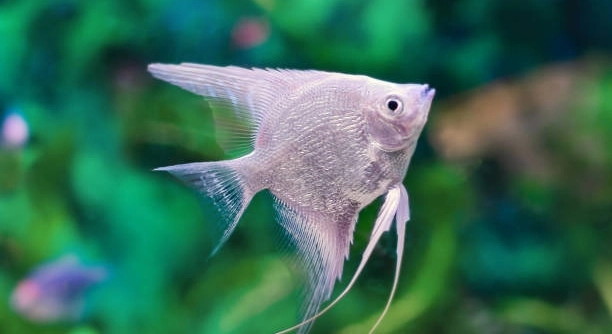
Angelfish are peaceful, colorful creatures that bring life to any aquarium. However, like many fish, they can sometimes show aggressive behavior. Understanding the signs of fighting between them is key to maintaining harmony in your tank.
When angelfish fight, it’s typically due to territorial disputes, mating issues, or overcrowding. Aggressive behavior can include chasing, nipping, and fin-flaring. Identifying these signs early can help prevent damage and stress, ensuring a healthier tank environment.
Recognizing these behaviors early on can make all the difference in restoring peace. We will discuss how to address the root causes of aggression and prevent future conflicts between your angelfish.
1. Aggression from Territory Disputes
Angelfish are naturally territorial, especially when they feel their space is being invaded. If you notice one angelfish chasing another, it’s likely a sign of territorial aggression. This happens when a fish wants to claim a certain area in the tank as its own, such as around a favorite hiding spot or a breeding site. The aggression can range from mild chasing to more intense behavior like fin nipping. In some cases, one angelfish may even show constant aggression toward another, not giving it a chance to settle in the tank.
To reduce territorial aggression, consider rearranging the tank décor. Adding new plants or decorations can break up the space, making it harder for one fish to claim it all. You may also want to add more hiding spots for the fish to retreat to when needed. Providing these elements helps reduce the likelihood of one angelfish feeling cornered or stressed.
By keeping an eye on their interactions, you can help keep peace in the tank. This small adjustment in the tank’s layout can often prevent aggressive behavior from escalating into more severe issues.
2. Mating Behavior
Aggression between angelfish can also be linked to mating. These fish are known to pair up and form bonds that may include defensive behavior. If you have a male and female angelfish in your tank, they might show signs of aggression as they establish dominance. This can happen when they’re preparing to lay eggs. The male will defend the female, and the female may also become more territorial about her chosen nesting spot. While this behavior can seem aggressive, it’s typically a part of the natural mating process.
It’s important to understand that this aggression is different from general territorial fighting. The fish involved are usually more focused on breeding than on trying to harm one another. However, it can still lead to some injuries if left unchecked. You can reduce this issue by providing multiple breeding sites or separating the fish during the mating period if necessary.
Proper tank conditions can go a long way in preventing mating aggression. Make sure water quality is optimal and there are plenty of areas for each angelfish to retreat. Healthy, calm surroundings help keep stress levels low during this sensitive time.
3. Overcrowding in the Tank
When you have too many fish in a tank, it can lead to stress and competition for space, food, and oxygen. Overcrowding is one of the main causes of aggression in angelfish. They need space to swim and establish territories, and when their environment feels cramped, they’re more likely to become stressed and defensive. This can manifest as chasing, nipping, or more direct fights. Fish that are stressed tend to display a wide range of aggressive behaviors, which could lead to permanent damage or injury to one another.
To avoid overcrowding, follow the general rule of 1 inch of fish per gallon of water. This ensures your angelfish have enough room to swim and settle without feeling cramped. Also, take into account the size of your angelfish as they mature, as they can grow quite large. Regularly check your tank’s population and remove excess fish if needed.
If you notice aggression, it’s important to assess whether overcrowding is the issue. If the tank seems too small, consider upgrading to a larger one or finding homes for some of the fish. Removing stress from the environment will greatly reduce fighting.
4. Incompatible Tank Mates
Not all fish get along well with angelfish. If you notice fighting, it could be because of incompatible tank mates. Some species of fish are more aggressive and may pick on the angelfish, or even provoke them. Fish that are known to be aggressive or territorial may cause your angelfish to feel threatened, leading to fights. Similarly, faster, more competitive fish might grab food before the angelfish get a chance to eat, which can lead to frustration and aggression.
Before adding any new fish to your tank, research their temperament and compatibility with angelfish. Opt for peaceful fish that don’t compete for the same resources. Having calm and cooperative tank mates is crucial for maintaining peace and reducing stress.
If your angelfish is showing signs of aggression toward certain species, it’s a good idea to separate them. Sometimes, relocating one or both fish to a new tank can solve the problem. The goal is to create an environment where all your fish can coexist peacefully.
5. Poor Water Quality
Angelfish are sensitive to water conditions. When the water quality is poor, they become stressed, leading to aggression. Dirty water can make them feel cornered or uncomfortable, prompting them to fight. Ensure regular water changes and monitor parameters like pH, ammonia, and nitrate levels.
Water conditions are crucial for maintaining peaceful fish behavior. Poor water quality can cause illness and stress, which leads to aggression. Regularly testing the water will help you spot issues before they become serious. If you notice more aggression or unusual behavior, consider investing in a good filtration system to maintain cleanliness.
To prevent stress, keep the tank clean and well-maintained. Perform water changes regularly, and always check the water’s temperature. By addressing water quality, you can create a healthier, calmer environment for your angelfish. Healthy fish are less likely to engage in territorial fights, so don’t overlook this step.
6. Lack of Hiding Spots
Angelfish can be territorial, but they also need places to retreat to when they feel threatened. If there aren’t enough hiding spots, they will become stressed and more likely to fight. Adding caves, plants, or decorations can give them a sense of security and help prevent aggression.
Fish naturally seek out hiding spots when they need space or are feeling stressed. Without these options, angelfish might feel exposed and territorial. By providing them with enough places to retreat, you reduce the chances of them fighting over space. Tank mates can also benefit from these hiding spots, reducing overall tension in the aquarium.
Placing decorations and plants in various areas of the tank creates boundaries, so each fish can claim its own space. This promotes healthy interactions and minimizes the chance of direct conflict. A well-structured tank layout can make a huge difference in your fish’s behavior and well-being.
7. Incorrect Tank Size
Angelfish need space to thrive. If the tank is too small, they will feel crowded, leading to stress and fighting. A tank that’s too cramped increases the chance of territorial disputes. Make sure your tank is large enough to accommodate your fish comfortably.
A minimum of 30 gallons is recommended for a pair of angelfish. A larger tank offers ample swimming space and reduces territorial conflicts. It also provides room for other tank mates to coexist peacefully. When tanks are too small, angelfish are more likely to clash over territory and food.
Providing enough space is essential for keeping your angelfish calm. Having a large enough tank will reduce stress, improve water quality, and allow your fish to develop natural behaviors. Fish that are less stressed will not feel the need to fight as much.
8. Lack of Proper Nutrition
Angelfish require a balanced diet to stay healthy. If they aren’t getting enough food or the right nutrients, they may become more aggressive. Lack of food can create competition between fish, leading to fights. Make sure to feed them properly to avoid this issue.
Angelfish should be fed a variety of foods, including high-quality pellets, flakes, and occasional live or frozen food. Offering different types of food ensures they receive all the essential nutrients they need for good health. By addressing their nutritional needs, you can reduce competition over food, which often leads to aggression.
FAQ
How do I know if my angelfish are fighting?
The main signs of fighting are chasing, nipping, and fin-flaring. Angelfish may display aggression by darting after each other or even nipping at fins. You may notice one fish staying in a corner or hiding, while the other fish continually pursues it. If the aggression continues, you may also spot damage to the fins or bodies of the fish.
What causes angelfish to fight?
Angelfish fight for several reasons, including territorial disputes, mating behavior, overcrowding, or incompatible tank mates. They are naturally territorial and will defend their space. During mating, they may become more aggressive. Overcrowding and poor water conditions can also lead to stress, increasing the chances of fighting.
How can I stop my angelfish from fighting?
To prevent fighting, ensure the tank is large enough for all the fish, providing plenty of space. Adding hiding spots, such as plants or decorations, can help. Regular water changes and monitoring water quality are crucial for keeping the fish healthy and calm. If necessary, remove the aggressor or separate the fish for a while.
Is it normal for angelfish to fight occasionally?
It’s normal for angelfish to display some aggression, especially during the breeding season or when they’re establishing their territory. However, constant fighting that causes harm to the fish is not normal. If the aggression is ongoing, you’ll need to take steps to resolve the issue before it leads to serious injuries.
Can angelfish live with other fish?
Yes, angelfish can live with other fish as long as they’re compatible. Avoid housing them with aggressive or overly active species. Peaceful fish like tetras, corydoras, or guppies can make great tank mates. However, always monitor interactions to ensure no one is bullying your angelfish.
What should I do if one angelfish is being bullied?
If one angelfish is being bullied, it’s best to separate the aggressor. You can do this by adding more hiding spots or rearranging the tank to break up territorial claims. Sometimes, simply giving the bullied fish a break by placing it in a quarantine tank for a while can help reduce stress.
How do I tell if my angelfish are stressed?
Stressed angelfish may exhibit signs like hiding more than usual, faded color, loss of appetite, or erratic swimming. If you notice these behaviors, check the water quality immediately and assess the tank environment. Stress can also be caused by overcrowding, poor nutrition, or tank mates that are too aggressive.
Can water temperature affect angelfish behavior?
Yes, water temperature plays a significant role in angelfish behavior. If the water is too warm or too cold, it can stress the fish, leading to aggression. Angelfish thrive in temperatures between 75°F and 82°F (24°C to 28°C). Keeping the tank at a stable, appropriate temperature helps reduce fighting and stress.
Should I remove the aggressive angelfish?
If one angelfish is causing consistent harm to the others, it may be necessary to remove it from the tank temporarily. Sometimes, rearranging the tank or adding more hiding spots can reduce aggression. In extreme cases, the aggressive fish may need to be rehomed or placed in a separate tank.
How can I tell if my angelfish are mating?
Mating angelfish may display behaviors like pairing off, cleaning a surface, and guarding a spot. They often engage in synchronized swimming and may even chase other fish away from their breeding area. If you see these signs, it’s likely they are preparing to spawn.
Why is my angelfish chasing the others?
Chasing is often a sign of territorial behavior or mating. One angelfish may be trying to assert dominance or protect its space. During breeding, the male may chase the female or other tank mates to establish a secure area for laying eggs. If it’s excessive, however, this could also indicate stress or overcrowding.
Can I add more angelfish to my tank?
Adding more angelfish to your tank can work, but it depends on the tank size and the number of fish already present. Overcrowding leads to stress and aggression, so make sure you have enough space for each fish. It’s best to add new fish gradually and observe their interactions closely.
How often should I clean the tank to prevent fighting?
Regular tank cleaning is important for maintaining water quality and reducing stress. Aim for partial water changes (25-30%) once a week, and clean the filter regularly. Removing excess debris and uneaten food helps maintain a clean environment. A well-maintained tank can prevent many of the causes of aggression.
Is there a way to calm my angelfish down?
Creating a peaceful environment is key to calming angelfish. Ensure they have enough space, hiding spots, and a proper diet. Regular water changes, stable water temperature, and avoiding tank mates that are too aggressive will help. Sometimes, adding stress-reducing plants or using a water conditioner can also help lower aggression.
Final Thoughts
Angelfish are generally peaceful creatures, but they can display aggression for various reasons. Recognizing the signs of fighting early is crucial to managing and preventing damage. Territorial disputes, mating behavior, overcrowding, and incompatible tank mates are common triggers. If you notice your angelfish fighting, it’s important to assess the tank environment and consider making changes to address the root cause. Keeping a calm, healthy environment is key to minimizing aggression.
Providing enough space, proper nutrition, and hiding spots will help keep your angelfish stress-free. Regular water changes and monitoring water quality can also reduce the likelihood of fights. Additionally, having compatible tank mates is vital. Aggression often occurs when fish are competing for resources or feeling threatened by other species. By carefully considering the needs of your angelfish and their tank mates, you can create a peaceful aquarium that benefits everyone.
If aggression does occur, don’t panic. With the right steps, you can manage it effectively. Rearranging the tank, adding more hiding spots, or even separating aggressive fish temporarily can help resolve the issue. Regular monitoring and care will ensure your angelfish stay healthy and happy. By making a few simple adjustments, you can enjoy watching your angelfish thrive in a calm, peaceful tank.

Hello,
If you enjoy the content that we create, please consider saying a "Thank You!" by leaving a tip.
Every little bit helps us continue crafting quality advice that supports the health, happiness, and well-being of pets around the world, for pets of all shapes, sizes, and species.
We really appreciate the kindness and support that you show us!