
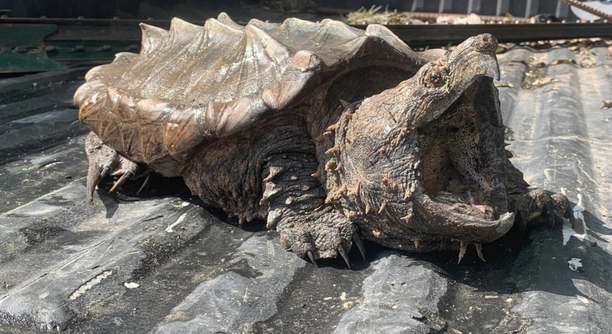
Alligator snapping turtles are fascinating creatures, but like all pets, they need proper care to stay healthy. One crucial aspect of their well-being is hydration. Recognizing the signs of dehydration is essential to ensuring their health and longevity.
Dehydration in alligator snapping turtles is a serious concern. Signs of dehydration include sunken eyes, dry skin, lethargy, and loss of appetite. These symptoms can lead to further health complications if not addressed immediately, requiring prompt action.
Understanding how dehydration affects your turtle will help you identify and respond to the issue quickly. Proper care can restore your pet’s health and well-being.
Common Signs of Dehydration in Alligator Snapping Turtles
Dehydration in alligator snapping turtles can be difficult to spot, but it’s important to know the common signs. Sunken eyes are often the first noticeable symptom, as the lack of hydration causes the eyes to appear dull and receded. Dry, flaky skin can also appear around the turtle’s body, particularly near the legs and neck. If your turtle becomes sluggish or refuses to eat, this is another clear indicator of dehydration. In severe cases, the turtle may not show any movement at all, signaling an urgent need for water.
A decrease in energy levels should not be ignored. If your turtle is not swimming or moving around as usual, dehydration could be the cause. Immediate attention is necessary to avoid further complications.
You should regularly monitor your turtle’s environment to ensure it stays hydrated. Their habitat must offer fresh water for drinking and soaking to prevent dehydration from developing. Dehydration can affect their immune system, making them more susceptible to other illnesses.
Addressing Dehydration Quickly
Immediate action is essential when dehydration is suspected.
The first step is providing a suitable water source. It’s important to offer water at the right temperature for your turtle to drink and soak in.
How to Hydrate an Alligator Snapping Turtle
Offering fresh water is the first step. Fill a shallow dish with clean, lukewarm water to encourage your turtle to drink. The water should be deep enough for the turtle to fully submerge if it chooses. Ensure the water is free from chemicals like chlorine.
Make sure the water remains clean and changed regularly. Filthy water can cause more harm than good, making it harder for the turtle to drink or soak. Use a filter in the tank to keep the water clean, but avoid strong currents that might stress the turtle.
Sometimes, misting your turtle with water helps. Lightly spray its shell and skin to provide additional moisture. However, be mindful not to overdo it, as too much water can make the environment uncomfortable for the turtle.
Creating an Optimal Habitat for Your Turtle
Alligator snapping turtles need a specific environment to thrive. Ensure the tank has both dry and wet areas. A dry basking spot helps regulate their body temperature, while a water area allows them to hydrate and cool off. Proper lighting, such as UVB bulbs, supports their natural behavior.
Maintaining the right humidity level is just as crucial. The humidity should stay between 50% and 70%. This level helps prevent dehydration while providing a comfortable environment. Make sure the water temperature is consistent, typically between 75°F and 85°F, as temperature fluctuations can stress your turtle.
A suitable habitat is essential not only for hydration but also for overall well-being. The right setup reduces stress, aids in digestion, and ensures your turtle stays healthy for years.
Offering Electrolytes to Aid Hydration
Electrolytes help restore balance in a dehydrated turtle’s system. You can provide an electrolyte solution by mixing water with a reptile-safe electrolyte supplement. This helps replenish essential minerals and promote hydration.
Mix the solution according to the product instructions. Overuse can lead to further imbalances, so follow the directions carefully. Electrolyte solutions are a great way to boost hydration quickly.
Monitoring Hydration Levels
Keeping track of your turtle’s hydration is key. Check for signs of improvement after offering water or an electrolyte solution. If symptoms persist, it may be time to consult a vet for more tailored treatment.
Regularly monitoring their activity, skin, and eyes will help ensure proper hydration.
FAQ
What are the main causes of dehydration in alligator snapping turtles?
Dehydration in alligator snapping turtles can be caused by various factors. One of the main causes is insufficient access to fresh water for drinking and soaking. If their habitat lacks clean water or they are not provided with enough water to submerge in, dehydration can occur. Additionally, stress from changes in the environment or improper temperature and humidity levels can lead to dehydration. Poor diet and insufficient moisture intake from food can also contribute to dehydration in these turtles.
How can I tell if my alligator snapping turtle is dehydrated?
Signs of dehydration in an alligator snapping turtle include sunken eyes, dry or flaky skin, lethargy, and reduced appetite. If the turtle’s skin appears wrinkled or feels dry to the touch, it could be a sign of dehydration. You may also notice the turtle becoming sluggish, spending more time in one spot, or avoiding water. In severe cases, a dehydrated turtle may stop moving altogether, which requires immediate attention.
How often should I offer water to my alligator snapping turtle?
It is essential to provide your alligator snapping turtle with fresh water at all times. The water in their tank should be kept clean and changed regularly to prevent the growth of harmful bacteria. Ensure that your turtle has access to both a shallow drinking area and a deeper area for soaking and swimming. Some turtles may drink more frequently than others, especially if they are not getting enough moisture from their food.
Can dehydration be treated at home?
Yes, mild dehydration can often be treated at home by providing fresh water and an electrolyte solution. You can offer your turtle a shallow dish of clean water for drinking, ensuring the water is free from chemicals. Additionally, adding a reptile-safe electrolyte solution to the water can help restore the balance of minerals and fluids. Mist the turtle with water to provide extra moisture if needed. If symptoms persist, however, it’s important to seek advice from a veterinarian.
What should I do if my alligator snapping turtle is not drinking water?
If your turtle isn’t drinking water, first ensure that the water is at the correct temperature and free of contaminants. Some turtles may be more likely to drink if the water is slightly warmer, around 75°F to 80°F. If your turtle is still refusing to drink, try placing them in a shallow dish of clean water and gently misting their shell. If they still refuse to drink or show signs of worsening dehydration, consult a veterinarian.
Can I give my turtle water through a syringe or dropper?
While it is possible to hydrate a turtle using a syringe or dropper, it should only be done with caution and under professional guidance. Forcing water into a turtle’s mouth can cause stress or even aspiration, which can lead to more serious issues. If you are concerned about your turtle’s hydration, it’s best to consult a veterinarian for safe and effective methods of hydrating them.
Is it necessary to provide electrolytes to my alligator snapping turtle?
While not always necessary, offering electrolytes can help rehydrate a turtle more effectively, especially if they are showing signs of severe dehydration. Electrolyte solutions designed for reptiles can help replenish important minerals and fluids. However, it’s essential to use these solutions in moderation and follow the product’s instructions carefully. Overuse can lead to an imbalance of minerals in the turtle’s system.
Can dehydration lead to other health problems?
Yes, dehydration can cause several health issues in alligator snapping turtles. It weakens their immune system, making them more vulnerable to infections. Dehydration can also affect their digestion and overall energy levels, causing them to become lethargic and more prone to other illnesses. In severe cases, prolonged dehydration can lead to organ failure. Addressing dehydration promptly is crucial to prevent these complications.
How can I prevent dehydration in my alligator snapping turtle?
To prevent dehydration, ensure your alligator snapping turtle always has access to fresh, clean water. Regularly monitor the water quality and temperature to ensure they are suitable for your turtle’s needs. Keep the humidity levels in the tank between 50% and 70% to help maintain hydration. A balanced diet with moisture-rich foods, such as leafy greens and aquatic plants, will also help keep your turtle hydrated. Regularly check for any signs of dehydration and take prompt action if necessary.
What should I do if my turtle’s shell is looking dry?
A dry or flaky shell can be a sign of dehydration or improper environmental conditions. Ensure that the humidity in the tank is maintained within the recommended range, and provide your turtle with clean water for soaking. Gently misting your turtle’s shell with water can help restore moisture. If the dryness persists, it’s a good idea to consult a veterinarian to rule out any underlying health issues.
Can dehydration affect the behavior of my alligator snapping turtle?
Yes, dehydration can significantly affect your turtle’s behavior. When dehydrated, alligator snapping turtles may become lethargic, spending more time hiding or remaining still. They may also lose interest in food and water, which can further worsen dehydration. If you notice a sudden change in behavior, especially lethargy or reduced appetite, it could be a sign of dehydration and requires prompt attention.
Final Thoughts
Dehydration is a serious concern for alligator snapping turtles, but it is preventable and manageable with the right care. Ensuring that your turtle always has access to clean, fresh water is the first and most important step. Regularly monitor the water quality, temperature, and humidity in the tank to make sure they are suitable for your turtle’s needs. Keeping the tank environment stable and comfortable helps prevent dehydration and other health problems. Offering a balanced diet with moisture-rich foods, like leafy greens and aquatic plants, also plays a key role in maintaining hydration.
When you notice signs of dehydration in your turtle, prompt action is crucial. Look for symptoms like dry skin, sunken eyes, lethargy, and reduced appetite. These are clear indicators that your turtle is struggling to stay hydrated. In mild cases, offering water and an electrolyte solution can help restore hydration. If dehydration persists or worsens, it is best to seek advice from a veterinarian who can provide further guidance and treatment. Early intervention will give your turtle the best chance of a full recovery and prevent long-term damage.
By being proactive about your alligator snapping turtle’s hydration, you can help ensure that they stay healthy and happy. Regular monitoring, proper hydration, and a suitable environment are essential for your turtle’s well-being. Understanding how to care for your turtle’s hydration needs will make it easier to spot any issues early and address them before they become serious. With the right care and attention, your alligator snapping turtle can live a long, healthy life.

Hello,
If you enjoy the content that we create, please consider saying a "Thank You!" by leaving a tip.
Every little bit helps us continue crafting quality advice that supports the health, happiness, and well-being of pets around the world, for pets of all shapes, sizes, and species.
We really appreciate the kindness and support that you show us!