
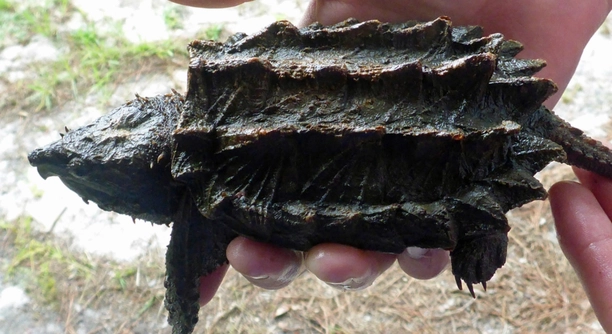
Alligator snapping turtles are fascinating creatures, but it can be hard to know when they’re in pain. Understanding their behavior and body language is key to ensuring they stay healthy and comfortable.
When your alligator snapping turtle is in pain, it may show signs like reduced activity, changes in appetite, or abnormal behavior. Recognizing these signs early can help you provide the care your pet needs.
Paying attention to your turtle’s behavior can make a big difference. Learn more about the signs of pain to keep your turtle safe and happy.
Lack of Movement or Reduced Activity
If you notice that your alligator snapping turtle isn’t moving as much, it could be a sign that something is wrong. Normally, these turtles are quite active, whether it’s swimming, basking, or searching for food. A turtle that’s staying still in one spot for long periods may be in pain.
Turtles in pain may seek a place to hide, retreating into their shells and avoiding any movement. This behavior is an instinctual way of coping with discomfort. If this lack of activity persists for several days, it’s important to take a closer look at your turtle’s health.
A turtle that moves very little may also be showing signs of stress or illness, and it’s often paired with other symptoms like loss of appetite. Changes in activity levels should be monitored, especially if they last for an extended period. It’s essential to examine your turtle’s living conditions, diet, and environment to ensure everything is ideal for its well-being.
Loss of Appetite
Turtles naturally eat regularly, and if yours suddenly refuses food, it’s worth investigating. A lack of appetite can be a sign that something is wrong.
Alligator snapping turtles can stop eating for many reasons, including physical discomfort or injury. When in pain, they often don’t have the energy or desire to hunt for food. If this continues, it’s essential to check for any physical signs of injury, swelling, or changes in behavior that might indicate an underlying problem.
Not eating for a few days can lead to further complications, such as dehydration or malnutrition. It’s important to offer a variety of foods and make sure the tank is set up properly for feeding. A lack of appetite, especially when combined with other signs of discomfort, should prompt a visit to a vet.
Abnormal Behavior and Agitation
When in pain, your alligator snapping turtle may become more aggressive or show erratic behavior. You might notice it becoming defensive, hissing, or even biting if it feels threatened. This is not typical behavior for a healthy, comfortable turtle.
Abnormal behavior often involves the turtle trying to escape its environment or acting more agitated than usual. For example, it may suddenly start swimming erratically, knocking into tank walls, or trying to climb out. This restlessness is a direct response to physical discomfort or distress.
If your turtle is acting out of character, it’s essential to assess the situation. Stress, illness, or injury can all lead to agitation. Providing a calm and secure environment can help ease its discomfort. However, if these behaviors don’t subside or worsen, it may be time to have your turtle evaluated by a professional to rule out serious issues.
Swollen or Inflamed Body Parts
Swelling is a clear indication that something might be wrong with your alligator snapping turtle. It could be caused by an infection, injury, or even internal problems. A visibly swollen area, especially around the shell or limbs, should never be ignored.
Examine your turtle closely to check for any signs of swelling. If it’s localized to one part of the body, such as a limb or part of the shell, it could be the result of an injury or infection. These conditions may cause pain, which is why you might see a reduction in activity or a change in behavior.
If the swelling appears to worsen, it’s critical to seek veterinary help immediately. Infections or injuries left untreated can lead to more serious health issues. Ensure your turtle’s environment is clean and safe, and avoid any harsh handling that could aggravate the swelling.
Difficulty Breathing or Respiratory Issues
Breathing problems in your turtle could indicate serious health concerns, such as respiratory infections. If your alligator snapping turtle is having difficulty breathing or is gasping for air, it may be in distress.
Turtles rely on their lungs to breathe, so if they are struggling, you’ll notice abnormal movements. You may see the turtle opening its mouth wide or gasping in short, shallow breaths. This can often be a sign of a respiratory infection or other underlying illness that requires attention.
In addition to difficulty breathing, you may observe mucus around the nose or mouth, labored movements when breathing, or a change in the way your turtle reacts to its environment. Respiratory issues are often linked to poor water quality or infections, so it’s essential to address the tank’s conditions and seek professional treatment. Proper care can help your turtle recover and breathe more easily.
Shell Damage or Cracks
Shell damage is a serious sign that your alligator snapping turtle is in pain. Cracks or visible injuries on the shell can be caused by rough handling, accidents, or poor living conditions. These types of injuries require immediate attention.
A cracked or damaged shell can lead to infections or internal injuries if not addressed properly. It’s important to keep your turtle in a safe environment where it’s less likely to get hurt. If you notice any shell damage, consulting a vet right away is crucial for proper treatment.
Abnormal Posture
If your turtle is holding its body in an awkward position, this could indicate discomfort or pain. You may notice it sitting in a strange way or keeping its head retracted into its shell more than usual.
Posture issues could point to something like a spinal injury, muscle strain, or discomfort caused by a shell problem. It’s important to watch for changes in how your turtle rests and moves. Unnatural postures can also be a sign of stress or other hidden health problems.
Changes in Behavior at Feeding Time
An alligator snapping turtle that is in pain may change how it reacts to food. If it’s suddenly disinterested in eating or has trouble reaching for food, it could be a sign of physical discomfort. Pain can interfere with the feeding process.
Look for signs of struggle when your turtle is eating or attempting to catch food. This could suggest issues with its jaw, mouth, or overall mobility. When in pain, your turtle may not be able to hunt or feed properly, leading to further health complications.
FAQ
What should I do if my alligator snapping turtle has a cracked shell?
If your turtle has a cracked shell, you need to act quickly to avoid infection or further injury. Start by carefully cleaning the area with warm water to remove any dirt or debris. Then, apply a non-toxic antibiotic ointment to prevent infection. Make sure the turtle is kept in a clean, safe environment to prevent further damage. A vet visit is recommended for professional treatment, especially if the crack is deep. Your vet may apply a shell repair kit or offer guidance on proper care during recovery.
How can I tell if my turtle is stressed?
Turtles can show signs of stress through changes in their behavior. If your alligator snapping turtle is hiding more than usual, swimming erratically, or acting more aggressively, these could be signs of stress. It’s important to assess its environment for stress triggers such as poor water quality, loud noises, or overcrowding. A stressed turtle may also eat less or show less interest in its surroundings. Try adjusting its habitat, reducing noise, and ensuring the water temperature is appropriate. Monitoring the turtle closely will help you catch signs of stress early.
Why is my turtle not eating?
There are several reasons your alligator snapping turtle may not be eating. Pain from injury or illness is one common cause, especially if accompanied by other symptoms like swelling or lethargy. It could also be related to water quality issues, such as improper temperature or pH levels. Stress from environmental changes or being kept in an unsuitable tank might also cause a loss of appetite. If your turtle refuses food for an extended period, it’s important to consult a veterinarian to rule out any serious health issues.
Can temperature changes cause my turtle pain?
Yes, temperature fluctuations can cause discomfort for your alligator snapping turtle. These turtles are sensitive to changes in their environment, and improper water temperatures can lead to stress, weakened immune systems, or even illness. If the water is too cold or too hot, your turtle may experience discomfort and even become lethargic. Maintaining a consistent water temperature within the recommended range is crucial for their health. If you notice any changes in behavior when the temperature shifts, adjust your setup accordingly.
What does it mean if my turtle is acting aggressively?
Aggressive behavior in your alligator snapping turtle could be a sign of pain, stress, or discomfort. If the turtle is snapping at you or anything that comes near it, there may be an underlying issue such as an injury or infection. It might also be a sign of territorial behavior or frustration due to confinement in a small tank. If the aggression is new or seems excessive, check for other signs of illness or injury. A trip to the vet is recommended if you can’t find any environmental causes for the change in behavior.
Is it normal for my turtle to hide all the time?
Turtles are known to retreat into their shells when they feel threatened or unwell, but if your alligator snapping turtle is hiding more than usual, it could indicate pain or discomfort. If the hiding is accompanied by a lack of activity, changes in eating habits, or difficulty moving, it may be due to injury or illness. Assess the turtle’s habitat for stressors like poor water quality or inappropriate tank conditions. If your turtle is frequently hiding and showing other signs of distress, it’s time to consult with a veterinarian.
How do I know if my turtle is sick?
Sick turtles may exhibit a range of signs, such as reduced activity, loss of appetite, abnormal swimming, or changes in their shells or skin. A sick alligator snapping turtle may appear lethargic, have difficulty moving, or even show signs of respiratory distress, such as labored breathing or mucus around the nose. Swelling or damage to the shell can also be indicators of illness. If your turtle’s behavior changes suddenly or doesn’t seem right, a visit to a vet is necessary to diagnose the problem and get appropriate treatment.
Can my turtle recover from an injury?
Injuries like shell cracks, bite wounds, or internal injuries can often heal with the right care, but it depends on the severity. Minor injuries may only require proper cleaning, a safe environment, and time to heal. More severe injuries, such as deep cracks in the shell or internal damage, will need veterinary attention. A vet can recommend treatments like antibiotics, shell repair kits, or other medical procedures depending on the injury’s severity. The key to recovery is early intervention and maintaining optimal living conditions for the turtle.
How can I prevent my turtle from getting injured?
To prevent injuries, ensure your alligator snapping turtle’s habitat is free from sharp objects, hard surfaces, or anything that could cause harm. Avoid rough handling and make sure the tank has no corners or edges that might injure your turtle. Keeping your turtle’s environment clean and monitoring the water quality will also reduce the risk of injury or illness. Regularly check the tank for any potential hazards and make sure the turtle has plenty of space to swim and move around safely.
What are the best water conditions for my turtle?
Maintaining optimal water conditions is essential for the health of your alligator snapping turtle. The water temperature should be between 75°F and 80°F, and the pH level should be neutral to slightly alkaline (7.0 to 7.5). Regular water changes are necessary to maintain clean water, and a high-quality filtration system will help keep the tank free of harmful bacteria. The turtle’s tank should also include areas for basking and hiding, as well as enough space for swimming and movement. Proper water conditions can prevent many health issues.
Final Thoughts
Taking care of an alligator snapping turtle requires paying attention to its behavior, health, and environment. These turtles can’t tell you when something’s wrong, so it’s up to you to notice the signs. If your turtle shows any signs of pain, such as changes in behavior, appetite, or movement, it’s important to act quickly. A turtle in pain might hide, stop eating, or become more aggressive. These are all signals that something might not be right, and catching them early can make a big difference in the outcome.
The environment you provide for your alligator snapping turtle plays a major role in its well-being. It’s essential to keep the water clean, maintain the proper temperature, and offer enough space for swimming and basking. Stress from poor water quality, overcrowding, or temperature fluctuations can cause discomfort or lead to illness. Regular maintenance of the tank, along with monitoring water conditions, is key to preventing many of the issues turtles may face. Creating a safe, comfortable environment can reduce the risk of pain or injury.
When in doubt, always consult a veterinarian. Alligator snapping turtles are unique creatures, and their care requires knowledge and attention. If you notice any unusual changes in their behavior or health, seeking professional help can ensure your turtle gets the care it needs. Whether it’s a cracked shell, difficulty breathing, or a lack of appetite, timely intervention can prevent further complications. With the right care, your alligator snapping turtle can lead a healthy, comfortable life.

Hello,
If you enjoy the content that we create, please consider saying a "Thank You!" by leaving a tip.
Every little bit helps us continue crafting quality advice that supports the health, happiness, and well-being of pets around the world, for pets of all shapes, sizes, and species.
We really appreciate the kindness and support that you show us!