
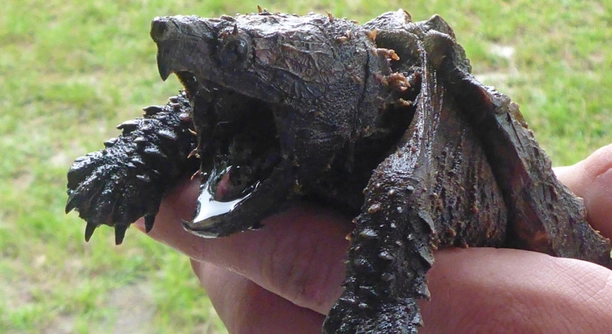
Alligator snapping turtles are fascinating creatures that require careful attention, especially as they grow. Their tanks must accommodate their changing size, so it’s important to recognize the signs that your turtle may need more space.
As alligator snapping turtles grow, they may outgrow their tank. Signs of this include increased activity, difficulty turning, and reduced water quality. Ensuring a proper environment for their needs is crucial for their health and longevity.
A proper tank ensures your turtle thrives and remains healthy. Keep an eye on these signs to maintain the best living conditions for your snapping turtle.
Increased Activity and Restlessness
As your alligator snapping turtle grows, you may notice it becoming more active in its tank. Young turtles tend to be more sluggish, but as they age, their need for space to roam increases. If your turtle starts swimming around frequently or pacing along the sides of the tank, this could indicate it has outgrown its current habitat. It’s important to observe these behaviors closely, as they suggest the tank is no longer providing enough room for your turtle to move freely. When they lack space, they can become stressed or frustrated, which can affect their health.
The increased activity often comes with a sense of urgency, as if your turtle is trying to find a way out or move around more. This behavior is common for snapping turtles as they grow and require larger environments.
If your turtle’s behavior has changed, it’s a sign that it’s time to evaluate its tank size. Providing more room will allow your turtle to feel less confined, reduce stress, and support its physical health. Consider upgrading its tank or adjusting the setup to meet its growing needs.
Difficulty Turning or Moving
When your snapping turtle struggles to turn or move around easily, it can be a sign of size limitations in its tank. A cramped environment can make even basic movements challenging for your turtle.
This issue is especially noticeable if your turtle seems stuck in one position or has trouble turning around after resting. If this becomes a regular occurrence, it may be time to rethink its living conditions. Snapping turtles require enough space to move around comfortably, especially as they grow.
Reduced Water Quality
As your alligator snapping turtle grows, its waste production increases, leading to poorer water quality. A small tank can’t handle the waste load, which results in cloudy water, increased ammonia levels, and potential harm to your turtle’s health. This can also affect the tank’s filtration system, making it work harder to keep up with the waste.
You’ll notice signs of poor water quality if your turtle’s shell becomes discolored, if algae growth increases, or if the water looks murky. Without enough space to properly filter the water, the conditions can quickly become unhealthy.
To address this, consider upgrading the filtration system or getting a larger tank. A bigger space can help maintain better water quality, reduce stress on the turtle, and keep it healthier for the long term. Regular water changes will also help, but a proper-sized tank is crucial for optimal living conditions.
Limited Space for Natural Behaviors
A snapping turtle requires more than just space to swim—it needs room to display natural behaviors like hunting, exploring, and basking. As your turtle grows, it may feel restricted in a small tank, preventing it from fully engaging with its environment.
If your turtle seems less active, hides more often, or spends too much time at the bottom of the tank, it could be a sign that it lacks the space needed to move around. Turtles in smaller tanks can also have trouble finding a suitable basking area, which is essential for their health.
Providing more space will allow your snapping turtle to express its natural behaviors, improving both its physical and mental health. A larger tank with areas for basking, hiding, and swimming will help your turtle feel more secure and reduce stress.
Excessive Waste Build-Up
As your alligator snapping turtle grows, it will produce more waste, which can quickly overwhelm a smaller tank. If you notice a strong odor or excessive debris accumulating in the tank, this indicates that the current environment is not adequate to handle the turtle’s waste.
Without enough space, the waste won’t break down properly, leading to unhealthy water conditions. This can also stress your turtle, as it may start to associate the poor water quality with its living area. Cleaning the tank more frequently is a short-term fix but upgrading to a larger tank is the long-term solution.
Difficulty Maintaining Proper Temperature
Maintaining the right temperature is essential for your turtle’s health. If the tank is too small, the water temperature can fluctuate more easily, affecting your turtle’s comfort. It’s harder to regulate in a smaller tank, making it more challenging to provide an ideal habitat.
As your turtle grows, its ability to regulate temperature within the tank may diminish. A larger tank provides a more stable environment and gives you better control over heat sources. Proper basking and water temperatures help keep your turtle healthy and active.
Tank Overcrowding
Overcrowding is another sign your alligator snapping turtle might be outgrowing its tank. When the tank feels crowded, your turtle may become territorial, stressed, or show signs of aggression. The lack of space reduces its ability to move around and causes discomfort.
FAQ
How do I know if my alligator snapping turtle needs a bigger tank?
If your turtle is becoming more active, struggles to turn around, or its water quality is declining despite regular maintenance, these are signs it might need a bigger tank. A lack of space can lead to stress and health problems for your turtle. Increasing tank size helps provide more room for natural behaviors and proper water filtration.
What size tank does an alligator snapping turtle need?
A young alligator snapping turtle can live in a 40-55 gallon tank, but as it grows, it will need much larger space. Adult turtles require at least a 100-150 gallon tank to move around comfortably. Providing enough room ensures proper water filtration and space for your turtle to thrive.
Can my snapping turtle live in a 50-gallon tank forever?
No, a 50-gallon tank is only suitable for a young snapping turtle. As they grow, they will need more space. Adult alligator snapping turtles can grow up to 26 inches in length and require significantly more room, typically around 100 gallons or more.
What are the signs that my turtle is stressed due to a small tank?
If your turtle is pacing, hiding more often, or spending too much time on the tank bottom, it may be stressed. A small tank can also cause aggressive behaviors or lethargy. Stress from limited space can affect your turtle’s appetite and overall health.
How often should I clean my snapping turtle’s tank?
You should clean the tank regularly, at least once a week, but the frequency may increase if your turtle’s waste is overwhelming the tank. Changing the water and cleaning the filters is essential to maintain good water quality, especially if your turtle is growing rapidly.
What should I do if my snapping turtle outgrows its tank?
If your turtle outgrows its tank, it’s time to upgrade to a larger tank. Make sure the new tank has enough space for swimming, basking, and exploring. You may also need a more powerful filter to handle the increased waste.
Can I keep multiple alligator snapping turtles in the same tank?
It’s not recommended to house multiple alligator snapping turtles in the same tank unless it is very large. These turtles are territorial, and keeping more than one in a small space can lead to aggression. If you do plan on housing them together, make sure the tank is large enough to provide separate areas for each turtle.
Do alligator snapping turtles need a basking area in their tank?
Yes, alligator snapping turtles require a basking area to maintain their health. They need access to a dry, warm spot where they can rest and regulate their body temperature. A basking platform or rock should be provided in the tank to give your turtle a place to dry off and warm up.
Can a snapping turtle live in an outdoor pond instead of a tank?
Yes, alligator snapping turtles can live in an outdoor pond as long as the environment is secure and large enough. The pond should have both deep water for swimming and shallow areas for basking. You should also ensure the pond is free from predators and has proper filtration.
How often should I feed my alligator snapping turtle?
Alligator snapping turtles are opportunistic feeders and should be fed 2-3 times a week, depending on their age and size. Young turtles may need more frequent feedings. Offer a variety of food, including commercial turtle pellets, fish, shrimp, and vegetables. Overfeeding can lead to water quality issues, so be mindful of the amount.
How do I ensure my snapping turtle is comfortable in its tank?
To ensure comfort, provide a tank that mimics their natural environment. Include areas for basking, deep water for swimming, and proper filtration. Maintain water temperatures between 75°F and 80°F, and ensure that the basking area is warmer, around 85°F to 90°F. Regular water changes and monitoring the tank’s water quality will also help keep your turtle comfortable.
Can I use regular tap water in my snapping turtle’s tank?
Regular tap water can be used, but it should be treated to remove chlorine and chloramine. These chemicals can harm your turtle. Use a water conditioner specifically designed for reptiles to make sure the water is safe. Additionally, check the water’s pH and hardness to ensure they are within a safe range for your turtle.
What happens if I don’t provide enough space for my snapping turtle?
If your alligator snapping turtle doesn’t have enough space, it can lead to stress, reduced activity, poor water quality, and even health issues. Over time, a cramped tank can stunt growth, cause shell deformities, and reduce your turtle’s lifespan. Providing adequate space is crucial for its overall well-being.
How long can an alligator snapping turtle stay out of water?
Alligator snapping turtles need to stay in water most of the time, but they can survive for short periods out of water. They may come out to bask or rest but should not be kept out for long periods. Prolonged exposure to dry conditions can lead to dehydration and other health problems.
Final Thoughts
Taking care of an alligator snapping turtle requires attention to its needs, particularly as it grows. These turtles can thrive in a tank that provides enough space, clean water, and a proper environment. As your turtle grows, it’s important to remember that the small tank you started with may no longer be suitable. Ensuring that your turtle has room to move around and explore helps keep it healthy and stress-free. A larger tank will also make it easier to maintain the right water quality, which is key to its well-being.
Upgrading your turtle’s tank might feel like a big task, but it’s essential for its health. When you notice signs that your turtle is outgrowing its current tank, it’s a clear indication that it’s time to make a change. Providing a proper tank size, filtration, and temperature control will create a more stable and comfortable environment for your turtle. Whether you choose to build a new habitat or upgrade to a larger tank, the important thing is that your turtle has the space it needs to thrive.
Remember, caring for an alligator snapping turtle is a long-term commitment. As these turtles grow, their needs will change. Regularly assess the size of their tank and the quality of their living environment to ensure they remain healthy. With the right care, these fascinating creatures can live long and healthy lives in your care.

Hello,
If you enjoy the content that we create, please consider saying a "Thank You!" by leaving a tip.
Every little bit helps us continue crafting quality advice that supports the health, happiness, and well-being of pets around the world, for pets of all shapes, sizes, and species.
We really appreciate the kindness and support that you show us!