
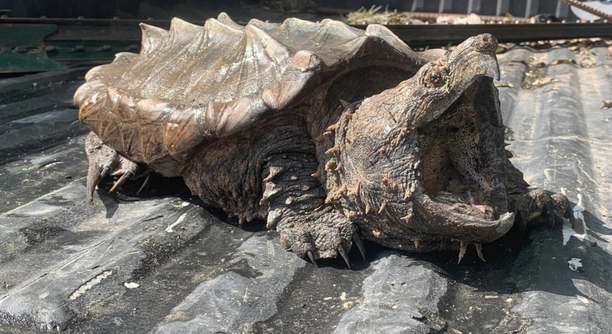
Alligator snapping turtles are fascinating creatures, and making sure they feel secure in their tank is essential for their well-being. If you’re wondering whether your turtle feels safe and comfortable, there are several signs to look out for.
A secure alligator snapping turtle will display relaxed behaviors such as resting comfortably at the bottom of the tank, eating regularly, and not displaying signs of stress or aggression. These behaviors indicate a calm and safe environment.
Observing these signs will help you create a better habitat for your turtle. The more you know, the more you can ensure its happiness and security.
1. Calm and Relaxed Behavior
When your alligator snapping turtle feels secure, its behavior will be noticeably calm. You might notice your turtle spending more time resting at the bottom of its tank, instead of constantly swimming around or hiding. They often remain in the same spot for long periods, which is a sign they feel comfortable in their environment. A secure turtle is less likely to swim in a frantic or erratic manner. If the turtle frequently basks or rests peacefully without rushing to hide or swim aggressively, it’s a positive sign that the habitat is peaceful.
A calm alligator snapping turtle will be at ease, exploring its space in a slower, methodical way.
Over time, you’ll learn to identify patterns in their behavior. If the turtle is consistently quiet and less active, this means they have adapted well to their surroundings. Turtles that feel safe won’t exhibit aggressive behaviors like head bobbing or defensive hissing. Their calmness reflects their comfort in knowing that no immediate threats are nearby. Additionally, secure turtles are more likely to have a regular feeding schedule and won’t be as skittish when you approach the tank.
2. Regular Eating Habits
Turtles that feel secure are less likely to show signs of stress when eating.
When your alligator snapping turtle is comfortable, it will approach its food without hesitation. Stress or unease can cause a loss of appetite or reluctance to eat. A healthy, secure turtle will feed regularly, whether it’s meat or vegetables. If your turtle eagerly eats, it’s a clear sign that it’s feeling safe in its environment.
If your turtle starts eating more consistently and shows no signs of hesitation, it’s a great indication that the habitat is set up well. Stress can make feeding difficult for your turtle, but when it feels secure, it won’t shy away from its meals. It’s important to monitor these habits to keep track of their health, too. A change in eating patterns could signal stress, so always observe closely.
3. Active Exploration
Secure alligator snapping turtles will explore their tank more frequently. You might notice your turtle checking different spots or moving around the tank in a calm, controlled manner. This exploration shows they feel comfortable in their environment, where they can freely investigate without fear.
When your turtle is actively exploring, it’s trying to get a better understanding of its surroundings. A turtle that feels threatened will often stay hidden or remain in one corner, avoiding movement. On the other hand, a secure turtle is curious, often exploring different areas of its tank. It may investigate hiding spots, decorations, or even swim to different sections of the tank. This type of activity helps to ensure the turtle feels safe and confident in its home.
Watching your turtle move around more regularly is a good sign that it has adjusted well to its environment. It might explore a few spots throughout the day, which shows that it’s familiar with its space. A turtle that does this regularly is one that feels secure and comfortable in its tank.
4. Healthy Shell
A healthy shell is another sign of a turtle that feels secure. When your alligator snapping turtle is in a good environment, its shell will stay strong and properly shaped.
If your turtle’s shell is smooth and free of cracks, it’s likely that it’s comfortable and getting the proper care. Stress can cause a turtle’s shell to weaken or develop deformities. When a turtle feels secure, its shell will remain intact and not show signs of damage or distress. A secure environment provides the turtle with everything it needs to maintain its health, from a balanced diet to proper water quality. The healthier the shell, the more likely the turtle feels safe and secure.
If you notice any changes in the condition of your turtle’s shell, it could be a sign of stress or improper care. A turtle that is feeling secure will usually have a firm, clean shell. If the shell starts to look dull or damaged, it may indicate that something is off in the environment. Proper tank conditions and regular care will ensure that your alligator snapping turtle has a healthy, strong shell. This, in turn, reflects its overall sense of security in its environment.
5. Comfortable Basking
A secure alligator snapping turtle will regularly bask under the right lighting. This behavior shows it feels safe enough to take time for itself. Basking allows turtles to absorb heat and UV rays, which is essential for their health.
Basking is a natural behavior for snapping turtles. When they feel secure, they will often position themselves in a spot that provides warmth and light, basking for long periods. If the tank’s conditions are correct, such as the right temperature and proper lighting, the turtle will rest in these areas without feeling threatened.
When a turtle doesn’t feel secure, it may avoid basking or remain in the water. A relaxed, healthy turtle will spend time in its basking area, soaking up the warmth and light it needs. Secure turtles have access to this safe space and use it regularly.
6. Consistent Swimming
Swimming is another sign that your alligator snapping turtle feels secure. If your turtle swims at a steady pace and isn’t overly skittish, it’s comfortable.
Secure turtles will swim around calmly, exploring the water without panicking. A frightened turtle may swim erratically or remain in one place, avoiding open water. Your turtle will be more confident in the water when it feels safe, freely swimming at a natural pace.
Turtles that feel secure in their environment will often swim throughout their tank at different times of the day. Whether it’s swimming slowly around the tank or moving from one end to the other, steady swimming shows confidence. A turtle that isn’t feeling safe may shy away from swimming or seem hesitant to venture out of hiding spots.
FAQ
How can I tell if my alligator snapping turtle is stressed?
Stress in alligator snapping turtles often shows through erratic behavior. A stressed turtle may swim aimlessly or rapidly, refusing to stay in one spot. It might also hide frequently or become defensive, showing aggression. If your turtle is refusing food or its shell looks damaged, this can also be a sign of stress. Keep an eye on any behavioral changes and consider adjusting tank conditions, as poor water quality or temperature fluctuations are common stressors.
What temperature is best for an alligator snapping turtle’s tank?
The ideal temperature range for an alligator snapping turtle is between 75°F to 80°F (24°C to 27°C) for the water. Basking areas should be slightly warmer, around 85°F to 90°F (29°C to 32°C). Maintaining this range is crucial for your turtle’s health, as they rely on both warm water and basking areas to regulate their body temperature. If the water is too cold, your turtle might become lethargic, while excessively hot water could stress it. Always ensure you have a reliable water heater and thermometer to maintain the proper environment.
What type of food should I give my alligator snapping turtle?
Alligator snapping turtles are carnivores and require a diet that includes protein-rich foods like fish, shrimp, and insects. They may also eat some plant matter, but their primary diet should be meat. You can offer frozen or live fish, earthworms, or commercially available turtle food. Ensure that the food is appropriately sized for your turtle to prevent choking. Providing a varied diet will keep them healthy and happy. Avoid feeding them high-fat or processed foods, as these can lead to obesity or other health issues.
Can alligator snapping turtles live with other tank mates?
Alligator snapping turtles can be quite aggressive, especially towards smaller tank mates. It’s generally not recommended to house them with smaller turtles, fish, or amphibians, as they may see them as prey. Larger, more durable fish species may be suitable companions, but even then, supervision is essential. If you do decide to house them with other animals, ensure the tank is large enough to provide ample space for each creature to have its own territory.
How often should I clean my alligator snapping turtle’s tank?
You should clean your alligator snapping turtle’s tank regularly to maintain water quality. Perform partial water changes weekly, replacing about 25% of the water, to keep the environment fresh. In addition to changing the water, clean the tank walls, filter, and any decorations or substrate every 2-3 weeks. Regular maintenance is essential because turtles produce a lot of waste, and dirty water can lead to stress or health problems. Always monitor water quality with a test kit to ensure proper pH, ammonia, and nitrite levels.
Why is my alligator snapping turtle not eating?
If your alligator snapping turtle isn’t eating, it could be due to several factors. Stress is one of the most common causes. This can be caused by improper tank conditions, such as incorrect water temperature, poor water quality, or lack of hiding spots. Changes in the turtle’s environment or diet can also affect its appetite. It’s essential to evaluate its habitat to make sure everything is in order. If the issue persists for more than a few days, consider consulting a vet, as health problems could be the underlying cause.
How long can an alligator snapping turtle go without eating?
Alligator snapping turtles can survive without food for up to a few weeks, but this is not ideal for their health. Turtles are known to be resilient creatures, and they can fast for some time if necessary, especially if they are healthy and the environment is suitable. However, extended periods of fasting can weaken the turtle and impact its health in the long run. If your turtle isn’t eating for extended periods, it’s crucial to check its tank conditions and consult a vet if needed.
Is it normal for my alligator snapping turtle to hide a lot?
Hiding is normal behavior for alligator snapping turtles, particularly if they feel stressed or threatened. In their natural habitat, they are often found in dark, secluded areas. If your turtle spends most of its time hiding, it’s important to check its environment for signs of stress. Make sure the water quality is good, the temperature is correct, and there are no aggressive tank mates. However, some hiding is perfectly normal, as it helps them feel safe. If your turtle only comes out to eat and bask, it could be simply taking time to rest.
How can I help my alligator snapping turtle feel more secure?
Creating a secure environment is key to making your alligator snapping turtle feel at ease. Ensure the water is clean and at the right temperature, and provide a basking area with access to UV light. Include hiding spots and submerged areas that mimic their natural habitat. Avoid placing aggressive animals in the tank, as this can cause stress. Consistently offering food and giving the turtle space to move around will also help build its confidence. Keeping the environment stable and low in noise or activity will reduce stress factors.
Final Thoughts
Alligator snapping turtles are fascinating creatures that require a well-maintained environment to thrive. It’s essential to pay attention to their behaviors and habits to ensure they feel secure in their tank. Observing signs like calmness, regular eating, and active exploration can provide valuable insights into their comfort levels. When these turtles feel safe, they will exhibit natural behaviors, such as basking, swimming steadily, and maintaining a healthy shell. By creating a comfortable and stable environment, you can help your turtle live a healthy and happy life.
Maintaining the right tank conditions, such as proper water temperature, filtration, and lighting, is key to keeping your alligator snapping turtle secure. Regular feeding schedules, along with a diet rich in protein, will keep them healthy and content. Remember, a stressed turtle may show signs like erratic swimming or hiding often. If you notice any changes in their behavior, it’s important to reassess their habitat and make adjustments as needed. A comfortable environment will help reduce stress, allowing your turtle to feel safe and confident in its space.
By following these guidelines, you can support your alligator snapping turtle’s health and happiness in captivity. It’s all about creating the right balance between water quality, temperature, food, and a stress-free environment. If you notice any unusual behaviors or signs of discomfort, don’t hesitate to consult a vet. Taking care of these ancient creatures is a rewarding experience, and with the right knowledge, you’ll be able to provide them with the best care possible.

Hello,
If you enjoy the content that we create, please consider saying a "Thank You!" by leaving a tip.
Every little bit helps us continue crafting quality advice that supports the health, happiness, and well-being of pets around the world, for pets of all shapes, sizes, and species.
We really appreciate the kindness and support that you show us!