
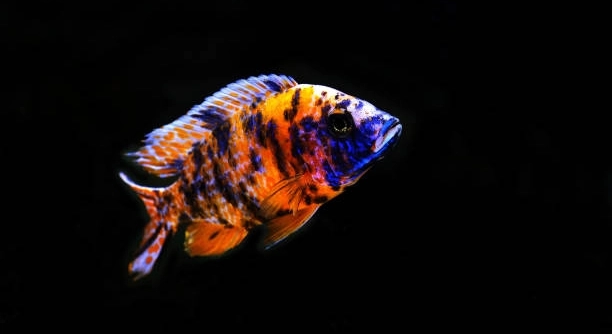
Are your African cichlids showing unusual behavior or changes in their tank environment? These vibrant fish require specific conditions to thrive. Recognizing when your tank needs adjustment is essential for their health and well-being.
Several indicators suggest your African cichlid tank requires change. These include water quality issues, overcrowding, algae overgrowth, poor fish health, inadequate filtration, improper diet, and damaged tank décor. Addressing these signs promptly prevents long-term harm to the fish.
Identifying these signals early allows you to maintain a healthy environment for your cichlids. Understanding what to watch for can improve your tank care routine and fish happiness.
Water Quality Problems
Poor water quality is one of the most common signs your African cichlid tank needs attention. High levels of ammonia, nitrites, or nitrates can harm fish and stress them out. Cloudy or foul-smelling water is a clear indicator that something is wrong. Testing your water regularly helps catch these problems early. Sometimes, water changes or improved filtration are needed to restore balance. Maintaining stable water parameters, such as pH and temperature, is also crucial for cichlids, as they are sensitive to sudden changes. Ignoring water quality issues can lead to illness or even death in your fish.
Monitoring water quality should be part of your regular tank maintenance. A simple test kit will help you keep track of harmful chemicals and make necessary adjustments.
Addressing water quality involves routine water changes and ensuring your filtration system is working efficiently. Avoid overcrowding to reduce waste buildup. Adding beneficial bacteria can also improve biological filtration. Keeping the tank clean and balanced supports healthy fish and prevents future problems. Consistent care is key to maintaining an ideal environment.
Overcrowding and Aggression
Overcrowding often causes stress and aggressive behavior in African cichlids.
When too many fish share limited space, territorial disputes increase, leading to fights and injuries. African cichlids are naturally territorial, so providing enough room for each fish helps reduce conflict. Overcrowding also increases waste production, which negatively affects water quality. It is important to know the recommended tank size and fish number for your specific species. Proper tank layout with hiding spots and visual barriers can minimize aggression. Regular observation will help you identify if aggression is becoming a problem. Removing or rehoming extra fish may be necessary to restore peace. Ensuring your tank is appropriately stocked and designed creates a calmer environment where your cichlids can thrive.
Algae Overgrowth
Algae growth is a common issue in African cichlid tanks. Excessive algae can cloud the water and cover surfaces, making the tank look untidy. It also reduces oxygen levels and competes with plants for nutrients.
Controlling algae starts with maintaining good water quality and limiting excess light exposure. Overfeeding increases nutrients in the water, which fuels algae growth. Regular partial water changes help reduce nutrient buildup. Using algae-eating fish or snails can also assist in controlling the problem naturally. Mechanical removal, such as scrubbing tank walls, is necessary when algae become visible. Balance is key because some algae presence is normal and even beneficial.
Algae overgrowth often signals an imbalance in your tank. Addressing nutrient levels, light cycles, and cleaning routines prevents it from getting out of control. Keeping algae in check promotes a healthier and clearer environment for your cichlids.
Poor Fish Health
Fish showing signs of illness or unusual behavior need immediate attention. Symptoms like faded color, lethargy, or spots indicate that the tank conditions may be unfavorable.
Stress from poor water quality, overcrowding, or improper diet weakens fish immune systems. Parasites and infections thrive in unhealthy environments. Quarantining new fish and maintaining tank hygiene reduce disease risks. Feeding a balanced diet tailored for African cichlids supports their health. Observing your fish daily helps catch problems early before they worsen. Treatment with medication might be necessary if illness is detected.
Poor fish health reflects underlying tank issues. Prompt action in improving conditions and care can reverse many problems. Healthy fish are active and vibrant, which shows the tank environment is suitable.
Inadequate Filtration
A weak filtration system can cause many problems in an African cichlid tank. Poor filtration leads to toxic waste buildup and poor water circulation.
Upgrading or maintaining your filter ensures efficient removal of waste. Proper filtration supports water clarity and healthy fish conditions.
Improper Diet
Feeding your cichlids an unbalanced diet affects their growth and health. African cichlids require a mix of protein and plant matter.
Providing high-quality pellets, supplemented with vegetables or live food, supports their nutritional needs. Avoid overfeeding to prevent water pollution and obesity.
Damaged Tank Décor
Broken or poorly placed décor can stress fish and cause injuries. Decorations should offer hiding spots and reduce aggression without sharp edges.
Regularly inspect and rearrange tank décor to create a safe, comfortable habitat for your cichlids.
FAQ
What causes sudden cloudiness in my African cichlid tank?
Cloudy water often results from bacterial blooms, which happen when the tank’s balance is disturbed. Overfeeding, inadequate filtration, or a recent water change can trigger this. Excess nutrients cause bacteria to multiply quickly, making the water appear milky. Ensuring proper filtration and reducing feeding amounts helps clear the water. Regular partial water changes and cleaning the substrate also prevent buildup of waste that fuels bacteria growth.
How often should I test the water in my cichlid tank?
Water testing should be done at least once a week. Monitoring ammonia, nitrite, nitrate, and pH levels helps catch problems early. African cichlids are sensitive to water changes, so keeping parameters stable is important. If you notice unusual fish behavior or cloudy water, test more frequently. Maintaining a log of test results can help identify patterns or sudden changes that need attention.
Why are my cichlids fighting more than usual?
Increased aggression is usually linked to overcrowding, lack of hiding spots, or changes in the tank environment. African cichlids are territorial and need space to establish their areas. Overcrowding forces fish into closer contact, raising stress and fights. Rearranging décor to create visual barriers or removing some fish may reduce aggression. It’s also important to ensure the tank size matches the number of fish you keep.
Can overfeeding harm my cichlids?
Yes, overfeeding is a common problem that negatively impacts both fish health and water quality. Excess food decays, increasing ammonia and nitrate levels. It can cause obesity in fish and lead to poor water conditions. Feed small portions that the fish can consume within a few minutes, once or twice daily. Remove uneaten food promptly to keep the tank clean and safe.
What are the signs of poor water quality?
Indicators include cloudy or smelly water, gasping fish at the surface, faded colors, and lethargy. Elevated ammonia or nitrite levels are toxic and often cause these symptoms. Regular testing and water changes are necessary to maintain a healthy environment. If these signs appear, immediate action is needed to prevent illness or death.
How can I control algae without harming my fish?
Limit light exposure to 8-10 hours per day to prevent algae growth. Avoid excess nutrients by not overfeeding and performing regular water changes. Introducing algae-eating fish or invertebrates compatible with African cichlids can help. Manual removal through scrubbing is safe and effective. Chemical treatments should be avoided unless necessary, as they can stress your fish.
Is it necessary to quarantine new fish before adding them to the tank?
Quarantining new fish for at least two weeks helps prevent disease introduction. This allows time to observe for signs of illness and treat if needed. Quarantine tanks reduce the risk of infections spreading to established fish and maintain overall tank health.
How often should I clean my tank decorations?
Tank décor should be cleaned every few weeks or when you notice algae buildup. Use a soft brush and warm water without soap to avoid harmful residues. Regular cleaning prevents the accumulation of waste and reduces stress on your fish. Rearranging decorations occasionally also helps reduce territorial aggression.
What type of filter is best for an African cichlid tank?
A filter that provides strong mechanical and biological filtration is ideal. Canister filters or power filters are commonly recommended because they handle waste efficiently. The filter should maintain good water flow without creating too much current, as cichlids prefer moderate water movement. Regular maintenance and cleaning of the filter media are important to keep it effective.
How do I know if my cichlid tank is overcrowded?
Signs of overcrowding include frequent aggression, poor water quality, and stressed fish showing health problems. A general rule is one inch of fish per gallon, but African cichlids need more space due to their territorial nature. Observing fish behavior and water parameters helps determine if you have too many fish. Reducing the number or upgrading to a larger tank may be necessary.
What should I feed African cichlids to keep them healthy?
A balanced diet includes high-quality pellets or flakes designed for cichlids, supplemented with fresh vegetables like spinach or peas. Occasional live or frozen foods like brine shrimp provide protein. Avoid feeding only one type of food to prevent nutritional deficiencies. A varied diet supports vibrant color, growth, and overall health.
How can I prevent diseases in my African cichlid tank?
Maintaining stable water conditions and a clean environment are the best prevention methods. Quarantine new fish, avoid overcrowding, and provide proper nutrition. Regular water testing and prompt treatment at the first sign of illness reduce risks. Avoid sudden changes in temperature or water chemistry, as stress weakens fish immunity.
This FAQ covers common concerns and solutions related to African cichlid tanks. Regular care and attention help keep your tank balanced and your fish healthy.
Maintaining an African cichlid tank requires regular attention and care. Recognizing the signs that your tank needs a change is important for keeping your fish healthy and happy. Issues like poor water quality, overcrowding, algae overgrowth, and improper diet can negatively impact the tank environment and the well-being of your cichlids. By addressing these problems early, you can prevent more serious complications. Consistent monitoring and simple adjustments often make a significant difference in the overall health of the aquarium.
Each element in the tank plays a role in creating a balanced habitat. Proper filtration helps remove waste and toxins, while water testing ensures the chemical balance remains stable. Providing enough space and hiding places reduces stress and aggression among fish. Feeding a balanced diet supports growth and coloration. Even small changes, like cleaning decorations or rearranging tank layout, can improve the environment. Taking time to observe your fish daily will help you notice any unusual behavior or changes in appearance that may indicate a problem.
A well-maintained tank not only benefits the fish but also makes the aquarium more enjoyable to watch. African cichlids are active and colorful fish, and they thrive best in a stable, clean, and comfortable setting. Being proactive with tank care helps avoid the common issues discussed earlier. Ultimately, the goal is to provide a healthy and peaceful home where your cichlids can live long and vibrant lives. Paying attention to their needs and making necessary changes when signs appear will ensure your aquarium remains a beautiful and thriving aquatic environment.

Hello,
If you enjoy the content that we create, please consider saying a "Thank You!" by leaving a tip.
Every little bit helps us continue crafting quality advice that supports the health, happiness, and well-being of pets around the world, for pets of all shapes, sizes, and species.
We really appreciate the kindness and support that you show us!