
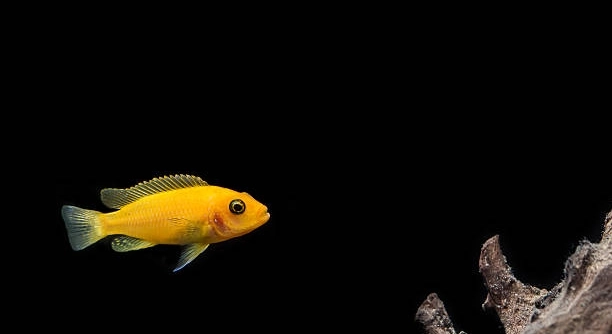
Is your African cichlid acting differently, hiding more often, or showing unusual colors that make you worry something might be wrong?
Stress in African cichlids can stem from poor water conditions, tankmate aggression, sudden changes in the environment, or nutritional issues. Recognizing early signs such as color loss, erratic swimming, or lack of appetite is essential for proper care.
By spotting these stress signs early, you can help your cichlid live a healthier, more stable life in your aquarium.
Sign 1: Faded or Washed-Out Color
Healthy African cichlids usually display rich, vibrant colors. When stress sets in, their colors can look pale, dull, or washed out. This happens as their body reacts to discomfort or environmental changes. Poor water quality, aggressive tankmates, or sudden temperature shifts are common causes. Lighting can also affect color, but if your fish suddenly loses brightness without changes to lighting or tank layout, it’s worth paying attention. Observe your fish during feeding and social interactions. If color loss continues over time, it signals an ongoing stress issue that needs fixing. Keeping a consistent tank routine is key.
Color loss isn’t always immediate. Sometimes it starts gradually and worsens with time if the root issue isn’t addressed.
To help, test the water regularly for ammonia, nitrites, and nitrates. Keep the temperature stable, around 76–82°F. Avoid placing the tank near windows or drafty areas. Provide hiding spots using rocks or plants. If aggressive fish are present, consider separating them.
Sign 2: Rapid Gill Movement
Rapid gill movement often means your cichlid is stressed or struggling to breathe. It may be reacting to low oxygen, toxins, or poor water circulation.
Start by checking the oxygen levels and water parameters. Ammonia and nitrites should be at zero, and nitrates should be under 40 ppm. A lack of oxygen can occur in overcrowded tanks or if the filter is underperforming. Add an airstone or adjust the filter to create more surface movement. Also, look for signs of disease, such as clamped fins, white spots, or mucus buildup, which can also cause rapid breathing. Avoid sudden water changes or big shifts in temperature. These can shock your fish and worsen its condition. When adding new fish, always quarantine them first. This prevents the spread of illness and lets you observe any unusual behavior. By acting early, you can restore calm and help your cichlid return to its normal rhythm.
Sign 3: Hiding More Than Usual
African cichlids are active fish that typically explore their space. If one starts hiding constantly, it’s often reacting to stress. This can come from bullying, loud noises, or sudden changes in tank conditions.
Provide enough caves, rocks, and plants for hiding, especially if your tank houses multiple territorial species. When fish don’t feel safe, they may retreat for long periods. This can affect eating habits and overall health. Bullying is common among cichlids, especially when there’s limited space. Rearranging the tank layout can reduce aggression by resetting territorial boundaries. Ensure tankmates are compatible in size and temperament. Poor lighting or sudden shifts in light intensity can also make your cichlid uncomfortable. Try using a timer to maintain consistent lighting patterns. Stress from transport or a new environment can also lead to temporary hiding, but if it continues beyond a few days, investigate further to avoid long-term health issues.
A small tank can make aggression worse. African cichlids need room to establish their space. A tank under 55 gallons often causes overcrowding, which increases hiding and stress behaviors. Monitor feeding times and body condition. A cichlid that hides and skips meals may need to be moved or isolated until it recovers. Take slow, calm steps to minimize stress while adjusting the setup.
Sign 4: Refusing to Eat
Loss of appetite in African cichlids is often linked to stress, poor water quality, or bullying. A fish that avoids food for several days could be signaling a bigger issue.
Start by checking your water parameters. High ammonia or nitrite levels can cause discomfort and reduce appetite. Make sure food is appropriate for their species—avoid overfeeding or giving large pellets they struggle to chew. Overcrowding can also lead to feeding stress if dominant fish scare others away. Observe if the cichlid tries to eat but gets chased off. Offer food in multiple spots to give weaker fish a chance. Sick or injured fish may also stop eating. Look for visible signs like bloating or fin damage. Quarantine may be needed. Stress from tank moves or sudden water changes can also reduce appetite for a few days. Patience, clean water, and consistency often help your cichlid start eating again.
Sign 5: Erratic Swimming
Erratic swimming can look like darting, spinning, or swimming in circles. This behavior is often caused by stress from toxins, sudden temperature changes, or internal health problems. It’s not normal and usually needs quick attention.
Check water quality right away. Ammonia or nitrite spikes are common triggers. Temperature shifts or poor acclimation when adding new fish can also lead to this.
Sign 6: Clamped Fins
Clamped fins appear tight against the body and signal that your cichlid is uncomfortable or unwell. This behavior is often linked to poor water conditions, parasites, or persistent stress.
Start by testing for ammonia, nitrites, and pH levels. Unstable or harmful water can cause irritation, making fish clamp their fins to reduce surface exposure. Parasites like flukes or velvet disease may also be the cause. Look closely for any tiny spots or a dusty appearance on their body. If present, quarantine the affected fish and treat with the appropriate medication. Reducing stress from aggressive tankmates or frequent tank changes can help the fish relax and regain normal posture.
Sign 7: Staying at the Bottom
When your cichlid lingers at the bottom, it may be feeling weak, threatened, or sick. This isn’t typical and should be taken seriously. Check for signs of injury, bullying, or poor water conditions that could be affecting its behavior.
FAQ
How can I quickly reduce stress in my African cichlid?
The fastest way to reduce stress is by improving water quality and creating a calm environment. Perform partial water changes to remove toxins, keep the temperature stable, and reduce noise or vibrations near the tank. Adding hiding places helps your cichlid feel safe. Avoid sudden changes like rearranging decorations or introducing new fish without quarantine. A calm, clean environment supports faster recovery.
What are the best water parameters for African cichlids?
African cichlids thrive in water with a temperature between 76°F and 82°F, a pH of 7.8 to 8.6, and low ammonia and nitrite levels, ideally zero. Nitrate levels should be below 40 ppm. These conditions mimic their natural habitats and reduce stress. Regular testing and maintenance ensure the water stays stable and healthy for your fish.
Can poor diet cause stress in African cichlids?
Yes, a poor diet lacking essential nutrients can weaken your cichlid’s immune system and cause stress. Feeding a balanced diet with high-quality pellets or flakes designed for cichlids, supplemented with occasional live or frozen foods, keeps them healthy. Overfeeding or feeding the wrong type of food can also cause digestive problems and stress.
How do tankmates affect stress levels?
Incompatible tankmates cause stress through bullying and competition for food or space. African cichlids are territorial, so overcrowding or mixing aggressive species with peaceful ones can lead to constant fighting. Choose tankmates carefully and provide enough room to reduce conflicts. Sometimes separating aggressive fish is necessary to keep peace.
Why is my cichlid hiding all the time?
Hiding is a common stress response, usually caused by bullying, poor water conditions, or fear from sudden environmental changes. Lack of hiding spots can increase stress, so make sure your tank has caves, plants, and decorations where your fish can retreat. Constant hiding over several days means you should check water quality and tankmates.
What should I do if my cichlid refuses to eat?
If your cichlid stops eating, check water parameters first. Stress from poor water quality, bullying, or illness often causes appetite loss. Try offering different foods or feeding in quiet areas of the tank. If refusal lasts more than a few days, isolate your fish for observation and consider consulting a vet or experienced aquarist.
How often should I test my tank water?
Testing water weekly is recommended for maintaining a healthy environment. During new setups, illness, or after adding new fish, test more frequently—every 2 to 3 days. Keeping track helps catch problems early, preventing stress or disease in your cichlids.
Can stress cause illness in African cichlids?
Yes, stress weakens their immune system, making them more prone to infections like ich, fin rot, or parasites. Managing stress by maintaining clean water, a stable environment, and proper diet is crucial for preventing disease.
Is it normal for cichlids to chase each other?
Chasing is natural due to their territorial behavior, but excessive aggression causes stress. If chasing leads to injuries or constant hiding, intervene by rearranging tank decorations or separating fish to reduce tension.
What are signs of stress besides behavior changes?
Physical signs include faded colors, clamped fins, rapid breathing, and fin damage. Behavioral signs include hiding, refusing food, erratic swimming, and staying near the bottom. Early detection helps prevent serious problems.
African cichlids are beautiful and active fish that can brighten any aquarium. However, like all living creatures, they can experience stress when their environment is not ideal. Stress can lead to health problems and shorten their lifespan if not addressed properly. It is important to recognize the signs of stress early and understand what factors may be causing discomfort for your fish. Common causes include poor water quality, aggressive tankmates, sudden changes in temperature, and inadequate hiding spots. Taking time to observe your cichlid’s behavior regularly can help you catch issues before they become serious.
Maintaining stable water conditions is one of the most effective ways to keep your African cichlid healthy and stress-free. Regular water testing and partial water changes remove harmful chemicals and maintain a balanced environment. The right temperature, pH level, and clean water all play a critical role in your fish’s well-being. Additionally, providing a tank setup that mimics their natural habitat with plenty of rocks, caves, and plants helps your cichlid feel secure. Avoid overcrowding the tank and choose compatible tankmates to reduce aggression and territorial disputes. A peaceful tank environment greatly reduces stress for all fish.
If your African cichlid shows signs of stress, such as faded color, hiding, erratic swimming, or refusing to eat, take immediate steps to improve its environment. Addressing water quality issues and providing enough space and hiding places usually helps the fish recover. Sometimes it may be necessary to isolate aggressive individuals or treat for illness. With patience and consistent care, your cichlid can regain its health and display the vibrant colors and lively behavior you enjoy. Being attentive to your fish’s needs will help ensure they remain healthy and comfortable in your care.

Hello,
If you enjoy the content that we create, please consider saying a "Thank You!" by leaving a tip.
Every little bit helps us continue crafting quality advice that supports the health, happiness, and well-being of pets around the world, for pets of all shapes, sizes, and species.
We really appreciate the kindness and support that you show us!