
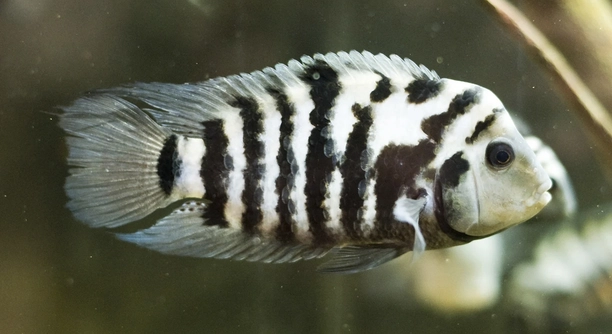
Is your African cichlid acting differently or showing signs that something might be wrong? These changes can sometimes be linked to injuries that are not always obvious at first glance.
Injuries in African cichlids often show through changes in behavior, physical damage, or altered swimming patterns. Common signs include torn fins, loss of scales, hiding more than usual, and reduced appetite. Prompt care helps prevent further harm.
Noticing the early warning signs can help you take quick action and support your cichlid’s recovery with the right care and attention.
Torn or Ragged Fins
Torn or ragged fins are one of the most common signs that an African cichlid may be injured. These types of injuries usually come from aggressive tank mates, sharp decorations, or sudden panic that leads to fast swimming into hard surfaces. A damaged fin may start as a small tear but can worsen without clean water and proper care. You might also see some redness or fraying around the edges, which can lead to infection if not treated. It’s important to check your tank for rough decorations or aggressive fish that might be causing harm. Clean, warm water and a stress-free environment can help with healing. If needed, isolate the injured fish to prevent further damage. Use a high-quality water conditioner and keep the tank clean to support fin repair. Regularly monitoring your fish’s behavior will help you catch injuries early before they become more serious.
Sometimes torn fins may heal on their own if the injury is minor and the fish is otherwise healthy.
For larger or more severe fin damage, it’s helpful to reduce tank stress by separating the aggressive fish, adding hiding spots, and using antibacterial treatments. Monitor the injured cichlid’s appetite and swimming patterns to ensure healing is going smoothly. Consistency in tank maintenance is key.
Missing Scales
Missing scales often appear after a physical impact or when a fish gets bullied in a crowded tank. These bare spots may look shiny or lighter than the surrounding skin.
If your African cichlid has missing scales, it’s best to start by observing how the injury may have happened. Sometimes it’s from rubbing against tank decorations, while other times it’s from chasing and fighting with other fish. Cichlids are known to be territorial, so it’s not unusual for conflicts to occur, especially in a small or poorly arranged tank. If you notice one fish always being chased, it may be helpful to rearrange the tank or increase hiding spaces. Clean water is especially important during this time, as exposed skin can easily get infected. Use a water conditioner to reduce irritation and add a little aquarium salt if your tank conditions allow. It can help with healing and reduce stress. Avoid handling the injured fish unless necessary, and check for signs of infection like swelling, cloudiness, or fungus.
Swollen or Red Areas on the Body
Swelling or redness on your cichlid’s body usually means there’s irritation, internal injury, or infection starting to form. These areas can appear after rough encounters or from poor water quality that stresses the fish.
When swelling appears suddenly, it’s often related to a physical injury or bacterial infection. You may see the area become red, raised, or even slightly shiny. In some cases, the fish may start rubbing against surfaces to relieve discomfort. It’s important to test your water for ammonia or nitrite spikes, as poor conditions can slow healing and worsen swelling. Try performing small daily water changes and keep the tank as clean as possible. Avoid adding new fish during this time to reduce further stress. If the swelling doesn’t go away in a few days, or if it starts to look worse, consider using a broad-spectrum antibacterial treatment made for freshwater fish.
Redness around the gills, abdomen, or sides can also signal an internal issue, like an infection or injury from a previous fight. Watch for changes in behavior—if your cichlid is breathing heavily, hiding more often, or refusing food, it may need medical attention. Some swelling will go away with improved water quality and reduced stress, but lingering symptoms should be addressed quickly. A hospital tank may be needed for closer care.
Unusual Swimming Behavior
Unusual swimming can be a warning sign that something isn’t right. If your African cichlid is floating sideways, sinking, or swimming in circles, it may be in pain or injured internally.
Injuries to the swim bladder, spine, or fins can affect how a cichlid moves through the water. After a rough chase or a sudden bump, your fish may start to swim in a tilted or jerky way. Sometimes it floats near the surface or struggles to stay balanced. This can also happen if there’s a sudden change in tank temperature or water quality. If you notice these changes, check the tank’s temperature, ammonia, nitrite, and nitrate levels right away. Keep lighting low and limit disturbances so your cichlid has time to rest. Feed a light, easily digestible diet—blanched peas can help if bloating is suspected. Some cases improve with rest, but ongoing problems might need professional help from a vet who specializes in fish.
Hiding More Than Usual
If your cichlid is hiding more than normal, it might be injured or feeling unwell. Injured fish often avoid other tank mates to protect themselves or recover in peace without being disturbed.
Look behind rocks, decorations, or plants. If your fish stays hidden for hours or misses feeding time, it’s a sign something might be wrong.
Loss of Appetite
Loss of appetite can happen when a fish is in pain or under stress. If your cichlid is ignoring food it usually enjoys, especially during regular feeding times, it could mean there’s an injury or internal problem. Make sure water conditions are safe and consider offering soft, easy-to-digest food to help recovery.
Changes in Color
Sudden color changes often signal stress or injury. A pale or blotchy appearance may mean the fish isn’t feeling well. Watch for color fading near injuries, as this can point to infection or inflammation.
FAQ
What should I do first if I think my African cichlid is injured?
The first step is to observe your fish closely without disturbing it. Look for physical signs like torn fins, missing scales, or swelling. Monitor behavior for hiding, lack of appetite, or strange swimming. Then, test the water for ammonia, nitrite, nitrate, and pH to ensure the environment is safe. Make a small water change if levels are off, and clean any visible waste or uneaten food. If the injury seems severe or gets worse, consider isolating the fish in a separate tank for care. Avoid using strong medication right away unless there are signs of infection.
Can a cichlid heal on its own without medication?
Yes, many mild injuries like small fin tears or minor scale loss can heal without medication, especially if the water is clean and the fish is not stressed. Good nutrition and low aggression in the tank help, too. However, if you notice redness, swelling, white patches, or the injury doesn’t improve after a few days, it may need treatment. Always address the cause of the injury, whether it’s aggressive tank mates or sharp decorations. Supporting natural healing starts with creating a safe, calm, and clean space for your cichlid.
How do I prevent injuries in the tank?
Start with proper tank setup. Use smooth decorations and remove any sharp or rough edges. Avoid overcrowding, as it leads to stress and more fighting. Keep fish with similar temperaments and avoid pairing aggressive species with peaceful ones. Create hiding spots so each fish has its own space. Watch new fish closely after introducing them. Feed your cichlids regularly and make sure they aren’t fighting over food. Test water parameters weekly to avoid conditions that weaken your fish. When your tank is calm, injuries are less likely to happen.
When should I separate an injured cichlid from the others?
Separate your cichlid if it’s being targeted or chased constantly, if it has a large wound, or if you notice signs of infection. A quarantine or hospital tank lets you treat the fish without disturbing the others. It also keeps potential infections from spreading. Make sure the hospital tank has the same temperature and water conditions to reduce shock. Keep lighting low and avoid loud noises or movement around the tank. Give your fish time to rest and recover without competition or stress from other tank mates.
Are there specific treatments I should use for wounds?
For open wounds or red areas, you can add aquarium salt (if your species tolerates it) or use a mild antibacterial product like Melafix. These help prevent infection and reduce inflammation. Always follow dosage instructions carefully. Avoid mixing medications unless instructed by a vet. Clean water is one of the best ways to support healing, so keep up with small water changes during treatment. If a wound shows fungus, cloudy patches, or doesn’t improve in a few days, a stronger antibacterial or antifungal treatment may be needed.
How long does it take for a cichlid to recover from an injury?
Mild injuries like small fin tears may heal within a week. More serious issues like deep wounds or infections can take two to three weeks or longer. Healing time depends on the fish’s health, stress level, and water quality. If the fish continues to eat and act normally, that’s a good sign. But if symptoms worsen or other fish start acting differently, it’s time to reassess the tank conditions and treatment plan. Be patient and consistent with care during recovery.
Why is my cichlid not eating after an injury?
Pain, stress, or infection can cause your fish to stop eating. If the injury is fresh, the fish might need a day or two to feel safe again. Try feeding softer foods or soaking dry pellets to make them easier to digest. Don’t overfeed during this time, and remove any uneaten food to keep the tank clean. If the fish still refuses to eat after three days or shows other symptoms like bloating, lethargy, or rapid breathing, it might need medical treatment.
Can tank mates sense when one fish is injured?
Yes, fish can sense weakness or injury in others. Some cichlids may become more aggressive toward an injured tank mate, which is why it’s often safest to separate the injured fish. Others might simply ignore the injured one, but the risk of further stress or injury is still high. Always watch how tank mates behave after an injury occurs. A calm tank benefits all fish, especially those that are healing.
Final Thoughts
Caring for an injured African cichlid can feel a little overwhelming at first, but with close observation and a few simple steps, you can help your fish recover. Many injuries are caused by fighting, sharp decorations, or poor water conditions. Watching for early signs like torn fins, missing scales, swelling, or odd swimming helps you act before things get worse. Once you notice something is wrong, checking the water and improving the environment should always come first. Clean water, proper temperature, and a stress-free tank go a long way in helping your cichlid heal. Even a small change in routine, like fewer disturbances or better feeding habits, can make a big difference in recovery.
Each cichlid is different, so the healing process may not be the same for every fish. Some may bounce back quickly from small injuries, while others may need more time and care, especially if an infection is involved. Using treatments like aquarium salt or safe antibacterial products can help when needed, but these should be used carefully and only after checking that they’re appropriate for your setup. Try not to rush the process. Give your fish space, limit loud sounds or fast movements near the tank, and avoid adding any new fish until your injured cichlid is back to normal. A separate hospital tank can also help if the injury is serious or if the fish is being picked on.
Once your cichlid begins to recover, keep watching closely. Make sure its appetite returns, that it’s swimming normally again, and that any swelling or discoloration fades. These small signs show that your care is working. At the same time, take steps to prevent future injuries. Rearranging decorations to create more hiding places, reducing overcrowding, and keeping a regular cleaning schedule will all help protect your fish going forward. Injuries can happen, but with steady attention and the right support, your cichlid has a strong chance to heal and return to its usual self. Keeping an eye on behavior and health will not only help one fish recover but can also lead to a healthier, more peaceful tank overall.

Hello,
If you enjoy the content that we create, please consider saying a "Thank You!" by leaving a tip.
Every little bit helps us continue crafting quality advice that supports the health, happiness, and well-being of pets around the world, for pets of all shapes, sizes, and species.
We really appreciate the kindness and support that you show us!