
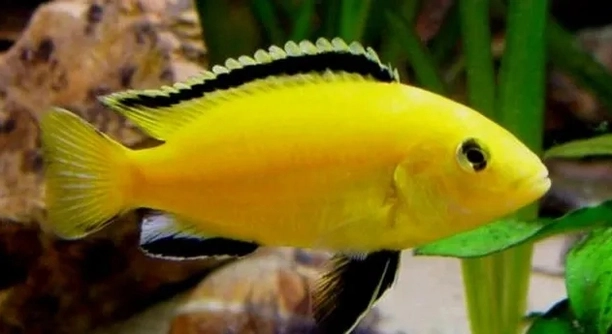
African cichlids are known for their vibrant colors and active behavior. Sometimes, they can show signs of stress or discomfort that may affect their mood. Recognizing these signs helps keep your fish healthy and happy in their environment.
Signs that an African cichlid is in a bad mood include changes in coloration, erratic swimming patterns, increased aggression, hiding more often, loss of appetite, fin clamping, and frequent gill movement. These behaviors indicate stress or poor water conditions that need attention.
Understanding these signs early can improve your fish’s wellbeing and prevent more serious health problems. The following details explain each symptom to help you care for your cichlid better.
Changes in Coloration
African cichlids usually display bright and vivid colors when they are healthy and content. If you notice your cichlid’s colors fading, becoming dull, or turning unusually dark, it can be a sign that the fish is stressed or unhappy. Color changes often occur due to poor water quality, illness, or environmental stressors such as improper tank mates or lack of hiding spaces. Monitoring the tank conditions regularly is essential to maintain stable water parameters. Stress from overcrowding or aggressive behavior from other fish can also cause color changes. It’s important to observe these shifts early, as prolonged stress may weaken the fish’s immune system and lead to further health problems. Providing a calm and clean environment helps your cichlid regain its natural coloration and feel more comfortable.
Faded or darkened coloration often signals distress and should prompt a review of tank conditions and fish health immediately.
Consistent water testing, regular tank maintenance, and providing proper diet and space will help maintain your cichlid’s vibrant colors. Avoid sudden changes in environment, as these can trigger stress and cause color shifts. Additionally, ensure compatible tank mates to prevent aggressive encounters that may lead to color fading.
Erratic Swimming Patterns
Erratic swimming includes darting around the tank quickly, swimming in circles, or rubbing against surfaces. This behavior indicates discomfort or irritation, often caused by parasites, poor water quality, or insufficient oxygen levels. Fish that swim erratically are under stress and need attention. Poor water conditions, such as high ammonia or nitrate levels, can irritate the fish’s gills, leading to abnormal movement. It can also be a response to sudden changes in temperature or light. Sometimes, erratic swimming happens when a fish is trying to escape aggression from other tank inhabitants. Identifying and correcting the source of stress quickly will prevent the problem from worsening.
Erratic swimming is a clear sign that something in the fish’s environment is wrong and needs fixing.
If you observe this behavior, start by testing the water for toxins and oxygen levels. Make sure your tank is well-filtered and maintained with regular water changes. Reduce stressors by rearranging tank decorations or providing more hiding spots. Avoid overcrowding the tank to reduce aggressive behavior among fish. Sometimes, a brief isolation period can help the affected fish recover. Regular monitoring will catch these signs early and improve your cichlid’s overall health and comfort.
Increased Aggression
Increased aggression in African cichlids can disrupt tank harmony and stress all fish involved. This behavior often indicates frustration or territorial disputes.
Aggression usually rises when the tank is overcrowded or when incompatible species share the same space. Males may fight over territory, especially during breeding periods. Without enough hiding places or space to establish territories, fish become more hostile. Stress from poor water quality or sudden environmental changes can also make cichlids more aggressive. Keeping the tank clean and providing ample space reduces tension. Adding rocks or plants creates natural barriers that help diffuse aggression. Monitoring fish behavior helps you intervene before fights escalate.
Reducing stress factors and providing sufficient room and hiding spots are key to managing aggression in your cichlids. Regular observation ensures a balanced environment where all fish can thrive.
Frequent Hiding
Frequent hiding is a sign that your cichlid feels unsafe or stressed in the tank. This behavior might indicate illness, bullying, or poor water conditions.
When a cichlid hides often, it may be avoiding aggressive tank mates or feeling vulnerable due to sickness. Inadequate tank decorations or lack of shelters can leave the fish exposed and anxious. Poor water quality or sudden changes in temperature can also trigger hiding. Creating multiple hiding spots using rocks, caves, or plants helps the fish feel secure. Ensuring compatible tank mates reduces bullying and stress. Watch for other symptoms that could signal health issues if hiding persists.
Frequent hiding should prompt a check of tank conditions and social dynamics. Addressing these factors supports your cichlid’s sense of security and wellbeing.
Loss of Appetite
Loss of appetite is a common sign of stress or illness in African cichlids. If your fish stops eating or shows less interest in food, it may be unhappy or unwell.
A decrease in appetite can result from poor water quality, illness, or stress caused by aggressive tank mates. Providing a varied and nutritious diet can encourage eating. Observe your cichlid closely for other signs like lethargy or unusual behavior. Prompt action, such as water testing and treatment, may be needed to restore appetite and health.
Fin Clamping
Fin clamping occurs when a cichlid holds its fins close to its body instead of spreading them out. This behavior usually indicates discomfort or stress.
Fin clamping may be caused by poor water conditions, illness, or sudden environmental changes. It reduces the fish’s ability to swim properly and can signal health issues. Regular water maintenance and stress reduction are necessary to help the fish recover.
Frequent Gill Movement
Rapid or frequent gill movement shows that a fish is struggling to breathe properly. It often indicates poor oxygen levels or irritation.
This symptom requires immediate attention to water quality and oxygenation to prevent further distress.
FAQ
How can I tell if my African cichlid is stressed?
Stress signs include color fading, hiding often, fin clamping, erratic swimming, loss of appetite, and increased aggression. Changes in behavior or appearance compared to usual activity should be noted. Consistent observation helps catch these signs early.
What causes aggression in African cichlids?
Aggression is usually caused by overcrowding, lack of territory, or incompatible tank mates. Males fight during breeding or when space is limited. Stress from poor water conditions can increase aggressive behavior as well.
How do I reduce aggression in my tank?
Provide ample space and hiding spots. Use rocks or plants to create territories. Avoid overcrowding and choose compatible species. Regular water changes and stable tank conditions reduce stress, which lowers aggression.
Why does my cichlid hide so much?
Hiding often means the fish feels threatened or stressed. It can be avoiding bullying or escaping from poor water quality. Insufficient hiding places make the fish more anxious.
What should I do if my cichlid is hiding constantly?
Add caves, plants, or decorations for shelter. Check water parameters and correct any imbalances. Ensure tank mates are peaceful or isolate aggressive fish if needed.
Is loss of appetite a serious problem?
Yes, it often signals stress or illness. It can also result from poor water quality or changes in the environment. Early action helps prevent worsening conditions.
How can I encourage my cichlid to eat again?
Offer a varied diet with high-quality pellets, flakes, or live food. Maintain clean water and stable temperature. Avoid sudden changes and remove any aggressive tank mates that cause stress.
What does fin clamping indicate?
Fin clamping shows the fish is uncomfortable or stressed. It can be caused by poor water quality, illness, or sudden environmental changes.
How can I help a fish with clamped fins?
Test and improve water quality immediately. Maintain stable tank conditions and reduce stress factors. If illness is suspected, consult an expert for treatment options.
Why is my cichlid breathing rapidly?
Rapid gill movement usually means low oxygen or gill irritation. It is a clear sign the fish is struggling to breathe.
What steps can I take to improve breathing issues?
Increase aeration and ensure proper filtration. Perform partial water changes to reduce toxins. Remove any irritants and check for signs of disease.
Can tank size affect my cichlid’s mood?
Yes, small tanks can cause stress and increase aggression due to limited space and lack of territory. Bigger tanks provide better living conditions and reduce conflicts.
How often should I test my aquarium water?
Weekly testing is recommended to keep track of ammonia, nitrites, nitrates, pH, and temperature. Regular monitoring prevents problems before they affect your fish.
What are signs of illness besides mood changes?
Look for spots, swelling, torn fins, lethargy, and unusual swimming patterns. These signs often appear alongside mood changes like hiding or loss of appetite.
Can diet affect my cichlid’s behavior?
Yes, poor nutrition weakens immune systems and affects mood. A balanced diet tailored to African cichlids keeps them healthy and less stressed.
How do I know if my fish is aggressive or just playful?
Aggression involves chasing, biting, or fin nipping. Playful behavior is more relaxed and usually short-lived. Observe patterns over time to distinguish.
What is the best way to introduce new fish to the tank?
Quarantine new fish for two weeks before adding them. Introduce them slowly and rearrange decorations to break established territories. This reduces stress and aggression.
How important is tank decoration for mood?
Very important. Decorations provide hiding spots and territories, reducing stress and aggression. Natural-looking setups also mimic the fish’s habitat.
What should I do if my cichlid keeps losing color?
Check water quality and tank mates. Improve diet and reduce stress. If color loss continues, seek advice from a veterinarian or specialist.
Can temperature changes affect my cichlid’s mood?
Yes, sudden or extreme temperature shifts stress fish, causing mood changes and health issues. Maintain stable temperature suited to African cichlids, usually between 75–82°F (24–28°C).
How do I handle aggressive cichlids without harming them?
Separate overly aggressive fish or increase tank size. Add more hiding spaces and maintain clean water. Avoid mixing incompatible species.
Are there signs that indicate my cichlid is happy?
Bright colors, active swimming, regular eating, and exploring the tank usually show contentment. Calm interactions with tank mates are also positive signs.
Can stress cause long-term damage to cichlids?
Yes, prolonged stress weakens immune systems, making fish prone to disease and shortening lifespan. Reducing stress is crucial for long-term health.
What common mistakes cause cichlid mood problems?
Overcrowding, poor water quality, lack of hiding places, incompatible tank mates, and sudden environmental changes often cause stress and mood issues.
How can I improve my cichlid’s mood naturally?
Keep water clean, maintain stable conditions, provide hiding spots, feed a balanced diet, and choose compatible tank mates to create a peaceful environment.
African cichlids are fascinating fish that bring life and color to any aquarium. However, like all animals, they can show signs when something is wrong or when they are stressed. Recognizing these signs early helps ensure their wellbeing and happiness. Paying attention to changes in behavior or appearance, such as color fading, hiding more often, or unusual swimming patterns, is important for any fish owner. These signs are your first clues that the fish may be uncomfortable or unwell, and they should prompt a careful check of the tank conditions and your care routine.
Maintaining a healthy environment is key to keeping your African cichlid in good spirits. This means regularly testing water quality, performing routine water changes, and providing enough space and hiding spots. Overcrowding and incompatible tank mates often cause stress and aggression, so choosing the right combination of fish and tank size is essential. Feeding a balanced diet tailored to the needs of cichlids supports their immune system and overall health. Sometimes small changes, like adding decorations or rearranging the tank, can make a big difference in reducing stress and encouraging natural behavior.
Being observant and proactive helps prevent many common problems with cichlids. If you notice any signs of distress or mood changes, addressing the issue quickly improves the chances of a positive outcome. Whether it involves adjusting water parameters, isolating aggressive fish, or improving diet, early intervention supports a healthy and peaceful aquarium. Taking these steps not only protects your fish’s health but also makes caring for them more rewarding. With proper attention, African cichlids can thrive and display the vibrant colors and lively behavior that make them so enjoyable to keep.

Hello,
If you enjoy the content that we create, please consider saying a "Thank You!" by leaving a tip.
Every little bit helps us continue crafting quality advice that supports the health, happiness, and well-being of pets around the world, for pets of all shapes, sizes, and species.
We really appreciate the kindness and support that you show us!