
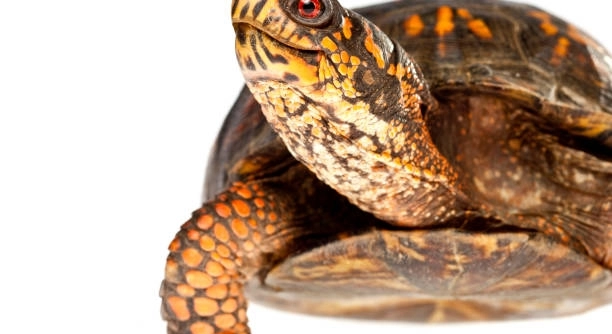
Your box turtle’s home is essential for its well-being. If it isn’t set up properly, it can affect your turtle’s health and happiness. Recognizing when your turtle’s enclosure needs an upgrade is key to keeping it comfortable.
A box turtle’s enclosure needs to be upgraded when it no longer provides the proper space, temperature, humidity, or safety. These factors play a crucial role in your turtle’s health. If neglected, it could lead to stress or illness.
Taking action now will ensure your turtle remains healthy and content. Proper care and attention to their living environment can go a long way in maintaining their well-being.
The Space May Be Too Small
Box turtles need room to roam, explore, and exercise. If their enclosure is too small, they can become stressed and inactive. A cramped space limits their ability to move freely and can impact their overall health. When setting up their home, consider the size of your turtle. As a general rule, the enclosure should be at least 4 times the length of your turtle. Providing a larger space allows your turtle to engage in more natural behaviors and prevents boredom.
A small enclosure restricts your turtle’s movement, causing it to become lethargic. Without enough room to roam, it can lead to health problems like obesity or muscle weakness. These issues arise when the turtle doesn’t get enough exercise, which is essential for its physical and mental well-being. If the enclosure seems too small, it’s time to upgrade.
Larger enclosures also provide more opportunities to create a natural environment. You can add areas for basking, digging, and hiding, which are important for your turtle’s mental stimulation. The more space available, the more you can mimic the turtle’s natural habitat, which benefits its health and comfort.
Temperature and Humidity Issues
Temperature and humidity are vital for your turtle’s survival. If the conditions in the enclosure aren’t ideal, it can lead to health problems. Box turtles need a warm basking area with temperatures ranging from 85 to 95 degrees Fahrenheit. The cooler side of the enclosure should stay around 70 degrees. Without this balance, your turtle may not be able to regulate its body temperature.
Humidity is another important factor. Box turtles require a humid environment, with levels around 60 to 80 percent. If the humidity is too low, it can lead to dehydration and skin issues. On the other hand, excessive humidity can create conditions that encourage the growth of mold or bacteria. It’s essential to monitor these factors regularly to ensure your turtle stays healthy.
If you notice your turtle showing signs of illness, such as lethargy or dry, cracked skin, it might be time to upgrade its enclosure to one that better maintains the right temperature and humidity levels. Keep a thermometer and hygrometer inside to help maintain consistent conditions, ensuring your turtle remains comfortable and healthy in its environment.
Lack of Proper Lighting
If your turtle’s enclosure doesn’t have proper lighting, it can impact its health. Box turtles need both UVB lighting for vitamin D3 production and heat to regulate their body temperature. Without proper light, your turtle may develop metabolic bone disease or other health issues.
UVB light is crucial for turtles as it helps them synthesize vitamin D3, which is essential for absorbing calcium. Without adequate UVB, your turtle could suffer from shell deformities or weakness in its bones. Furthermore, proper heat is necessary for digestion and overall energy. Without both, your turtle’s metabolism can be compromised.
To fix this issue, consider investing in a UVB bulb specifically designed for reptiles. Make sure it’s placed over the basking area to allow your turtle to get the right exposure. Regularly replace the bulb to ensure it provides effective lighting, as UVB bulbs lose their effectiveness over time. Without proper lighting, your turtle’s overall health could decline.
Inadequate Substrate
The substrate you use in your turtle’s enclosure plays a significant role in its comfort and health. If the bedding material is too rough or difficult to clean, it can cause stress. Box turtles need soft, natural materials that allow for burrowing.
A good substrate helps maintain proper humidity levels while also being comfortable for your turtle to dig and burrow in. Popular options include coconut fiber, organic soil, and mulch. These materials mimic your turtle’s natural environment and promote its well-being. Avoid using sand or gravel, which can lead to impaction if ingested.
Choosing the right substrate will improve your turtle’s living conditions. A clean, well-maintained substrate ensures your turtle feels safe and comfortable. It’s important to clean the substrate regularly to avoid bacteria build-up that could lead to health problems. Regularly replacing the bedding ensures a healthy, clean environment for your turtle.
Poor Ventilation
If your turtle’s enclosure lacks proper airflow, it can lead to an unhealthy environment. Stale air increases the risk of mold growth and can affect your turtle’s respiratory health. Proper ventilation is needed to keep the enclosure fresh and safe.
Good ventilation helps control humidity and temperature levels, reducing the chance of bacterial growth. It also prevents the buildup of harmful gases, such as ammonia, which can harm your turtle. Consider adding vents or a mesh top to ensure air circulates properly. This simple upgrade can improve your turtle’s overall well-being.
Safety Hazards
A secure enclosure is crucial to keep your turtle safe. Without proper barriers, your turtle may escape or hurt itself. Sharp edges, unstable structures, or small spaces can pose serious risks.
Ensuring the enclosure is secure with no gaps will keep your turtle inside its safe environment. Check the enclosure regularly for any signs of wear and tear, including cracks or loose panels. If the setup feels unsafe or unstable, it’s time for an upgrade. A secure and safe home is essential for your turtle’s protection.
Lack of Hiding Spots
Turtles need places to hide and feel secure. A lack of hiding spots in the enclosure can cause your turtle to feel stressed and exposed. Provide areas where your turtle can retreat and relax. This helps them maintain a sense of safety and comfort in their home.
FAQ
How often should I clean my box turtle’s enclosure?
Cleaning the enclosure should be done regularly, at least once a week. Remove uneaten food, waste, and soiled bedding daily to keep the habitat clean. Doing so helps prevent bacterial growth, which could harm your turtle. A deep clean with water and non-toxic cleaners should be done every few weeks, ensuring all corners are disinfected.
What temperature should the enclosure be?
The temperature in the enclosure should have a warm basking area around 85-95°F (29-35°C) and a cooler side around 70°F (21°C). This range allows your turtle to regulate its body temperature by moving between the warm and cool areas. A thermometer should be used to monitor these conditions.
Do I need a UVB light for my box turtle?
Yes, UVB lighting is essential for your box turtle’s health. It helps them synthesize vitamin D3, which is necessary for proper calcium absorption. Without UVB light, your turtle can develop metabolic bone disease. A UVB bulb should be replaced every 6 months to ensure its effectiveness.
What kind of substrate is best for box turtles?
A good substrate for box turtles is a mix of organic soil, coconut fiber, or peat moss. These materials help maintain proper humidity and allow your turtle to dig and burrow. Avoid using sand or gravel as it can cause impaction if ingested.
How large should the enclosure be for my box turtle?
The enclosure should be at least four times the length of your turtle. A 40-gallon tank is the minimum size for one adult box turtle, but larger is better. Providing ample space allows for more natural behaviors and prevents your turtle from feeling cramped.
Can I use a regular aquarium for my box turtle?
While a regular aquarium can be used temporarily, it’s not ideal for long-term housing. Aquariums typically have poor ventilation and can trap moisture, which may lead to mold and bacteria growth. Consider a more suitable enclosure with better airflow and a secure lid to keep your turtle safe.
How often should I feed my box turtle?
Young box turtles need to be fed more often, about every day. As they mature, you can reduce feeding to every other day. Their diet should include a mix of vegetables, fruits, and protein sources such as insects or worms. Ensure that food is appropriately sized for your turtle’s age.
Should I provide water in the enclosure?
Yes, your box turtle should always have access to fresh water. It should be shallow enough for them to soak in without the risk of drowning. Turtles often drink and soak in water to help with digestion and hydration, so it’s essential to keep it clean and replace it regularly.
How do I know if my box turtle is stressed?
Signs of stress in box turtles include hiding more than usual, refusal to eat, or aggressive behavior. If your turtle is acting differently, check its enclosure for any changes in temperature, humidity, or environment. Stress can also occur if the turtle feels threatened or lacks proper hiding spots.
Can box turtles live together?
Box turtles are generally solitary creatures. It’s not recommended to keep more than one adult turtle in the same enclosure, as they may become territorial and aggressive toward each other. However, hatchlings and juveniles may tolerate each other for a short time. Always monitor them closely for any signs of stress or aggression.
How can I create a natural environment for my box turtle?
To create a more natural environment, add elements like rocks, logs, and plants to the enclosure. Ensure there are areas for your turtle to bask, hide, and dig. Consider adding a small water dish or shallow pool for soaking. Mimicking their natural habitat as closely as possible will reduce stress and promote well-being.
What should I do if my box turtle is not eating?
If your turtle isn’t eating, check the enclosure’s temperature, humidity, and lighting. A change in any of these factors can affect appetite. Ensure the diet is varied and appropriate for your turtle’s age. If the issue persists, consult a vet to rule out any health problems.
How long can a box turtle live in captivity?
Box turtles can live for a long time in captivity, with some reaching 50 years or more if properly cared for. Their lifespan depends on factors such as diet, enclosure conditions, and overall health. Proper maintenance of their living space will help them live a long and healthy life.
What is the best way to handle a box turtle?
Handle your box turtle gently and infrequently, as they can become stressed when handled too much. When picking them up, support their body evenly, ensuring they feel secure. Avoid holding them by the tail, as this can cause injury. Always wash your hands after handling to maintain hygiene.
Can I take my box turtle outside?
Yes, you can take your box turtle outside, but only in a controlled and safe environment. Ensure the area is secure, free from predators, and has proper shade and shelter. Avoid leaving your turtle outside unsupervised and always provide access to water and food.
What if my box turtle is digging a lot?
Box turtles dig to search for food, hide, or create a comfortable resting spot. If your turtle is digging excessively, it may be looking for a place to lay eggs or simply engaging in natural behavior. Ensure the substrate allows for easy digging and that the enclosure is large enough for such activities.
Final Thoughts
Maintaining a suitable enclosure for your box turtle is essential to its health and well-being. The right environment ensures your turtle has the space, security, and conditions it needs to thrive. Regularly checking the enclosure for any signs of damage, poor ventilation, or temperature imbalances will help prevent issues before they arise. It’s important to stay aware of your turtle’s behavior, as changes can signal that something is wrong with their habitat. A little effort can go a long way in providing a safe, comfortable space for your pet.
The process of upgrading your box turtle’s enclosure doesn’t need to be overwhelming. By making small changes, such as improving ventilation, ensuring proper lighting, and adding a variety of hiding spots, you can create a more natural and stress-free environment. The more attention you give to these details, the more your turtle will benefit. Remember that every turtle is unique, so take time to observe their needs and adjust the habitat accordingly. Keeping their space clean and well-maintained is also a crucial part of long-term care.
Ultimately, creating the right enclosure for your box turtle is about understanding its natural habits and replicating those conditions as closely as possible. Whether it’s ensuring proper humidity, providing plenty of room to roam, or offering a secure place to hide, the goal is to create a healthy space where your turtle can feel comfortable and safe. With the right adjustments, you’ll be able to watch your turtle grow and thrive, knowing you’ve provided a home that supports its needs.

Hello,
If you enjoy the content that we create, please consider saying a "Thank You!" by leaving a tip.
Every little bit helps us continue crafting quality advice that supports the health, happiness, and well-being of pets around the world, for pets of all shapes, sizes, and species.
We really appreciate the kindness and support that you show us!