
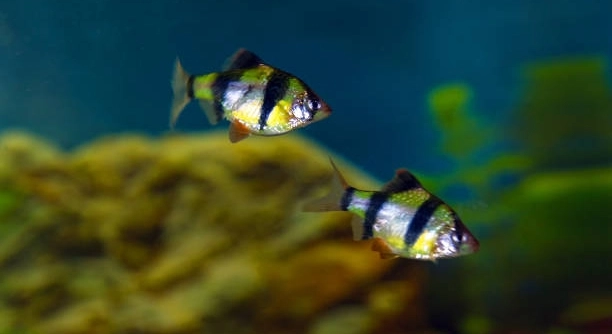
Many aquarium owners enjoy creating a beautiful, balanced environment for their fish and plants. Over time, the tank setup may no longer suit the needs of its inhabitants or may show signs of imbalance. Recognizing when to make changes can help maintain a healthy aquatic space.
Rearranging the tank is necessary when the environment no longer supports fish health, limits plant growth, or causes stress due to overcrowding or poor water flow. Making thoughtful adjustments can restore balance and improve overall tank conditions.
Knowing when to rearrange your tank helps keep your aquatic pets thriving and your setup looking its best. This article explains key signs to watch for and what to do next.
Uneven Plant Growth
When some plants in the tank grow faster or healthier than others, it can indicate a problem with light, nutrients, or water flow. Uneven growth may cause certain plants to overshadow others, leading to poor health in shaded areas. It can also result in an unbalanced look that affects the overall appeal of the tank. Overgrown plants might crowd swimming space, making fish uncomfortable. Rearranging plants can help distribute light and nutrients more evenly, giving every part of the tank a chance to thrive.
Fixing uneven plant growth often means trimming or relocating plants to spots with better light and flow.
Adjusting the layout encourages balanced growth and a healthier environment for both plants and fish. It also improves water circulation, which helps prevent dead zones where debris collects. Rearrangement supports a more natural, attractive tank that benefits every living thing inside.
Fish Behavior Changes
Fish may start acting differently if their environment is no longer suitable. They might hide more, show signs of stress, or become aggressive toward each other. These behaviors often signal that the current setup does not meet their needs. Overcrowding, lack of hiding spots, or poor water conditions can cause discomfort. Fish rely on their surroundings for safety and comfort, so changes in behavior should not be ignored.
Recognizing these changes is key to maintaining a peaceful tank.
Stress in fish can lead to illness and shortened lifespans. When fish appear restless or lethargic, it may be time to change the tank layout. Adding plants, rocks, or other decorations to create hiding places can reduce aggression and anxiety. Removing overcrowded decorations or rearranging them can improve swimming space and reduce conflict. Regular observation helps spot these issues early. By addressing behavioral signs promptly, you ensure your fish stay healthy and content in their environment.
Excess Algae Growth
Excess algae can quickly take over a tank, making it look messy and harming plants and fish. It often means the tank’s balance is off. Algae thrive with too much light, nutrients, or poor water flow, signaling it’s time to rearrange or clean.
Rearranging plants and decorations can improve water circulation and reduce algae growth. Removing or relocating items that block water flow helps keep nutrients evenly distributed, limiting algae buildup. Adding fast-growing plants may also compete with algae for nutrients, reducing its presence naturally. It’s important to balance light exposure, as too much light encourages algae, while too little harms plants.
Regular maintenance and layout changes work together to keep algae under control. A well-arranged tank prevents stagnant areas where algae tend to flourish, improving the tank’s health and appearance for everyone inside.
Uneven Substrate or Decorations
Uneven substrate or decorations create uncomfortable spots for fish and plants. Slopes or piles can trap debris or limit fish movement, leading to poor water quality and stress. Rearranging helps create a stable and balanced environment.
Leveling the substrate promotes better water flow and reduces dead zones where waste collects. It also helps plant roots anchor properly, supporting healthy growth. Decorations placed thoughtfully offer hiding places without overcrowding the tank. Fish swim more freely and feel secure with space to explore. Adjusting hardscape elements like rocks and wood can prevent shifting or collapsing, which might harm tank inhabitants. Rearranging the layout improves overall tank stability and cleanliness.
A balanced, even tank bottom creates a safer, more comfortable home for your fish and plants, encouraging natural behavior and better health.
Poor Water Circulation
Poor water circulation causes stagnant spots where debris and waste build up. This affects water quality and can harm fish and plants. Rearranging decorations and plants can improve flow and keep the tank healthier.
Strong, even circulation helps distribute oxygen and nutrients. It prevents dead zones and reduces algae growth. Adjusting the tank layout supports better filtration and a cleaner environment.
Overcrowded Tank
An overcrowded tank limits space for fish to swim and plants to grow. This leads to stress and poor health. Rearranging or removing some items creates more room for everyone.
Overcrowding can cause aggressive behavior and reduce water quality. Spacing out decorations and plants allows fish to establish territories and swim freely. A well-organized tank promotes a balanced, peaceful environment for all inhabitants.
Excess Waste Buildup
Excess waste collects in hard-to-reach areas, making the tank dirty and unsafe. Rearranging helps expose these spots for cleaning and improves tank hygiene.
FAQ
How often should I rearrange my tank?
Rearranging depends on your tank’s condition, but generally every few months is good to prevent problems. If you notice plant overgrowth, algae buildup, or fish stress, it may be time sooner. Regular observation helps decide when changes are needed to maintain balance and health.
Is it safe to move fish during rearranging?
Moving fish can stress them, so it’s best to minimize handling. Use a temporary container with tank water if needed, and rearrange quickly but carefully. Avoid moving plants or decorations too abruptly. Keeping fish calm helps reduce stress and health risks.
Will rearranging disturb the beneficial bacteria in my tank?
Beneficial bacteria live mainly on surfaces like substrate and decorations. Rearranging may disturb some bacteria, but if done carefully, the impact is small. Avoid deep cleaning or removing all substrate at once to keep bacteria healthy and maintain water quality.
What tools should I use to rearrange the tank?
Use clean, aquarium-safe tools like tweezers, plant scissors, and a gravel vacuum. Avoid using soaps or chemicals on tools. These tools help move plants, clean substrate, and adjust decorations without harming tank inhabitants.
How do I prevent algae after rearranging?
Control light duration and intensity, avoid overfeeding, and maintain good water flow. Adding fast-growing plants can compete with algae for nutrients. Regular water changes and proper filtration also keep algae growth under control.
Can I rearrange a planted tank without damaging the plants?
Yes, but be gentle. Trim long roots carefully and move plants slowly to avoid uprooting. Planting new areas might require extra care to secure roots. Rearranging helps improve light and nutrient access, supporting better plant health overall.
What should I do if my fish become stressed after rearranging?
Stress signs include hiding, erratic swimming, or loss of appetite. Keep the environment stable by maintaining water parameters and avoiding sudden changes. Provide hiding spots and reduce noise around the tank. Most fish recover quickly once they adjust.
How does rearranging improve water quality?
Rearranging enhances water flow, reducing dead zones where debris collects. It helps distribute oxygen and nutrients evenly, supporting beneficial bacteria. This creates a cleaner environment that prevents buildup of harmful substances and promotes fish and plant health.
Is it necessary to rearrange decorations often?
Not necessarily. Decorations can stay stable if they don’t block water flow or crowd fish. Rearrange only when they cause problems like stagnant water, stress, or limited swimming space. Thoughtful placement from the start reduces the need for frequent changes.
Can rearranging help with aggressive fish behavior?
Yes, providing more hiding places and open swimming areas can reduce stress and aggression. Rearranging can help fish establish territories and avoid constant conflict. A well-planned tank layout supports a peaceful community.
What is the best way to rearrange a tank without making a mess?
Plan the new layout before starting. Remove decorations one by one, clean if needed, and reposition them carefully. Avoid disturbing substrate too much to prevent cloudiness. Working slowly and patiently keeps the process smooth and less stressful for the tank.
How do I maintain balance after rearranging?
After rearranging, monitor water parameters closely for a few days. Keep up regular maintenance like water changes and filter cleaning. Watch fish and plant health, and adjust lighting or feeding if needed to support a stable environment.
Can rearranging help with plant health issues?
Yes, moving plants to better-lit areas or improving water flow around them can boost growth. Trimming damaged leaves and removing overcrowded plants improves overall tank health. Rearranging can solve many common plant problems by creating more suitable conditions.
Rearranging your tank is an important part of keeping a healthy and balanced aquatic environment. Over time, plants grow, fish behavior changes, and decorations may shift, making the original setup less suitable. Taking the time to adjust the layout can improve water flow, reduce algae growth, and create better spaces for your fish to swim and hide. Even small changes can make a big difference in the tank’s overall health. Regularly assessing your setup helps catch problems early and keeps your tank looking its best.
It is normal to feel cautious about moving things around, especially when you have delicate plants and fish inside. However, careful rearranging done with proper tools and gentle handling can minimize stress to your tank’s inhabitants. It is a good idea to observe how your fish and plants respond after changes. Some adjustment time is normal, but if you notice signs of stress or poor health, you can make further changes or slow down the process. Keeping water quality stable by monitoring parameters and maintaining filtration supports a smooth transition.
Remember, every tank is unique, and what works for one setup may not be the best for another. Paying attention to signs like uneven plant growth, algae buildup, or fish behavior will guide you in deciding when and how to rearrange. The goal is to create a space that supports all life inside, balancing beauty and function. With patience and care, rearranging can be a helpful way to maintain a thriving aquatic environment that you and your fish can enjoy for a long time.

Hello,
If you enjoy the content that we create, please consider saying a "Thank You!" by leaving a tip.
Every little bit helps us continue crafting quality advice that supports the health, happiness, and well-being of pets around the world, for pets of all shapes, sizes, and species.
We really appreciate the kindness and support that you show us!