
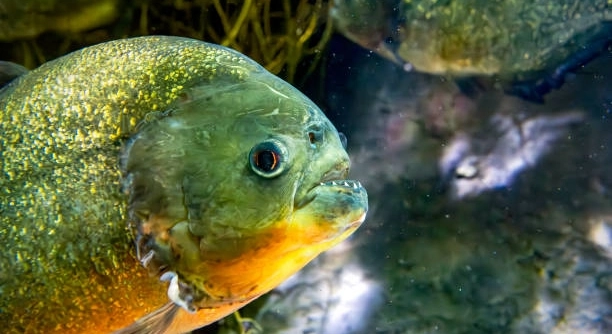
Tank lighting plays a vital role in maintaining a healthy environment for piranhas. Too much brightness can cause stress and affect their natural behavior. Recognizing the signs of excessive light helps keep these fish comfortable and thriving in captivity.
Excessive tank brightness can disrupt piranhas’ natural rhythms, causing stress, reduced activity, and abnormal behavior. Proper lighting should mimic their natural habitat, ensuring their well-being and promoting normal physiological functions critical for survival.
Knowing these signs can improve your piranhas’ quality of life and prevent issues caused by unsuitable lighting conditions in your aquarium.
Brightness Impact on Piranha Behavior
Too much light in a piranha tank can make the fish behave differently than usual. They may become less active, hiding more often or showing signs of stress. Bright light disrupts their natural day-night cycle, which is important for feeding and resting. When the tank is too bright, piranhas might lose their appetite or show aggressive behavior that is unusual. These changes happen because piranhas are used to dimmer, shaded environments in the wild. Adjusting the lighting to a softer, more natural level can help calm them and encourage normal activity. It’s important to observe your fish regularly to spot any behavioral changes early, so you can make necessary adjustments before the situation worsens.
Consistent dim lighting supports the piranhas’ natural habits and reduces stress-related behavior in the aquarium.
Watching your piranhas adapt to better lighting is rewarding. It creates a healthier environment that reflects their natural needs, promoting a calmer tank atmosphere and better fish health overall.
Signs of Stress Due to Excessive Light
When piranhas are stressed by too much light, they may stay close to tank decorations or plants for shelter. Their color can fade, and they might breathe faster. These signs indicate discomfort and should not be ignored.
Stress caused by bright light can weaken the immune system of piranhas, making them more vulnerable to illness. Over time, constant exposure to harsh lighting can reduce their lifespan and affect reproduction. Adjusting the lighting schedule to mimic natural day and night cycles is essential. Using timers and dimmable lights helps control the intensity and duration of light exposure. Avoid placing tanks near windows or direct sunlight, as this can increase brightness and temperature. Paying close attention to these factors allows you to create a stable environment where piranhas can thrive. Regular monitoring of their behavior and appearance is necessary to maintain optimal tank conditions and ensure their well-being.
Effects on Piranha Feeding Habits
Too much light can cause piranhas to eat less or stop eating altogether. Stress from bright conditions makes them nervous and less interested in food.
When piranhas feel stressed due to excessive light, their appetite decreases significantly. This can lead to poor health and slower growth, as they do not get enough nutrients. Bright tanks may cause them to hide instead of coming out to feed, which disrupts their regular feeding patterns. This change also makes it difficult to monitor their eating habits and overall well-being. Adjusting the light to a softer, more natural level often restores their appetite and encourages normal feeding behavior, which is essential for their health.
Consistent feeding is critical for piranhas’ strength and vitality. Maintaining appropriate lighting helps create a calm environment that promotes regular eating and supports their long-term health.
How to Adjust Tank Lighting Properly
Use a timer to regulate the lighting schedule, ensuring the tank is lit for 8 to 10 hours daily. This mimics their natural environment and helps reduce stress.
Selecting adjustable LED lights allows control over brightness, making it easier to find the right level for your piranhas. Avoid placing the tank near windows or direct sunlight to prevent excessive light exposure. Adding floating plants or decorations can create shaded areas, offering fish places to retreat when the light feels too strong. Regularly observe your piranhas’ behavior and adjust the lighting if signs of stress appear. Keeping the light consistent each day helps maintain a stable environment, supporting your fish’s health and comfort.
Identifying Unusual Hiding Behavior
Piranhas hiding more than usual can indicate the tank is too bright. They seek shaded areas to avoid constant exposure to strong light.
This behavior is a clear sign of discomfort. If hiding becomes frequent, it is important to adjust lighting to prevent ongoing stress and promote normal activity.
Color Fading as a Warning Sign
Color fading in piranhas often results from prolonged exposure to bright light. Their natural coloration dulls when stressed.
Maintaining proper lighting levels helps preserve their vibrant colors and overall health. Reducing brightness supports their well-being and natural appearance.
Importance of Consistent Monitoring
Regularly watching your piranhas’ behavior helps detect early signs of stress. Quick action can prevent serious health problems caused by improper lighting.
FAQ
How bright should the light be for a piranha tank?
The ideal brightness for a piranha tank is low to moderate, roughly 0.5 to 1 watt per gallon if using standard lighting. The goal is to mimic their natural shaded environment, so avoid strong, direct light. Soft LED lights with adjustable brightness settings work well for maintaining a calm habitat.
Can too little light harm piranhas?
While piranhas prefer dimmer environments, too little light can also cause problems. Without enough light, plants inside the tank may not grow properly, and monitoring the fish’s health becomes difficult. It’s important to strike a balance by providing enough light for visibility but not so much that it stresses the fish.
How long should the tank lights stay on daily?
A lighting schedule of 8 to 10 hours per day is recommended. This imitates the natural day-night cycle and helps regulate the fish’s internal rhythms. Using a timer ensures consistent light periods, reducing stress caused by sudden or irregular changes.
What are signs that lighting is stressing my piranhas?
Common signs include increased hiding, color fading, loss of appetite, and erratic swimming. Piranhas may also show signs of aggression or lethargy. These behaviors suggest the tank lighting is too intense or improperly timed.
Is natural sunlight suitable for piranha tanks?
Direct natural sunlight is generally not suitable because it can cause temperature spikes and increase light intensity beyond comfortable levels. It also promotes algae growth, which can harm water quality. Position tanks away from windows or use curtains to control sunlight exposure.
Can tank decorations help with lighting issues?
Yes, decorations like plants, driftwood, or rocks create shaded spots where piranhas can retreat when lighting feels too strong. This helps reduce stress and provides hiding places that mimic their natural habitat. Live plants can also improve water quality and offer shelter.
What type of bulbs are best for piranha tanks?
LED bulbs with adjustable brightness and color temperature are best. They use less energy, produce less heat, and allow fine control over light intensity. Avoid overly bright or white bulbs that create a harsh environment. Soft, warm tones better replicate natural conditions.
How often should I check tank lighting?
Lighting should be checked regularly, at least once a week, to ensure it is functioning properly and not too bright. Observing your fish daily for behavioral changes is equally important. If you notice stress signs, reassess the lighting setup immediately.
Will adjusting the light fix health issues in stressed piranhas?
Reducing excessive lighting can alleviate stress-related behaviors and improve appetite, which may help recover health. However, if the fish are severely affected, other factors like water quality and diet should also be addressed. Lighting is just one part of maintaining overall health.
Are timers necessary for piranha tank lights?
Timers are highly recommended because they create a consistent lighting schedule. Consistency helps piranhas maintain natural rhythms, reducing stress. Manual control can lead to irregular light periods, confusing the fish and negatively impacting their behavior.
How can I test if the tank is too bright?
Observe your piranhas closely. If they spend most of their time hiding, avoid feeding, or their colors dull, the lighting is likely too bright. You can also measure light intensity with a lux meter to compare against recommended levels. Adjust lighting gradually and monitor changes.
Can I use a night light or moonlight setting?
Using a dim “moonlight” or blue LED setting during nighttime hours is beneficial. It simulates natural low-light conditions and allows observation without disturbing the fish. This gentle light helps maintain their circadian rhythm and reduces sudden stress from complete darkness to bright light.
What should I do if I cannot control natural light exposure?
If natural light cannot be controlled, use blackout curtains or blinds to reduce intensity during the day. Positioning the tank away from windows or using tinted glass can also help. Adding plants or decorations inside the tank will provide necessary shade for the fish to retreat.
Does water clarity affect how bright the tank feels to piranhas?
Yes, clearer water allows more light to pass through, increasing perceived brightness. If water is very clear and light is intense, consider reducing light intensity or adding more decorations to create shaded areas. Turbid water may reduce light but can indicate poor water quality, which should be addressed.
Can excessive light cause algae problems?
High light levels promote algae growth, which can quickly take over a tank. Algae reduces oxygen at night and can affect water quality, stressing piranhas. Managing light intensity and duration helps control algae. Regular cleaning and proper filtration are also important to keep algae under control.
Final Thoughts
Proper lighting plays a crucial role in maintaining a healthy environment for piranhas. Too much brightness can cause stress and change their behavior, while too little light may affect the overall balance of the tank. Striking the right balance helps piranhas stay comfortable and active. It also supports their natural coloration and feeding habits, which are important for their well-being. Adjusting the light according to their needs is a simple but effective way to improve the quality of life for these fish.
Consistent monitoring of your piranhas’ behavior is essential to ensure the lighting is appropriate. Paying attention to signs like hiding, color fading, or loss of appetite allows for early adjustments. Using timers and adjustable lighting systems can make managing the tank light easier and more reliable. Providing shaded areas inside the tank with plants or decorations helps piranhas feel secure. These small steps contribute significantly to creating a stable, stress-free habitat.
Overall, managing the lighting in a piranha tank is about creating conditions similar to their natural environment. Avoiding sudden changes and excessive brightness supports their health and behavior. Taking time to observe and adapt the lighting setup benefits both the fish and the keeper. A well-lit, comfortable tank encourages natural activity and promotes long-term care success. Proper lighting is a key factor in maintaining happy, healthy piranhas.

Hello,
If you enjoy the content that we create, please consider saying a "Thank You!" by leaving a tip.
Every little bit helps us continue crafting quality advice that supports the health, happiness, and well-being of pets around the world, for pets of all shapes, sizes, and species.
We really appreciate the kindness and support that you show us!