
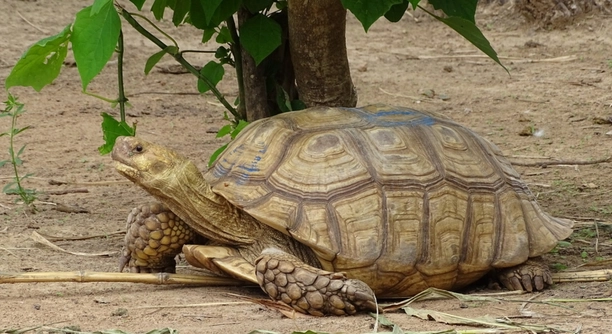
A healthy sulcata tortoise can bring joy to any pet owner. Understanding the signs of a well-being tortoise is key to keeping them comfortable and safe. Here’s what you should know about your tortoise’s health.
The healthiest sulcata tortoises display clear signs of activity, proper shell growth, and consistent feeding habits. Their eyes should be bright, and their behavior active, avoiding lethargy or lack of appetite, indicating optimal health levels.
Learn what you can do to ensure your sulcata tortoise remains in top condition.
Bright, Clear Eyes
A sulcata tortoise’s eyes should be bright and clear. Healthy eyes are a good indication of your tortoise’s overall health. If you notice that their eyes appear cloudy, sunken, or have excessive discharge, it could signal an underlying problem. This might indicate dehydration, an infection, or even vitamin deficiencies. It’s important to regularly check their eyes for any signs of concern. If you catch an issue early, it’s easier to address and treat.
When the eyes are healthy, the tortoise will appear more active and responsive to its surroundings.
To maintain healthy eyes, ensure your tortoise has access to clean, fresh water and proper lighting. UVB lighting is particularly important for their overall well-being. In addition, avoid environments with excessive humidity or dust, which can irritate their eyes and lead to infections. Regular vet check-ups are essential for catching any issues before they worsen.
Healthy Appetite and Eating Habits
A sulcata tortoise that eats well is a sign of good health. A consistent appetite shows that they are in a comfortable and thriving environment.
Healthy eating habits include a varied diet of leafy greens, hay, and occasional fruits. Monitor their eating patterns closely, as sudden changes can signal issues like gastrointestinal problems or stress. Pay attention to the portion sizes; overfeeding can lead to obesity, while underfeeding can cause malnutrition. A balanced diet ensures they get the right nutrients, supporting their energy levels and overall well-being.
Tortoises that are well-fed will typically show healthy growth, and their shells will remain strong and properly shaped. A healthy appetite is one of the easiest ways to assess their health.
Active Behavior and Movement
Active tortoises are generally healthy. If your sulcata is moving around its enclosure, exploring, and engaging with its surroundings, it’s a good sign. Lack of movement, especially when combined with other symptoms, could indicate discomfort or illness.
A healthy tortoise will roam, forage for food, and even interact with you. Their movement should be smooth and steady. When they begin to move more slowly or appear lethargic, it’s important to evaluate their habitat conditions, such as temperature and humidity. These factors can affect their energy levels, so ensure the environment is stable.
If you notice your tortoise showing signs of inactivity, such as staying in one spot or being unresponsive, it might be a sign of something more serious. Stress, improper diet, or even infection can lead to a lack of movement. A sudden drop in activity should not be ignored.
Proper Shell Condition
A healthy sulcata tortoise will have a smooth, hard shell with no signs of injury or deformities. The shell should appear firm and strong, without soft spots or cracks. A damaged shell can lead to severe health issues if not addressed quickly.
Ensure the tortoise’s shell is not discolored, as it could indicate issues such as fungal infections or other conditions. Regularly check for any changes in shape or texture. A healthy shell will also be evenly colored, without any patches of dryness or flaking.
Providing the right conditions, like UVB lighting and calcium supplementation, helps maintain the health of their shell. If you observe any irregularities, a vet visit is crucial to prevent further damage. Healthy shell growth is key to their overall health.
Normal Breathing and Clear Nostrils
A healthy sulcata tortoise will breathe steadily and without any noticeable effort. The breathing should be quiet, and their nostrils should be clear of any mucus or discharge.
If their breathing seems labored or if there is any nasal discharge, it could indicate respiratory issues or infection. Make sure their environment isn’t too cold or damp, as this can contribute to respiratory problems. Proper heating and ventilation are crucial for their health.
Regular Digestion and Healthy Waste
A healthy tortoise will produce waste regularly, which is a sign of a properly functioning digestive system. The droppings should be firm and dark in color.
Loose stool, undigested food, or no waste at all can indicate digestive issues. Ensure your tortoise is eating a balanced diet, with enough fiber to support their digestion. If their waste changes in consistency or frequency, it’s important to monitor them for other signs of illness, such as loss of appetite or lethargy.
FAQ
What should I do if my sulcata tortoise is not eating?
If your tortoise refuses food, check the temperature of its environment first. If it’s too cold, the tortoise might not feel hungry. Tortoises are cold-blooded, and they rely on external temperatures to regulate their body functions. Ensure their habitat is kept at the right temperature with both a warm basking area and a cooler zone. Stress, a change in diet, or an underlying health issue could also affect their appetite. Keep an eye on their behavior for any signs of illness and consult a vet if the loss of appetite persists.
How often should I bathe my sulcata tortoise?
Bathing your sulcata tortoise once a week is usually sufficient. Tortoises need regular baths to stay hydrated and clean, especially if they’re not drinking enough water. Place your tortoise in a shallow bath of lukewarm water for about 15-20 minutes. This helps hydrate them and also aids in keeping their shells clean. You can do this more often if needed, especially in dry environments where dehydration is more of a concern. Be sure to dry them off thoroughly after the bath.
Why is my sulcata tortoise’s shell soft?
A soft shell could indicate a calcium deficiency or improper lighting. Sulcata tortoises require UVB light for calcium absorption, which is necessary for strong shell growth. Without adequate UVB exposure, they can develop metabolic bone disease, leading to a soft shell. Providing proper lighting and supplementing their diet with calcium can prevent this. If you notice any unusual softness or deformities, it’s important to visit a vet for further evaluation and treatment.
How can I tell if my sulcata tortoise is stressed?
Stress in sulcata tortoises is often caused by environmental changes, incorrect temperatures, or handling. If your tortoise is hiding more than usual, becoming aggressive, or losing appetite, stress could be the reason. A stressed tortoise might also display irregular breathing or become lethargic. Reducing stress involves ensuring a stable, comfortable habitat with the right temperature, humidity, and lighting. Limiting handling and providing a secure, quiet space can also help your tortoise feel safe.
What temperature should my sulcata tortoise’s habitat be?
The ideal temperature for a sulcata tortoise is around 85-90°F during the day, with a basking area reaching 95-100°F. At night, the temperature can drop to around 70°F. Make sure the enclosure provides a gradient of temperatures so your tortoise can move between warmer and cooler areas. Providing the right heat and UVB lighting is crucial for their overall health. Too much heat can lead to dehydration, while too little can cause digestive issues and weaken the immune system.
Can I feed my sulcata tortoise fruits?
Sulcata tortoises should primarily eat grasses and leafy greens, with fruits being offered only occasionally. While fruits are high in sugars and can lead to digestive issues if fed too frequently, they can be given as a treat in moderation. Offer small amounts of fruit such as apples, strawberries, or melons. Too much fruit can upset their digestive system, so always focus on a high-fiber, low-fat diet with grasses and leaves as the main food source.
How long do sulcata tortoises live?
Sulcata tortoises are known for their impressive lifespan, often living 50 years or more in captivity if provided proper care. Some have even been known to live over 100 years. To ensure they live a long, healthy life, it’s important to provide them with a balanced diet, proper lighting, and a spacious, secure habitat. Regular veterinary care also plays a role in maintaining their well-being throughout their long life.
Is it necessary to provide a sulcata tortoise with a companion?
Sulcata tortoises can live alone and do not necessarily need a companion. They are solitary creatures in the wild, and keeping them as solo pets is generally fine. However, if you choose to house more than one, make sure there’s enough space to avoid territorial issues. Monitor them closely for signs of aggression, and ensure there is plenty of food and water for each tortoise. Overcrowding can lead to stress and fights.
What should I do if my sulcata tortoise has swollen eyes?
Swollen eyes could be a sign of an infection, dehydration, or other health issues. Make sure your tortoise has access to clean, fresh water and proper UVB lighting. If the swelling persists or is accompanied by discharge, it’s important to take your tortoise to the vet for diagnosis and treatment. Infections can worsen quickly, so early intervention is key to preventing further complications. Avoid using any over-the-counter eye treatments unless directed by a professional.
Final Thoughts
Taking care of a sulcata tortoise requires attention to their basic needs, like proper temperature, diet, and a safe, clean environment. Regularly check for signs of health, such as a clear appetite, active behavior, and a strong, well-maintained shell. Observing these behaviors can help you catch any issues early, preventing serious health problems down the road. With the right care, these tortoises can live for many decades, becoming a long-term companion. Keeping them comfortable and healthy is key to their happiness and well-being.
It’s also essential to remember that every tortoise is unique. While there are general signs of health to look for, each sulcata tortoise may have different habits or quirks. It’s important to get to know your tortoise’s behavior and preferences. If you notice anything out of the ordinary, don’t hesitate to reach out to a vet. Early detection and treatment of health issues can make a big difference in your tortoise’s quality of life. Keeping their living conditions stable and stress-free will also ensure they stay healthy.
Finally, a sulcata tortoise is a commitment, and taking care of them is a rewarding experience. They may need extra space, time, and patience, but the effort pays off. By following the steps outlined in this guide, you can ensure that your sulcata tortoise remains healthy for years to come. Regular checkups, a proper diet, and the right habitat will help you provide the best life possible for your tortoise, and they’ll reward you with their calm, steady presence.

Hello,
If you enjoy the content that we create, please consider saying a "Thank You!" by leaving a tip.
Every little bit helps us continue crafting quality advice that supports the health, happiness, and well-being of pets around the world, for pets of all shapes, sizes, and species.
We really appreciate the kindness and support that you show us!