
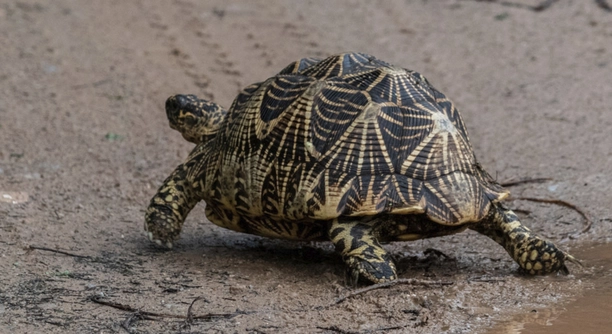
Your star tortoise’s enclosure plays a significant role in its well-being. If you notice any changes in its behavior or activity, it could mean that the space is becoming too small for it.
A star tortoise requires a larger enclosure if it begins to show signs of stress, decreased mobility, or unusual behavior. A cramped environment can limit its natural activities, causing discomfort and potential health problems.
Knowing when to upgrade your tortoise’s living space is key to ensuring its happiness and health. We will explain some key signs to help guide you.
1. Star Tortoise Isn’t Moving Around Much
If your star tortoise is spending too much time in one spot, it could mean its enclosure isn’t big enough. A small habitat restricts movement, leading to a lack of exercise and potentially, weight gain. Tortoises need room to roam and explore, so if you notice your pet is not as active, it might be time for a bigger space.
A smaller enclosure can make your star tortoise feel boxed in, causing it to remain sedentary. This lack of movement can cause its muscles to weaken and slow down its overall growth. A larger habitat provides a more natural environment, encouraging your tortoise to move around more.
You’ll notice that a tortoise with room to explore behaves differently. It will begin to engage with its surroundings, walking more frequently and even grazing on plants. This kind of natural activity is essential for a star tortoise’s health. If it’s not moving enough, consider upgrading the enclosure to give it a better, healthier life.
2. It’s Spending Too Much Time in One Corner
A star tortoise confined to a small space may begin to show signs of stress by constantly retreating to the same corner. This behavior can be a sign that the habitat is too small for your tortoise’s needs. When they feel crowded, tortoises look for secluded spots to hide.
Staying in one corner for long periods could mean your tortoise is seeking refuge from the lack of space. A larger enclosure offers more variety and places to explore, making your pet feel more at ease and less confined. Expanding its space will reduce this anxiety and promote healthier activity.
3. Your Star Tortoise Is Eating Less
If your star tortoise isn’t eating as much as it usually does, it might be due to limited space. A cramped enclosure can affect its appetite. When there’s not enough room to move around and forage, your tortoise may not feel comfortable enough to eat regularly.
A larger space allows your tortoise to engage in more natural behaviors, including foraging for food. This can stimulate its appetite and encourage it to eat more regularly. In addition, a bigger enclosure can help prevent the stress that comes from being in a small, confined area. This will lead to a healthier appetite and overall better digestion.
When your star tortoise has room to roam and eat freely, it can enjoy a more balanced diet. The extra space lets you offer a variety of food, helping your tortoise stay healthy. If your pet isn’t eating, expanding its habitat can solve the problem and help restore its eating habits.
4. Increased Hiding Behavior
If you notice that your star tortoise is hiding more often, it could be trying to escape the stress of a cramped living space. Tortoises tend to retreat to hide when they feel threatened or uncomfortable. In a small enclosure, there’s not much they can do to get away from their surroundings.
A larger enclosure gives your star tortoise the freedom to find a comfortable space where it feels safe and secure. It can move around more, explore different areas, and even find a hiding spot that feels more private. The variety in a bigger enclosure can make your tortoise feel more at ease and reduce the urge to hide.
By providing more space, your tortoise can better manage its environment. With multiple hiding spots and more room for exploration, it will have the chance to engage in natural behaviors. This kind of environment will encourage a healthier, more balanced lifestyle for your pet.
5. The Enclosure Is Getting Too Dirty Too Quickly
If you find yourself cleaning your star tortoise’s enclosure more often than usual, it may be because the space is too small. A small habitat doesn’t allow for proper waste management, which can lead to it becoming dirty more quickly.
A larger space will help in managing waste better. With more room to move around, the tortoise is less likely to create a concentrated mess in one area. The increased space helps distribute waste and makes it easier to maintain cleanliness. You’ll notice a cleaner, healthier environment for your pet.
6. Your Star Tortoise Is Showing Aggressive Behavior
Aggression in a star tortoise often stems from stress, and a cramped living space can contribute to this. If your tortoise is suddenly being more aggressive, it could be a sign that it feels overcrowded. More space can reduce territorial behavior and stress.
Providing a larger enclosure can help reduce these behaviors. When there’s room to roam and establish its territory, the tortoise feels less threatened and more relaxed. The extra space can lead to a calmer, happier tortoise who isn’t constantly on edge. A bigger enclosure encourages natural behaviors that reduce aggression.
FAQ
How big should a star tortoise enclosure be?
The minimum size for a star tortoise enclosure should be at least 40 gallons for a small tortoise, but this can vary depending on its age and size. For adult star tortoises, aim for an enclosure that’s at least 8 feet long and 4 feet wide. Larger enclosures are always better as they allow for more freedom of movement, which is essential for your tortoise’s health.
Can a star tortoise live in a smaller enclosure for a short time?
Yes, a star tortoise can live in a smaller space temporarily. However, it’s important to move them into a larger space as soon as possible. Prolonged confinement in a small area can lead to stress, health issues, and poor growth. A small enclosure might be necessary for very young tortoises, but they should be moved to a bigger space as they grow.
What happens if a star tortoise doesn’t have enough space?
If a star tortoise is kept in too small of an enclosure, it can lead to several health problems, such as stunted growth, stress, and a lack of physical activity. Star tortoises require space to roam, forage, and explore, which is crucial for their physical and mental well-being. Without enough space, they may develop poor muscle tone, digestive problems, and a weakened immune system.
How often should I upgrade my star tortoise’s enclosure?
You should upgrade your star tortoise’s enclosure as it grows. If it has outgrown its current space, it’s time to provide a larger one. Typically, star tortoises grow quickly during their early years, so you might need to upgrade every 1-2 years. Regularly assess their size and behavior to determine when it’s time for a change.
Can I keep multiple star tortoises together in the same enclosure?
While it’s possible to keep multiple star tortoises together, it depends on the size of the enclosure and the tortoises’ individual personalities. A larger space is essential if you want to keep more than one. Overcrowding can cause stress, aggression, and competition for food. If you notice aggression or stress, separate the tortoises into different enclosures.
What should I include in a star tortoise enclosure?
A star tortoise enclosure should include substrate like coconut husk, hay, or soil that allows for burrowing. It should also have a shallow water dish for hydration, as well as areas for the tortoise to hide or rest. It’s essential to create areas with different temperatures, so the tortoise can thermoregulate. Provide some plants and rocks for stimulation and enrichment, encouraging natural behaviors.
How do I maintain the right humidity in the enclosure?
Maintaining the right humidity in a star tortoise’s enclosure is key to keeping your tortoise healthy. You can maintain humidity by using a substrate that holds moisture, misting the enclosure regularly, and ensuring there is a water dish that the tortoise can drink from. However, be careful not to make the enclosure too humid, as star tortoises come from dry, arid regions and need a balanced environment.
Can I keep a star tortoise outdoors?
Yes, you can keep a star tortoise outdoors, but it depends on the climate. Star tortoises thrive in warm temperatures and need a dry environment, so it’s important to ensure the area is safe from predators, and the temperature is suitable. If you live in an area with cold winters, it’s best to bring your tortoise indoors or have an outdoor enclosure with heat lamps to keep it warm.
What kind of food should I provide in the enclosure?
Star tortoises are herbivores and should be fed a variety of leafy greens, grasses, and weeds. You can offer dandelion greens, clover, hibiscus flowers, and other tortoise-safe plants. Avoid feeding them too much fruit, as it can cause digestive issues. Ensure that fresh water is always available, and be mindful of any supplements that might be necessary for proper nutrition.
How do I tell if my star tortoise is stressed?
Signs of stress in a star tortoise include hiding more frequently, reduced activity, loss of appetite, or aggression. A stressed tortoise may also display unusual behaviors, like pacing or trying to escape the enclosure. If you notice any of these signs, it may be an indication that the enclosure is too small or not providing the right environment.
Final Thoughts
Providing the right enclosure for your star tortoise is crucial to its health and well-being. If you notice any of the signs mentioned in this article, such as reduced movement, increased hiding, or changes in eating habits, it’s time to reconsider the size of its habitat. Tortoises, like all pets, need enough space to live comfortably and naturally. A larger enclosure can improve their physical health, reduce stress, and even encourage healthier behaviors like eating and exploring.
Upgrading the enclosure doesn’t just mean giving your tortoise more space. It also involves ensuring the environment is properly set up for their needs. A larger space allows for a better distribution of temperature and humidity, giving your star tortoise areas to bask in the warmth and hide when it feels cooler. This setup mimics the natural environment of the tortoise and allows it to express more natural behaviors. It’s not just about size; it’s also about providing variety in its surroundings for stimulation and comfort.
Lastly, always keep an eye on your star tortoise’s health and behavior. If your tortoise is acting differently than usual, or you notice that it seems stressed, don’t hesitate to assess its enclosure. A larger, properly designed space could be the solution to any issues. Taking these steps will not only help your star tortoise live a more active and comfortable life but will also strengthen the bond between you and your pet as it thrives in its new home.

Hello,
If you enjoy the content that we create, please consider saying a "Thank You!" by leaving a tip.
Every little bit helps us continue crafting quality advice that supports the health, happiness, and well-being of pets around the world, for pets of all shapes, sizes, and species.
We really appreciate the kindness and support that you show us!