
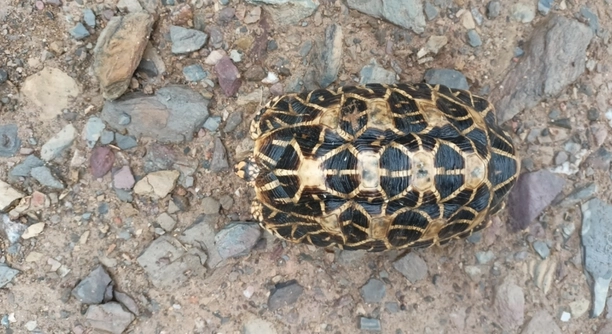
A healthy Star Tortoise requires UVB light for proper growth and overall well-being. Without it, they can face serious health issues. Understanding the signs of insufficient UVB exposure is crucial to keeping your tortoise healthy.
UVB light is essential for a Star Tortoise’s calcium metabolism and shell health. Without adequate exposure, they can develop metabolic bone disease, weakened shells, and other health issues. Ensuring proper UVB light is key to their well-being.
Addressing UVB deficiency can prevent long-term health problems for your tortoise. Understanding the signs is the first step in maintaining a healthy environment.
Why UVB is Important for Star Tortoises
UVB light plays a critical role in the health of your Star Tortoise. It helps them produce vitamin D3, which is essential for calcium absorption. Without UVB exposure, they cannot properly metabolize calcium, leading to soft shells, weak bones, and other health issues. Star Tortoises in captivity rely on artificial UVB lights, as natural sunlight may not always be accessible. Without this necessary exposure, their immune systems can weaken, making them more vulnerable to infections. Proper UVB lighting also supports the tortoise’s activity levels and digestion, contributing to their overall well-being.
UVB light should be placed at an appropriate distance from your tortoise’s habitat. Overexposure or insufficient exposure can have adverse effects, so it’s important to balance it accordingly.
A high-quality UVB light should be used consistently in their enclosure. The light should cover the entire space where the tortoise roams, ensuring that they get enough exposure during their daily routines. Replacing UVB bulbs regularly is also vital, as their effectiveness reduces over time, even if the bulb still appears to be functioning.
Recognizing Signs of UVB Deficiency
Increased lethargy is a common sign of UVB deficiency. When a tortoise lacks sufficient UVB exposure, it may not have the energy needed for normal activities.
Tortoises with UVB deficiency often become noticeably less active, spending extended periods in one spot. This lack of energy can lead to difficulty in eating and reduced interest in exploring their environment. Over time, if the problem persists, it can result in weakened muscles and bones. Keeping an eye on your tortoise’s behavior and activity is crucial for spotting these signs early. Regularly checking the UVB light levels in their habitat will help maintain their overall health.
Physical Signs of UVB Deficiency
A common physical sign of UVB deficiency in Star Tortoises is soft or deformed shells. The lack of UVB affects calcium absorption, leading to weakened shells.
When a tortoise doesn’t get enough UVB, its shell may become pliable or show signs of deformities. This happens because their bones and shell lack the calcium needed to stay strong. Over time, these deformities can worsen, causing severe health problems. Regular shell inspections can help catch these issues early, allowing you to adjust the UVB exposure before things worsen.
In addition to shell deformities, Star Tortoises with insufficient UVB may show signs of swollen limbs or soft, bendable bones. These are clear indications of metabolic bone disease, which is common in tortoises without proper UVB.
Behavioral Changes
When a tortoise isn’t getting enough UVB, they often become less active. A lack of energy and a preference for staying in one spot are key signs.
Tortoises rely on UVB for proper digestion and overall energy levels. Without it, they become sluggish and less interested in moving around or feeding. You may notice them spending more time hiding or not engaging in their usual exploration of their enclosure. This behavior can worsen as their condition deteriorates. Keeping track of activity levels can help you monitor if the problem persists or if the tortoise begins to show improvement with proper UVB exposure.
Behavioral changes can also include a lack of appetite. When a tortoise doesn’t get enough UVB, they may not feel motivated to eat, further affecting their health. It’s important to make sure they are active and eating well to prevent malnutrition.
Trouble Shedding
A lack of UVB light can cause your Star Tortoise to have difficulty shedding its scutes properly. This is a common sign of insufficient UVB exposure.
When UVB levels are too low, the tortoise’s ability to shed old scutes becomes impaired. The process of shedding is vital for healthy growth, and without adequate UVB, scutes can become stuck or shed unevenly. If this happens frequently, it’s crucial to assess the UVB lighting in the habitat.
Lack of Appetite
If your tortoise is not eating as much as usual, low UVB could be the reason. This issue is often linked to digestive problems caused by insufficient UVB light.
UVB helps with vitamin D3 production, which is essential for calcium absorption and proper digestion. Without it, your tortoise’s digestive system can slow down, leading to a loss of appetite. You may notice them showing little interest in food or refusing meals entirely. Regular UVB exposure is key to stimulating a healthy appetite and digestive system.
FAQ
How long should my Star Tortoise be exposed to UVB light each day?
A Star Tortoise should be exposed to UVB light for about 10 to 12 hours daily. This mimics natural sunlight cycles and supports their health. UVB exposure should be provided consistently every day. It’s important to avoid long periods of darkness as it may affect their calcium absorption and overall well-being. Setting a timer for the light is a simple way to maintain a regular schedule.
What type of UVB bulb should I use for my Star Tortoise?
The best UVB bulbs for Star Tortoises are those designed specifically for reptiles, such as fluorescent or mercury vapor bulbs. These types of bulbs emit the proper wavelength of UVB light necessary for vitamin D3 production. Be sure to choose a bulb with a UVB output of around 10% to 12%. Check the product details to ensure it matches the needs of your tortoise. Regularly replace the bulb as its UVB output weakens over time, even if it still lights up.
Can I use a regular light bulb instead of a UVB bulb for my tortoise?
No, regular light bulbs do not emit the necessary UVB radiation required for your Star Tortoise’s health. While regular bulbs can provide light and heat, they lack the UVB rays that support the production of vitamin D3 and calcium metabolism. It’s essential to use a UVB-specific bulb to ensure your tortoise gets the necessary exposure.
What is the best distance to place the UVB light from my tortoise?
The UVB light should be positioned about 12 to 18 inches above your tortoise’s basking spot. However, this distance can vary depending on the type of UVB bulb you use. Always refer to the manufacturer’s recommendations for the proper distance. If the light is too close, it could overexpose your tortoise, and if it’s too far, the UVB rays may be ineffective.
How do I know if my tortoise is getting enough UVB light?
Observe your tortoise’s activity and health. If they are lethargic, show signs of soft shells, or refuse food, these could be signs of insufficient UVB. You can also check the UVB output of your light using a UVB meter. Make sure the light is within the correct range and that the bulb is functioning properly. Regular monitoring will help ensure your tortoise receives the right amount of exposure.
Can I use natural sunlight instead of artificial UVB light for my tortoise?
Yes, natural sunlight can provide UVB light, but it’s not always reliable or consistent, especially if you live in areas with limited sunlight or during colder months. If you choose to use sunlight, make sure your tortoise has access to direct sunlight for 2-4 hours daily, and provide a safe outdoor area with proper temperature control. However, using a proper UVB bulb is generally safer and more consistent for maintaining your tortoise’s health.
How often should I replace the UVB bulb?
UVB bulbs should be replaced every 6 to 12 months, depending on the type and manufacturer. Even if the light is still functioning, the UVB output decreases over time. Using an old bulb can result in insufficient UVB exposure for your tortoise. If you notice changes in your tortoise’s behavior or health, it might be time to replace the bulb.
Can my tortoise get too much UVB light?
Yes, excessive UVB exposure can lead to overexposure, causing skin burns and other health issues. However, if you follow the manufacturer’s instructions for distance and exposure time, this should not be a concern. Make sure your tortoise has access to a shaded area in their enclosure where they can retreat from the light if necessary.
Is there a specific time of day when UVB light is most beneficial?
UVB light is beneficial throughout the day, but it is most effective when your tortoise is basking under the light. Basking usually happens in the morning or afternoon, so ensuring they have access to UVB during those times is essential. UVB light should mimic natural sunlight cycles to maintain a healthy routine.
What if my tortoise is showing signs of UVB deficiency?
If your Star Tortoise is showing signs of UVB deficiency, such as soft shells, lethargy, or difficulty eating, it’s important to address the lighting situation immediately. Check the UVB bulb’s strength and the distance between the bulb and your tortoise. If needed, replace the bulb and adjust the setup. You may also need to consult with a veterinarian for further guidance on treating any health issues.
Do I need a separate heat lamp if I’m using a UVB bulb?
Yes, a UVB bulb does not provide the necessary heat for your tortoise. You will need a separate heat lamp to create a basking area where your tortoise can regulate its body temperature. The heat lamp should provide temperatures between 85°F and 90°F in the basking area, which is crucial for digestion and overall health.
Can UVB light help with my tortoise’s shell growth?
UVB light plays a crucial role in shell growth by supporting calcium absorption, which is necessary for strong, healthy shells. Without adequate UVB exposure, a tortoise’s shell may grow unevenly or become soft. Regular exposure to UVB light helps ensure that their shell grows correctly and maintains strength.
Should I use a UVB light at night?
No, UVB light should only be used during the day to mimic natural sunlight. At night, your tortoise needs a period of darkness to rest. Continuous light exposure, even UVB, can disrupt their sleep cycle and overall health. A proper lighting schedule with day and night cycles is essential for your tortoise’s well-being.
Final Thoughts
Ensuring your Star Tortoise gets enough UVB light is essential for their health and well-being. UVB plays a key role in helping them produce vitamin D3, which is necessary for calcium absorption. Without proper UVB exposure, your tortoise may face health problems, such as shell deformities, weak bones, and digestive issues. Providing a consistent light schedule with the right type of UVB bulb is crucial. Regular checks on the setup can help prevent deficiencies and ensure that your tortoise is getting the light they need to thrive.
While UVB lighting is important, it’s also essential to pay attention to other aspects of your tortoise’s environment. Temperature control, a balanced diet, and appropriate humidity levels all play a part in your tortoise’s overall health. If any one of these factors is neglected, it could compound the effects of UVB deficiency. Offering a well-rounded habitat where your tortoise can feel secure and comfortable is just as important as providing the right light.
If you notice any signs of health issues or behavior changes in your Star Tortoise, don’t hesitate to make adjustments. Consider replacing the UVB bulb, adjusting the distance from the light source, or consulting a veterinarian for guidance. Maintaining proper UVB exposure is a simple yet essential step to ensuring that your tortoise remains healthy.

Hello,
If you enjoy the content that we create, please consider saying a "Thank You!" by leaving a tip.
Every little bit helps us continue crafting quality advice that supports the health, happiness, and well-being of pets around the world, for pets of all shapes, sizes, and species.
We really appreciate the kindness and support that you show us!