
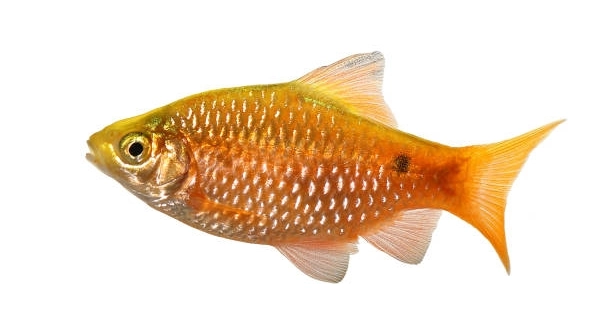
Are your rosy barbs showing subtle changes as time goes by? Many fish owners notice small shifts in behavior and appearance as their fish age. Recognizing these signs can help you provide better care for your pet.
Rosy barbs display several signs of aging, including slower swimming, faded coloration, less appetite, and reduced activity. These changes occur gradually and can indicate the natural progression of their lifespan and health.
Knowing these signs helps you support your fish’s well-being and enjoy their company for as long as possible. Keeping an eye on these changes makes a big difference in care.
Slower Swimming and Reduced Energy
As rosy barbs get older, you may notice their swimming becomes slower and less energetic. They no longer dart around the tank with the same speed or enthusiasm as when they were younger. This change happens because their muscles weaken, and their metabolism slows down. It’s normal for older fish to spend more time resting near the bottom or hiding among plants. You might also see them take longer to respond to external stimuli, like tapping on the tank or food being dropped in. This slower pace can be a sign that your rosy barb is aging and adjusting to its changing body. Even though it’s natural, you should keep an eye on them to make sure the slowdown isn’t caused by illness or poor water conditions.
Older rosy barbs need a calmer environment since their energy levels drop. Providing soft lighting and plenty of hiding spots can help them feel secure and comfortable.
Making sure the tank stays clean and feeding them smaller, more frequent meals can support their lower activity levels. Avoid stressing them with too much tank activity or rough tankmates, as older fish are more vulnerable. Adjusting your care routine to their needs will help your rosy barb age gracefully and enjoy their time in the aquarium.
Fading Coloration
Color fading is a common sign that a rosy barb is getting old. Their bright reds and pinks start to look dull and less vibrant. This happens because pigment cells in their skin decrease as they age. You might notice the rosy barb’s colors become pale or patchy, especially on the fins and body.
This fading does not always mean the fish is sick, but it can make the fish look less lively. Older rosy barbs may also lose their shiny scales, adding to a dull appearance. It’s important to check water quality regularly since poor conditions can worsen color loss. Feeding high-quality food rich in nutrients and natural pigments may help slow down the fading process. However, color changes mostly reflect the natural aging process.
Though the colors soften, older rosy barbs still have their own gentle charm. Observing this change helps you appreciate the fish’s life stages and care needs. Adjust your tank lighting and avoid bright, harsh lights to reduce stress on aging fish. Keeping the environment stable will also help maintain what color remains and keep your rosy barb comfortable in its later years.
Less Appetite
Aging rosy barbs often eat less than before. Their interest in food decreases, and they may take longer to come out and feed.
This reduced appetite is normal as their metabolism slows down. Older fish burn less energy, so they don’t need as much food. Sometimes, they might ignore their usual favorite treats or eat smaller portions. It’s important not to overfeed them during this time, as leftover food can pollute the tank and harm water quality. Offering a variety of softer, easy-to-digest foods can encourage them to eat more comfortably. Keeping an eye on their eating habits helps you notice if the change is just age-related or a sign of illness.
If your rosy barb’s appetite suddenly drops or stops completely, it could indicate health problems. In such cases, checking water parameters and consulting a vet or experienced aquarist is recommended. But gradual decline in eating is common in older fish and usually nothing to worry about. Patience and gentle care can support them through this stage.
Reduced Activity and Social Interaction
Older rosy barbs tend to become less active and interact less with their tank mates. They may stay in one spot or avoid group swimming, which is different from their usual behavior.
This change in activity is linked to their energy levels and comfort needs. Older fish may prefer quiet corners of the tank or places with shelter. Social behavior can decrease because they tire more quickly or feel vulnerable. Watching your fish’s social changes helps you adjust the environment to keep them comfortable. Providing more hiding places and reducing stress from aggressive tank mates can improve their well-being.
Though they may be less playful, older rosy barbs still enjoy gentle interactions and peaceful surroundings. Respecting their slower pace and giving them space is key. By observing these social shifts, you can help maintain a calm, safe home for your aging fish. Adjusting tank setup and care routines shows understanding and support for their changing needs.
Changes in Breathing Patterns
Older rosy barbs may show changes in their breathing. You might notice their gill movement slows or becomes more labored, especially after activity.
These breathing changes can indicate aging but could also signal water quality issues or illness. It’s important to monitor their environment closely and ensure good tank conditions.
Cloudy or Swollen Eyes
Cloudy or swollen eyes can appear as rosy barbs age. This condition may affect their vision and comfort, making it harder for them to find food.
If you see these symptoms, check water quality immediately. Sometimes eye issues result from infections or poor tank conditions rather than age alone.
Reduced Responsiveness
Older rosy barbs often react more slowly to stimuli, such as movements outside the tank or feeding time. Their delayed response reflects changes in nervous system function and energy.
This slower reaction is normal in aging fish but requires attention to overall health and comfort. Gentle care helps them feel safe despite reduced alertness.
Scale Deterioration
As rosy barbs get older, their scales can become rough, damaged, or fall off. This makes them more vulnerable to infections and injuries.
Maintaining clean water and avoiding aggressive tank mates helps protect aging fish with fragile scales.
How long do rosy barbs typically live?
Rosy barbs usually live between 5 to 7 years under good care. Their lifespan can vary depending on factors like tank conditions, diet, and genetics. With proper maintenance, some may even reach up to 8 years. Aging signs often become noticeable after the 4th or 5th year.
What are the most common signs that a rosy barb is aging?
Typical signs include slower swimming, faded colors, reduced appetite, less social interaction, and changes in breathing. Older fish might also show cloudy eyes, rough scales, and slower responses to stimuli. These changes happen gradually as part of the natural aging process.
Can I do anything to help my aging rosy barb feel better?
Yes, you can adjust their environment to be more comfortable. Keep the tank clean, provide plenty of hiding spots, and reduce bright lighting to lower stress. Feeding softer, high-quality foods in smaller portions helps support their digestion and appetite. Avoid aggressive tank mates that might cause stress.
Is faded coloration always a sign of poor health?
Not always. Faded colors can be a normal sign of aging. However, if the fading happens suddenly or is accompanied by other symptoms like lethargy or loss of appetite, it might indicate illness or poor water quality. Regular water testing and maintenance are important.
How can I tell if my rosy barb’s reduced activity is due to age or illness?
Age-related slow movement is gradual and steady, while illness usually causes sudden changes, often with other symptoms like erratic swimming, hiding, or rapid breathing. Monitoring your fish closely and testing water parameters can help identify the cause. When in doubt, consulting a vet or aquarist is recommended.
Should I change the diet of an aging rosy barb?
Yes. Older rosy barbs benefit from a diet that’s easier to digest and richer in nutrients. Soft foods like bloodworms, brine shrimp, or specially formulated flakes for senior fish can help. Feeding smaller, more frequent meals is better than large portions once or twice a day.
How important is water quality for aging rosy barbs?
Water quality is crucial at every stage but even more important as fish age. Poor water can stress older fish, weaken their immune system, and worsen health problems. Regular water changes, checking ammonia, nitrite, and nitrate levels, and using a good filtration system are essential.
Can older rosy barbs live alone, or do they need tank mates?
Rosy barbs are naturally social fish and usually prefer living in groups. However, older fish sometimes become less social and may isolate themselves. If this happens, make sure the tank environment is peaceful. If aggression from other fish causes stress, consider rearranging the tank or separating them.
Are there specific signs that indicate urgent health problems in older rosy barbs?
Yes. Signs like sudden loss of appetite, rapid or very slow breathing, severe lethargy, clamped fins, or visible wounds should be treated as urgent. These symptoms often mean illness or injury that requires prompt attention, either through water changes, medication, or professional advice.
What can I do to prevent premature aging in rosy barbs?
Providing a stable, clean environment, balanced nutrition, and low-stress conditions helps your fish stay healthy longer. Avoid overcrowding, maintain consistent water parameters, and watch for early signs of illness. Regular tank maintenance and good care routines are key to extending their lifespan.
Is it normal for an aging rosy barb to hide more often?
Yes, older rosy barbs may seek shelter more to feel safe and rest. Providing plenty of plants, caves, or decorations allows them to retreat when they need to. This behavior usually reflects comfort needs rather than illness, as long as they still come out to eat and swim occasionally.
How can I support my rosy barb’s immune system as it ages?
Good water quality and proper nutrition are the best ways to support immunity. Avoid sudden changes in environment or diet that can stress them. Adding natural supplements or immune-boosting foods, like spirulina or garlic flakes, can also help, but always introduce new items slowly.
When should I consider consulting a vet for my aging rosy barb?
If you notice severe or sudden changes like heavy breathing, open sores, swelling, or unresponsiveness, it’s best to seek advice. Vets or experienced aquarists can diagnose problems and recommend treatments that may not be obvious at home. Early intervention improves chances for recovery.
Can environmental changes help improve the quality of life for an old rosy barb?
Yes. Lowering water flow, adding more plants, and reducing tank brightness can make older fish more comfortable. Creating a calm environment reduces stress and supports their health. Small changes often have a big impact on their well-being during aging.
Is it okay for an older rosy barb to stop breeding?
It’s normal for aging fish to lose interest or ability to breed. Breeding requires extra energy and health, so older fish naturally slow down or stop reproducing. This is a sign of maturity, not necessarily a health issue.
How do I know if my rosy barb is in pain or discomfort as it ages?
Fish can show discomfort through unusual behaviors like rubbing against objects, erratic swimming, loss of balance, or hiding constantly. Watching your fish carefully helps you spot these signs early. If you suspect pain, improving tank conditions and consulting a professional is important.
Can I expect my rosy barb to remain active in old age?
Activity levels usually decline with age, but some older fish stay fairly active, especially with good care. They might not swim as fast or as far but can still enjoy exploring their tank. Supporting their health helps maintain their activity longer.
Is it normal for an aging rosy barb to lose weight?
Some weight loss is common due to slower metabolism and reduced appetite. However, sudden or severe weight loss is a concern and may indicate disease. Monitoring their body condition regularly helps catch problems early.
Are there any special tankmates recommended for older rosy barbs?
Peaceful and slow-moving fish are best companions for aging rosy barbs. Avoid aggressive or very active species that might stress or harm them. Choosing compatible tankmates helps keep the environment calm and safe for older fish.
Caring for an aging rosy barb requires patience and attention. As these fish grow older, they show many small changes in behavior, appearance, and health. Understanding these signs helps you adjust their care to keep them comfortable. It is natural for rosy barbs to swim slower, eat less, and have faded colors as they age. These changes are part of their life cycle and do not always mean something is wrong. However, keeping an eye on your fish and the tank conditions is important to prevent illness or stress.
Maintaining a clean and stable environment becomes even more crucial as your rosy barb ages. Older fish are more sensitive to water quality and stress from tank mates or bright lights. Providing plenty of hiding spots, reducing strong currents, and offering a balanced diet with softer foods will support their health. It’s also helpful to feed smaller meals more often to match their slower metabolism. Regular water changes and testing keep the tank safe and pleasant for your fish, helping them live a longer and more peaceful life.
While aging is a natural process, it does bring some challenges for your rosy barb. Being gentle and understanding their changing needs shows care and respect for their life stage. There is value in observing your fish closely, noticing the subtle signs that tell you how they feel. By making thoughtful adjustments to their care routine, you help your rosy barb age with dignity and comfort. This ongoing care allows you to enjoy their presence and the unique beauty they bring, even as they grow older.

Hello,
If you enjoy the content that we create, please consider saying a "Thank You!" by leaving a tip.
Every little bit helps us continue crafting quality advice that supports the health, happiness, and well-being of pets around the world, for pets of all shapes, sizes, and species.
We really appreciate the kindness and support that you show us!