
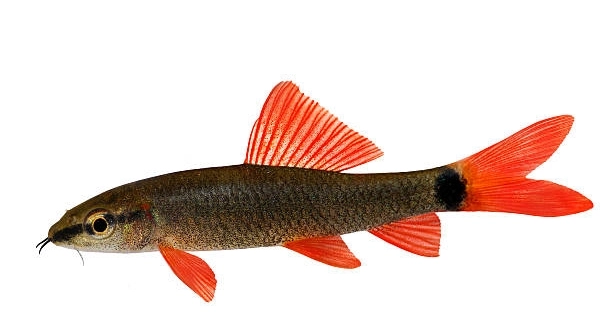
Rainbow sharks are popular freshwater fish known for their vibrant colors and active behavior. Many aquarium owners enjoy watching them swim and interact in their tanks. However, these fish require proper care and attention to stay healthy and happy.
Rainbow sharks often show signs of needing more care through changes in behavior, appetite, and physical appearance. Recognizing these signs early can help prevent illness and ensure their well-being. Regular observation is key to maintaining their health.
Knowing the signs that your rainbow shark needs more attention will help you keep your fish thriving and your aquarium balanced. This guide will help you spot these important clues.
Changes in Behavior
When your rainbow shark starts acting differently, it often means something is wrong. These fish usually swim actively and explore their tanks. If they become lethargic or hide more than usual, it could indicate stress or illness. Sometimes, they might stop competing for food or seem uninterested in their surroundings. Aggressive behavior toward tank mates can also be a sign of discomfort. Changes like swimming near the water surface or gasping for air suggest water quality problems. It’s important to watch your rainbow shark’s daily actions because these changes often come before visible health issues. Keeping a close eye on behavior helps you react early and keep your fish healthy.
A sudden shift in behavior is a key indicator your rainbow shark needs more care.
Noticing these changes early can save your fish from serious health problems. Behavioral shifts often point to issues such as poor water conditions, infections, or stress from other fish. Monitoring how your rainbow shark interacts with its environment helps you catch problems before they worsen. Adjusting tank maintenance or diet can quickly improve your fish’s mood and health. Consistent observation is the best way to ensure your rainbow shark stays lively and comfortable in its home.
Loss of Appetite
A decrease in appetite is a clear sign your rainbow shark might be struggling. When they eat less or refuse food, it usually means they are unwell or stressed. Poor water quality, illness, or improper tank mates can cause this. Sometimes, the type or quality of food offered may not appeal to them. It’s important to offer a varied diet including sinking pellets, vegetables, and occasional protein treats. If appetite loss lasts more than a day or two, it’s best to check water parameters and look for signs of disease. Timely action helps prevent further health decline and supports recovery. Maintaining a healthy feeding routine encourages your rainbow shark to eat well and stay energetic.
Physical Signs of Stress
Physical changes often show when a rainbow shark is under stress. Faded colors, torn fins, or unusual spots are common signs. Swollen or bloated bodies also indicate health problems. These signs mean your fish needs immediate attention to prevent serious illness.
Stress can weaken a rainbow shark’s immune system, making it vulnerable to infections. Poor water quality is often the cause, so checking ammonia, nitrite, and nitrate levels is important. Incompatible tank mates can also cause stress by chasing or bullying your fish. Providing enough hiding spots and maintaining a stable environment helps reduce stress. If physical signs persist, consider consulting a vet or aquarium expert for treatment options.
A healthy rainbow shark has bright colors and smooth fins. Dullness or damage means the fish is fighting an issue. Acting quickly can help your fish recover and feel better.
Changes in Swimming Patterns
Erratic swimming is a clear sign something is wrong. If your rainbow shark swims in circles, floats near the surface, or stays at the bottom, it might be sick or stressed. These behaviors show the need for better care.
Swimming issues can result from poor water conditions or internal infections. Lack of oxygen or incorrect pH levels can make swimming difficult. Parasites or injuries might also affect movement. Observing your fish’s swimming can provide clues to underlying problems. Regular water testing and tank cleaning help maintain a healthy environment, supporting normal swimming patterns. If swimming problems continue, isolating the fish for treatment may be necessary to prevent spreading illness.
Excessive Hiding
Rainbow sharks hide when they feel threatened or unwell. If your fish spends most of the time in caves or behind decorations, it may need more care. Hiding too much often signals stress or discomfort in the tank.
Changes in lighting, tank mates, or water quality can cause this behavior. Ensure the environment feels safe and stable.
Rapid Gill Movement
Rapid gill movement means your rainbow shark is struggling to breathe. This can be caused by low oxygen levels or poor water quality. It is an urgent sign to check your tank conditions immediately.
Weight Loss
Noticeable weight loss in your rainbow shark shows it may not be eating well or could have an illness. This condition requires prompt attention to avoid worsening health.
How can I improve the environment for my rainbow shark?
Creating a comfortable environment is key for your rainbow shark’s health. Start by maintaining clean water with regular changes—around 25% weekly is ideal. Keep water parameters stable: temperature between 72-79°F, pH around 6.5-7.5, and low ammonia and nitrite levels. Provide hiding spots like caves or plants, so your fish feels safe. Avoid overcrowding the tank, as this causes stress and aggression. Use a good filtration system and ensure proper oxygen levels. Adjust lighting to mimic natural day and night cycles, and avoid sudden changes. These steps help your rainbow shark thrive and reduce signs of stress.
What foods should I offer to keep my rainbow shark healthy?
Rainbow sharks are omnivores and benefit from a varied diet. Sinking pellets designed for bottom feeders are a good staple. Supplement with frozen or live foods like bloodworms, brine shrimp, or daphnia to add protein. Including blanched vegetables such as zucchini or peas helps with digestion. Feed small amounts two to three times a day, removing uneaten food to prevent water pollution. Avoid overfeeding, which can cause water quality issues and health problems. A balanced diet supports your rainbow shark’s energy levels and vibrant color.
Why is my rainbow shark hiding so much?
Excessive hiding usually means your fish feels stressed or threatened. Changes in tank mates, water conditions, or lighting can cause this behavior. Sometimes aggressive or larger fish push rainbow sharks into hiding. Lack of enough places to hide can increase anxiety. Check if water parameters are within the ideal range, and look for signs of illness. Adding more decorations or plants for cover can help your fish feel secure. Creating a calm, stable environment encourages your rainbow shark to explore and be more active.
How often should I test my aquarium water?
Regular water testing is crucial for rainbow shark health. Ideally, test water parameters once a week to monitor ammonia, nitrite, nitrate, pH, and temperature. Frequent testing helps catch problems early before your fish becomes stressed or sick. If you notice unusual fish behavior, test immediately. Keeping a log of test results can reveal patterns or issues over time. Using reliable test kits ensures accurate readings. Regular monitoring allows you to maintain a clean and safe environment, reducing the risk of illness.
What are common diseases that affect rainbow sharks?
Rainbow sharks can suffer from several common illnesses. Ich is a parasite causing white spots and scratching behavior. Fin rot appears as frayed or discolored fins, often from poor water quality or injury. Dropsy causes swelling and raised scales, signaling internal infection. Velvet disease shows a dusty gold or rust-colored coating on the fish. Stress weakens immunity, making your fish vulnerable to these diseases. Early detection and treatment with proper medications or water changes improve recovery chances. Always quarantine new fish before adding them to the tank to prevent spreading diseases.
Can rainbow sharks live with other fish?
Rainbow sharks can live with other species, but tank mates must be chosen carefully. They prefer medium to large fish that won’t bully or outcompete them for food. Avoid keeping them with very small or slow-moving fish, as rainbow sharks can be territorial. Providing enough space and hiding spots helps reduce aggression. Peaceful bottom dwellers and mid-level swimmers often make good companions. Observe interactions closely and separate fish if bullying or stress occurs. A balanced community tank supports your rainbow shark’s well-being.
What should I do if my rainbow shark stops eating?
If your rainbow shark stops eating, check water quality immediately. Poor conditions are the most common cause of appetite loss. Also look for signs of illness such as spots, swelling, or odd swimming. Try offering a variety of foods to entice your fish. Reducing feeding frequency temporarily and ensuring food sinks quickly can help. Remove any aggressive tank mates causing stress. If the problem continues beyond a few days, consider consulting a vet or aquarium specialist. Prompt action helps your fish regain appetite and health.
How big should the tank be for a rainbow shark?
Rainbow sharks need at least a 30-gallon tank to swim comfortably. Larger tanks are better, especially if keeping multiple fish or a community tank. These fish are active swimmers and require enough space to reduce aggression and stress. Provide plenty of hiding places and open swimming areas. Good filtration and regular maintenance are essential for larger tanks. Proper tank size supports physical health and natural behavior, helping your rainbow shark thrive.
Is it normal for my rainbow shark to change color?
Some color change is normal due to lighting, age, or mood. However, fading or dullness can signal stress, poor water quality, or illness. Bright, vibrant colors usually mean your fish is healthy. If colors fade quickly or unevenly, check water parameters and observe for other symptoms. Improving water quality and diet often restores color. Sudden or patchy changes might require treatment. Monitoring your rainbow shark’s color helps you track its overall well-being.
How can I reduce aggression in my rainbow shark?
Aggression often comes from territorial behavior or overcrowding. Increase tank size if possible and provide plenty of hiding spots to break sight lines. Choose compatible tank mates and avoid keeping multiple rainbow sharks in small spaces. Feeding regularly and removing stressed or aggressive fish reduces conflict. Maintaining stable water conditions also lowers stress-related aggression. Watching fish interactions and making adjustments early keeps your aquarium peaceful and safe for all inhabitants.
Taking good care of a rainbow shark means paying attention to many small details. These fish can live long and healthy lives if their needs are met. Observing your fish daily for any changes in behavior, appetite, or appearance helps catch problems early. This can prevent serious illnesses and make sure your rainbow shark stays active and colorful. Keeping the tank clean and stable is just as important as feeding the right food. When the environment is right, your fish will show fewer signs of stress and will be more vibrant.
Many signs show when a rainbow shark needs more care. Changes like hiding too much, swimming oddly, or losing appetite should never be ignored. These signs often point to water quality issues, stress from other fish, or illness. Fixing these problems quickly helps your fish recover faster. Regular water testing and tank maintenance create a healthy home for your fish. Also, a balanced diet and enough space in the tank play big roles in their overall health. Each small step you take adds up to a better life for your rainbow shark.
Remember, every fish is different, and sometimes it takes time to understand what your rainbow shark needs. Patience and observation go hand in hand with good care. If problems continue, seeking advice from aquarium experts or veterinarians can be very helpful. Your attention and care make a big difference in how well your rainbow shark lives. By learning to spot signs that need more attention, you can enjoy watching your fish thrive and brighten your aquarium for years to come.

Hello,
If you enjoy the content that we create, please consider saying a "Thank You!" by leaving a tip.
Every little bit helps us continue crafting quality advice that supports the health, happiness, and well-being of pets around the world, for pets of all shapes, sizes, and species.
We really appreciate the kindness and support that you show us!