
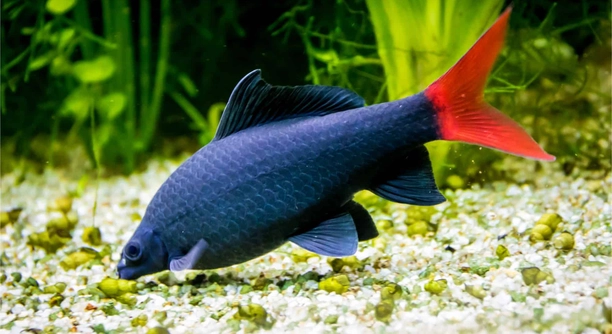
Rainbow sharks are popular aquarium fish known for their striking colors and active behavior. Many fishkeepers enjoy watching their unique movements and vibrant appearance. Understanding when these fish are ready to breed can enhance the care and environment you provide.
Rainbow sharks show several key signs when ready to breed, including increased territorial behavior, intensified coloration, frequent swimming near the tank bottom, and changes in appetite. Males may also display more aggressive tendencies, while females prepare by developing a fuller body shape.
Recognizing these behaviors helps ensure a suitable environment for successful breeding and supports the health of your rainbow shark pair.
Increased Territorial Behavior
When a rainbow shark is ready to breed, one of the first noticeable signs is a rise in territorial behavior. The fish will become more aggressive, especially toward other tank mates that come near its chosen area. This can include chasing or nipping at other fish. The shark may patrol the tank more actively, marking its space. This behavior is a natural way to prepare for spawning, as the male defends a safe place for the female to lay eggs. Tank owners might find this sudden change a bit surprising if their fish was previously calm. It is important to provide enough space and hiding spots in the aquarium to reduce stress for all fish involved. Understanding this shift helps maintain a peaceful tank environment while supporting breeding readiness.
Being prepared for this change in behavior allows you to manage tank conditions better and reduce conflicts.
Managing territorial behavior carefully helps create a stable setting for breeding. Providing ample space and decor reduces stress and aggression. Observing when your rainbow shark starts patrolling more often and acting defensively indicates breeding readiness. Keeping tank mates separated during this time can prevent injuries. It is also helpful to maintain good water quality and consistent feeding to support the fish’s health. By adapting to these changes, the chances of successful breeding improve, while the overall wellbeing of the fish remains a priority.
Intensified Coloration
The coloration of a rainbow shark becomes more vivid and intense as it prepares to breed. This brightening of colors, especially reds and blacks, signals readiness to potential mates. It is a natural display used to attract females and establish dominance. The color changes can be subtle or quite noticeable, depending on the individual fish and tank conditions. Proper lighting in the aquarium can enhance the visibility of these colors, making the breeding signs clearer. This stage also reflects the fish’s good health, as dull or faded colors often indicate stress or poor water conditions. Keeping the tank clean and feeding a balanced diet supports this color transformation, which is an important visual cue in the breeding process.
Rainbow sharks rely on color signals for communication during breeding, making this an essential part of their behavior. Recognizing and supporting this change is important for anyone caring for these fish.
Frequent Swimming Near the Tank Bottom
Rainbow sharks ready to breed often spend more time swimming close to the tank bottom. This behavior is tied to their natural nesting habits, as they prepare the area for egg laying. It is common to see increased activity near rocks or flat surfaces.
This increased bottom activity helps the fish claim a spot suitable for spawning. The female may clear a small area or circle around it repeatedly. This is part of their instinct to ensure the eggs have a safe place. You might notice this behavior becoming more consistent as breeding time approaches. Providing smooth surfaces and hiding places on the tank floor supports this natural process.
Keeping the substrate clean and stable is important when you observe this behavior. Uneven or sharp surfaces can cause stress or injury. Many owners add flat stones or tiles to encourage healthy nesting. This also allows you to monitor egg laying more easily. The fish will feel more comfortable and secure, increasing the chance of successful breeding.
Changes in Appetite
A rainbow shark’s appetite often changes when it is ready to breed. You might see an increase or decrease in feeding behavior, depending on the individual fish.
Some fish become more eager to eat, storing energy for spawning activities. Others may eat less as their body focuses on preparing for reproduction. Watching these changes carefully helps you adjust feeding amounts and types. Feeding a balanced diet with high-quality food supports health and breeding readiness. Avoid overfeeding to prevent water quality issues.
Changes in appetite can also indicate stress or illness, so monitoring other signs alongside feeding habits is important. If your fish eats less but shows no other problems, it is likely a natural part of the breeding cycle. Ensuring a calm tank environment will help your rainbow shark maintain good health throughout this period.
Male Aggression
Male rainbow sharks often become noticeably more aggressive when ready to breed. This behavior includes chasing other fish and defending their territory more fiercely. It is a natural way to protect the spawning area and attract females.
Aggression can increase stress in the tank if not managed properly. Separating overly aggressive males or providing more space helps reduce conflicts.
Fuller Body Shape in Females
Female rainbow sharks develop a fuller and rounder body shape as they approach breeding. This change is due to egg development inside the fish. It is a clear physical sign that the female is ready to spawn.
Watching for this change helps distinguish females preparing to breed from those that are not. This can guide decisions about tank setup and pairing for breeding purposes.
Nest Preparation Behavior
Rainbow sharks prepare nests by cleaning and scraping surfaces in their territory. This includes moving gravel or algae off flat areas. Nest preparation is essential for egg adhesion and protection during spawning.
This behavior signals that the fish are ready to breed and creating a safe environment for their offspring.
Increased Activity
Breeding rainbow sharks often show a noticeable rise in overall activity. This includes faster swimming and more frequent movements throughout the tank. Increased activity reflects the fish’s heightened energy and readiness for spawning.
FAQ
How can I tell if my rainbow shark is a male or female?
Identifying the gender of rainbow sharks can be tricky because males and females look very similar. Generally, males tend to be slimmer and display brighter coloration, especially during breeding periods. Females usually have a rounder, fuller body, particularly when they are ready to lay eggs. Observing their behavior during breeding season can also help; males are often more aggressive and territorial, while females focus on preparing nesting areas. However, the differences are subtle and sometimes require experience or expert advice for accurate sexing.
What kind of environment do rainbow sharks need to breed successfully?
Rainbow sharks require a spacious tank with plenty of hiding spots and flat surfaces for nesting. A well-maintained aquarium with stable water parameters is crucial. The temperature should be kept between 75°F and 82°F (24°C to 28°C), with clean, slightly acidic to neutral water (pH 6.5–7.5). Adding smooth stones or slate can help females lay eggs. Providing plenty of plants and decorations helps reduce stress and territorial disputes. Regular water changes and good filtration ensure a healthy breeding environment.
How long does the breeding process take?
The breeding process for rainbow sharks can vary but typically takes several days to weeks. After the male establishes and defends his territory, courtship behaviors begin. The female then lays eggs on prepared surfaces, which the male fertilizes externally. Eggs usually hatch within 24 to 36 hours, depending on water temperature. Fry become free-swimming several days after hatching. Patience is essential, as breeding depends on optimal conditions and fish readiness.
What do rainbow shark eggs look like, and where are they laid?
Rainbow shark eggs are small, round, and sticky, often pale yellow or translucent. The female lays them on flat surfaces like rocks, aquarium glass, or plant leaves. The sticky nature of the eggs helps them adhere firmly to these surfaces. Males guard and fan the eggs to keep them oxygenated and free from fungus. Observing these eggs can be rewarding, but it requires careful tank maintenance to ensure their survival.
Do I need a separate breeding tank for rainbow sharks?
Using a separate breeding tank is highly recommended. This setup reduces stress on breeding pairs and protects eggs and fry from other fish that might eat them. A breeding tank allows better control over water quality, temperature, and feeding. It also makes monitoring the development of eggs and fry easier. If space is limited, creating well-defined territories and providing plenty of hiding spots in the main tank can help, but a dedicated breeding tank usually improves success rates.
What should I feed my rainbow sharks during breeding?
A balanced diet is vital during breeding times. High-quality foods rich in protein, such as live or frozen bloodworms, brine shrimp, and daphnia, support reproductive health. Supplementing with high-quality flakes or pellets ensures proper nutrition. Feeding should be regular but not excessive, as overfeeding can pollute the water. Maintaining a varied diet helps boost the fish’s energy and coloration, which are important for successful breeding.
How can I reduce aggression during breeding?
Aggression is natural during breeding, especially from males defending territory. To manage this, ensure the tank is spacious and has plenty of hiding spots and decorations. Separating highly aggressive individuals temporarily can protect weaker fish. Monitoring the tank closely helps identify conflicts early. Providing visual barriers and rearranging tank decorations can also reduce direct confrontations. Maintaining excellent water quality and feeding well helps keep fish healthy and less prone to stress-driven aggression.
What are common problems during rainbow shark breeding?
Common challenges include egg predation by tank mates, fungal infections on eggs, and stress-related aggression. Eggs can be eaten or damaged if not well protected, so removing other fish or using a breeding tank is helpful. Fungus can kill eggs if water conditions are poor; regular cleaning and antifungal treatments prevent this. Stress from overcrowding or poor water quality can reduce breeding success and harm fish health. Addressing these issues promptly increases the chance of a successful breeding cycle.
How do I care for rainbow shark fry?
Rainbow shark fry need gentle care. They require small, frequent feedings of powdered fry food or newly hatched brine shrimp. Water quality must be kept pristine with regular gentle water changes. Fry are sensitive to strong currents and aggressive tank mates, so a separate tank or breeding box is ideal. Gradually introduce hiding spots and cover as the fry grow. Monitoring their development and feeding habits helps ensure healthy growth and reduces mortality.
Can rainbow sharks breed in community tanks?
Breeding in community tanks is possible but challenging. Other fish may harass breeding pairs, eat eggs, or stress the sharks. Territorial disputes tend to increase, risking injuries. If breeding in a community tank, provide plenty of space, hiding spots, and stable water conditions. Separating eggs or fry quickly is important to prevent predation. For better success, using a dedicated breeding tank is recommended to create a controlled environment.
When caring for rainbow sharks, understanding the signs of breeding readiness is important. These fish show clear behaviors and physical changes that signal they are prepared to reproduce. Paying attention to increased territorial behavior, brighter coloration, changes in appetite, and other signs helps fishkeepers provide the right environment. Meeting these needs improves the chances of successful breeding while maintaining the health of the fish. Recognizing these signs early allows adjustments in tank setup, feeding, and care routines to support the fish during this important time.
Creating a suitable habitat for breeding involves more than just recognizing signs. The aquarium must have enough space, hiding spots, and smooth surfaces for egg laying. Water quality should be stable, with proper temperature and pH levels. Maintaining a clean tank with regular water changes reduces stress and prevents disease. Feeding high-quality food supports the fish’s health and energy levels. Managing aggression by separating overly dominant fish and providing visual barriers also helps keep the tank peaceful. These steps work together to create the best possible environment for rainbow sharks to breed naturally.
Breeding rainbow sharks can be rewarding but requires patience and careful attention. The process includes preparing the tank, observing behavior, and sometimes using a separate breeding tank. Watching eggs develop and caring for fry demands gentle handling and clean water. Not all breeding attempts succeed on the first try, but learning from experience improves outcomes over time. Understanding the needs and behaviors of rainbow sharks during breeding helps fishkeepers create a healthier, more balanced aquarium. This knowledge supports both the fish’s wellbeing and the enjoyment of watching these beautiful creatures grow.

Hello,
If you enjoy the content that we create, please consider saying a "Thank You!" by leaving a tip.
Every little bit helps us continue crafting quality advice that supports the health, happiness, and well-being of pets around the world, for pets of all shapes, sizes, and species.
We really appreciate the kindness and support that you show us!