
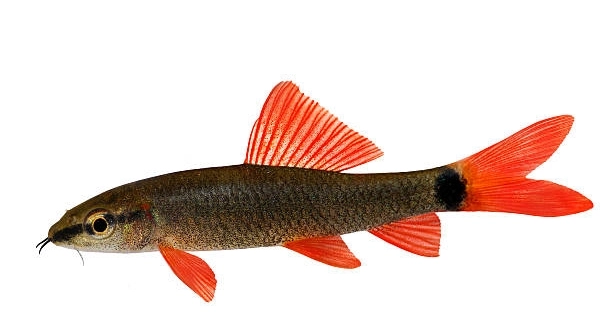
Is your rainbow shark acting differently lately or spending more time resting at the bottom of the tank? Overfeeding could be the hidden reason behind these small changes in behavior and appearance.
Overfeeding a rainbow shark can lead to bloating, poor water quality, and increased stress, which may weaken its immune system and shorten its lifespan. Identifying the signs early helps support a healthier, more active fish.
Recognizing these signs can help you create a safer environment and maintain your rainbow shark’s overall health and well-being.
Uneaten Food Sits at the Bottom of the Tank
When your rainbow shark is overfed, you may start noticing uneaten food gathering at the bottom of the tank. This leftover food doesn’t just make the tank look dirty — it also creates problems for the water quality. As the food begins to break down, it releases waste into the water, which can raise ammonia and nitrite levels. These changes can cause stress, and in worse cases, lead to illness. If you’re feeding your fish more than it can eat within two minutes, that’s often a sign of overfeeding. A small amount of food twice a day is usually enough for a healthy rainbow shark. It’s important to watch how your shark eats during feeding time. If it loses interest quickly or ignores the food altogether, you might be offering too much. A clean tank with no leftover food is a good indicator that you’re feeding the right amount.
Leftover food sitting at the bottom may also attract unwanted algae or bacteria, which can make the tank harder to maintain.
Reducing how much food you give and cleaning the tank regularly will help avoid these problems. Monitor feeding sessions closely, and remove any uneaten food after a few minutes to keep the environment safe and clean for your rainbow shark.
Bloated Belly and Sluggish Movement
Overfeeding can quickly lead to a bloated belly in rainbow sharks.
A rainbow shark with a swollen belly might look cute at first, but it’s often a sign that it has eaten too much. This bloating can make it hard for the fish to swim and behave normally. When a fish is carrying more food than it can process, it may appear lazy or sluggish. You might also notice your shark staying at the bottom or hiding more often than usual. These changes in behavior often show up before more serious health issues. The extra waste from overeating also affects the tank water, making it harder for the fish to breathe and move comfortably. Over time, repeated overfeeding can stress out your rainbow shark and even lead to constipation or swim bladder issues. To avoid this, try feeding smaller amounts and spacing out meals more. Keeping your shark active and balanced starts with keeping meals under control.
Frequent Waste and Cloudy Water
When rainbow sharks are overfed, they produce more waste than usual, which can quickly cloud the tank water. This not only makes the tank less attractive but also impacts the fish’s overall health by lowering water quality.
Cloudy water often comes from excess nutrients released by leftover food and fish waste. These extra nutrients can lead to bacterial blooms, which give the water a milky or foggy appearance. Your filter might not keep up with the overload, especially if cleaning is infrequent. Over time, poor water quality can irritate your rainbow shark’s skin and gills, making it more prone to illness. You may also notice a foul smell coming from the tank or an increase in algae growth. If you see these signs, it’s a good idea to check how much you’re feeding and adjust accordingly. Smaller, well-spaced meals can help maintain both clear water and a healthier fish.
The more your rainbow shark eats, the more it excretes. Overfeeding throws off the tank’s balance, which is especially risky in smaller aquariums. Regular water changes may help for a while, but they won’t solve the root of the problem. It’s better to prevent waste buildup by feeding in proper amounts and monitoring tank conditions closely.
Aggression Toward Other Fish
Overfed rainbow sharks may become more territorial and show aggressive behavior toward tankmates, especially if they’re uncomfortable from bloating or poor water conditions. Their stress can cause them to lash out more often than usual.
Aggression might look like chasing, nipping, or guarding one area of the tank. While some territorial behavior is normal for rainbow sharks, excessive aggression can mean something is off. When overfed, their energy may not be released through healthy activity and instead gets redirected into stress-based behavior. They may also feel threatened in dirty water, which can heighten their response to other fish. It’s important to observe how often these outbursts happen. If aggression increases around feeding time or after meals, overfeeding could be playing a role. Keeping a calm tank often starts with better feeding habits. Ensuring your rainbow shark is not overfed will reduce discomfort and make the tank feel safer for everyone.
Loss of Interest in Food
When a rainbow shark is overfed regularly, it may stop showing interest in meals. This isn’t always a sign of pickiness—it can mean the fish is full or experiencing digestive discomfort. Skipping meals often follows a period of overeating or being fed too frequently.
Loss of appetite can also happen if the tank water quality has dropped due to uneaten food or waste buildup. The combination of poor conditions and a full belly can make the shark sluggish and uninterested. Adjusting the feeding routine may help bring their appetite back to normal.
Swollen or Red Gills
Swollen or red gills can be a sign that your rainbow shark is under stress from poor water quality caused by overfeeding. When there’s too much waste in the tank, ammonia levels can rise quickly. This irritates the gills, making it harder for the fish to breathe. Constant exposure to bad conditions may also weaken their immune system, leading to other health problems. You might notice your shark gasping more near the water’s surface or rubbing against objects in the tank. Keeping feeding amounts low and water clean is key to preventing this type of stress and discomfort.
Lethargy
A rainbow shark that’s been overfed may spend more time resting, move slower, or avoid interaction. This behavior is often tied to discomfort from bloating or low oxygen levels caused by dirty water. Feeding less and improving tank conditions usually helps bring back normal activity.
How much should I feed my rainbow shark each day?
Feeding your rainbow shark small amounts once or twice daily is usually best. A good rule is to offer only what the fish can eat within two minutes. Overfeeding leads to leftover food and poor water quality. Measuring the food or using a feeding tool can help control portions. If you notice uneaten food after feeding, reduce the amount next time. Watching your fish eat and adjusting the portions accordingly will keep your rainbow shark healthy and the tank clean.
What happens if I accidentally overfeed my rainbow shark?
Accidentally overfeeding once or twice is not likely to cause serious harm, but it should be avoided as a regular habit. A single large meal may cause mild bloating or slow movement for a short time. The real risk comes with consistent overfeeding, which damages water quality and stresses your fish. If you notice bloating, sluggishness, or leftover food, cut back on feeding amounts and increase water changes to protect your fish’s health.
Can overfeeding cause disease in rainbow sharks?
Yes, overfeeding can increase the risk of disease by weakening the immune system. Excess food decays, polluting the water with ammonia and nitrites that irritate the fish’s skin and gills. These stressful conditions allow infections like fin rot or bacterial diseases to take hold more easily. Maintaining proper feeding habits and clean water is essential to prevent illness. Regularly testing water parameters and performing water changes will support your rainbow shark’s health.
How do I know if my rainbow shark is stressed from overfeeding?
Signs of stress include bloating, slow or erratic swimming, hiding, aggression toward other fish, and loss of appetite. Red or swollen gills and gasping near the surface can also indicate discomfort from poor water quality due to overfeeding. Monitoring these behaviors closely helps catch issues early. Adjusting feeding amounts and improving tank maintenance often reduce stress and promote recovery.
What can I do to prevent overfeeding my rainbow shark?
Stick to a feeding schedule and measure food carefully. Feed your fish only small amounts that it can finish quickly. Avoid free-feeding or topping off uneaten food. Use feeding tools like small scoops or tweezers for precision. Observe your fish during feeding to ensure it’s eating normally. Regular tank cleaning and water testing also help you see when overfeeding is causing problems, so you can respond quickly.
Is it okay to skip feeding days to avoid overfeeding?
Occasionally skipping a feeding day is generally safe and can help prevent overfeeding. Rainbow sharks can tolerate short periods without food as long as they have been well-fed regularly. This break gives their digestive systems a rest and helps maintain water quality. However, skipping too many days can cause malnutrition, so consistency is still important.
How often should I clean the tank if I suspect overfeeding?
When overfeeding occurs, more frequent water changes and cleaning are necessary to maintain a healthy environment. Changing 25-30% of the water weekly is a good starting point. You may need to increase this to twice a week if waste and leftover food are present. Cleaning the substrate with a siphon helps remove uneaten food and debris. Maintaining filter cleanliness also improves water quality and reduces stress on your fish.
Can I feed my rainbow shark pellets and live food together?
Feeding both pellets and live food is possible but should be done carefully to avoid overfeeding. Pellets provide balanced nutrition, while live food can stimulate natural hunting behavior. Offer small portions of each and watch how much your fish eats. Adjust the total amount so it doesn’t exceed what your rainbow shark can consume in a few minutes. Mixing food types can improve diet variety but requires careful portion control.
What are some healthy snacks for a rainbow shark?
Healthy treats include bloodworms, brine shrimp, and small pieces of vegetables like zucchini or cucumber. These snacks should be given sparingly and only as part of a balanced diet. Avoid overfeeding treats, as they can cause digestive upset and water pollution. Feeding fresh or frozen foods occasionally helps keep your rainbow shark interested and healthy.
How can I encourage my rainbow shark to eat less?
Offering smaller meals more frequently can help control intake. Stop feeding when the fish stops showing interest. Avoid feeding too close to each other and remove any uneaten food quickly. Increasing tank activity by adding hiding spots or tank mates may also distract your fish from constant feeding. Consistency in feeding times and amounts will teach your rainbow shark to expect regular, measured meals instead of overeating.
Overfeeding a rainbow shark is a common mistake that can cause many problems for both the fish and the tank environment. It may seem like a good idea to give your fish plenty of food, especially if you want it to grow quickly or appear healthy. However, too much food can lead to serious health issues such as bloating, sluggish behavior, and poor water quality. These problems not only make the rainbow shark uncomfortable but can also shorten its life. Feeding your fish the right amount is an important part of keeping it healthy and happy.
It’s important to pay close attention to your rainbow shark’s behavior and appearance to catch signs of overfeeding early. Leftover food in the tank, cloudy water, bloated belly, or changes in activity levels are signals that the feeding routine might need adjusting. These signs can be easy to miss if you are not careful, but they tell you a lot about the fish’s health and the condition of the tank. Making small changes to the feeding schedule, cleaning the tank regularly, and testing the water can improve your fish’s well-being. Watching your fish and tank daily helps you learn what works best and keeps problems from growing bigger.
Keeping a rainbow shark healthy requires balance and attention. Feeding in small amounts that the fish can finish quickly, maintaining clean water, and observing your fish’s habits will all contribute to a better environment. Avoiding overfeeding not only prevents illness but also reduces stress and aggressive behavior in your rainbow shark. With proper care and feeding habits, your rainbow shark can live a longer and more active life, bringing beauty and movement to your aquarium for years to come.

Hello,
If you enjoy the content that we create, please consider saying a "Thank You!" by leaving a tip.
Every little bit helps us continue crafting quality advice that supports the health, happiness, and well-being of pets around the world, for pets of all shapes, sizes, and species.
We really appreciate the kindness and support that you show us!