
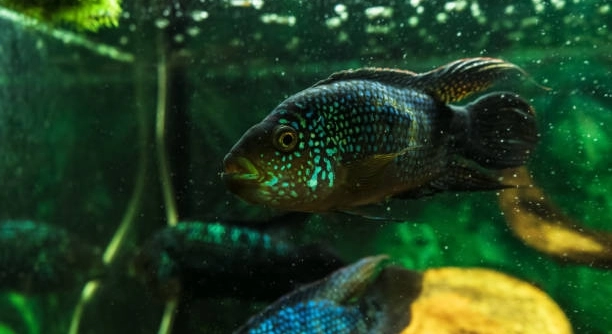
Have you ever noticed your Jack Dempsey growing fast while the tank feels smaller each month, creating stress, crowding, and maintenance challenges that affect behavior, health, and overall enjoyment of keeping this bold cichlid species.
The primary indication that a Jack Dempsey requires a larger tank is restricted space affecting growth, aggression, and water quality. Inadequate volume limits swimming behavior, increases territorial stress, concentrates waste, and destabilizes parameters essential for long-term physiological health and stability.
Recognizing these warning signs helps protect comfort, reduce aggression, and support healthier routines throughout your aquarium setup and daily care.
Limited Swimming Space and Increased Aggression
I noticed that when space becomes limited, my Jack Dempsey spends less time swimming and more time hovering near corners or decorations. This behavior often appears alongside pacing, sudden charges, and frequent fin flaring. A confined tank restricts natural movement and amplifies territorial instincts. As the fish grows, tight boundaries remove escape routes and resting zones. This pressure can result in constant tension, leading to nipped fins and visible stress marks. Over time, reduced activity affects muscle development and overall condition. A larger tank provides room to swim, establish territory, and recover between interactions. Adequate space supports calmer behavior and allows the fish to display confident, balanced movements throughout the day. In my experience, observing these changes early makes it easier to adjust tank size before stress patterns become routine and harder to reverse for both the fish and the daily care schedule within a typical home aquarium setup environment.
When a Jack Dempsey lacks swimming room, aggression often increases without warning. I have seen calm behavior shift into repeated chasing and guarding. These signs usually appear gradually, making them easy to dismiss until conflicts become frequent and persistent within a tank that once felt adequate for growing adult fish.
As space tightens, feeding routines can also change in noticeable ways. I have noticed quicker feeding, rushed movements, and defensive postures during meals. Limited room reduces the ability to retreat, turning feeding into a competitive event. This stress may lead to uneven growth and digestive strain over time. A larger tank restores separation between feeding areas and resting zones. With proper space, the fish eats more steadily, shows fewer aggressive displays, and maintains healthier body condition. These improvements often reflect better long-term stability. Consistency in behavior makes daily care more predictable and easier to manage over extended periods of time.
Water Quality Declines Despite Regular Care
I began to notice water issues even with regular maintenance and careful feeding. Cloudiness appeared faster, and testing showed unstable parameters. In smaller tanks, waste builds up quickly, leaving less margin for error. These changes often signal that tank volume no longer matches the fish’s size and daily care demands.
A Jack Dempsey produces a significant amount of waste as it matures, which places constant pressure on filtration. I have learned that even strong filters cannot fully compensate for limited water volume. In a small tank, ammonia and nitrate levels rise faster between water changes, stressing the fish and dulling coloration. Frequent cleaning may temporarily help, but it often becomes exhausting and inconsistent. A larger tank dilutes waste more effectively and stabilizes temperature and chemistry. This stability supports immune function and reduces erratic behavior. With more water, beneficial bacteria populations remain balanced, improving biological filtration. Routine maintenance becomes more manageable and predictable. From my perspective, upgrading tank size reduces ongoing strain and creates an environment where the fish thrives without constant intervention. It also allows decor placement without crowding, giving visual barriers and calmer territory boundaries. Over time, I found observation more enjoyable, costs more controlled, and losses less likely. Space ultimately supports longevity, steady growth, and a more balanced daily rhythm for both the aquarium and the keeper. This change simplifies care routines and supports consistent results without constant adjustments or concern about sudden parameter swings that can disrupt stability in confined systems over long periods of regular ownership.
Stunted Growth and Body Imbalance
I have noticed cramped tanks often cause stunted growth and thickened bodies in Jack Dempseys. Limited space restricts exercise and encourages bulk over length. This imbalance affects posture, swimming control, and long term health as the fish matures in confined conditions during adulthood and extended captivity periods within home aquariums.
I have seen growth slow when a tank no longer supports natural movement. Jack Dempseys need horizontal space to build muscle evenly. Without it, they grow thicker instead of longer. This can stress internal organs and shorten lifespan. A small tank also limits enrichment. Rocks, caves, and open lanes compete for space. When decor crowds swimming paths, activity drops. Reduced movement lowers appetite regulation and overall vitality. Over time, the fish appears heavy, less responsive, and prone to health setbacks that proper space would normally prevent. These patterns become clearer as fish approaches full adult size in captivity settings alone.
I personally associate uneven growth with tanks outgrown faster than expected. Juveniles may appear fine early on, masking long term limitations. As size increases, the body adapts poorly to restricted space. Fins may look proportionally smaller, and turning becomes clumsy. This is not genetics but environment. Expanding tank size restores balance. With room to swim, growth redistributes naturally. The fish becomes longer, stronger, and more controlled in motion. This change supports healthier aging and reduces future complications tied to confinement that often develop slowly and go unnoticed in undersized aquariums over extended care periods within typical home setups for owners.
Excessive Hiding and Reduced Confidence
I have found excessive hiding and reduced interaction signal discomfort. When space is tight, Jack Dempseys retreat more often. Caves become constant shelters rather than resting spots. This behavior reflects stress, not preference. A confined tank removes confidence. Instead of exploring, the fish stays guarded, limiting natural behaviors and daily movement patterns over time which gradually affects feeding routines and responsiveness to surroundings in smaller living spaces without environmental variety or visual separation between zones.
I notice that hiding increases when territory options disappear. In a larger tank, a Jack Dempsey chooses when to retreat. In a small one, retreat becomes constant. This affects confidence and routine. The fish may ignore enrichment, avoid open areas, and react defensively to movement outside the glass. Over time, this stress influences coloration and appetite. A larger tank restores choice. Multiple caves, open lanes, and visual breaks allow control over space. When the fish feels secure, hiding becomes occasional, not habitual. Activity increases, feeding normalizes, and behavior stabilizes. From my experience, space directly shapes how visible and engaged the fish becomes each day. This shift makes daily observation calmer and care tasks feel more predictable overall without constant stress signals from the environment itself.
Rapid Waste Buildup and Constant Maintenance
I have seen rapid waste buildup signal that the tank is too small. Even with frequent cleaning, debris collects quickly. This creates constant maintenance pressure and leaves little room for error. Over time, this imbalance affects behavior, appearance, and overall stability within the aquarium for growing adult fish in captivity.
I personally found that filters work harder in cramped tanks. Flow increases stress, yet waste still accumulates fast. This cycle leads to more water changes and inconsistent results. A larger tank balances filtration naturally, allowing parameters to remain steadier and reducing daily intervention over long periods of routine care tasks.
Repetitive Glass Surfing and Restlessness
I have noticed constant glass surfing when space becomes limiting. The fish swims back and forth without purpose, often along the same path. This behavior reflects frustration and lack of stimulation. In smaller tanks, visual boundaries are close and repetitive. The fish cannot establish distance from perceived threats. Over time, this leads to restlessness and heightened reactivity. A larger tank introduces depth, breaks lines of sight, and allows exploration. With more space, pacing decreases and movement becomes intentional. From my experience, this change signals improved comfort, focus during feeding, and calmer daily rhythms that benefit both fish and care routines.
Increased Risk of Physical Injury
I have observed torn fins and minor injuries appear more often in small tanks. Tight quarters increase contact with decor and glass. Stress reactions become physical. With more room, movement smooths out, collisions decrease, and healing improves through reduced tension and better water consistency across daily activity patterns overall health.
What tank size does a Jack Dempsey need as it grows?
I have learned that adult Jack Dempseys need a minimum of 55 gallons, but 75 gallons or more is ideal for a single fish. This provides enough horizontal space to swim freely, establish territory, and reduce aggression. Smaller tanks limit movement, increase stress, and often lead to uneven growth and health issues over time. In my experience, giving extra room early prevents problems that are harder to correct later and supports a calmer, more confident fish. Decorations should be spaced carefully to avoid crowding swimming lanes and to create natural barriers.
How do I know when my Jack Dempsey is stressed from a small tank?
Signs of stress include frequent hiding, glass surfing, flaring fins, and sudden changes in appetite. I noticed my fish became restless and more aggressive when space was tight, constantly patrolling its territory. Stress also affects coloration and responsiveness, making interactions less predictable. With proper tank size, these behaviors reduce, the fish becomes calmer, and feeding routines normalize. Observing patterns over days or weeks helps identify persistent stress versus temporary reactions to new decorations or water changes.
Can filtration compensate for a small tank?
Filters help maintain water quality but cannot replace space. I found that even with strong filtration, ammonia and nitrate levels spike quickly in small tanks, leaving less margin for error. Waste accumulates faster, and the fish experiences constant minor stress from unstable parameters. In a larger tank, filtration is more effective because the water volume dilutes waste naturally, stabilizes temperature, and supports beneficial bacteria growth. This creates a healthier environment with fewer daily interventions needed to maintain stability.
How does tank size affect aggression and territorial behavior?
Smaller tanks force Jack Dempseys into closer quarters, which amplifies territorial instincts. I noticed more chasing, fin nipping, and guarding of corners or decorations. In a larger tank, space allows the fish to establish boundaries without constant confrontation. This reduces injuries and stress. Proper layout with visual barriers and open swimming lanes also gives control over territory and improves overall behavior. Larger spaces encourage natural activity, creating calmer interactions during feeding and observation periods.
Is hiding more than usual a sign of a tank that is too small?
Yes, constant hiding often indicates discomfort. I observed my Jack Dempsey retreating to caves frequently, even during normal daylight hours. In a cramped tank, hiding becomes habitual because the fish cannot escape perceived threats or explore freely. Increasing tank size provides choice, allowing the fish to retreat selectively rather than constantly. With more room, hiding is occasional, behavior stabilizes, and the fish interacts with its environment more naturally, reflecting improved confidence and reduced stress over time.
What are the long-term effects of keeping a Jack Dempsey in a small tank?
Over time, limited space leads to stunted growth, uneven body proportions, chronic stress, increased aggression, and frequent minor injuries. I noticed fins tearing against decorations, poor swimming control, and duller coloration in smaller tanks. Water quality issues also become more frequent, requiring more maintenance. A larger tank promotes even growth, stronger musculature, and calmer behavior. The fish enjoys improved appetite, better immune function, and longer lifespan. Expanding tank size early prevents many of these cumulative problems.
How can I transition my Jack Dempsey to a bigger tank?
I recommend preparing the new tank first with fully cycled filtration and stable water parameters. Slowly acclimate the fish using a drip or float method to match temperature and chemistry. Transfer carefully to reduce stress, and arrange decor to create familiar hiding spots alongside new open swimming areas. Observe the fish for a few days to ensure adjustment. Providing extra space encourages confident exploration, reduces aggression, and restores natural behavior. Over time, the fish demonstrates healthier activity levels, better appetite, and smoother swimming patterns in a larger environment.
What tank layout supports a Jack Dempsey in a larger tank?
I prefer a combination of open swimming lanes, strategically placed rocks, and caves. This setup allows territory establishment without overcrowding. Visual breaks reduce conflict, and soft substrate protects sensitive fins. Avoid sharp decorations or tightly packed structures. Plants can be included but should not obstruct swimming paths. A balanced layout encourages exploration, reduces stress, and supports feeding routines. Larger spaces allow the fish to display natural behavior while maintaining control over territory, resulting in a healthier, more active, and confident Jack Dempsey over time.
How often should water changes be done in a larger tank?
Even with a bigger tank, I found regular water changes essential for optimal health. Weekly changes of 25-30 percent are sufficient to maintain clarity and stable parameters. Larger volumes make changes easier and less stressful, but neglecting this routine allows waste to accumulate, affecting behavior and coloration. Observing ammonia, nitrite, and nitrate levels helps adjust frequency. Over time, consistent maintenance in a larger tank supports calmer activity, stronger immunity, and fewer stress-related behaviors compared with smaller, high-maintenance setups.
Can a Jack Dempsey live happily alone, or does tank size affect companionship?
Jack Dempseys can live alone comfortably, but tank size impacts behavior when adding companions. I observed that smaller tanks magnify aggression toward tank mates, while larger tanks provide enough room for multiple fish without constant conflict. Proper space, hiding spots, and territory markers reduce stress and encourage cohabitation. Even alone, a sufficiently sized tank improves confidence, activity, and natural behaviors. Providing a spacious environment supports both solo and community setups, resulting in healthier, more stable fish and easier management for the keeper over long-term care periods.
Keeping a Jack Dempsey in a properly sized tank is one of the most important decisions for its long-term health and behavior. I have learned from experience that small tanks create constant stress, limited movement, and behavioral problems. A cramped environment affects growth, muscle development, and territorial interactions, making even routine care more challenging. Over time, the fish may appear restless, hide excessively, or display aggression, which is rarely a reflection of natural temperament. Providing ample horizontal swimming space allows the fish to move freely, explore its environment, and establish territory in a way that reduces conflict and stress. With more room, daily feeding, observation, and maintenance routines become smoother, and the fish maintains a healthier, more confident presence throughout the aquarium. Proper tank size is not just about comfort—it directly impacts lifespan, vitality, and the ability to thrive in a home setting.
Water quality is closely linked to tank size, and I have observed how quickly waste accumulates in undersized setups. Even with strong filtration and frequent cleaning, small tanks reach high ammonia and nitrate levels faster than larger ones. These fluctuations cause stress, dull coloration, and weaken the immune system. A larger tank dilutes waste naturally, supports stable water parameters, and allows beneficial bacteria to maintain a healthier balance. This stability reduces the risk of illness and makes care routines more predictable. Larger tanks also provide more opportunities for enrichment through decorations, caves, and open swimming lanes. The fish can interact with its surroundings in a way that is calming and fulfilling, rather than constantly feeling confined. Maintaining stable water quality in a bigger tank reduces accidents and setbacks, allowing both the fish and the keeper to enjoy a more reliable, healthy environment.
Behavioral changes are often the most noticeable sign that a tank is too small. I have noticed that Jack Dempseys in cramped conditions develop repetitive patterns like glass surfing, pacing, or constant hiding. These behaviors indicate frustration and discomfort, and they often worsen over time. Expanding the tank provides choice and space, allowing the fish to display natural behaviors, rest without being cornered, and interact with its environment confidently. Feeding becomes calmer, swimming more fluid, and aggression toward other fish decreases significantly. Investing in a larger tank is an investment in the fish’s well-being, helping to maintain strong muscle tone, healthy body proportions, and long-term vitality. Overall, a spacious environment supports both physical and mental health, reduces stress-related behaviors, and makes caring for a Jack Dempsey a more manageable and enjoyable experience for anyone maintaining an aquarium.

Hello,
If you enjoy the content that we create, please consider saying a "Thank You!" by leaving a tip.
Every little bit helps us continue crafting quality advice that supports the health, happiness, and well-being of pets around the world, for pets of all shapes, sizes, and species.
We really appreciate the kindness and support that you show us!