
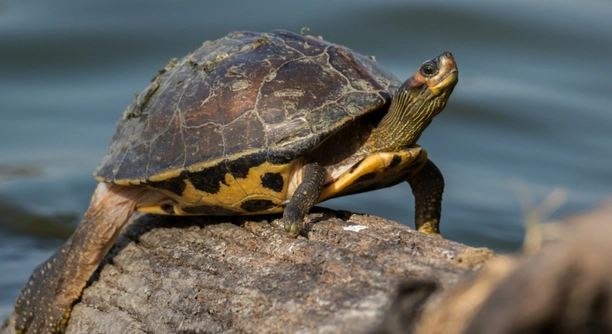
High humidity levels in an Indian Roofed Tortoise’s tank can cause various health problems. It is essential to recognize the signs of excess moisture to ensure your tortoise remains comfortable and healthy in its environment.
Excess humidity in your tortoise’s tank can lead to respiratory issues, shell rot, and stress. Observing behaviors such as excessive hiding, reduced activity, or skin shedding can help identify if the humidity is too high for your tortoise.
Learning to monitor your tortoise’s environment closely will help you maintain optimal conditions, ensuring their well-being and comfort.
Excessive Hiding
When the humidity is too high, your tortoise may spend more time hiding. This is a way of avoiding the discomfort caused by an overly humid environment. In nature, these tortoises prefer dry areas with occasional access to water. If they are consistently seeking shelter, it’s a sign that the environment isn’t right for them.
The Indian Roofed Tortoise will typically retreat into a hiding spot to escape environmental stressors, including excessive moisture. While hiding is normal from time to time, if it becomes frequent, it might indicate that the humidity is out of balance.
To correct this, start by measuring the humidity levels and adjusting them accordingly. If the tank is too humid, consider adding more ventilation or lowering the water content in the enclosure. Monitoring your tortoise’s behavior closely can help prevent further health issues that come with an environment that is too damp.
Difficulty Breathing
Excess moisture in the tank can make it harder for your tortoise to breathe properly. Just like with humans, breathing in humid air for long periods can cause discomfort and even respiratory issues.
If your tortoise seems to be breathing heavily or appears lethargic, it could be a result of the high humidity levels. This could lead to long-term health issues if not addressed quickly. Regularly checking the humidity and adjusting it accordingly will help prevent this problem.
To improve the air quality in the tank, add proper ventilation or adjust the water features that contribute to excess moisture. Additionally, ensure the basking area is dry to give your tortoise a place to escape the humid environment when needed.
Shell Rot
High humidity can cause your tortoise’s shell to soften or develop rot. This occurs when moisture becomes trapped in the shell, creating an ideal environment for bacteria to grow. You may notice patches of discoloration or soft spots on the shell.
When shell rot develops, it can spread quickly and cause significant discomfort for your tortoise. It’s essential to monitor the humidity levels closely to avoid this. If you notice any signs of shell rot, seek immediate veterinary help.
To prevent shell rot, ensure the tank has adequate ventilation and avoid excessive water. If your tortoise spends too much time in damp conditions, it may be prone to this condition. Check the humidity and adjust it as needed to create a balanced environment.
Stress and Behavior Changes
Overly humid conditions can cause your tortoise to experience stress. When this happens, you might notice your tortoise becoming more withdrawn or aggressive. Excessive moisture can disrupt their natural behaviors, making them feel uncomfortable.
Stress can also lead to a lack of appetite or difficulty in shedding their skin. These behaviors are often signs that the environment isn’t suitable for your tortoise’s well-being. The tortoise might try to escape the humidity by hiding or staying in one place for long periods.
To prevent stress, maintain proper humidity levels in the tank. You can do this by adjusting water sources or adding more ventilation. Keeping the environment stable will help reduce anxiety and ensure your tortoise remains healthy and comfortable.
Skin Shedding Issues
When humidity is too high, your tortoise may have difficulty shedding its skin properly. This can lead to skin buildup, causing discomfort. If you notice patches of old skin sticking to the body, it’s a sign of excessive moisture.
Inadequate skin shedding can cause irritation or infection if not addressed. Proper humidity levels support healthy skin shedding, ensuring your tortoise’s skin stays in good condition. If shedding problems persist, consider adjusting the tank’s humidity to promote a healthier environment.
Respiratory Infections
Excessive humidity can create an environment that encourages respiratory infections. If your tortoise starts coughing, wheezing, or breathing heavily, it might be due to high moisture levels in the tank.
The damp conditions can cause fungal or bacterial growth, leading to respiratory distress. It is essential to monitor the humidity and keep it within an appropriate range to prevent such infections. Regularly clean the tank to remove any harmful bacteria.
Decreased Activity
Tortoises require a certain balance of moisture and dryness for optimal activity. Too much humidity can make your tortoise lethargic or less likely to move around. When humidity is too high, your tortoise may feel sluggish, avoiding its normal roaming behavior.
FAQ
What is the ideal humidity level for an Indian Roofed Tortoise?
The ideal humidity for an Indian Roofed Tortoise is between 50-60%. This range ensures the environment is not too dry or too damp. It mimics their natural habitat and promotes good health. Any humidity outside this range can lead to stress or health problems.
How can I measure the humidity in my tortoise’s tank?
You can measure the humidity with a hygrometer. Place it in the tank to get an accurate reading. There are many affordable models available, both analog and digital. Keep the hygrometer close to your tortoise’s usual resting spot for the best readings.
What are the signs that my tortoise’s tank is too humid?
Signs include excessive hiding, breathing problems, skin shedding issues, and lethargy. If your tortoise is not moving around much and seems stressed, it could be a sign of high humidity. It’s essential to monitor behavior and adjust the tank accordingly.
How do I reduce the humidity in my tortoise’s tank?
To reduce humidity, you can add more ventilation to the tank. Openings or mesh lids help air circulate better. Additionally, reduce the amount of water in the tank and ensure that any water features are not contributing excess moisture.
Can high humidity cause respiratory problems in my tortoise?
Yes, high humidity can lead to respiratory infections. Damp conditions create an environment where bacteria and fungi can thrive, affecting your tortoise’s respiratory system. Regular monitoring of humidity levels and cleaning the tank will reduce the risk.
What should I do if my tortoise shows signs of shell rot?
If you notice soft spots or discoloration on your tortoise’s shell, it’s essential to reduce the humidity and seek veterinary help. Shell rot can spread quickly and cause serious harm. Reducing moisture levels will help prevent further damage.
How often should I check the humidity levels?
It’s recommended to check humidity levels daily, especially after making any changes to the tank. This ensures that the environment remains stable and healthy for your tortoise. Keeping a consistent range will prevent health issues.
How can I improve the ventilation in my tortoise’s tank?
You can improve ventilation by using mesh lids or adding air holes to the tank. A small fan directed at the tank can also help circulate air. This reduces moisture buildup and ensures your tortoise has a comfortable environment.
What should I do if my tortoise refuses to eat in a humid tank?
If your tortoise isn’t eating, it may be due to stress caused by excess humidity. Check the tank’s moisture levels and adjust them accordingly. If the problem persists, consult with a vet to ensure your tortoise’s health is not compromised.
Is it okay to use a water dish in the tank?
Yes, but the water dish should be shallow enough to prevent excessive moisture buildup. It’s also important to monitor the water dish to ensure it doesn’t contribute to the overall humidity. Regular cleaning of the dish is also necessary to prevent bacteria growth.
What are the long-term effects of high humidity on my tortoise?
Long-term exposure to high humidity can cause respiratory issues, shell rot, stress, and improper skin shedding. Over time, this can weaken your tortoise’s immune system and lead to more severe health problems. Maintaining proper humidity is essential for longevity.
Can I use a humidifier for my tortoise’s tank?
It’s generally not recommended to use a humidifier, as it can be challenging to control the humidity levels effectively. A humidifier can sometimes make it too humid, leading to health issues. It’s better to rely on a hygrometer and ventilation to control moisture levels.
Can humidity affect my tortoise’s shedding cycle?
Yes, excessive humidity can prevent your tortoise from shedding properly. High moisture levels can cause old skin to stick, leading to incomplete or problematic shedding. Maintaining a balance in humidity will support the natural shedding process.
Should I adjust the humidity during the night?
It’s best to keep the humidity stable throughout the day and night. Sudden changes in humidity can stress your tortoise. If you notice issues, it’s better to adjust the tank during the day so that your tortoise can adapt before nighttime.
How does high humidity affect my tortoise’s behavior?
High humidity can cause lethargy and withdrawal in your tortoise. If it feels uncomfortable due to excessive moisture, it may hide more often or become less active. Behavior changes are a key indicator that something might be wrong with the tank’s environment.
What is the best way to prevent humidity problems in my tortoise’s tank?
The best way is to keep a consistent check on the humidity levels using a hygrometer. Make sure to adjust ventilation as needed and avoid over-watering plants or water features. Regular cleaning and monitoring are crucial in maintaining a healthy environment.
Can I use a heat lamp to control humidity?
A heat lamp is useful for providing warmth but will not directly control humidity. However, the heat can help balance moisture levels in the tank by evaporating excess water. Be cautious not to overheat the tank while managing humidity.
How do I know if the humidity level is just right?
When the humidity is correct, your tortoise will be active, healthy, and will show no signs of stress. Its shell will be firm, and it will shed normally. Regularly checking the humidity with a hygrometer ensures it stays within the ideal range.
Final Thoughts
Maintaining the right humidity level in your Indian Roofed Tortoise’s tank is essential for its health and well-being. Too much moisture can lead to respiratory infections, skin shedding issues, and other complications. On the other hand, too little humidity can cause dehydration, stress, and difficulty with shedding. Keeping the tank balanced ensures your tortoise remains comfortable and healthy.
Monitoring humidity regularly with a hygrometer will help you stay on top of the situation. It’s important to adjust ventilation, remove excess water, and clean the tank as needed to keep moisture levels in check. You don’t need a complex setup, but consistency is key. Always be attentive to your tortoise’s behavior—if it seems lethargic, is having trouble shedding, or showing signs of respiratory issues, these could all be indicators of humidity-related problems.
Ultimately, the goal is to create a stable environment that mimics your tortoise’s natural habitat. With the right humidity levels, your tortoise will thrive and enjoy a healthier life. Regular maintenance and paying attention to small signs of discomfort can go a long way in preventing health issues. By making these adjustments, you can keep your tortoise safe and comfortable for years to come.

Hello,
If you enjoy the content that we create, please consider saying a "Thank You!" by leaving a tip.
Every little bit helps us continue crafting quality advice that supports the health, happiness, and well-being of pets around the world, for pets of all shapes, sizes, and species.
We really appreciate the kindness and support that you show us!