
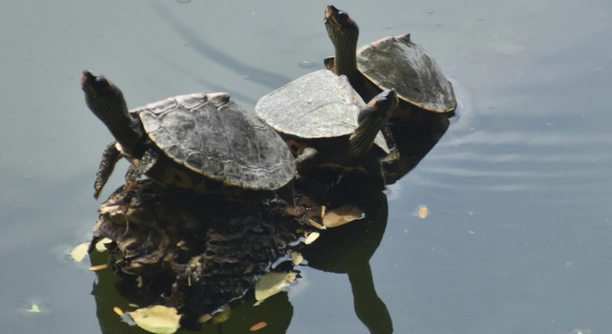
Indian Roofed Tortoises are unique and fascinating pets. They require proper care and attention to stay healthy. Observing their behavior and appearance can help determine if they need medical care.
If you notice certain signs such as changes in behavior, diet, or physical appearance, your Indian Roofed Tortoise may need a vet checkup. It’s important to address these symptoms early to avoid complications.
Understanding these signs will help you catch potential health issues early and ensure your tortoise remains happy and healthy. It’s essential to monitor your pet’s behavior and well-being regularly.
1. Loss of Appetite or Difficulty Eating
One of the first signs that something might be wrong with your Indian Roofed Tortoise is a loss of appetite or difficulty eating. If your tortoise is consistently refusing food or struggling to eat, it could indicate an underlying health issue. It is essential to closely observe their eating habits. A decrease in appetite could be caused by various factors such as stress, improper temperature, or infection. A well-balanced diet and the right temperature are crucial for maintaining their health. A lack of interest in food over several days, especially when they’ve previously been a hearty eater, should not be ignored.
If your tortoise isn’t eating, it’s a red flag that something is wrong. Proper temperature control is essential. If they are under stress or feeling unwell, they might stop eating.
Additionally, turtles and tortoises can stop eating due to digestive problems or mouth infections. This can affect their ability to eat and absorb nutrients. Ensuring their habitat is clean and their food is fresh can help, but if the problem persists, a vet visit is necessary. A vet will be able to examine the tortoise and identify if there are any hidden issues like parasites, dental problems, or other infections.
2. Changes in Behavior
Changes in behavior can be another indication that your tortoise needs a vet checkup. If your tortoise becomes unusually lethargic or overly active, it could suggest discomfort or illness.
Extreme lethargy or hyperactivity can both signal a health problem. Stress, pain, or an infection might be the cause. Regularly monitor your tortoise’s daily habits.
3. Swollen Eyes or Cloudy Eyes
Swollen or cloudy eyes in your Indian Roofed Tortoise are concerning signs of a potential health issue. This could be caused by an infection, vitamin A deficiency, or an eye injury.
A common reason for swollen eyes is a lack of vitamin A in their diet. This nutrient is crucial for their eye health and overall well-being. If your tortoise’s eyes are cloudy or swollen, it’s a good idea to check their diet to ensure they are getting the necessary vitamins and nutrients. A lack of proper UVB lighting could also contribute to this issue.
If diet adjustments don’t improve the condition, a visit to the vet is needed. Swelling or cloudiness could indicate an infection that requires treatment. Early intervention can prevent the issue from getting worse and help your tortoise recover faster. A vet will be able to determine if the cause is nutritional or medical and offer the best treatment plan.
4. Shell Damage or Soft Shell
If you notice any cracks, soft spots, or unusual growth on your tortoise’s shell, this is a sign they may need a vet checkup. A healthy shell should be smooth and hard.
A soft shell can be a sign of calcium deficiency, which is essential for maintaining the tortoise’s shell strength. Without enough calcium, the shell may become soft and prone to damage. Shell damage can also occur from accidental drops or rough handling. However, if you spot cracks or soft spots, it’s important to act quickly.
Calcium supplementation or adjustments in the tortoise’s diet and UVB exposure may be necessary. The vet can recommend proper calcium levels or other treatments to restore the shell’s condition. Additionally, injuries to the shell should be checked immediately to ensure no infection is developing. A soft or damaged shell left untreated can lead to long-term health problems, including deformities or infections.
5. Excessive Hiding or Avoidance
If your tortoise is hiding more than usual or avoiding interaction, it could be a sign of stress, illness, or discomfort.
Hiding is a natural behavior, but if it becomes excessive, it could indicate something is wrong. Stress from environmental changes, illness, or discomfort can cause them to seek seclusion. If they seem to avoid food or interaction with you, it’s time to take a closer look.
6. Weight Loss or Thinness
Significant weight loss or noticeable thinness in your tortoise is a clear sign something is wrong. It could be related to digestive issues or an infection.
Weight loss can happen for a variety of reasons, including a poor diet, internal parasites, or illnesses. If your tortoise has become noticeably thinner despite eating regularly, it is crucial to get them checked by a vet.
FAQ
1. How can I tell if my Indian Roofed Tortoise is sick?
There are several signs to look out for that might indicate your tortoise is unwell. If your tortoise refuses food, becomes lethargic, or shows abnormal behaviors, such as excessive hiding, it may be a sign of illness. Other symptoms like swollen eyes, changes in the shell, or weight loss also indicate potential health problems. Monitoring their appetite, activity level, and appearance regularly can help you spot issues early.
2. What should I feed my Indian Roofed Tortoise?
Indian Roofed Tortoises are herbivores and should have a diet consisting of leafy greens, such as dandelion leaves, collard greens, and mustard greens. You can also include edible flowers, grasses, and fruits occasionally. It’s important to avoid feeding them high-oxalate vegetables like spinach, as it can cause health problems. Providing a balanced diet is essential for their health, particularly for maintaining a strong shell and overall well-being.
3. How often should I bathe my Indian Roofed Tortoise?
Bathing your tortoise about once a week is usually sufficient. Bathing helps to keep their skin hydrated and assists with digestion. Ensure that the water is shallow enough for your tortoise to stand comfortably and that it is lukewarm. Avoid using soap or any chemical products, as these can irritate their skin.
4. Can I keep my Indian Roofed Tortoise outside?
Yes, you can keep your tortoise outdoors, but only if the climate is suitable. They need a warm environment with a secure, enclosed space to prevent escapes or predator threats. Ensure that the outdoor habitat has access to UVB light, proper shelter, and areas for burrowing. Be cautious of extreme temperatures that may harm your tortoise.
5. Why is my Indian Roofed Tortoise not eating?
If your tortoise isn’t eating, several factors could be at play. Stress from a change in environment, improper temperature, or lack of UVB light can affect their appetite. Illness or parasites can also cause a decrease in appetite. If this issue persists for several days, it’s best to consult a vet to rule out any medical conditions.
6. How can I tell if my Indian Roofed Tortoise has parasites?
Signs of parasites in tortoises include a lack of appetite, weight loss, and changes in behavior. You might also notice abnormal stool or mucus in the feces. If your tortoise shows any of these symptoms, it’s best to take them to a vet for a proper diagnosis. A vet can perform stool tests to check for parasites and recommend treatment if needed.
7. How much space does my Indian Roofed Tortoise need?
Tortoises need plenty of space to roam and explore. The minimum recommended space for an adult Indian Roofed Tortoise is around 4 to 6 square feet. However, more space is always better. A larger enclosure allows for more enrichment, which is essential for their mental and physical health. If kept outdoors, ensure the area is securely fenced to prevent escapes.
8. What is the ideal temperature for my Indian Roofed Tortoise?
Indian Roofed Tortoises thrive in temperatures between 80°F and 90°F during the day. They also need a basking spot where the temperature reaches 95°F to 100°F. At night, temperatures should drop to around 70°F. Proper temperature regulation is essential for digestion and overall health. Make sure they have a temperature gradient in their habitat so they can choose their preferred warmth level.
9. How often should I provide UVB light to my Indian Roofed Tortoise?
UVB light is crucial for the health of your tortoise, especially for calcium metabolism and shell health. It should be provided for 10 to 12 hours a day. If you’re keeping your tortoise indoors, make sure to use a proper UVB bulb designed for reptiles. Natural sunlight is the best source of UVB, but if that’s not possible, artificial lighting will suffice.
10. How can I prevent shell rot in my Indian Roofed Tortoise?
To prevent shell rot, ensure your tortoise’s habitat is clean, dry, and free of bacteria. Regularly clean the enclosure and remove any waste. If your tortoise is outside, make sure the area is free of standing water, as this can lead to shell rot. Monitor your tortoise’s shell for any signs of softness or damage, and consult a vet if you notice any changes.
11. What should I do if my tortoise’s shell is cracked?
If your tortoise’s shell is cracked, it’s important to get them checked by a vet immediately. Shell cracks can expose the underlying tissue to infection. The vet may clean the crack, apply a special ointment, and even bandage the shell to prevent further damage. You should also ensure that your tortoise’s environment is free of any hazards that could cause additional injury.
12. Is it normal for my tortoise to be inactive during winter?
Yes, it’s normal for Indian Roofed Tortoises to be less active during colder months, as they can enter a form of dormancy called brumation. During this time, they may eat less or not at all and spend most of their time resting. However, be sure to monitor them for any signs of illness, and ensure their habitat remains at the correct temperature for brumation.
13. How long do Indian Roofed Tortoises live?
Indian Roofed Tortoises typically live between 50 and 100 years, depending on their care. With proper diet, habitat, and regular vet checkups, they can live a long, healthy life. It’s important to keep in mind that they require long-term commitment, as they can outlive other pets.
14. Can I handle my Indian Roofed Tortoise?
Yes, you can handle your tortoise, but it’s important to do so gently. Excessive handling can cause stress, so it’s best to keep it to a minimum. If you need to pick up your tortoise, always support their body and avoid grabbing them by the shell. Handling should be done carefully to avoid injury.
15. How do I ensure my Indian Roofed Tortoise stays hydrated?
Make sure your tortoise has access to fresh water at all times. You can also provide hydration by soaking your tortoise in shallow, lukewarm water for 20 to 30 minutes a few times a week. This will help prevent dehydration, especially if they aren’t drinking enough water on their own.
Final Thoughts
Taking care of an Indian Roofed Tortoise requires attention to detail and a good understanding of their needs. Like any pet, they depend on us for the right environment, diet, and medical care. By observing their behavior and habits closely, you can often catch potential health issues early. Changes in appetite, activity levels, or physical appearance are clear signs that your tortoise may need a vet visit. Paying attention to these signs can help you keep them healthy for years to come.
While some issues, like shell damage or mild behavioral changes, can be treated at home with the right knowledge, others may require professional help. It’s important to seek veterinary care whenever you notice something out of the ordinary. Delaying treatment can lead to more serious health problems down the road. Regular vet checkups are key to ensuring that your tortoise stays in good health and that any underlying issues are addressed promptly. Always remember that, like any pet, they rely on you for their well-being.
The bond you share with your Indian Roofed Tortoise is special, and their health is crucial to that bond. Regular monitoring, a healthy diet, and proper care will ensure they live a long and happy life. Whether it’s adjusting their habitat, providing the right nutrition, or seeking help when needed, your tortoise’s well-being should always be a priority. By staying informed about their needs and behaviors, you’ll be able to enjoy many years with your tortoise companion.

Hello,
If you enjoy the content that we create, please consider saying a "Thank You!" by leaving a tip.
Every little bit helps us continue crafting quality advice that supports the health, happiness, and well-being of pets around the world, for pets of all shapes, sizes, and species.
We really appreciate the kindness and support that you show us!