
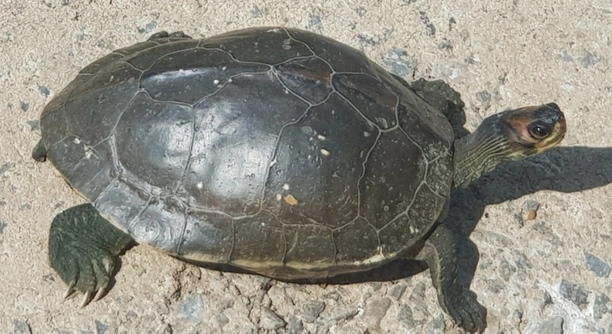
An Indian Roofed Tortoise is a fascinating pet, but sometimes it may show signs of weakness. Understanding these signs can help you provide the best care for your tortoise’s health and well-being.
Weakness in an Indian Roofed Tortoise can manifest in several ways, such as lethargy, difficulty moving, or lack of interest in food. These signs may indicate a serious underlying health issue, requiring immediate attention from a veterinarian.
Recognizing these early signs can ensure that your tortoise receives the proper care it needs. Understanding their behavior will help maintain its health and happiness.
Signs of Weakness in Your Indian Roofed Tortoise
When your Indian Roofed Tortoise becomes weak, its movement may slow down significantly. It might be struggling to lift itself up or to move around its enclosure. These physical changes can indicate various health issues, such as malnutrition, dehydration, or even infections. One clear sign to watch for is a lack of response when you try to interact with it. Healthy tortoises are typically curious, moving around actively. If your tortoise is laying motionless in its habitat, it’s important to address the issue quickly. Poor mobility can also result from inadequate environmental conditions, like temperature or humidity.
It’s crucial to identify these changes early so you can act quickly.
Low energy levels and reduced activity could point to internal issues. A weakened tortoise may also exhibit irregular behavior, such as avoiding food, or having trouble moving to its food or water. As a pet owner, it’s essential to monitor your tortoise’s daily activity closely, especially if its normal behavior changes suddenly.
Environmental Factors That Can Contribute to Weakness
One factor that can affect the movement of your tortoise is its living environment. If the temperature or humidity is incorrect, it can cause your tortoise to become lethargic and weak. This is especially important for reptiles, as they are cold-blooded and rely on their surroundings to regulate their body temperature.
Ensure that your tortoise’s habitat mimics its natural environment. If the temperature is too cold or too hot, it could make your tortoise sluggish and weak. Maintaining a proper basking spot and a cooler area in the habitat will allow your tortoise to regulate its body temperature effectively. Also, humidity plays a major role in their overall health. If the environment is too dry, it can lead to dehydration, which is another factor that can leave your tortoise struggling to move. Regularly check the humidity levels and provide fresh water for drinking and soaking. By ensuring a proper environment, you are taking a vital step in preventing further health issues.
Dehydration and Its Effects
Dehydration can cause your Indian Roofed Tortoise to appear weak and sluggish. Lack of water can make it difficult for them to move around and carry out normal activities. The tortoise might not show interest in food and may stay inactive.
If your tortoise is not drinking enough, it can lead to severe health issues. Dehydration can cause lethargy, loss of appetite, and difficulty moving. You should ensure fresh water is always available and consider providing shallow water dishes that are easy for your tortoise to access. Additionally, soaking your tortoise in a shallow bath once or twice a week helps rehydrate it. The bath should not be too deep, as tortoises cannot swim. Monitoring their hydration levels regularly will help prevent long-term health problems.
Check the environment to ensure humidity levels are adequate. Too dry a habitat will not encourage drinking and can worsen dehydration. You can also increase humidity by misting the enclosure or placing damp moss in it, providing a comfortable space for your tortoise.
Nutritional Deficiencies
A poor diet can weaken your tortoise’s body, making it struggle to move. If it’s not getting the nutrients it needs, the energy levels drop, and its ability to move becomes limited. A lack of calcium and other essential nutrients can lead to weakness.
Inadequate diet is one of the most common causes of lethargy in tortoises. Without the right amount of vitamins and minerals, they can become weak and unmotivated. It’s important to feed your tortoise a varied diet, rich in leafy greens, vegetables, and some fruits. Avoid feeding them too much fruit, as it can cause digestive problems. You should also supplement their diet with calcium and vitamin D3 to support bone health. Offering a balanced diet will help your tortoise maintain strength and energy levels. Be mindful of portion sizes to avoid overfeeding, which can lead to other health problems.
Illnesses That Affect Mobility
Various illnesses can cause your Indian Roofed Tortoise to become weak and unable to move. Infections, respiratory issues, or parasites may make it lethargic. You might notice changes in eating habits or behavior as well.
If your tortoise shows signs of illness, like wheezing, runny nose, or lack of appetite, it’s essential to seek veterinary help. Respiratory infections and other illnesses are common in tortoises and can make them feel weak, leading to difficulty in movement. Parasites can also affect their internal systems, making them sluggish. Regular check-ups are crucial for preventing these issues and maintaining your tortoise’s health.
Improper Lighting
Proper lighting is vital for your tortoise’s health. Without the right amount of UVB light, it can lead to weakened bones and muscles, making movement difficult. This can result in lethargy and weakness.
Your tortoise needs UVB lighting to help absorb calcium properly and maintain bone strength. Without it, your tortoise can suffer from metabolic bone disease, which can significantly impact its ability to move. Ensure that your tortoise has a reliable UVB light source for 10-12 hours a day, simulating natural daylight. Replace the light bulbs regularly to maintain optimal health.
Stress and Its Impact
Stress can also make your tortoise weak. A change in habitat or too much handling can cause stress, which affects its behavior. A stressed tortoise might not want to move around as usual.
FAQ
What are the main signs that my tortoise is too weak to move?
If your tortoise is too weak to move, it may show signs such as being lethargic, not reacting to your presence, or not attempting to move towards food or water. It could also have difficulty lifting its body or seem too tired to move around its enclosure. A lack of interest in its surroundings or in eating is another red flag. If these behaviors last for more than a day, it’s essential to address the issue as soon as possible.
What should I do if my tortoise is not moving or eating?
If your tortoise is not moving or eating, first check its environment. Make sure the temperature and humidity are optimal, as improper conditions can cause lethargy. Ensure that the tortoise has access to fresh water. You may also want to try soaking it in shallow warm water, as dehydration can be a factor. If these steps don’t improve the situation, a visit to the vet is necessary to rule out underlying health issues.
How do I check if my tortoise is dehydrated?
You can check for dehydration by gently pinching the skin of your tortoise. If the skin doesn’t immediately return to its original position, it could be a sign of dehydration. Additionally, if your tortoise has sunken eyes or refuses to drink water, it’s likely dehydrated. Providing regular soaking sessions in shallow water can help prevent dehydration.
Can a tortoise recover from weakness?
Yes, a tortoise can recover from weakness if the underlying cause is addressed. Whether it’s dehydration, poor diet, improper lighting, or illness, recovery depends on providing the correct care. However, some conditions, such as advanced infections or severe malnutrition, may require medical intervention. A veterinarian can help determine the cause and the best course of action for recovery.
How often should I check my tortoise’s habitat conditions?
You should check your tortoise’s habitat conditions regularly, at least once a week. Ensure that the temperature, humidity, and lighting are within the proper range. Temperature should be between 75-85°F in the cooler areas and around 90°F in the basking spot. The humidity level should be consistent with the species’ needs, typically around 50-60%. UVB lighting should be replaced every 6-12 months, as it can lose effectiveness over time.
Can stress make a tortoise weak?
Yes, stress can make a tortoise weak and cause it to become lethargic or refuse to move. Stress can be caused by changes in the environment, frequent handling, loud noises, or the presence of other animals. It’s important to create a stable and quiet environment for your tortoise. Minimizing disturbances and handling your tortoise gently and infrequently can help reduce stress.
How do I know if my tortoise is ill?
Illnesses in tortoises can manifest in several ways. Common signs include a loss of appetite, weight loss, abnormal breathing, discharge from the eyes or nose, and difficulty moving. A sick tortoise may also show changes in its shell or skin, such as soft spots or discoloration. If any of these symptoms are present, it’s best to take your tortoise to the vet for a diagnosis and appropriate treatment.
Can improper diet cause weakness in a tortoise?
Yes, an improper diet can cause weakness in a tortoise. A lack of essential nutrients such as calcium, vitamins, and minerals can lead to metabolic bone disease, which weakens the bones and muscles. A poor diet can also lead to digestive problems, making the tortoise less active. It’s essential to feed your tortoise a balanced diet of leafy greens, vegetables, and occasional fruits while ensuring it receives calcium and vitamin D3 supplements to maintain strong bones.
How can I improve my tortoise’s diet?
To improve your tortoise’s diet, offer a variety of leafy greens such as kale, collard greens, and dandelion greens. Include other vegetables like bell peppers, zucchini, and squash. You can occasionally offer fruits like strawberries or melon but avoid sugary fruits, as they can cause digestive issues. Consider using calcium and vitamin D3 supplements to support bone health. Always research the specific dietary needs of your tortoise’s species, as some may require specific foods or nutrients.
How long can a tortoise go without food or water?
A healthy tortoise can go without food for several days or even weeks, depending on its species, age, and health. However, it should never be without water for long periods. A lack of water can lead to dehydration, which is dangerous and can lead to serious health problems. Always ensure that your tortoise has access to fresh water and monitor its eating habits. If it refuses food or water for more than a few days, consult a veterinarian.
Is it normal for a tortoise to sleep a lot?
It is normal for a tortoise to sleep a lot, especially during colder months or when it’s not feeling well. Tortoises are diurnal creatures but may sleep for extended periods if they are stressed, unwell, or undergoing seasonal changes. However, excessive sleep combined with other signs of weakness or lethargy may indicate a health issue, so it’s important to monitor your tortoise closely.
Should I be worried if my tortoise isn’t moving around much?
If your tortoise isn’t moving around much, it could be a sign of health issues, stress, or an improper environment. Ensure its habitat is at the correct temperature and humidity levels. If its behavior doesn’t improve with environmental adjustments, it may be time to visit the vet for a checkup. Early detection is key to addressing health problems before they become serious.
Can a tortoise’s shell affect its mobility?
Yes, a tortoise’s shell can affect its mobility. If the shell is damaged or infected, it can cause pain and make movement difficult. Infections such as shell rot can weaken the tortoise and affect its ability to move. Regularly check for any signs of injury, discoloration, or damage to the shell. If you notice anything unusual, it’s best to consult a vet.
What should I do if my tortoise is constantly hiding?
Hiding can be a sign of stress, illness, or discomfort. If your tortoise is constantly hiding, check its environment for any changes or potential stressors, such as new animals, loud noises, or temperature fluctuations. Ensure it has a comfortable space to hide, like a burrow or shelter, and provide adequate UVB lighting and proper temperature. If the hiding continues for several days, consider a veterinary examination to rule out health issues.
How can I tell if my tortoise is overweight or underweight?
You can determine if your tortoise is overweight or underweight by observing its body shape. An overweight tortoise will have a round, puffy appearance with difficulty moving, while an underweight tortoise may have a sunken or bony appearance. Palpating its body can help you feel the ribs or spine. If you notice any drastic changes in weight, consult a veterinarian for guidance on proper diet and care.
Can I help my tortoise move around if it’s weak?
If your tortoise is weak and struggling to move, you can help by providing a soft, flat surface and ensuring that its environment is easy to navigate. Avoid picking it up too frequently, as handling can add stress. If your tortoise seems unable to move, it’s important to seek a vet’s opinion. Physical therapy may be recommended for some cases.
How often should I take my tortoise to the vet?
It’s important to take your tortoise to the vet for regular check-ups at least once a year. If your tortoise shows signs of weakness or health issues, you should schedule a visit sooner. Regular health check-ups help catch potential problems early, ensuring a long, healthy life for your tortoise.
Final Thoughts
Caring for a tortoise requires attention, patience, and understanding of their specific needs. Tortoises, while hardy, can experience health issues if their environment or diet is not properly managed. Ensuring that they have the right temperature, humidity, and UVB lighting is essential for their well-being. In addition, providing a balanced diet and keeping their habitat clean will help prevent health problems from developing. Regular observation of their behavior and habits is also important to detect any signs of stress or illness early.
If a tortoise becomes weak or shows signs of lethargy, it’s important to take action quickly. Weakness can be a sign of various issues, ranging from dehydration and poor diet to more serious health problems. Addressing the problem as soon as possible by adjusting environmental factors or seeking veterinary care can improve their chances of recovery. Ensuring proper hydration, diet, and care for their shell can prevent many common health issues. It’s important to remember that tortoises can often recover if their conditions are properly managed.
Taking the time to understand a tortoise’s needs and how to care for them properly will lead to a healthier, happier pet. Regular check-ups, proper habitat conditions, and a nutritious diet will help them thrive. However, if they show signs of weakness or distress, quick intervention is necessary. With the right care and attention, tortoises can live long and fulfilling lives. Always remember, monitoring their behavior and seeking professional help when needed will help ensure their well-being.

Hello,
If you enjoy the content that we create, please consider saying a "Thank You!" by leaving a tip.
Every little bit helps us continue crafting quality advice that supports the health, happiness, and well-being of pets around the world, for pets of all shapes, sizes, and species.
We really appreciate the kindness and support that you show us!