
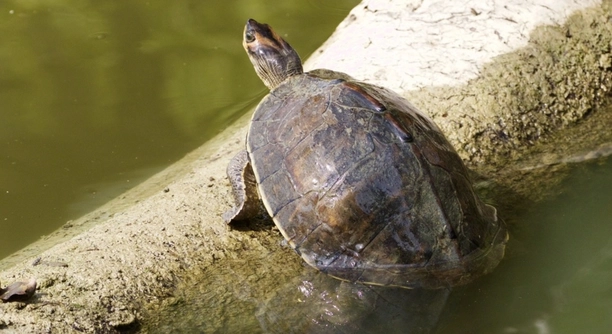
As temperatures drop, your Indian Roofed Tortoise may begin to show signs of preparing for hibernation. Knowing these signals helps ensure your pet stays healthy during this natural process.
The main signs that your Indian Roofed Tortoise is ready to hibernate include decreased activity, reduced food intake, and seeking out a cool, dark space. These behaviors indicate that your tortoise is preparing for its dormant period.
Understanding these signs can help you support your tortoise’s hibernation process safely and effectively. We’ll explore the key indicators in more detail to guide you through this important phase.
Decreased Activity Levels
As hibernation approaches, your Indian Roofed Tortoise will naturally slow down. This is one of the first signs to watch for. During the cooler months, your tortoise might spend more time in its hideout, avoiding movement. Don’t be alarmed if you notice that it isn’t as eager to explore its habitat or bask under the heat lamp.
Reduced activity is a clear indicator that the tortoise is conserving energy in preparation for hibernation. You may find that it spends the majority of the day resting, with occasional stretches of inactivity.
It’s essential to keep an eye on your pet’s overall health during this time. While decreased activity is expected, it is crucial to ensure that the temperature and humidity in its enclosure are appropriate. Too high or too low of either can prevent the tortoise from entering hibernation correctly, affecting its health. A stable environment will ensure that your tortoise can safely enter a period of dormancy without complications. If unsure, consult a vet to make sure everything is set up properly.
Loss of Appetite
One of the more obvious signs is a reduced appetite. As the temperature drops, tortoises tend to eat less. They might skip meals or show less interest in their usual food.
It’s important to monitor your tortoise’s eating habits, as this is a natural part of the process leading up to hibernation. However, you should make sure the decline in appetite is not due to another health issue. If the loss of appetite persists for a longer period or if your tortoise shows other concerning signs like weight loss or dehydration, a visit to the vet is advised.
In the weeks leading up to hibernation, the tortoise will often eat smaller portions of food. It’s normal for them to eat less, as they are gearing up for a period of inactivity. You can try offering different food options to tempt them, but if they continue to refuse, it’s best to let them rest and conserve energy. Ensuring they have access to water, even if they’re not eating much, is critical. Dehydration can be harmful, so hydration is a priority during this phase.
Seeking Cool, Dark Spaces
As hibernation nears, your Indian Roofed Tortoise will start seeking out cooler, darker spots in its enclosure. This behavior is part of its instinct to prepare for the dormant period. It’s important to monitor its movements and see where it chooses to hide.
When a tortoise begins looking for a dark and quiet corner, it’s an indication that it’s ready to start winding down. You may notice that your tortoise becomes more reclusive and spends extended periods hidden away. This behavior typically coincides with the drop in environmental temperatures, as tortoises feel the need to escape to cooler spots. If your pet is moving towards the cooler corners of its enclosure, make sure the overall temperature is regulated, so your tortoise can enter its dormant phase comfortably.
Don’t force your tortoise out of these spots, as it is simply following its natural instincts. Allow your pet the space to rest and adjust its environment accordingly to ensure it has a suitable spot for hibernation. Keeping the enclosure clean and dry during this period is important to prevent any health issues. A proper hideout with the right temperature will help your tortoise feel secure during hibernation.
Changes in Shell Appearance
It’s not uncommon for an Indian Roofed Tortoise’s shell to change slightly as it prepares for hibernation. If you notice a slight dulling of its shell, it could indicate that the tortoise is shifting into a state of dormancy. These changes are usually temporary.
A tortoise’s shell can appear less shiny or even a bit dry as it begins its hibernation preparations. This is normal, and you should avoid overcompensating with too much moisture, as it could interfere with the tortoise’s natural process. The shell may appear somewhat darker or less vibrant as the tortoise starts to slow down. Regular checks are important, but these slight changes in appearance don’t always mean there’s a problem. If your tortoise shows no other signs of illness, this is simply part of the hibernation process.
While these changes might seem worrisome, they’re typically nothing to be concerned about if your tortoise’s behavior otherwise suggests it is preparing for hibernation. Still, if you feel uneasy about the changes in your pet’s shell, or if the shell shows signs of cracking or other issues, it’s best to consult a veterinarian. Maintaining a proper balance of humidity and temperature will help keep your tortoise healthy as it prepares to enter hibernation.
Decreased Interest in Basking
Your Indian Roofed Tortoise may also lose interest in basking under the heat source as it prepares for hibernation. This is a sign that it’s adjusting its behavior for the upcoming dormant phase. It may no longer seek warmth as frequently.
Basking is essential for a tortoise’s health, but during hibernation preparation, the tortoise’s need for heat reduces. If you notice that your tortoise spends less time basking and prefers to stay in cooler spots, it’s usually a sign that it’s ready to rest. Keep the basking area available, but allow your tortoise to regulate its behavior naturally.
Reduced Interaction
You may find that your tortoise becomes less responsive to interaction as it prepares to hibernate. It might not react as eagerly when you approach its enclosure or try to engage with it.
This reduced interaction is a typical part of the hibernation process. Your tortoise is conserving energy and instinctively preparing for a long rest. Don’t be concerned about this behavior, as it’s just part of the natural cycle. During this time, it’s important to give your tortoise the space it needs without trying to force interaction.
Lowered Activity Levels
As your Indian Roofed Tortoise gets closer to hibernation, its overall activity levels will drop significantly. This is a clear sign that it is entering a more dormant state.
When the tortoise becomes less active, you may notice it spends most of its time in its hiding spot or in a quiet, dark corner. It’s important to reduce handling during this time. Your tortoise’s energy conservation is essential, and prolonged activity could cause stress. Make sure it has a quiet, secure area to rest undisturbed. This period of lowered activity is a natural part of preparing for hibernation.
FAQ
How do I know if my tortoise is sick or just preparing to hibernate?
If your tortoise suddenly becomes more inactive, stops eating, or seeks cooler spots, it may simply be preparing for hibernation. However, if these behaviors are accompanied by signs of illness like mucus around the nose, eye discharge, or abnormal behavior (such as lethargy or disorientation), it’s essential to consult a vet. Hibernation is natural, but sickness requires attention. Monitor your tortoise closely for any unusual signs that persist for longer than expected.
Should I stop feeding my tortoise when it starts preparing to hibernate?
Yes, you should gradually reduce the food intake as your tortoise prepares for hibernation. A few weeks before hibernation, start decreasing the amount of food offered. However, don’t abruptly stop feeding. Allow your tortoise’s appetite to taper off naturally. Ensure they are properly hydrated during this period, as dehydration can cause serious health issues.
Can I allow my tortoise to hibernate outdoors?
While it may be tempting to let your tortoise hibernate outdoors, it’s generally safer to keep them indoors. Outdoor conditions can be unpredictable, with temperature and humidity levels often fluctuating. If the temperature drops too low, your tortoise may not survive hibernation. It’s important to maintain a controlled environment to ensure a safe and healthy hibernation process. If you do decide to let your tortoise hibernate outdoors, make sure to monitor the environment closely and ensure it is safe and stable.
What temperature should my tortoise’s enclosure be during hibernation?
The temperature in your tortoise’s enclosure should range from 50-60°F (10-15°C) during hibernation. Any warmer and your tortoise may wake up prematurely, which could lead to health issues. Too cold, and your tortoise may not be able to maintain its body temperature properly. A consistent, cool temperature is essential for hibernation. Use a thermometer to monitor the temperature closely, and adjust the heating elements if needed.
Can I hibernate my tortoise in the fridge?
Yes, some tortoise owners use a refrigerator to safely hibernate their pets. This method can offer more consistent temperature control. If you decide to hibernate your tortoise in the fridge, make sure the temperature is stable between 40-50°F (4-10°C). Before doing so, ensure that your tortoise is healthy, well-fed, and hydrated. It’s crucial to monitor its condition regularly throughout the hibernation process to avoid any complications.
How long should I let my tortoise hibernate?
Hibernation typically lasts between 2-3 months, but the duration can vary based on the age and health of your tortoise. Younger tortoises may need a shorter hibernation period. Monitor the tortoise’s behavior carefully, and do not wake it up unless absolutely necessary. Waking it too early or too often can cause stress, which may impact its health. If you’re unsure of the timing, it’s best to consult a vet.
What should I do if my tortoise wakes up during hibernation?
If your tortoise wakes up during hibernation, don’t panic. It’s not uncommon for tortoises to stir, especially if the temperature in their enclosure fluctuates. If your tortoise wakes up and appears alert, provide water but avoid feeding it immediately. Wait for it to settle back into its resting state. If your tortoise seems disoriented or if it wakes up repeatedly, consult a veterinarian for advice. This could indicate that there’s an issue with the hibernation environment or your tortoise’s health.
Can I handle my tortoise during hibernation?
It’s best to avoid handling your tortoise during hibernation. Prolonged interaction can disrupt its natural hibernation process, leading to stress. Let your tortoise rest undisturbed in a quiet, secure environment. If you must check on your tortoise, do so briefly and without disturbing it too much. Hibernation is essential for your tortoise’s health, and minimizing stress is key to its successful completion.
What if my tortoise refuses to eat before hibernation?
It’s common for tortoises to lose their appetite before hibernation, and this is usually normal. The natural decline in appetite is due to the reduction in activity levels as your tortoise’s metabolism slows down. However, if your tortoise refuses food for extended periods and shows signs of weakness or dehydration, it’s important to seek veterinary advice. Ensure your tortoise is hydrated, as dehydration can lead to more severe health problems.
Is it necessary for my tortoise to hibernate every year?
Hibernation is a natural part of the tortoise’s life cycle, but not all tortoises hibernate every year. Some may not need to hibernate every year, especially if they are young or if environmental conditions are not right for hibernation. However, older and healthy tortoises typically benefit from a yearly hibernation period. If you’re unsure, it’s always best to consult a vet to determine the most appropriate approach for your tortoise’s health and well-being.
Final Thoughts
Hibernation is a natural and important part of an Indian Roofed Tortoise’s life cycle. By understanding the signs that your tortoise is preparing to hibernate, you can help ensure that it remains healthy during this period. Changes in behavior, like reduced activity, loss of appetite, and seeking cooler, darker areas, are all normal signs that your tortoise is getting ready to rest. However, it’s crucial to monitor its overall health and environment to prevent any complications. A stable temperature, proper humidity, and an undisturbed space for your tortoise to retreat to are key elements for a successful hibernation.
While hibernation is beneficial, it’s also important to know that not all tortoises need to hibernate every year. Younger tortoises, for instance, may not go into hibernation as frequently. The health and age of your tortoise should guide your decisions. If your tortoise refuses to eat for extended periods, becomes excessively lethargic, or shows signs of illness, it may be best to consult with a vet before proceeding with hibernation. Sometimes, an underlying health problem could be mistaken for hibernation behavior. Understanding the difference will ensure your tortoise stays in good condition.
In the end, preparing for hibernation requires careful attention and a few adjustments to your tortoise’s routine. By providing a quiet, cool, and safe environment, you can help your tortoise enter hibernation with confidence. Keep a close eye on its behavior throughout the process, and don’t hesitate to seek professional advice if anything feels off. Hibernation can be a rewarding and healthy experience for your Indian Roofed Tortoise, allowing it to recharge for the upcoming active season.

Hello,
If you enjoy the content that we create, please consider saying a "Thank You!" by leaving a tip.
Every little bit helps us continue crafting quality advice that supports the health, happiness, and well-being of pets around the world, for pets of all shapes, sizes, and species.
We really appreciate the kindness and support that you show us!