
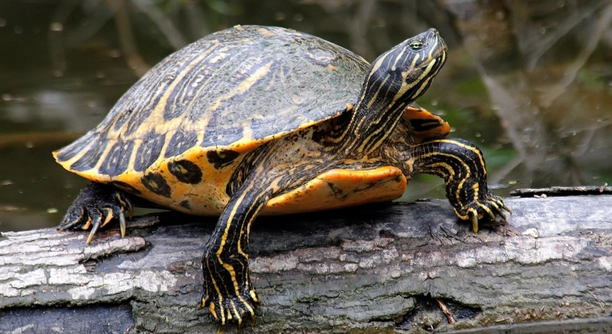
Cooter turtles are unique creatures, but just like any pet, they require proper care and attention to stay healthy. One key aspect of their well-being is ensuring they get enough vitamin D, which is essential for their growth.
A lack of vitamin D in cooter turtles can lead to several health problems, such as weakened shells and bones. This is because vitamin D helps the turtle absorb calcium, which is vital for their overall skeletal health.
Ensuring your cooter turtle gets proper sunlight or UVB lighting is crucial. This can help prevent any health issues related to a vitamin D deficiency and improve their quality of life.
Signs of Vitamin D Deficiency in Cooter Turtles
Vitamin D plays an essential role in the health of your cooter turtle. Without it, their bones and shell can weaken, making them more susceptible to fractures or deformities. The most noticeable sign of a vitamin D deficiency is a soft, deformed shell. A healthy shell should be firm and resilient, but when there is insufficient vitamin D, the shell may become pliable or malformed. Over time, your turtle may also show difficulty moving, which is a result of weakened bones. These issues occur because vitamin D is necessary for calcium absorption, which helps maintain strong skeletal structure. If your cooter turtle is struggling with movement or you notice their shell softening, it’s important to act quickly and adjust their environment or diet.
A change in behavior is another signal that your cooter turtle is lacking vitamin D. Turtles with low vitamin D levels may become more lethargic, resting longer and not engaging in their usual active behaviors. They might also show signs of muscle weakness, making them less able to climb or swim.
If you’re concerned about your cooter turtle’s health, it’s a good idea to assess their living conditions and diet. Vitamin D is crucial, but its absence can lead to significant problems. By providing the right UVB lighting or outdoor sun exposure, you can easily remedy this deficiency. If their habitat lacks natural sunlight, offering UVB lamps for reptiles will help them synthesize vitamin D from their food. Additionally, some turtle foods are fortified with vitamin D to supplement their diet, especially if they are indoors for most of the day.
How to Correct a Vitamin D Deficiency
Correcting a vitamin D deficiency in your cooter turtle is not difficult, but it does require attention. The first step is ensuring they have access to adequate UVB light. A UVB bulb is essential if your turtle spends most of its time indoors. This helps them synthesize vitamin D from the calcium in their diet. Make sure the bulb is placed close enough to them and replaced regularly as they lose effectiveness over time. Another crucial part of the solution is offering the right foods. Turtles need a balanced diet that includes foods rich in calcium and fortified with vitamin D.
If you notice your turtle still seems weak despite these changes, consider taking them to a veterinarian. A vet can provide professional guidance, ensuring your cooter turtle receives the necessary treatment.
Importance of UVB Lighting
UVB lighting is essential for your cooter turtle’s health, especially if they are kept indoors. Without proper UVB exposure, they can’t synthesize vitamin D, which directly affects calcium absorption. This is why it’s important to use UVB bulbs designed for reptiles, as regular lights won’t provide the necessary rays.
Ensure the UVB bulb is placed at the correct distance from your turtle’s basking area. If the bulb is too far, the UVB radiation will be ineffective. Additionally, keep the bulb on for around 10-12 hours a day to mimic natural sunlight. Replacing the bulb every six months is also vital, as the UVB output decreases over time, even if the light still appears to be working.
Turtles are highly sensitive to UVB light, and a lack of it can cause long-term issues. A good UVB setup can prevent the onset of soft shell syndrome and other calcium-related deficiencies. Positioning your turtle’s basking area correctly will encourage them to soak up as much UVB as they need to stay healthy. It’s a simple yet effective solution for ensuring your cooter turtle thrives.
Vitamin D in Diet
Incorporating vitamin D-rich foods into your turtle’s diet can also help combat deficiencies. Commercial turtle foods often contain added vitamins, but it’s important to supplement their meals with foods that naturally provide vitamin D. Items like leafy greens, such as collard greens, are excellent choices.
Aside from leafy greens, consider adding fish and shrimp to their diet. These foods are rich in vitamin D and will support your turtle’s calcium absorption. Be sure to avoid overfeeding your turtle with too much protein, as a balanced diet of greens and proteins will give them the best chance to stay healthy.
Offering variety in your cooter turtle’s diet will not only improve their vitamin D intake but also contribute to their overall health. A healthy, balanced diet is just as important as UVB lighting in preventing vitamin D deficiencies.
Signs of Soft Shell Syndrome
Soft shell syndrome is a clear sign that your cooter turtle is lacking vitamin D. If their shell feels pliable or soft to the touch, it indicates that their bones and shell are not absorbing enough calcium. This condition can lead to further health complications.
Other symptoms of soft shell syndrome include difficulty in movement or deformities in the shell shape. In severe cases, the turtle’s shell may become visibly distorted, which can hinder its ability to swim and bask. The longer the deficiency persists, the more pronounced these issues can become.
How to Prevent Soft Shell Syndrome
Providing a consistent UVB light source and feeding vitamin D-rich foods are the most effective ways to prevent soft shell syndrome. Ensure your cooter turtle’s basking spot is properly equipped with a UVB bulb and that they have regular access to sunlight. Their diet should include a mix of leafy greens and protein to ensure adequate vitamin D intake.
Maintaining this routine will keep their shell firm and healthy. If the symptoms appear, correcting the UVB and dietary issues quickly is essential to prevent lasting damage. Be diligent and monitor their shell’s condition regularly to catch any issues early.
Monitoring Your Turtle’s Health
Keep an eye on your cooter turtle’s overall health by observing their behavior and shell condition. If you notice a decrease in activity or difficulty in movement, it’s time to check their vitamin D levels. Regularly inspect their shell to spot any signs of softening or deformities early on.
FAQ
What are the main signs that my cooter turtle is lacking vitamin D?
The most common signs of a vitamin D deficiency in cooter turtles include a soft or deformed shell, weakness, and lethargy. If your turtle seems less active than usual or has difficulty swimming or climbing, it could be a sign of poor calcium absorption due to insufficient vitamin D. Also, a soft shell is a major warning sign that needs attention.
How can I provide the right amount of vitamin D for my cooter turtle?
There are two primary ways to ensure your cooter turtle gets enough vitamin D: UVB lighting and diet. Providing a UVB light bulb that is specifically designed for reptiles is crucial if your turtle lives indoors. Ensure the light is on for 10-12 hours a day and replace the bulb every 6 months. Along with UVB lighting, feeding your turtle a diet rich in vitamin D, such as leafy greens, fish, and shrimp, is essential.
How much UVB light does my cooter turtle need?
Your turtle needs around 10-12 hours of UVB light each day. If your turtle spends a lot of time inside, you should use a UVB bulb designed for reptiles. Make sure the bulb is placed within the proper distance from your turtle’s basking spot to allow them to absorb the necessary UVB rays. This will help them synthesize vitamin D effectively.
Can I use a regular light bulb instead of a UVB light?
No, regular light bulbs do not emit the necessary UVB rays that turtles need to synthesize vitamin D. Only UVB light bulbs specifically made for reptiles can provide the required radiation for vitamin D production. Without it, your turtle will not be able to properly absorb calcium, which can lead to health problems.
How long does it take for my turtle’s shell to improve after adding UVB light?
It can take several weeks to a few months for noticeable improvements in your cooter turtle’s shell and overall health after introducing proper UVB lighting. However, the improvement timeline depends on how severe the deficiency is. Regularly monitor their shell condition to see if it hardens and becomes more resilient over time.
What should I do if I notice my turtle’s shell is soft?
If your turtle’s shell feels soft, it is essential to act quickly. First, ensure they have access to UVB light and a balanced diet rich in vitamin D. If the softening persists, consider taking your turtle to a veterinarian who specializes in reptiles. They can check for underlying health issues and provide treatment if necessary.
Can I give my turtle vitamin D supplements?
While it’s possible to give your turtle vitamin D supplements, it’s best to focus on a natural diet and UVB exposure. Over-supplementing with vitamin D can cause toxicity, leading to health problems such as kidney damage. Always consult with a vet before introducing any supplements into your turtle’s diet.
What is the best diet for a cooter turtle lacking vitamin D?
For turtles with a vitamin D deficiency, a balanced diet that includes foods rich in calcium and vitamin D is crucial. Leafy greens like collard greens, dandelion greens, and mustard greens should be provided regularly. You can also feed them fish like minnows or shrimp, as they are good sources of vitamin D. Additionally, consider adding calcium powder to their food, as it supports bone and shell health.
How can I prevent vitamin D deficiency in my cooter turtle?
To prevent vitamin D deficiency, make sure your turtle has access to UVB light and a balanced diet. If your turtle is housed indoors, ensure they get at least 10-12 hours of UVB exposure each day. Their diet should include a variety of greens and protein-rich foods that naturally contain vitamin D. Regularly monitor your turtle’s shell and overall health to catch any potential issues early.
Is there a way to test if my turtle has a vitamin D deficiency?
The most accurate way to test for a vitamin D deficiency is through a blood test conducted by a reptile vet. If your turtle is showing signs of a deficiency, such as a soft shell or reduced activity, a vet can perform the necessary tests to confirm the issue and recommend a treatment plan.
How does a vitamin D deficiency affect my turtle’s bones and shell?
Vitamin D is crucial for calcium absorption. Without sufficient vitamin D, your turtle cannot absorb enough calcium, leading to weakened bones and a soft shell. This can result in deformities, difficulty moving, and in severe cases, the collapse of their shell. Correcting a vitamin D deficiency is vital for maintaining strong bones and shell integrity.
How can I improve my turtle’s activity levels if they’re low due to vitamin D deficiency?
To improve your turtle’s activity levels, ensure they are exposed to the proper UVB light and provided with a diet rich in vitamin D. Additionally, ensure their enclosure has ample space for swimming and basking, as physical activity is important for maintaining a healthy lifestyle. As their vitamin D levels improve, their energy should increase.
Are there any natural sunlight options if I don’t have UVB lights?
If your cooter turtle can be safely outside, natural sunlight is an excellent alternative to UVB lights. Allow them to bask in direct sunlight for about 10-12 hours a day, but make sure they have access to water and shade to prevent overheating. Be mindful of predators and extreme weather conditions when taking your turtle outside.
Can my turtle live without UVB lighting if it gets natural sunlight?
Yes, if your turtle gets adequate exposure to natural sunlight, it can fulfill its UVB requirements. However, if they spend most of their time indoors, UVB lighting will be necessary to prevent vitamin D deficiency. Outdoor access during the warmer months can provide significant benefits, but indoor lighting is essential for year-round care.
What happens if I ignore a vitamin D deficiency in my turtle?
Ignoring a vitamin D deficiency in your cooter turtle can lead to severe health problems, such as soft shell syndrome, bone deformities, and even organ failure. Prolonged deficiencies may shorten your turtle’s lifespan. Addressing the issue promptly through proper lighting and diet is key to maintaining their health.
Final Thoughts
Ensuring your cooter turtle gets enough vitamin D is crucial for its overall health and well-being. Without sufficient vitamin D, your turtle can experience a range of issues, including soft or deformed shells, weak bones, and low activity levels. Vitamin D plays a vital role in helping turtles absorb calcium, which is essential for maintaining a strong and healthy shell. Inadequate exposure to UVB light or a poor diet can lead to these deficiencies, so it’s important to address both factors to keep your turtle healthy.
Providing the right amount of UVB light and a balanced diet are the best ways to prevent and address vitamin D deficiency in your turtle. If you keep your turtle indoors, ensure it has access to UVB light for at least 10-12 hours a day. This helps them synthesize vitamin D and absorb calcium more efficiently. For outdoor turtles, natural sunlight can be an excellent source of UVB rays. Additionally, feeding your turtle a diet rich in vitamin D and calcium will support its health. Foods like leafy greens, fish, and shrimp can help meet these nutritional needs.
If you notice any signs of vitamin D deficiency, such as a soft shell or reduced activity, it’s important to act quickly. Start by adjusting the lighting and diet to improve vitamin D intake, and consult a vet if the problem persists. Early intervention is key to preventing further health issues, and with the right care, your turtle can recover and thrive. Regular monitoring of your turtle’s shell condition and overall health will help you catch any potential problems early and ensure your cooter turtle lives a long and healthy life.

Hello,
If you enjoy the content that we create, please consider saying a "Thank You!" by leaving a tip.
Every little bit helps us continue crafting quality advice that supports the health, happiness, and well-being of pets around the world, for pets of all shapes, sizes, and species.
We really appreciate the kindness and support that you show us!