
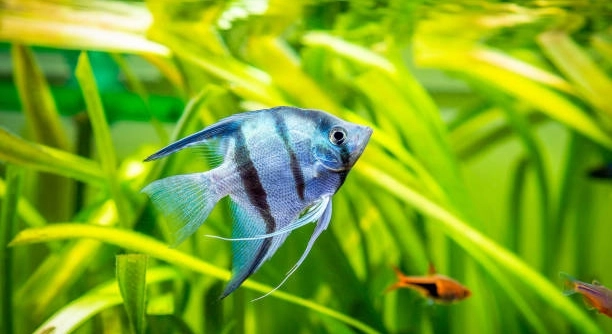
Angelfish tanks require balance to thrive. One essential element often overlooked is the presence of plants. Understanding how plants contribute to the overall health of the tank is key to maintaining a harmonious environment for your fish.
Plants provide essential benefits for an angelfish tank. They enhance water quality by absorbing toxins, offer hiding spaces for the fish, and contribute to oxygen levels. If your tank lacks plants, these factors may be affecting the well-being of your fish.
Adding more plants can improve both the appearance and function of your angelfish tank. This simple change may help restore balance and create a healthier aquatic environment for your fish.
Insufficient Plant Coverage Can Stress Your Angelfish
When your angelfish tank lacks sufficient plant life, it may lead to increased stress levels for your fish. Angelfish thrive in environments where they can seek shelter among plants, which also provide natural territories. Without these areas, your fish can become anxious and more susceptible to illnesses. Furthermore, plants help maintain water quality by filtering toxins, ensuring that the tank remains healthy. Without this filtration system, the water can become polluted quickly, harming the fish. In addition, the lack of plants can hinder the overall balance of the tank, affecting not only the fish but also the other organisms within the environment. Angelfish, in particular, are sensitive to their surroundings, and without enough plants, they may experience reduced activity levels and altered behavior.
Plant coverage is not just for aesthetic purposes. It plays a key role in the health and well-being of your fish, providing vital benefits that contribute to a thriving ecosystem.
Adding plants will improve your tank’s filtration, provide shelter for your angelfish, and reduce stress. This simple adjustment will create a better environment for both you and your fish.
Plants Help Improve Water Quality
Without plants, the water in your angelfish tank can become stale and polluted quickly. Plants help absorb excess nutrients like nitrates, improving water quality.
The growth of plants within your tank acts as a natural filtration system, absorbing harmful chemicals and providing a healthier environment for your fish. This reduces the need for frequent water changes and helps keep the tank’s ecosystem in balance. Moreover, plants release oxygen into the water, which is crucial for the health of your angelfish. In tanks without plants, the oxygen levels can drop, leaving your fish to struggle for air. This could result in lethargic behavior, difficulty breathing, and even death if not addressed.
Adding plants improves the overall environment by maintaining better oxygen levels, reducing toxins, and providing a more natural habitat. Your angelfish will feel more comfortable and secure, making them healthier and more active.
Plants Provide Essential Hiding Spots
Angelfish are naturally shy and appreciate having places to hide. Without plants, your fish may feel exposed and stressed, as they have nowhere to retreat when they feel threatened. Plants provide shelter and privacy, which help your fish feel secure and reduce the chance of aggression between tank mates.
Adding plants to your tank gives your angelfish the opportunity to explore their environment while still having areas to retreat to. They’ll use the plants to hide when they need a break from other fish, which helps lower stress levels. When plants grow densely, they create hiding spots that not only reduce the angelfish’s anxiety but also allow them to find their natural behaviors, such as foraging and swimming in a more relaxed manner.
Plants can also help reduce territorial disputes. When there are enough plants, fish can establish personal spaces, preventing overcrowding in certain areas of the tank. This helps avoid aggression and maintains peaceful coexistence.
Aquascaping Improves Tank Aesthetics
Adding plants enhances the overall look of your tank, making it more visually appealing. Plants can create a lush, vibrant environment that feels more natural and less artificial.
Aquascaping with plants not only makes your tank look better, but it also adds a sense of balance. The greenery softens the harsh edges of the tank’s structure, creating a serene underwater environment. When placed strategically, plants can add layers to the aquascape, giving depth to the tank and enhancing the visual experience. Angelfish will also feel more at home when surrounded by plants, as it replicates their natural habitat in the wild.
Well-planted tanks also serve as a healthy backdrop for other tank inhabitants. The plants help to oxygenate the water, and the lush growth can improve the overall appearance of the aquarium. This simple change can transform your tank into a more vibrant and dynamic space.
Plants Help Control Algae Growth
Plants naturally compete with algae for nutrients, helping to prevent excessive algae growth. Without plants, algae can take over the tank, making it harder to maintain clear water. The presence of plants keeps algae in check by absorbing the same nutrients.
The balance between plants and algae is crucial for a healthy tank. When plants thrive, they absorb excess nutrients, like nitrates, that would otherwise fuel algae growth. Algae growth is often a sign of nutrient imbalance, and plants provide a natural solution. Keeping algae under control also helps improve water clarity, reducing the need for chemical treatments.
Plants Add Natural Beauty and Movement
Plants create a dynamic, ever-changing environment. As they grow and sway in the water, they add movement, which keeps the tank visually engaging. The movement mimics the natural environment of angelfish, adding to their comfort and well-being.
Aquatic plants also contribute to a sense of tranquility. The subtle movement of plant leaves in the current creates a calming atmosphere. This is particularly beneficial for angelfish, who are naturally drawn to movement. With the addition of plants, your tank will feel more alive and vibrant, reflecting the peace and balance of nature.
The Right Plants for Angelfish Tanks
Not all plants are suited for angelfish tanks. It’s essential to choose plants that thrive in the same water conditions your angelfish prefer. Opt for plants that don’t grow too quickly and that can handle the fish’s delicate fins.
FAQ
How many plants should I add to my angelfish tank?
The amount of plants you need depends on the size of your tank and your angelfish’s needs. A general rule is to have plants cover about 30% to 50% of the tank. This will create a balanced environment where your angelfish can enjoy the benefits of plants without overcrowding the space. If you have a smaller tank, you may need to adjust accordingly. The key is to give your angelfish enough room to swim freely while providing enough coverage for them to feel secure.
Can too many plants be harmful to angelfish?
While plants offer many benefits, having too many can sometimes cause issues. Overcrowding the tank with plants can reduce swimming space for your angelfish, which may lead to stress. Also, too many plants can block light, affecting the growth of other plants and potentially creating low-oxygen conditions in the tank. It’s important to maintain a balance, allowing for plant growth without sacrificing space and water quality. Regular trimming of plants will help keep the environment healthy and manageable.
What are the best plants for an angelfish tank?
Some of the best plants for angelfish tanks include Java fern, Anubias, and Amazon swords. These plants are hardy and can thrive in the conditions that angelfish prefer. They’re also slow-growing, which means they won’t overwhelm the tank with rapid growth. Floating plants like water lettuce and duckweed can also provide cover without taking up too much space. Avoid plants with sharp leaves or those that may be too delicate for angelfish, as they may damage their fins or struggle to survive in the tank.
How can plants improve my angelfish tank’s water quality?
Plants play a vital role in maintaining water quality. They absorb excess nutrients, such as nitrates and phosphates, that could otherwise contribute to algae growth. By doing so, plants help keep the water clean and reduce the need for frequent water changes. Additionally, plants produce oxygen through photosynthesis, which is crucial for angelfish to breathe. They also help stabilize the pH level of the water, providing a more stable and healthy environment for your fish.
Do angelfish eat plants?
Angelfish are known to nibble on plants, but they typically don’t eat them extensively. They may nibble on soft-leaved plants, but the damage is usually minimal. If you want to protect your plants, consider using plants with tougher leaves like Java fern or Anubias, which are less likely to be eaten. Some plant varieties, like hornwort, can also handle light nibbling. However, if your angelfish are eating too much of your plants, it might be a sign of poor water conditions or lack of other food sources.
How do I maintain plants in my angelfish tank?
To maintain healthy plants, ensure they receive proper lighting, nutrients, and water conditions. Plants in angelfish tanks generally require moderate light. Too much light can lead to algae growth, while too little light can cause poor plant health. You may need to provide additional nutrients through liquid fertilizers or substrate fertilizers to ensure the plants grow well. Regular pruning helps prevent overcrowding and ensures that plants don’t take over the tank. Remove dead or decaying leaves to maintain water quality and prevent potential waste buildup.
How can I prevent algae from growing in a plant-filled tank?
Algae thrive when there is an imbalance of nutrients, especially excess nitrogen and phosphorus. To prevent algae in a plant-filled tank, maintain a healthy balance of plants that absorb these nutrients. Avoid overfeeding your fish, as excess food can lead to nutrient buildup. Regularly trim plants and clean the tank to prevent algae growth. Ensure your tank has a proper filtration system to keep the water clean. If algae become a persistent issue, consider using algae-eating fish or snails to help control the growth.
Can I use artificial plants in my angelfish tank?
While artificial plants can be an attractive option, they don’t offer the same benefits as live plants. Artificial plants don’t help with water filtration or oxygen production. They can still provide hiding spots and improve aesthetics, but they won’t improve water quality or contribute to the natural balance of the tank. If you prefer the look of artificial plants, it’s still a good idea to include some live plants for their natural benefits, even if they are minimal.
Final Thoughts
Adding plants to your angelfish tank offers numerous benefits that improve both the aesthetics and health of the tank. Plants provide shelter and hiding spots for angelfish, reducing stress and creating a more natural environment. When angelfish feel secure in their habitat, they are less likely to exhibit aggressive behavior and more likely to thrive. Plants also improve water quality by absorbing excess nutrients and helping to keep algae growth under control. This natural filtration system can reduce the need for chemical treatments and frequent water changes, making maintenance easier.
The variety of plants you choose for your tank can have a significant impact on the overall setup. Slow-growing plants, like Java fern or Anubias, are ideal for angelfish tanks because they won’t outgrow the tank too quickly and are less likely to be eaten by your fish. Floating plants can also add a nice touch, offering shade and surface coverage without taking up too much space. It’s important to select plants that fit the needs of your tank’s size and water conditions, as not all plants will thrive in every environment. Always keep in mind that healthy plants will help create a balanced ecosystem for your fish, where they can comfortably swim and interact with their surroundings.
Maintaining a planted tank requires regular care, such as trimming plants, removing dead leaves, and monitoring water quality. While plants can help reduce algae growth and improve water clarity, they still need proper lighting and nutrients to thrive. By keeping the right balance, you can enjoy the benefits of a beautiful, healthy tank with minimal effort. Overall, incorporating plants into your angelfish tank is a simple yet effective way to enhance the well-being of your fish, reduce stress, and make your aquarium look vibrant and natural.

Hello,
If you enjoy the content that we create, please consider saying a "Thank You!" by leaving a tip.
Every little bit helps us continue crafting quality advice that supports the health, happiness, and well-being of pets around the world, for pets of all shapes, sizes, and species.
We really appreciate the kindness and support that you show us!