
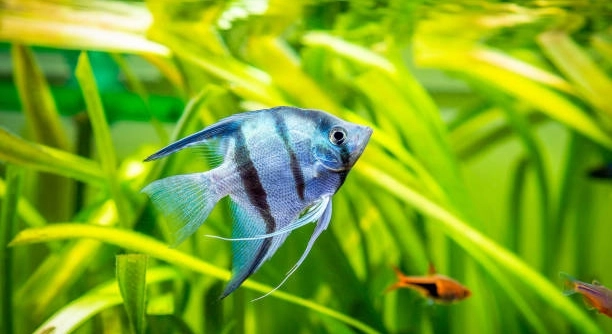
Angelfish are beautiful and fascinating creatures that can add vibrant life to any aquarium. As a fish owner, you may find yourself wondering when your angelfish might be ready to reproduce. Understanding the signs of spawning can be an exciting and rewarding part of fishkeeping.
Angelfish are ready to spawn when they display specific behaviors, such as cleaning a flat surface, showing aggression toward other fish, or forming pairs. The female’s belly will appear rounder, and both fish will engage in courtship rituals before spawning.
Recognizing these signs will help you prepare your tank for the breeding process. With the right setup, your angelfish may soon be ready to bring new life into your aquarium.
1. Signs of Angelfish Ready to Spawn
Angelfish go through several stages before they’re ready to spawn. One of the first signs is the pair’s bonding behavior. The male and female will often swim close to each other and follow each other around the tank. They may also begin cleaning a flat surface like a rock, leaf, or aquarium wall, preparing it for egg laying. The female’s belly will look fuller as her eggs develop, and both fish will engage in specific courtship rituals. As they become more comfortable with each other, they will defend their territory and chase off other fish that come too close.
When the angelfish start preparing for reproduction, it’s a good idea to observe their behavior more closely. They may also exhibit increased aggression as they begin to protect the area where they plan to lay their eggs. If you notice these behaviors, it’s time to prepare your tank for potential spawning.
The readiness of angelfish to spawn can be quite noticeable with changes in their behavior and physical appearance. Observing these signs early on will allow you to support your fish during this process.
2. Physical Changes in Angelfish
Physical changes in angelfish are another major sign they’re preparing to spawn. One of the most obvious indicators is the female’s swollen belly. This is because her eggs are developing and growing in size. The male, on the other hand, will start to display more colorful markings on his body. His fins may also become more extended.
When these changes occur, it’s clear that the angelfish are ready to reproduce. Their physical transformation makes them easy to spot, and it signals that the spawning process is not far off. These changes are crucial for successful breeding. Keeping an eye on your fish’s physical state will allow you to respond to their needs during this period.
3. Increased Aggression Towards Other Fish
When your angelfish are ready to spawn, they may become aggressive towards other tank mates. This is normal behavior as they begin to defend their chosen spawning site. The male may chase away any fish that come too close to the area they have cleaned, signaling their territorial instincts. This aggressive behavior is often seen as a protective measure for the eggs that will soon be laid.
It’s important to ensure that no other fish are interfering with their spawning area. The aggression is mostly directed at intruders, so even peaceful species can become targets. Removing or temporarily isolating other fish may help avoid stress and prevent the eggs from being disturbed.
Observing this territorial behavior is a clear sign that your angelfish are preparing for spawning. It’s a natural process and should not be viewed as a problem, but more of an indication that they are entering a breeding phase.
4. Courtship Rituals Between Pairs
Courtship rituals are another clear sign that your angelfish are ready to spawn. During this time, you will see the male and female angelfish engage in synchronized swimming patterns. The male may chase the female and exhibit specific displays, such as fluttering his fins in a unique manner. This courtship dance strengthens the bond between the two and signals that they are ready to reproduce.
The angelfish may also alternate positions around the cleaning site, making sure it is suitable for egg laying. These behaviors are essential as they prepare for the spawning process. It’s important to note that courtship rituals can take some time, so patience is key.
Once they complete their courtship, the female will lay her eggs, and the male will fertilize them. This ritual is crucial in ensuring that both fish are aligned in their reproductive efforts, ensuring a successful spawn.
5. Swelling of the Female’s Belly
As the angelfish prepare to spawn, you’ll notice the female’s belly beginning to swell. This is due to the development of her eggs, which will become more visible as they grow larger. The rounder appearance is a key sign that the female is ready to lay her eggs soon.
The swelling is not a temporary change; it’s a sign that her body is undergoing a natural process in preparation for reproduction. This change is usually accompanied by the female spending more time near the chosen spawning site, waiting for the right moment to lay her eggs.
6. Behavior of the Male Angelfish
The male angelfish plays a significant role in the spawning process. Once the female is ready, the male will show an increased interest in her and the selected spawning site. He will often circle around the female, trying to encourage her to lay her eggs while also keeping watch for any threats.
His behavior includes gentle nudges to the female’s body and subtle fin movements, signaling his readiness. He will also protect the area around the spawning site to prevent other fish from interfering. His actions are a crucial part of the courtship ritual that leads to spawning.
7. Cleaning of the Spawning Surface
Before the female lays her eggs, both the male and female will clean the surface where the eggs will be deposited. This can include a rock, a broad leaf, or a flat area of the aquarium glass. The cleaning process involves the fish using their mouths and fins to remove any debris, ensuring the eggs will be laid on a clean surface.
This behavior is a good indication that the spawning process is imminent. As they prepare the area, they are signaling that they are ready to proceed with egg laying. If you observe this behavior, it’s a clear sign that spawning is about to occur.
FAQ
1. How long does it take for angelfish to spawn after they start showing signs?
The entire process from when angelfish first show signs of readiness to when they spawn can take anywhere from a few days to a week. The courtship behavior, along with cleaning of the surface, typically happens over a few days as the fish prepare their environment. Once the pair is ready, the female will lay her eggs, and the male will fertilize them shortly afterward. If you’re observing the pair closely, you’ll notice a period of increased activity, which leads to egg-laying within a short timeframe.
2. Can I stop my angelfish from spawning if I’m not ready for them to breed?
Yes, it’s possible to prevent spawning by disrupting the conditions that encourage it. If you’re not prepared for the breeding process, you can try removing the pair from their spawning area or reduce their tank’s water temperature. Lowering the temperature can delay spawning, as it slows down the reproductive cycle. Another option is to separate the pair, as angelfish tend to bond with specific mates. However, it’s important to note that this could also cause stress to the fish, so it should only be used if necessary.
3. Should I separate the male and female angelfish after spawning?
Generally, it’s not necessary to separate the male and female after spawning, as they both typically take part in protecting the eggs. The male usually guards the area while the female remains nearby. However, once the eggs hatch, you may want to separate them if you’re concerned about the parents eating the fry or other fish disturbing the eggs. After the fry are free-swimming, the parents usually lose interest in them, and it’s up to the fishkeeper to either let the fry stay with them or remove them for safety.
4. How do I know if the eggs are fertilized?
Fertilized eggs will appear a pale, transparent color, and within a day or two, you’ll notice the embryos developing within them. Unfertilized eggs typically turn white or cloudy and will eventually develop fungus. If you spot this, it’s an indication that the eggs weren’t successfully fertilized. In some cases, the male may not have fertilized all the eggs, and it can be helpful to keep the area clean to prevent fungal growth. Removing the unfertilized eggs can prevent the fungus from spreading to the healthy ones.
5. Can angelfish breed with other fish species?
Angelfish are unlikely to breed with other fish species. They typically mate within their own species. Although different species may share similar physical traits, their reproductive cycles and behaviors do not align enough for interspecies breeding. In a tank with other species, angelfish may become territorial and protective, especially if the other fish try to enter their breeding zone. It’s best to allow angelfish to breed with their own kind for successful reproduction.
6. How can I ensure that the fry survive after hatching?
To help ensure the survival of angelfish fry, provide them with the right environment. Keep the water quality high, with consistent temperature and clean filtration. After hatching, angelfish fry are quite small and fragile, so providing finely crushed food or specially designed fry food is important. Remove any larger fish from the tank to avoid predation, as adult angelfish or tankmates may eat the fry. You may also want to use a breeding net or separate tank to protect the young during their early development stages.
7. Can I feed angelfish during the breeding process?
Yes, you can continue to feed your angelfish during the breeding process, but it’s important to feed them a high-quality, nutritious diet. Offer a variety of food like flakes, pellets, live food, or frozen options to ensure they’re receiving proper nutrients. When the female is preparing to lay eggs, she may refuse food, but it’s best to continue offering it so both fish have enough energy. Once the fry hatch, you may need to provide smaller food particles to support their growth.
8. What should I do if the parents eat the eggs or fry?
It’s not uncommon for angelfish parents to eat their eggs or fry, especially if they are inexperienced. If you notice this happening, you can try separating the parents from the eggs. You can use a breeding net to isolate the eggs until they hatch. Alternatively, you can leave the parents with the eggs and hope that they become more protective over time. However, if the parents continue eating the eggs, you may need to remove them from the tank to avoid further loss of fry.
9. Will angelfish spawn multiple times in a year?
Yes, angelfish can spawn multiple times throughout the year if conditions are favorable. In ideal settings, where water temperature and quality are stable, they may breed every few weeks. Typically, angelfish will rest between breeding attempts, but once they find a suitable mate, they may breed regularly. However, it’s important to monitor the health of the fish. Over-breeding can put strain on the female, leading to exhaustion or other health issues. Taking care of your fish and managing their breeding cycle can ensure their long-term health.
10. Is it necessary to provide special water conditions for angelfish to spawn?
Angelfish do have specific water requirements when it comes to breeding. They prefer water temperatures between 78-80°F (25-27°C) and slightly acidic to neutral water with a pH of 6.5-7.5. The water hardness should be between 3-8 dGH. These conditions promote healthy egg development and increase the chances of successful spawning. You can adjust the water temperature slightly higher to encourage spawning, but make sure not to shock the fish by sudden changes. Keeping water clean and well-filtered will also support the breeding process.
Final Thoughts
Understanding the signs that your angelfish are ready to spawn can help ensure a smooth breeding experience. From increased aggression to the cleaning of a spawning site, these behaviors indicate that your fish are preparing to reproduce. As a fish owner, paying attention to these signals will allow you to make any necessary adjustments to your tank and care routine. Proper preparation, like maintaining good water quality and providing suitable hiding spots for fry, can make a big difference in the success of the breeding process.
It’s important to remember that not all angelfish will spawn successfully on the first try. Sometimes, the pair may not be ready, or the eggs may not be fertilized. This is a normal part of the process, especially for new breeders. Patience is key. If your angelfish don’t spawn right away, don’t be discouraged. Allow them time to bond and adjust to their environment. You may need to observe and make small changes in their tank setup to support their needs during this time.
Overall, breeding angelfish can be a rewarding experience, but it requires attention to detail and a willingness to adapt. Whether you’re trying to grow your fish family or simply enjoy observing nature’s cycle, knowing when your angelfish are ready to spawn will help you provide the best care possible. By recognizing the signs and adjusting accordingly, you can create a safe and healthy environment for your fish to thrive.

Hello,
If you enjoy the content that we create, please consider saying a "Thank You!" by leaving a tip.
Every little bit helps us continue crafting quality advice that supports the health, happiness, and well-being of pets around the world, for pets of all shapes, sizes, and species.
We really appreciate the kindness and support that you show us!