
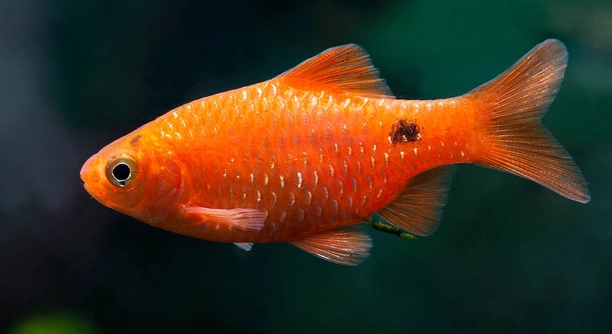
Aquariums create a small, balanced ecosystem where fish and plants thrive together. Over time, tanks may need changes to keep this environment healthy and enjoyable. Recognizing when to rearrange the tank helps maintain water quality and fish well-being.
Rearranging a tank is necessary when the current setup hinders fish movement, promotes algae growth, or disrupts natural behaviors. Regular adjustments support a stable environment by improving water flow, oxygen levels, and hiding spaces, ultimately enhancing the habitat’s overall health.
Knowing these signs early can prevent problems and keep your aquatic friends comfortable and active in their home.
Limited Swimming Space
Fish need enough room to swim freely without feeling cramped. When decorations, plants, or gravel piles block open areas, fish can become stressed or less active. Overcrowded tanks reduce water circulation, which affects oxygen levels and waste removal. Rearranging the tank to create clear swimming paths helps fish stay healthy and comfortable.
Removing unnecessary items or relocating decorations can open up space and improve movement. Fish also display more natural behavior when they have room to explore. Sometimes, adjusting the layout can create better zones for different fish species, allowing shy or territorial fish to have their own areas.
A well-arranged tank balances open swimming areas with places to hide. It’s important to observe how your fish use the space and adjust decorations accordingly. Creating enough swimming room reduces stress, leading to brighter colors and healthier fish overall.
Space directly impacts fish health and activity levels in your tank.
Clear swimming areas help fish move naturally and maintain good health.
Excessive Algae Growth
Algae growth can quickly take over a tank and spoil its appearance. When algae cover plants, decorations, and glass, it can block light and harm aquatic life. Excess algae often indicate imbalanced lighting or nutrients. Rearranging plants or decorations may help improve water flow and reduce algae hotspots.
Proper tank maintenance involves controlling light exposure and nutrient levels. Moving plants to different spots or trimming overgrown ones reduces algae-friendly conditions. Adding algae-eating fish or snails can also help keep growth in check. Rearranging can improve circulation, making it harder for algae to settle and spread. Keeping a balanced environment supports plant health and prevents algae from overwhelming the tank.
By managing algae through tank layout and care, you create a cleaner, healthier environment that benefits both fish and plants. Consistent observation helps catch algae growth early before it becomes a problem.
Uneven Water Flow
Poor water circulation can cause dead zones where debris and waste build up. These spots lower oxygen levels and increase harmful bacteria growth. Rearranging decorations or filters can improve flow, keeping water cleaner and healthier for your fish.
Adjusting the placement of plants, rocks, or equipment helps direct water movement more evenly throughout the tank. Sometimes, moving a filter outlet or adding a small powerhead creates better circulation. This prevents stagnant areas and ensures oxygen reaches all parts of the tank. Good water flow also supports beneficial bacteria that break down waste, improving water quality overall.
Consistent water movement helps fish breathe easier and reduces the chance of disease. When flow is uneven, some fish might avoid certain areas, limiting their natural behavior. Rearranging to improve circulation keeps the environment balanced and fish active.
Water flow affects tank health by preventing buildup and maintaining oxygen levels.
Properly directing flow encourages natural fish activity and reduces waste accumulation.
Lack of Hiding Spots
Fish need places to hide to feel safe, especially shy or territorial species. When hiding spots are scarce, stress increases, affecting their health and behavior. Rearranging the tank to add or relocate hiding spaces improves fish comfort.
Creating varied shelters with plants, caves, or decorations helps fish retreat when they feel threatened or need rest. Some fish prefer dense plants, while others hide under rocks or driftwood. Spreading out these shelters reduces competition and aggression between fish. Rearranging also allows you to better separate territorial species, reducing fights.
Adding more hiding places or moving existing ones can make a big difference in fish well-being. Watching fish interactions helps decide where to place shelters. A tank with enough hiding spots supports a calm, balanced environment where fish feel secure and thrive.
Uneven Lighting
Uneven lighting can cause some plants to grow too much while others struggle. It also encourages algae in brighter spots. Adjusting decorations and plant placement helps balance light exposure across the tank.
Proper lighting supports healthy plant growth and keeps algae under control. Rearranging can improve how light reaches different areas, making the tank look better overall.
Overcrowded Decorations
Too many decorations can make the tank look cluttered and limit swimming space. It also traps debris, making cleaning harder.
Removing or rearranging items improves water flow and creates a cleaner environment. Simplifying the layout helps fish move freely and keeps the tank easier to maintain.
Dead or Dying Plants
Plants that look brown or wilted affect tank health. Removing or rearranging these plants can improve water quality and appearance.
Dead plants decay and release harmful substances. Rearranging helps give healthier plants more space and light to grow.
FAQ
How often should I rearrange my tank?
Rearranging your tank depends on the needs of your fish and plants. Generally, every few months is enough to keep the environment fresh and balanced. If you notice signs like algae growth, overcrowding, or stressed fish, it might be time to rearrange sooner. Regular checks help catch problems early before they worsen.
Will rearranging stress my fish?
Some fish may get briefly stressed during rearranging, especially if their hiding spots are disturbed. To reduce stress, move decorations slowly and avoid sudden changes. Try to keep familiar elements in place and introduce new layouts gradually. Fish usually adjust quickly once they find new hiding spots and swimming areas.
Can rearranging improve water quality?
Yes, rearranging can improve water flow and circulation, which helps reduce waste buildup and increases oxygen levels. Proper layout also prevents dead zones where debris gathers. Moving the filter or decorations can boost water movement, making the tank healthier for fish and plants.
What should I consider when moving plants?
When moving plants, ensure they still get enough light and aren’t crowded by other decorations. Some plants need more space for roots to grow. Trim any dead leaves before relocating to prevent decay. Be gentle to avoid damaging delicate stems or roots during the process.
How do I create hiding spots for shy fish?
Use a mix of live or artificial plants, rocks, and caves to create varied hiding spots. Place these in quieter areas of the tank where shy fish can feel safe. Don’t overcrowd the tank with too many decorations, but make sure there are enough shelters spread throughout.
Is it necessary to remove fish during rearranging?
It’s not always necessary, but removing fish temporarily can reduce stress and prevent injury. If you decide to move fish, place them in a separate container with some of the tank water to maintain stable conditions. Otherwise, rearrange slowly and carefully to avoid disturbing the fish too much.
How can I prevent algae after rearranging?
Control light exposure by setting a timer for consistent periods, usually 8-10 hours daily. Avoid overfeeding fish, as excess food encourages algae growth. Regular water changes and proper filtration also help. Rearranging to improve water flow reduces stagnant areas where algae thrive.
Can rearranging help with fish aggression?
Yes, rearranging can reduce aggression by creating new territories and visual barriers. Placing decorations or plants between territorial fish can limit direct confrontations. Make sure each aggressive fish has its own space or hiding spots to retreat, helping balance social dynamics.
What tools or supplies do I need for rearranging?
Prepare a small bucket with tank water to hold plants or decorations temporarily. Use tweezers or aquarium-safe tools for handling plants. Have a soft cloth or sponge ready for cleaning decorations. Avoid soap or chemicals, as they can harm fish.
How long does it take for fish to adjust after rearranging?
Most fish adjust within a few days to a week. Watch for signs of stress like hiding, loss of appetite, or unusual swimming. Provide consistent care during this time. If stress continues, consider making smaller changes or adding more hiding spots.
Can rearranging fix water cloudiness?
Sometimes, yes. Rearranging to improve filtration and water flow can help clear cloudy water caused by debris buildup. Make sure to do partial water changes and clean the filter regularly. If cloudiness persists, test water parameters for other issues.
Should I rearrange plants and decorations together or separately?
It’s often easier to rearrange plants and decorations separately to avoid damage. Start by moving decorations, then adjust plants as needed. This method allows better control over space and light distribution. Always replant carefully to protect roots.
Is rearranging beneficial for all types of aquariums?
Most freshwater and some saltwater tanks benefit from periodic rearranging. However, some sensitive setups, like reef tanks, may require more caution. Research your specific tank type before making changes to avoid disrupting delicate ecosystems.
What signs indicate it’s time to rearrange?
Signs include excessive algae, limited swimming space, stressed or hiding fish, dead plants, and uneven water flow. Changes in fish behavior or appearance also suggest a need for adjustment. Regular observation helps determine the best time to rearrange your tank.
How can I make rearranging less disruptive?
Plan the new layout before starting. Gather all tools and supplies ahead of time. Work slowly and gently to avoid stirring up debris or stressing fish. Keep water temperature and quality stable during the process. Small, gradual changes usually cause less disturbance.
Can rearranging improve plant growth?
Yes, repositioning plants to areas with better light and water flow promotes healthier growth. Removing overcrowded plants also reduces competition for nutrients. Regular trimming and replanting help maintain a balanced and attractive aquascape.
This FAQ covers many common concerns related to tank rearranging. Taking time to understand these points makes the process smoother and benefits your aquarium’s long-term health.
Rearranging your aquarium is an important part of keeping a healthy and balanced environment for your fish and plants. Over time, tanks can become crowded, water flow can weaken, and algae or dead plants may take over. These changes affect the well-being of the animals living inside. By regularly adjusting decorations, plants, and equipment, you help maintain clean water, good oxygen levels, and enough space for fish to swim and hide. Small changes can make a big difference in how comfortable and healthy your aquatic pets feel.
It’s normal for fish to feel a little stressed during rearranging, but this usually passes quickly when the tank environment improves. When you move items carefully and create a layout that meets the needs of all your fish, they begin to act more naturally. Hiding spots, open swimming areas, and good water circulation help reduce stress and aggression among tank inhabitants. Watching how your fish react to changes is important, as it helps you understand what works best. Rearranging is also an opportunity to clean the tank better and remove any dying plants or buildup that could harm water quality.
Maintaining an aquarium takes ongoing care and attention. Rearranging the tank is one way to prevent problems before they get serious. It keeps the ecosystem balanced and enjoyable to watch. While it might seem like a small task, it affects the health of everything inside the tank. Taking time to make thoughtful adjustments shows that you care about the fish and plants and want them to thrive. With regular observation and occasional rearranging, you can create a beautiful and healthy home for your aquatic life for years to come.

Hello,
If you enjoy the content that we create, please consider saying a "Thank You!" by leaving a tip.
Every little bit helps us continue crafting quality advice that supports the health, happiness, and well-being of pets around the world, for pets of all shapes, sizes, and species.
We really appreciate the kindness and support that you show us!