
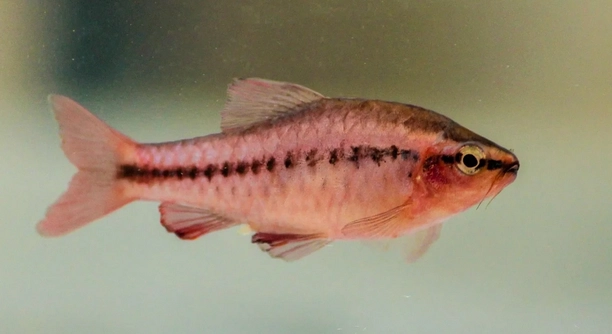
Cherry Barb fry are a delight to care for, and understanding their well-being can ensure they grow healthy and strong. It’s important to recognize the signs that show they are thriving in your care.
The health of Cherry Barb fry can be gauged by factors like their growth rate, swimming behavior, feeding habits, and vibrant coloration. Fry that are doing well will exhibit active behavior, consistent growth, and a strong appetite.
By paying attention to their signs of health, you can maintain a healthy environment for your Cherry Barb fry and promote their overall growth. Understanding these indicators will help you ensure their success in your aquarium.
1. Active Swimming Behavior
One of the first things to look for is how active the Cherry Barb fry are. Healthy fry tend to swim around the tank with ease and curiosity. When they are doing well, they will swim both actively and energetically, exploring their surroundings. Fry that are thriving usually swim in short bursts, often darting between plants or other hiding spots. If they’re swimming near the surface and interacting with their environment, it’s a positive sign of their overall health.
A fry that spends a lot of time sitting in one spot, especially in a corner, may indicate stress or poor health. You should always make sure your fry are comfortable and have enough space to swim freely.
Proper water conditions and suitable tank mates play a role in keeping them active and healthy. Ensuring the tank is set up correctly will give them the space they need to thrive and grow. They will swim naturally if the water is clean and safe for them.
2. Healthy Growth Rate
Healthy growth is one of the most obvious signs that Cherry Barb fry are doing well.
Cherry Barb fry should grow steadily as they develop. A lack of growth or stunted size can indicate that something isn’t quite right. The key to good growth is consistent feeding and a stable environment. Fry should grow about 1-2 millimeters per week during the first few months of their life.
To ensure they grow well, provide them with high-quality food such as baby brine shrimp, infusoria, or crushed fish flakes. It’s important not to overfeed, but also ensure they have enough to eat. Water quality, temperature, and tank conditions also play a role in growth. If they’re not growing at a normal rate, you may need to adjust their environment.
Keeping an eye on their size and development will help you identify any issues early and make adjustments as needed.
3. Consistent Feeding Habits
When Cherry Barb fry are doing well, they will actively eat whenever food is available. Healthy fry will have a strong appetite and will consistently look for food during feeding times. If they show interest in their meals and eat without hesitation, it’s a good sign they are healthy.
Pay attention to their feeding behavior, as fry that are not eating may be stressed or facing water quality issues. To maintain their feeding habits, make sure you’re providing nutritious food and avoid overfeeding, which can lead to poor water quality. Fry typically feed multiple times a day, so it’s important to offer small portions that they can consume easily. If your fry are constantly swimming to the surface for food and eating well, they’re likely in good condition.
Additionally, try to vary their food choices to encourage healthy growth and prevent any dietary deficiencies.
4. Vibrant Coloration
Healthy Cherry Barb fry should have vibrant colors, with red, orange, and even gold hues becoming noticeable as they grow. Fry that are doing well will have bright, clear markings, especially on their fins and bodies.
Dull or faded colors are often a sign of stress, poor diet, or unsuitable water conditions. It’s important to monitor how the colors change as they develop. Vibrant coloration means they are properly nourished and thriving. Fry with healthy color are more likely to grow at a healthy rate and show better swimming behavior.
To support vibrant colors, ensure the water is clean, temperature is stable, and they are fed a balanced diet. High-quality food with carotenoids or color-enhancing additives can also help maintain their brightness. It’s also essential to reduce stressors in the tank to keep their colors from fading.
5. Social Behavior
Cherry Barb fry that are doing well tend to be social with each other. They will often school together, swimming in groups or pairs. This behavior shows they are comfortable in their environment. Healthy fry are rarely isolated and prefer the company of others.
If they are displaying social behavior, it indicates a well-adjusted environment. Fry that hide all the time or stay in one spot may be stressed or sick. Ensuring they are in a group helps them feel safe and secure, promoting healthy growth.
Keep their tank environment calm, and avoid sudden changes that could cause stress.
6. Clear, Healthy Eyes
A clear, bright-eyed look is another indicator of healthy Cherry Barb fry. Fry with cloudy or sunken eyes may be struggling with illness or poor water quality.
Healthy fry will have eyes that are bright, clear, and intact. This shows they are free from diseases that affect their vision and overall well-being.
Maintaining clean water and ensuring the fry are not overcrowded can help keep their eyes healthy and sharp.
7. Stable Water Parameters
Consistent water conditions are essential for the well-being of Cherry Barb fry. Stable temperature, pH, and water hardness are key factors that affect their growth and overall health. Fry thrive in slightly acidic to neutral water (pH 6.5-7.5) and prefer a temperature between 74-80°F (23-27°C).
When water parameters remain stable, fry are less likely to develop stress-related health issues. Sudden fluctuations in temperature or pH can cause discomfort and may slow their growth or lead to illness. To maintain stability, regularly test the water and perform partial water changes to ensure the best conditions for your fry.
Having a quality filtration system and keeping an eye on ammonia or nitrite levels will also prevent toxic buildup, helping your fry stay healthy longer.
FAQ
How can I tell if my Cherry Barb fry are stressed?
Stressed Cherry Barb fry may exhibit behaviors like hiding in corners, swimming aimlessly, or staying at the surface of the water. They might also stop eating or show dull coloration. If your fry are avoiding interaction with the group or seem lethargic, it’s a sign they could be stressed. Stress in fry is usually caused by poor water quality, sudden changes in the environment, or the presence of aggressive tank mates. It’s important to monitor water parameters and remove any potential stressors from their environment.
What should I feed my Cherry Barb fry?
Cherry Barb fry require a diet rich in protein to promote healthy growth. Newly hatched fry can be fed live baby brine shrimp, infusoria, or finely crushed fish flakes. As they grow, you can introduce larger food such as small bloodworms or daphnia. It’s important to feed them small portions multiple times a day to ensure they have enough nutrition. Avoid overfeeding, as excess food can pollute the water and cause health issues.
Can I keep Cherry Barb fry with other fish?
While Cherry Barb fry can be kept with other species, it’s important to choose tank mates that won’t stress or harm them. Small, peaceful fish like other Barb species or tetras are usually safe choices. Avoid aggressive fish or larger species that might see the fry as food. Additionally, ensure that the water conditions and temperature are suitable for all the fish in the tank. Keep a watchful eye on the fry’s behavior to ensure they are not being bullied.
How often should I do water changes for Cherry Barb fry?
Frequent water changes are crucial to keeping your Cherry Barb fry healthy. You should aim to change about 20-30% of the water every 1-2 weeks, depending on the size of your tank and the number of fry. This helps maintain water quality and removes excess waste that could harm the fry. If your fry are in a small tank, you may need to change the water more often. Always make sure the replacement water is treated and matches the tank’s temperature and pH.
What water temperature is ideal for Cherry Barb fry?
The ideal water temperature for Cherry Barb fry is between 74°F and 80°F (23°C to 27°C). Fry need a stable temperature to grow and thrive. If the water is too cold or fluctuates too much, it can stunt their growth and make them more susceptible to disease. Using a reliable aquarium heater and thermometer will help maintain the right temperature. Ensure the temperature doesn’t rise too high, as extreme heat can also cause stress and health problems for the fry.
How can I encourage Cherry Barb fry to grow faster?
To promote faster growth in Cherry Barb fry, maintain stable water conditions, feed a high-quality, protein-rich diet, and ensure they have enough space. Providing them with suitable hiding spots, like plants or decorations, can also reduce stress, allowing them to grow more efficiently. Consistency in water parameters, temperature, and feeding is key to healthy development. Avoid overcrowding, as this can stunt their growth and lead to stress-related issues.
What is the best tank setup for Cherry Barb fry?
For Cherry Barb fry, the tank should be well-planted with plenty of hiding spots. Fine-leaved plants like Java moss or water sprite are great for providing cover and helping fry feel secure. A gentle filter is important, but it should not create strong currents that could stress the fry. Keep the tank free of sharp objects that could injure the delicate fry. Regular water testing and maintenance are essential to ensure the environment stays clean and suitable for their growth.
Why are my Cherry Barb fry not eating?
If your Cherry Barb fry are not eating, it could be due to poor water quality, incorrect temperature, or stress from tank mates. Make sure the water parameters are stable and within the proper range. Sometimes, they may also refuse food if they are not used to the type of food offered. Try switching to live or freshly hatched foods, which are often more appealing to fry. If they continue to refuse food, inspect the tank for any signs of illness or external stressors.
Can Cherry Barb fry survive without parents?
Yes, Cherry Barb fry can survive without their parents. In fact, once the fry are free-swimming, they are usually best left to grow on their own. The adult fish, including the parents, might even pose a risk to the fry by accidentally or intentionally eating them. It’s often a good idea to move the fry to a separate tank or breeding net to ensure their safety from adults and to help maintain better water quality for them.
How do I prevent disease in my Cherry Barb fry?
To prevent disease in Cherry Barb fry, maintain excellent water quality by performing regular water changes and monitoring for any signs of ammonia, nitrite, or nitrate buildup. Ensure the tank is not overcrowded and that the fry are not exposed to excessive stress. Avoid overfeeding, as leftover food can lead to bacterial growth. It’s also crucial to quarantine any new fish before introducing them into the tank to prevent the spread of disease.
Final Thoughts
Caring for Cherry Barb fry is a rewarding experience that requires attention to detail and consistency. By monitoring key factors such as water quality, temperature, and feeding habits, you can ensure that your fry grow healthy and strong. These small fish are not only beautiful but also quite resilient when provided with the right environment. Keeping track of their activity levels, growth rate, and social behavior will give you clear signs of how well they’re doing. It’s essential to regularly check for any signs of stress or illness, as early intervention can prevent major issues down the line.
One of the most important things to remember is that Cherry Barb fry are sensitive to changes in their environment. Sudden shifts in temperature, water chemistry, or tankmates can cause stress that may stunt their growth or even harm them. Creating a stable and secure habitat is key to raising healthy fry. With proper care, they’ll gradually develop their beautiful colors, become more active, and start to form strong social bonds. As they grow, you’ll also notice their feeding habits become more consistent, showing they are thriving in their environment.
Overall, the health and well-being of Cherry Barb fry depend on a balanced approach to tank maintenance and feeding. It’s crucial to provide them with the proper space, food, and water conditions that cater to their needs. By staying on top of these basic requirements, you can enjoy watching your fry grow into beautiful, colorful adult fish. With patience and regular care, Cherry Barbs can live a long and healthy life, adding vibrant energy to your aquarium.

Hello,
If you enjoy the content that we create, please consider saying a "Thank You!" by leaving a tip.
Every little bit helps us continue crafting quality advice that supports the health, happiness, and well-being of pets around the world, for pets of all shapes, sizes, and species.
We really appreciate the kindness and support that you show us!