
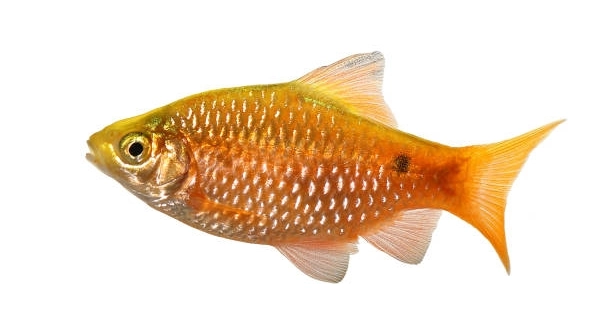
Rosy barbs are lively freshwater fish often kept in pairs. Observing their behavior helps owners understand how these fish form bonds. Recognizing signs of bonding can improve care and create a peaceful aquarium environment.
Rosy barb pairs bond through shared activities such as swimming close together, mirroring movements, and displaying mutual grooming behaviors. These signs indicate social attachment and cooperation, important for their well-being in captivity.
Learning to identify these behaviors allows owners to support the natural relationship between rosy barbs and enhance their overall health and happiness.
Close Swimming and Mirroring Movements
When rosy barbs bond, one clear sign is how closely they swim together. They often stay side by side, moving in sync through the tank. This mirroring behavior shows comfort and trust between the pair. You might notice one fish turning or darting, and the other following immediately with the same speed and direction. It’s a subtle way they communicate and stay connected. Over time, these swimming patterns become more frequent as their bond strengthens. This behavior also helps reduce stress, making the fish feel safer in their environment. Watching them can be calming and reveals a lot about their relationship. It’s important to provide enough space and hiding spots to encourage this natural behavior. If the tank is too crowded or stressful, the barbs might avoid each other instead.
Mirroring movements are a reliable way to spot a bonded rosy barb pair. It reflects their strong social connection and comfort in each other’s presence.
Observing their swimming together helps you understand how much they trust each other. This bond supports their health and makes them less prone to stress-related illnesses. When caring for rosy barbs, keep the tank environment stable to maintain this harmony.
Mutual Grooming and Nuzzling
Mutual grooming between rosy barbs is a gentle, caring behavior seen in bonded pairs. It involves one fish lightly nuzzling or rubbing against the other’s body. This action helps keep their scales clean and shows affection. Grooming also strengthens their social bond by providing comfort. The fish may take turns grooming, indicating a balanced relationship where both feel secure. This behavior is subtle but important in their daily interactions. It often happens near plants or decorations, where they feel safe. Grooming reduces tension and signals acceptance, which is vital for peaceful tank life.
Mutual grooming shows a healthy bond and mutual trust between rosy barbs.
When you notice these gentle touches, it means the pair feels safe and connected. This behavior not only promotes physical health but also emotional well-being. In a well-maintained tank, grooming supports their social life and helps avoid conflicts. Maintaining good water quality and a calm environment encourages this positive behavior, making your rosy barbs more active and happy.
Coordinated Feeding Behavior
Coordinated feeding happens when rosy barbs eat together without competition. They share food calmly and respect each other’s space. This behavior shows a strong bond and mutual trust during meal times.
When bonded, rosy barbs swim toward food at the same time, often eating side by side. They don’t chase or push each other away, which is common in less social pairs. This peaceful feeding reduces stress and helps all fish get enough nutrition. Watching them share food calmly indicates a stable relationship and balance in the tank. It also reflects their ability to cooperate, which is important for their survival in a shared environment.
Coordinated feeding suggests a pair is well bonded because they prioritize harmony over competition. This behavior supports overall tank health and makes caring for them easier, since less fighting means fewer injuries and stress.
Sharing Territory
Sharing territory means rosy barbs live comfortably in the same areas of the tank without signs of aggression. They respect each other’s space and avoid conflicts over hiding spots or favorite swimming zones.
When a pair shares territory, they often rest and explore close to one another, using the same plants or decorations. This peaceful coexistence shows that they have established boundaries that both respect. Territorial disputes are rare, and both fish maintain calm behavior. The ability to share space reduces tension and encourages bonding. It also creates a stable environment, which benefits their health and wellbeing. A well-set tank with enough hiding places helps support this behavior by preventing overcrowding or competition. This mutual respect is a key sign that your rosy barbs feel secure together and enjoy each other’s presence.
Resting Close Together
Resting close together is a clear sign of bonding in rosy barb pairs. They often pause side by side, showing comfort and trust without feeling threatened.
This behavior means they feel safe with each other’s presence. Close resting helps reduce stress and builds a strong social connection that benefits their overall well-being.
Mutual Alertness
Mutual alertness happens when one rosy barb senses danger and the other immediately responds. This shared awareness shows cooperation and attentiveness within the pair.
Their quick reactions protect both fish, demonstrating how bonded pairs watch out for each other in the tank environment.
Playing Together
Playing together involves chasing and gentle nipping without aggression. It is a fun way rosy barbs interact and build their relationship.
This playful behavior helps keep them active and strengthens their social bond in a healthy way.
How can I tell if my rosy barbs are really bonded?
Bonded rosy barbs show clear signs such as swimming close together, mirroring each other’s movements, and resting side by side. They also feed calmly without competition and may engage in gentle grooming. These behaviors indicate trust and comfort in their relationship, which reduces stress and promotes health.
What should I do if my rosy barbs are not bonding?
If your rosy barbs are not showing bonding behaviors, first check the tank environment. Overcrowding, poor water quality, or lack of hiding spaces can cause stress and prevent bonding. Ensure the tank is spacious and stable. Sometimes, introducing new decorations or plants helps create separate areas for each fish, allowing gradual interaction.
Is it normal for rosy barbs to show aggression sometimes?
Some mild aggression can occur, especially when the pair is newly introduced or during feeding times. However, constant chasing or biting indicates stress or poor bonding. If aggression persists, separating the fish temporarily or rearranging the tank layout can help reduce tension.
How important is tank size for rosy barb bonding?
Tank size plays a key role. A larger tank gives each fish room to swim freely and avoid conflicts, making bonding easier. Small or cramped tanks can increase stress and aggression. For a pair of rosy barbs, at least 20 gallons is recommended to support healthy social behavior.
Can bonded rosy barbs live with other fish?
Yes, bonded rosy barbs often coexist peacefully with other species, especially if those species are calm and similar in size. Introducing compatible tank mates helps maintain social balance but watch for any signs of stress or bullying to keep peace.
How long does it take for rosy barbs to bond?
Bonding time varies but usually takes a few weeks. During this period, they gradually show more coordinated swimming, shared resting spots, and mutual grooming. Patience and a stable environment help speed up this process.
Does feeding affect bonding behavior?
Yes, feeding can either promote or hinder bonding. Offering food at the same time and place encourages coordinated feeding and reduces competition. Unequal or aggressive feeding habits can cause stress and disrupt bonding.
What are signs that rosy barbs are stressed despite bonding?
Even bonded pairs can show stress signs like rapid breathing, hiding, or loss of appetite. Stress often comes from poor water conditions or sudden changes in the tank. Maintaining clean water, stable temperature, and a calm environment is essential for their well-being.
Can bonding improve the overall health of rosy barbs?
Bonding positively impacts rosy barbs’ health by reducing stress and promoting natural behaviors like swimming and grooming. A bonded pair is usually more active, eats well, and resists disease better than isolated or aggressive fish.
Should I intervene if my rosy barbs stop bonding?
If bonding suddenly stops, observe for changes in environment, water quality, or tank mates. Sometimes minor adjustments like cleaning the tank or rearranging decorations help. If problems persist, temporarily separating the fish may be necessary until conditions improve.
What role does water quality play in rosy barb bonding?
Water quality directly affects fish behavior and health. Poor conditions can cause stress, aggression, and prevent bonding. Regular water changes, proper filtration, and monitoring parameters like pH and ammonia are crucial to support bonding and well-being.
Is it better to keep rosy barbs in pairs or groups?
While pairs can bond deeply, rosy barbs are naturally schooling fish and often thrive in groups. Groups provide more social interaction and reduce pressure on any one fish. However, pairs can bond strongly when kept with enough space and good care.
When caring for rosy barbs, understanding how they bond helps create a peaceful aquarium. Bonded pairs show many behaviors like swimming closely together, feeding calmly, and resting side by side. These actions show they trust each other and feel safe in their environment. When rosy barbs bond, it lowers their stress and keeps them healthier. Providing a good space with clean water and enough hiding spots encourages these positive interactions. Paying attention to their behavior can help you know when they are comfortable or if changes are needed.
Bonding is important because it affects how rosy barbs live and grow in captivity. A strong bond between fish means they are less likely to be aggressive or stressed. This makes your aquarium a calmer place and can help prevent illness. Sometimes, fish take time to bond, and that’s normal. Being patient and keeping their tank stable supports this process. If problems happen, like fighting or avoidance, checking the environment and making adjustments can help. Good tank maintenance and a peaceful setting are key to supporting rosy barbs’ natural social needs.
Overall, bonding is a sign that your rosy barbs are happy and well cared for. Watching these signs gives insight into their health and comfort. Taking small steps to support their social behavior makes a big difference. Whether it is providing enough space, feeding them properly, or keeping water clean, these efforts build a strong bond between your fish. A bonded pair is more active, less stressed, and easier to care for. Understanding these behaviors helps you provide the best environment for your rosy barbs to thrive.

Hello,
If you enjoy the content that we create, please consider saying a "Thank You!" by leaving a tip.
Every little bit helps us continue crafting quality advice that supports the health, happiness, and well-being of pets around the world, for pets of all shapes, sizes, and species.
We really appreciate the kindness and support that you show us!