
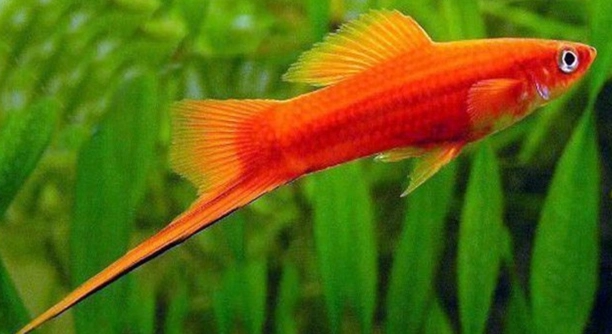
Swordtails are lively fish that thrive in aquariums, but they require a stable environment to stay healthy. One important factor to monitor is the oxygen levels in the water. Low oxygen can harm your swordtails.
When swordtails lack oxygen, they exhibit symptoms like rapid gill movement, surface gasping, lethargy, and loss of appetite. These signs suggest that the water may not have enough oxygen, which can lead to serious health issues for your fish.
Recognizing these signs early can help you take quick action and prevent further complications. Ensuring proper oxygen levels will support your swordtails’ overall well-being. Keep reading to learn how to improve their aquatic environment for a healthier life.
Rapid Gill Movement
When swordtails are struggling with low oxygen, one of the first signs is rapid gill movement. Normally, swordtails breathe calmly, but if they feel a lack of oxygen, they may start moving their gills quickly. This happens because they’re trying to get more oxygen from the water. If you see this, it’s time to check the oxygen levels in your tank. Rapid gill movement should not be ignored, as it may indicate that the fish are under stress.
To improve oxygen levels, consider adding a filter, air pump, or airstone to your aquarium. These devices increase water circulation and oxygen exchange. If your tank is overcrowded, reducing the number of fish can also help. Regular water changes and maintaining clean water can prevent low oxygen situations from occurring.
Keep an eye on your swordtails and their breathing. If you notice any change, act fast to restore oxygen levels in the tank. Healthy swordtails need enough oxygen to thrive, and addressing the issue quickly can help avoid more serious health problems down the line.
Surface Gasping
When swordtails are gasping at the surface of the water, it’s often a sign they’re struggling for oxygen. This behavior usually happens when the water is oxygen-deprived, and your fish are attempting to breathe more efficiently.
To fix this, increase water movement with a filter or air stone. You can also ensure your aquarium has proper water surface agitation, which promotes oxygen exchange.
Lethargy and Weakness
Lethargy is a common sign that swordtails are not getting enough oxygen. If your swordtails are unusually still or seem less active than usual, low oxygen might be the issue. Oxygen plays a major role in fish energy levels, and without it, they tend to slow down.
If you notice this, try to improve water circulation. Adding an air pump or adjusting the filter can help boost oxygen flow. It’s also essential to check the water temperature, as warmer water holds less oxygen. You may need to make a few adjustments to get your swordtails back to their active selves.
Overcrowding can also contribute to low oxygen. A smaller fish population can allow each fish to get more oxygen. Don’t forget to do regular water changes and keep the tank clean to avoid oxygen depletion in the future.
Loss of Appetite
Swordtails may lose their appetite when oxygen levels are low. Without enough oxygen, their metabolism slows down, and they may not feel like eating. A healthy fish usually eats regularly, so a sudden lack of interest in food can be a clear sign that something is off.
To resolve this issue, make sure your tank has proper oxygenation. If you’re not already using one, an air pump or airstone can provide the extra oxygen your fish need. Also, check if the water quality is poor, as high levels of waste can also contribute to oxygen depletion.
Monitoring the water temperature is important too. Warmer water holds less oxygen, so lowering the temperature slightly might help. Keep the tank clean and maintain good water conditions to encourage your swordtails to eat and regain their health.
Erratic Swimming
Swordtails may start swimming erratically when oxygen levels are low. If you notice them darting around the tank or swimming near the surface, it could be a sign they are struggling to get enough air. This frantic behavior usually happens when the fish are stressed from a lack of oxygen.
If you see erratic swimming, it’s time to improve oxygen circulation. Adding an air stone, air pump, or upgrading your filter can provide the extra oxygen they need. Keeping the water clean and checking for overcrowding can also help restore normal behavior.
Gasping for Air
Gasping at the surface is a clear signal that your swordtails are lacking oxygen. This behavior indicates that they are trying to get air from the surface because the oxygen in the water is insufficient. If this continues, your fish may become stressed.
To fix this, check your tank’s aeration and consider adding airstones or increasing water circulation. Also, make sure the water temperature is stable, as warmer water holds less oxygen. These adjustments can help your swordtails breathe more easily and feel less stressed.
FAQ
What causes low oxygen levels in a swordtail tank?
Low oxygen levels in a swordtail tank can be caused by several factors. Overcrowding is a primary cause, as more fish require more oxygen. Poor water circulation also contributes, as stagnant water doesn’t allow for proper oxygen exchange. Additionally, high water temperatures reduce the amount of oxygen that can be dissolved in the water. If your tank is overstocked or has inadequate filtration, oxygen levels can drop quickly. You may need to adjust the tank’s setup to improve air exchange and provide better aeration.
How do I increase oxygen levels in my swordtail tank?
To increase oxygen levels, start by improving water circulation. Adding an air pump or air stone can significantly help, as these devices ensure the water is properly aerated. You can also upgrade your filter to one that promotes better water movement. Another method is to perform regular water changes, as clean water holds more oxygen. Lowering the water temperature can also be helpful, as cooler water retains oxygen better than warmer water. Ensuring your tank is not overcrowded is crucial for maintaining proper oxygen levels as well.
Can a swordtail tank have too much oxygen?
It’s unlikely to have “too much” oxygen in a tank, but excessive water movement can stress out your fish. Swordtails prefer calm water with gentle movement, so it’s important to find a balance. If the water flow from your filter or air pump is too strong, it may cause your swordtails to feel stressed or exhausted, especially if they are trying to swim against the current. You can adjust the flow rate or place the equipment in a way that ensures smoother water movement without overwhelming the fish.
How can I tell if my swordtails are getting enough oxygen?
You can monitor your swordtails’ behavior to gauge oxygen levels. Healthy swordtails will swim actively, stay near the middle of the tank, and breathe normally. If your fish are gasping at the surface, showing rapid gill movement, or swimming near the water surface more often, it’s a sign they may not be getting enough oxygen. Additionally, lethargy and a loss of appetite are red flags. Keeping track of these behaviors can help you address the issue before it becomes serious.
What should I do if my swordtails are showing signs of oxygen deprivation?
If your swordtails are showing signs of oxygen deprivation, it’s important to act quickly. First, check the tank’s oxygen levels using a test kit or by observing the water’s surface for any signs of inadequate aeration. Increase water movement by adding an air pump or airstone to the tank. Adjust the filter to ensure proper circulation, and make sure the tank isn’t overcrowded. Performing a water change can also help improve oxygen levels. If the problem persists, reduce the water temperature slightly and observe if your swordtails recover.
Are certain tank conditions more likely to lead to low oxygen?
Yes, certain tank conditions can increase the likelihood of low oxygen levels. Overcrowded tanks are particularly problematic, as too many fish compete for limited oxygen. Poor filtration and lack of water movement can also hinder oxygen exchange. High water temperatures, especially in tanks without proper cooling systems, can also reduce the dissolved oxygen in the water. In addition, inadequate water maintenance, such as infrequent water changes, can cause the oxygen levels to drop. Regular tank maintenance, including cleaning filters and checking the temperature, is essential to prevent these issues.
How often should I check the oxygen levels in my swordtail tank?
It’s a good idea to monitor the oxygen levels in your swordtail tank regularly, especially if you notice any behavioral changes in your fish. You don’t need to test it daily, but once a week or every few weeks is a good practice. If you have a tank with heavy stocking, poor filtration, or higher water temperatures, you may want to check the oxygen levels more frequently. Keeping an eye on your fish’s behavior can also give you a clue when something’s wrong. If they show signs of distress, it’s time to check the oxygen levels right away.
Can plants help increase oxygen in the tank?
Yes, live plants can help increase oxygen levels in your swordtail tank. During the day, plants perform photosynthesis, releasing oxygen into the water. This can be a great natural way to improve oxygenation. However, it’s important to ensure that you have the right balance of plants, as too many can lead to other water quality issues, such as excess organic matter. Be sure to maintain a healthy level of plants and clean your tank regularly to avoid complications.
What are the best filtration systems for oxygenation in a swordtail tank?
For optimal oxygenation, consider using a filter that promotes water movement and surface agitation. Canister filters are often a good choice, as they offer powerful filtration and water circulation. Sponge filters are another option, especially for smaller tanks or breeding setups, as they provide gentle water movement. Hang-on-back filters can also be effective, as long as they create enough surface agitation. It’s important that the filter creates movement on the water surface to ensure proper gas exchange and oxygen levels.
Is it normal for swordtails to swim near the surface of the tank?
Swordtails may swim near the surface of the tank from time to time, especially during feeding or when exploring their environment. However, if they are constantly swimming at the surface or gasping for air, this is not normal and could indicate low oxygen levels. If your swordtails seem to be spending excessive time at the surface, it’s a sign to check the oxygen levels and improve water circulation.
Final Thoughts
Keeping your swordtails healthy and happy in their aquarium requires attention to detail, especially when it comes to oxygen levels. Swordtails, like all fish, need enough oxygen to thrive. If their oxygen needs aren’t met, they can become stressed, lethargic, and even face serious health issues. Signs of low oxygen include rapid gill movement, surface gasping, and unusual swimming behavior. By recognizing these early symptoms, you can address the issue quickly and ensure that your swordtails remain active and healthy.
There are many ways to improve oxygen levels in your tank. The simplest methods include adding an air pump or air stone to increase water circulation and oxygen exchange. It’s also important to ensure that your filter is working well and creating enough water movement. If your tank is overcrowded, reducing the number of fish will help prevent oxygen depletion. Regular water changes will also keep the water clean and allow it to hold more oxygen. If you’re noticing ongoing problems with low oxygen, check the water temperature, as warmer water holds less oxygen.
By making small adjustments and staying vigilant, you can create an environment where your swordtails can thrive. Oxygen is a critical factor in their overall health, and addressing any issues early can prevent further stress. Regular monitoring, maintaining good water quality, and ensuring proper tank setup will keep your swordtails happy and energetic. With proper care, your swordtails will enjoy a long, healthy life in their aquatic home.

Hello,
If you enjoy the content that we create, please consider saying a "Thank You!" by leaving a tip.
Every little bit helps us continue crafting quality advice that supports the health, happiness, and well-being of pets around the world, for pets of all shapes, sizes, and species.
We really appreciate the kindness and support that you show us!