
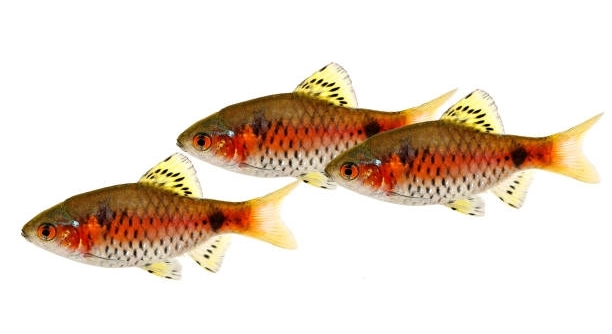
Are your Rosy Barbs swimming around more than usual, weaving through plants, or hanging near corners of the tank?
Rosy Barbs often explore their territory as a natural behavior linked to curiosity, environmental adjustment, and social interaction. Observing these actions helps owners recognize healthy movement patterns and identify early signs of stress or imbalance.
Understanding these signs can help you better support your fish and create a thriving, enriched tank environment for them.
They Swim Along the Glass More Frequently
Rosy Barbs swimming along the glass walls of the tank is often one of the first signs they’re exploring. This behavior may look repetitive, but it’s a natural way for them to learn the limits of their environment. They use their sight and lateral line system to sense water movement, helping them adjust to new or changed conditions. If you’ve recently cleaned the tank, added new plants, or changed the layout, this reaction is likely a response to those updates. It can also happen when they’re getting used to new tank mates. As long as their movement isn’t frantic or paired with signs of stress like color fading or torn fins, it’s typically harmless. Observation helps you tell the difference between normal exploration and something more serious. A calm and steady swimming pattern is often a positive sign of healthy curiosity, especially when it happens around the time of environmental changes.
This behavior is normal and typically harmless, especially when other signs of good health are present.
Rosy Barbs are naturally active fish, so pacing or gliding along the glass shouldn’t be mistaken for stress unless it becomes excessive or erratic. Keep an eye on their behavior to notice any changes that might need your attention.
They Nudge Objects or Decor Often
Rosy Barbs may begin nudging decorations, plants, or rocks more frequently when they’re getting used to their space. This behavior helps them become familiar with their environment through physical interaction and sensory feedback.
They might push into plants, tap against smooth rocks, or even shift small objects around the tank. This isn’t aggressive behavior—it’s often a way for them to test boundaries and locate hiding spots or swim paths. Young or recently introduced fish show this behavior more often, especially in tanks with lots of hiding places or fresh changes. If the objects stay secure and don’t pose a risk, it’s fine to let them continue. Avoid sharp decor or items that could trap fins or scales. Offering a mix of textures and shapes keeps their curiosity satisfied. It’s also helpful for social interaction, especially if you keep them in groups. These nudging actions usually calm down once they’ve fully mapped their space.
They Swim Through New Openings in Decor
Rosy Barbs will often weave through new gaps or tunnels created by plants, rocks, or decorations. This shows they are testing and memorizing paths in their environment, which helps them feel more secure.
Once they find an opening, they usually return to it multiple times. It becomes part of their routine as they explore, often swimming through from different angles or speeds. This repeated behavior can seem playful, but it’s also a natural method of building confidence and spatial awareness. They’re learning which spaces are safe, where they can turn, and what areas offer cover. If you notice them doing this shortly after a tank change, it’s a clear response to new surroundings. Adding more decor with gentle curves or openings can support their curiosity while helping reduce stress. Just make sure openings are large enough to avoid them getting stuck or injured while exploring.
You may also notice them pausing at new openings before passing through. This hesitation isn’t fear—it’s caution. They are assessing size, movement, and safety before moving forward. Their behavior will become quicker and more confident once they’ve done it a few times. Giving them time and space to explore supports their natural need for discovery.
They Check Out the Filter Area More Than Usual
The area around the filter often attracts Rosy Barbs when they’re exploring. They may swim close, circle it, or hover nearby as they examine the water flow and vibration it creates.
This part of the tank offers a mix of sound, movement, and texture that draws their attention. Filters change how water moves, and Rosy Barbs naturally respond to those changes. They’ll often swim against the current to test their strength or float in the calm space behind the filter. It becomes a small challenge and also a comfort zone. Their return to the area, especially in early morning or just after feeding, shows it’s part of their routine. If they linger too long or seem stuck, it could mean the flow is too strong or something in the setup needs adjustment. Otherwise, their curiosity around the filter is simply part of their active nature and interest in their environment.
They Chase Each Other Gently Around the Tank
Rosy Barbs may begin chasing one another in a light, non-aggressive way when exploring. This is usually a playful interaction, especially in groups, and helps them understand social order and boundaries in their shared space.
They often take turns leading or following, especially when one finds a new area. This behavior encourages group movement and helps the whole school learn the layout of the tank. It’s a positive sign when there’s no nipping or fin damage involved.
They Pause Near New Plants or Decor
When Rosy Barbs notice new items, they often pause nearby to observe before interacting. This stillness is part of how they assess safety and decide whether to approach. They may hover for a few seconds or circle once before moving on. It shows they’re taking in their surroundings and adjusting slowly.
They Explore More After a Water Change
Fresh water can energize Rosy Barbs, encouraging them to swim actively and inspect parts of the tank they may have ignored before. This is a normal, healthy reaction and often brings out their natural curiosity.
How can I tell if my Rosy Barbs are exploring or stressed?
Exploration usually looks calm and curious. Rosy Barbs will swim smoothly, check out new spots, or gently interact with tank decor. Stress often shows as frantic swimming, hiding, loss of color, or clamped fins. If your fish return to normal activity after a while, it’s likely exploration. If stress signs persist, check water quality, tank mates, and environment.
Why do Rosy Barbs explore more after water changes?
Fresh water can stimulate fish because it often feels cleaner and cooler, which encourages activity. This boost in energy leads them to swim more and check areas they might avoid when the water is less fresh. A water change can also slightly alter the environment’s scent or temperature, triggering natural curiosity and exploration.
Is it safe to add more decorations to encourage exploration?
Adding decor can be beneficial if done carefully. Rosy Barbs enjoy varied environments with plants, rocks, and tunnels to investigate. Make sure decorations have smooth edges and openings large enough to prevent trapping. Avoid overcrowding the tank, which can stress fish and limit swimming space. Balance is key to supporting healthy exploration.
Do all Rosy Barbs explore in the same way?
No, individual fish have unique personalities. Some are naturally more curious and active, while others may be shy or reserved. Age and group size also matter; younger or smaller groups often show more exploration. Watching your fish over time helps you understand their typical behavior and what’s normal for them.
Can exploration behavior indicate health problems?
Exploration itself isn’t a sign of illness, but sudden changes in behavior might be. If a Rosy Barb explores less, hides more, or shows signs like faded colors, rapid breathing, or erratic swimming, it could mean stress or health issues. Regular water tests and observation help catch problems early.
How should I respond if my Rosy Barbs are exploring too much?
Excessive exploration might mean the tank is too small or missing hiding spots. Consider adding decor or increasing tank size if possible. Also, check water conditions and tank mates. If fish seem restless or stressed, improving the environment can reduce excessive movement and improve comfort.
Can exploring behavior help reduce aggression?
Yes, giving Rosy Barbs things to explore can lower aggression. When they focus on investigating plants, rocks, or tunnels, they’re less likely to chase or nip each other. An enriched environment keeps them occupied and supports social harmony, especially in groups of five or more.
How long does exploration behavior usually last after changes?
Exploration tends to peak right after new decorations or water changes and then slows as fish get used to the environment. This period can last from a few hours to several days depending on the size of the change and the individual fish’s temperament. Monitoring their behavior helps gauge when they’ve settled in.
Is it necessary to provide a variety of textures and shapes for exploration?
Yes, variety is important. Different textures and shapes stimulate Rosy Barbs’ senses and keep their environment interesting. Plants, smooth stones, driftwood, and tunnels all offer unique experiences. This variety supports mental stimulation and natural behavior, which contributes to overall well-being.
Should I separate a Rosy Barb that explores too aggressively?
If a fish is aggressive while exploring—chasing, nipping, or injuring tank mates—it may need attention. Sometimes, this happens due to overcrowding or stress. Separating the aggressive fish temporarily can prevent harm. Adjusting tank conditions or adding more hiding places often reduces aggression and encourages peaceful exploration.
Rosy Barbs exploring their territory is a natural and healthy behavior that shows they are comfortable and curious about their environment. Watching them swim around, check new spots, and interact gently with decorations is a sign they feel safe. Exploration helps them learn their space, find hiding places, and stay active. It is important to remember that this behavior usually comes in waves, especially after changes like adding new plants or cleaning the tank. These moments allow the fish to adjust and grow familiar with their home. When they explore calmly and steadily, it means they are doing well and adapting without stress.
Providing a balanced and enriching environment supports Rosy Barbs’ natural curiosity. Tanks with varied decorations, such as smooth rocks, plants, and tunnels, offer different textures and hiding spots for them to investigate. This variety keeps them mentally and physically engaged. However, the tank should not be overcrowded with decor, as Rosy Barbs also need space to swim freely. Regular water changes and maintaining good water quality also encourage healthy exploration. A stable and clean environment reduces stress, so the fish feel safe enough to move about and check their surroundings comfortably.
Paying close attention to how your Rosy Barbs behave during exploration can help you spot early signs of health or environmental problems. Sudden changes, like frantic swimming or hiding, may need your attention. Most of the time, though, exploration is simply part of their daily life. It reflects their interest in the space and their need for stimulation. By supporting this natural behavior with a well-maintained tank and suitable decor, you create a better home for your fish. This care helps Rosy Barbs stay happy, healthy, and active, making your aquarium a pleasant and lively place to enjoy.

Hello,
If you enjoy the content that we create, please consider saying a "Thank You!" by leaving a tip.
Every little bit helps us continue crafting quality advice that supports the health, happiness, and well-being of pets around the world, for pets of all shapes, sizes, and species.
We really appreciate the kindness and support that you show us!