
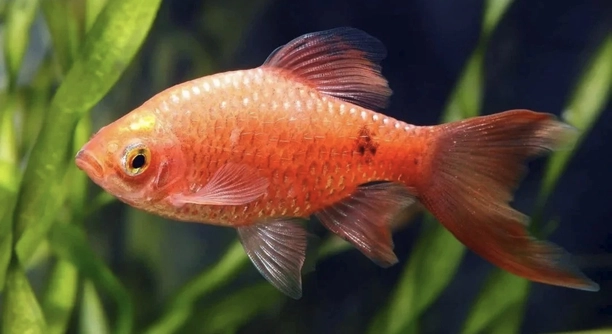
Rosy barbs are popular aquarium fish known for their bright colors and active behavior. Many hobbyists enjoy watching them grow and interact, especially when they start showing signs of breeding. Recognizing these signs helps ensure the best care for their spawning process.
Rosy barbs show breeding readiness through several clear signs: increased chasing and nudging among fish, the appearance of brighter colors, swollen bellies in females, males developing breeding tubercles, nest-building behavior, changes in appetite, and heightened activity levels. These indicators typically appear before and during spawning.
Understanding these signs allows aquarists to prepare the environment for successful breeding. Proper care during this period supports the health and development of both adults and fry, making it a rewarding experience for fish keepers.
Increased Chasing and Nudging Behavior
Before rosy barbs begin breeding, their behavior changes noticeably. Males often chase females around the tank more frequently and may nudge them gently. This chasing is part of their courtship, meant to encourage females to prepare for spawning. You may also see males competing with each other, showing off their colors and trying to assert dominance. This behavior typically occurs in the morning and can last several days. It signals that the fish are ready to reproduce and that spawning is near. Watching this behavior helps you know when to create the right conditions for breeding, such as providing clean water and hiding places.
These active displays are one of the earliest signs of rosy barbs’ readiness to breed. It indicates a healthy environment and a good chance for successful spawning.
Observing chasing and nudging can also help you identify the breeding pair and monitor their interactions closely to avoid stress or injury among the fish.
Brighter Colors and Physical Changes
One of the most visible signs that rosy barbs are preparing to breed is a change in their appearance. Males often develop more vibrant colors, especially along their fins and bodies. The reds and oranges become richer and more intense, which helps attract females. Females may show a slight swelling in their bellies as their eggs mature. Males sometimes develop tiny white bumps, called breeding tubercles, on their heads and bodies. These changes are natural and important for the breeding process. They indicate the fish are healthy and ready to spawn. You can support this stage by feeding high-quality food and maintaining optimal water conditions. Ensuring a calm environment helps reduce stress and increases the likelihood of successful mating. Watching these physical changes closely allows you to prepare the tank for egg laying and care for the fry once hatched.
Nest-Building Behavior
Rosy barbs may start clearing small areas in the tank or rearranging plants before spawning. This behavior helps prepare a safe spot for eggs. It signals that the breeding phase is imminent and the fish are ready to lay eggs.
Creating a suitable environment supports this behavior. Adding fine-leaved plants or spawning mops provides the fish with ideal surfaces to deposit eggs. It also protects the eggs from being eaten by adults. Monitoring tank conditions like temperature and cleanliness during this period is crucial to encourage successful spawning. Providing a calm and stable environment helps reduce stress, making the fish more comfortable to complete their breeding process.
This nest-building phase is often accompanied by increased activity and focused attention on the chosen spawning area. It is an important indicator that the breeding cycle is progressing as expected.
Changes in Appetite and Activity
Rosy barbs sometimes eat less or change their feeding habits before breeding. This shift is normal and indicates their energy is being directed toward reproduction. Some may become more aggressive or restless as spawning approaches.
Adjusting feeding during this time helps keep the fish healthy. Offering nutritious, high-protein foods in smaller amounts supports their energy needs without causing water quality issues. Maintaining consistent feeding schedules prevents unnecessary stress and encourages natural behavior. Increased activity often includes more swimming and chasing, reflecting readiness to mate. Observing these changes helps identify when to make tank adjustments for breeding support, such as reducing disturbances and optimizing water parameters. Careful attention to these signals ensures a healthier breeding environment for rosy barbs.
Males Developing Breeding Tubercles
Male rosy barbs develop small, white bumps called breeding tubercles on their heads and bodies during breeding season. These bumps help males grip females gently during spawning. The presence of tubercles is a clear sign that males are ready to breed and actively seeking mates.
Breeding tubercles usually appear as tiny, rough spots. They fade after spawning ends, marking the conclusion of this phase.
Heightened Activity Levels
Rosy barbs become more active and restless when breeding time approaches. They swim faster, chase each other, and display increased energy. This heightened activity is linked to courtship and mating behavior. Keeping the tank environment stable during this time helps reduce stress and supports successful breeding.
Preparing the Tank for Spawning
Maintaining clean water, adding fine plants, and providing gentle filtration create ideal conditions for rosy barbs to spawn and protect their eggs.
How long does it take for rosy barbs to start breeding once they show signs?
Once rosy barbs begin showing breeding signs like chasing and brighter colors, spawning typically occurs within a few days to a week. This period allows them to prepare physically and mentally for reproduction. During this time, maintaining ideal tank conditions is crucial to encourage successful mating. Temperature, water quality, and availability of suitable spawning sites should be carefully monitored and adjusted. Providing a stress-free environment helps reduce aggressive behavior and supports the health of both males and females before breeding.
What water conditions are best for rosy barb breeding?
Rosy barbs breed best in clean, slightly soft to moderately hard water with a temperature between 72°F and 78°F (22°C–26°C). The pH should be neutral to slightly alkaline, around 7.0 to 7.5. Stable water parameters promote natural breeding behaviors and reduce stress on the fish. Frequent water changes before and after spawning help maintain high water quality. Gentle filtration is important to avoid disturbing the eggs or fry. Adding live plants or spawning mops creates safe places for egg attachment and protects eggs from being eaten.
Do rosy barbs eat their eggs or fry?
Yes, rosy barbs often eat their own eggs and newly hatched fry if left unchecked. This behavior is common among many egg-scattering fish. To prevent this, separate adults from eggs immediately after spawning or provide dense plant cover or spawning mops where eggs can hide. Using a breeding tank or divider helps protect eggs and fry during their vulnerable stages. Once fry are free-swimming, feeding them small, nutritious food encourages healthy growth and reduces the risk of being eaten by adults.
How can I tell male and female rosy barbs apart during breeding?
Males typically display brighter and more intense colors than females during breeding, especially in their fins and bodies. They also develop breeding tubercles—small white bumps on their heads and bodies. Females have rounder, fuller bellies as their eggs mature, and their colors remain softer. Behaviorally, males are more active and often chase females. Observing these differences helps identify breeding pairs and allows better tank management to support successful spawning.
What should I feed rosy barbs before and during breeding?
Before and during breeding, feed rosy barbs a high-protein diet to support energy and egg development. Foods like live or frozen brine shrimp, bloodworms, and high-quality flakes or pellets work well. Feeding small amounts several times a day ensures proper nutrition without overfeeding, which can harm water quality. Avoid sudden diet changes or overfeeding, as stress may reduce breeding success. Proper nutrition helps fish display healthy breeding behaviors and improves fry survival rates.
How often do rosy barbs breed in captivity?
Rosy barbs can breed several times a year in captivity if conditions are right. Spawning typically happens during warmer months or when the tank environment mimics natural seasonal changes. However, overbreeding can exhaust fish and lead to health problems. Monitoring fish health and allowing rest periods between breeding cycles promotes long-term wellbeing. Providing consistent care and suitable breeding environments encourages natural breeding frequency while maintaining fish vitality.
What signs indicate eggs have been successfully fertilized?
Fertilized eggs are usually clear to slightly opaque and stick to plants or spawning mops. After spawning, eggs that turn white or fuzzy are unfertilized or have fungus and should be removed to prevent contamination. Fertilized eggs typically hatch within 24 to 36 hours depending on temperature. Observing eggs carefully helps track development and detect problems early. Maintaining clean water and appropriate temperature supports healthy embryo growth and increases the chances of successful hatching.
Can rosy barbs breed without plants or spawning mops?
While plants or spawning mops provide ideal sites for egg attachment, rosy barbs may still breed on smooth tank surfaces like glass or decorations. However, eggs laid on bare surfaces are more vulnerable to being eaten or damaged. Providing fine-leaved plants or spawning mops improves egg survival by offering protection and hiding spots. If plants aren’t available, consider adding spawning mops or mesh as a substitute to increase breeding success and protect developing eggs.
How should I care for rosy barb fry after hatching?
After hatching, fry require frequent feedings of very small food like infusoria, newly hatched brine shrimp, or finely crushed flakes. Maintain clean, stable water with gentle filtration to avoid disturbing the tiny fry. Partial water changes help preserve water quality without shocking them. Keep fry in a separate breeding tank or protected area to prevent predation by adults. As fry grow, gradually introduce larger foods and increase swimming space. Consistent care during this stage improves survival and healthy development.
Understanding the signs that rosy barbs are about to breed is important for anyone keeping these fish in an aquarium. Recognizing changes in their behavior and appearance helps prepare the tank environment to support successful spawning. From increased chasing and brighter colors to nest-building and changes in appetite, these signs indicate that the fish are ready to reproduce. Paying close attention to these details allows for timely adjustments in care, such as improving water quality, adding plants or spawning mops, and monitoring feeding habits. These steps contribute to a healthy breeding process and better survival rates for the fry.
Caring for rosy barbs during their breeding period requires a stable and clean environment. Maintaining proper water conditions, including temperature, pH, and cleanliness, is essential to reduce stress on the fish. It is also helpful to create hiding spots or safe areas where eggs and fry can develop without threat from adult fish. Feeding the fish a balanced, high-protein diet supports their energy needs during breeding. Observing the fish closely and reacting promptly to any signs of stress or illness will improve the chances of a successful breeding cycle. This attention to detail ultimately helps maintain the overall health of the aquarium.
Breeding rosy barbs can be a rewarding experience, but it also demands patience and care. Understanding their natural behaviors and physical changes helps aquarists provide the right conditions at the right time. While the process may take some trial and error, learning to recognize and respond to these breeding signs ensures better outcomes for the fish and their offspring. Keeping the environment calm, feeding well, and preparing the tank properly are key factors that influence success. These efforts not only support the fish during spawning but also create a thriving community in the aquarium for the long term.

Hello,
If you enjoy the content that we create, please consider saying a "Thank You!" by leaving a tip.
Every little bit helps us continue crafting quality advice that supports the health, happiness, and well-being of pets around the world, for pets of all shapes, sizes, and species.
We really appreciate the kindness and support that you show us!