
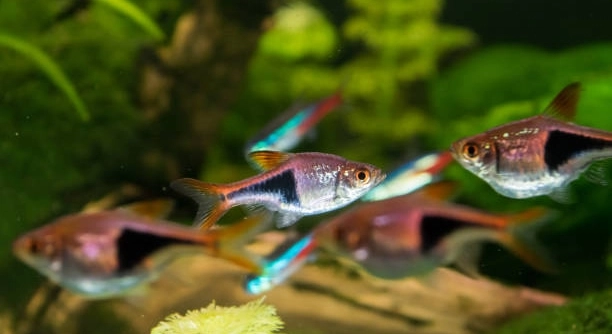
Rasboras are small, peaceful fish that thrive in groups, creating a calm and lively atmosphere in aquariums. Observing their behavior can reveal interesting patterns that show how they interact with each other naturally.
Rasboras display bonding through synchronized swimming, gentle nudges, shared resting spots, and coordinated feeding. These behaviors indicate social cohesion, mutual recognition, and the development of trust within the group, reflecting their natural tendencies for companionship and collective activity.
Recognizing these subtle interactions can help you maintain a healthy and harmonious environment for your rasboras to flourish.
Synchronized Swimming
Watching rasboras move together is always a calming experience. They often swim in tight groups, mirroring each other’s movements almost perfectly. This coordination isn’t random; it shows a level of comfort and trust within the group. When one rasbora changes direction, others follow seamlessly, which helps them feel safer. This behavior also reduces stress and creates a more stable social structure. Observing this can be especially rewarding if you have multiple tanks, as some groups develop stronger bonds than others. The speed, spacing, and fluidity of their swimming are all subtle indicators of their social connection. It’s fascinating to notice how even small gestures, like a slight turn of the head or a quick dash, are copied by others, reinforcing their connection. Synchronized swimming is one of the clearest signs that your rasboras are forming strong social ties and enjoying the presence of each other.
When rasboras swim together in harmony, it signals trust and group cohesion, reflecting healthy social interaction and balanced dynamics in the aquarium.
Noticing these movements can help you understand how your rasboras interact and adjust tank conditions to support their natural behavior patterns.
Gentle Nudging
Rasboras often nudge each other lightly to communicate or establish presence.
These small touches are not aggressive; they are ways the fish recognize each other, share space, and maintain social bonds. Nudging occurs near resting spots or feeding areas. It helps reinforce group structure, showing which individuals are comfortable interacting closely. Gentle nudges can also indicate curiosity or a desire for attention within the group. Watching how often and where these nudges happen gives insight into their relationships. Over time, these interactions strengthen connections, making the group more cohesive and reducing conflict. Recognizing and understanding nudging behavior allows you to better support their environment, ensuring each fish has enough space and feels secure. Creating a balanced tank with hiding places and plants encourages natural nudging without stress, helping your rasboras maintain healthy and calm social interactions, which ultimately improves their overall well-being and happiness.
Shared Resting Spots
Rasboras often gather in the same areas to rest, showing comfort and trust in each other. These spots are usually near plants or decorations, providing safety. Sharing space indicates strong social bonds and reduces stress within the group.
Rasboras prefer resting in groups rather than alone. When multiple fish occupy the same area, it reflects their mutual trust and sense of security. This behavior is important for maintaining a calm tank environment, as isolated fish may feel anxious or stressed. Group resting also helps regulate their daily rhythms, keeping the school coordinated. Watching where and how they rest reveals patterns in their relationships and helps identify dominant or shy individuals. Shared resting is a subtle but reliable sign that your rasboras are forming stable social connections.
Over time, these resting patterns can become consistent. You may notice the same pairs or small clusters staying close together, rarely straying from their favored spots. This behavior reduces stress and enhances overall group harmony. Encouraging natural hiding spots and comfortable resting areas supports these behaviors, making the aquarium more enjoyable for the fish. Observing these interactions offers a closer look at their personalities and social dynamics.
Coordinated Feeding
Rasboras often eat together in a coordinated manner, reflecting their social organization. They wait for each other, swim in synchrony, and share food without aggression.
Feeding time is an excellent opportunity to observe bonding. Rasboras may circle the food slowly, letting others take bites first or feeding in unison. This behavior is more noticeable in well-established groups where trust has been built. The coordination reduces competition and ensures that all members get a chance to eat. It also reflects their natural schooling instincts, which evolved to increase survival and efficiency in the wild. By watching feeding habits, you can identify strong social bonds and understand which fish interact more frequently, as well as which ones may be more timid or dominant. Over time, coordinated feeding reinforces group cohesion and contributes to a healthy, stable aquarium environment.
Mirroring Movements
Rasboras often mimic each other’s movements, showing awareness and connection. This mirroring can occur while swimming, turning, or exploring the tank, reflecting comfort and social alignment.
Mirroring is a sign that rasboras are paying attention to their group members. It strengthens bonds and helps the school stay coordinated.
Close Proximity
Rasboras spend time swimming or resting close to each other, signaling trust. Being near one another reduces stress and indicates a strong social structure within the group.
Playful Dashes
Rasboras sometimes make short, playful dashes around the tank together. These quick movements strengthen social ties and keep the group active and engaged.
Mutual Grooming
Rasboras occasionally swim close while nibbling lightly on each other’s fins or scales. This behavior promotes hygiene and reinforces group bonds.
FAQ
How many rasboras should I keep together to encourage bonding?
Rasboras are naturally social and thrive in groups of at least six. Smaller numbers can make them shy or stressed, which limits bonding. A group of eight to twelve allows them to swim freely, interact naturally, and form visible social connections. The more they are together, the easier it is for them to develop trust and synchronized behaviors.
Can bonding reduce aggression in the tank?
Yes. When rasboras form bonds, aggression decreases. Fish that trust each other are less likely to compete aggressively over food or territory. A bonded group tends to establish a hierarchy naturally, which reduces conflicts. Providing enough space, plants, and hiding spots further supports peaceful interactions.
Do bonded rasboras stay together during feeding?
Absolutely. Bonded rasboras often eat in synchrony, circling the food together or waiting their turn. This behavior ensures that all members get a fair share and reflects their social organization. Watching feeding patterns can help you identify which fish are more dominant or shy.
Is synchronized swimming a sign of good health?
Yes. When rasboras swim in tight groups and mirror each other’s movements, it usually indicates both social bonding and overall health. Fish that are sick or stressed often swim alone, lag behind, or appear disoriented, which signals a need to check water quality or diet.
How can I encourage bonding in a new tank?
Start by introducing a proper group of rasboras at the same time. Make sure the tank is spacious, with plenty of plants and decorations for hiding and resting. Feeding them at consistent times helps establish routines, while avoiding sudden changes in environment reduces stress, making it easier for them to bond.
Do certain species of rasboras bond more easily than others?
Some species, like Harlequin Rasboras and Chili Rasboras, are more inclined to form tight groups and display bonding behaviors. Other species may be more independent but still benefit from a group environment. Understanding species tendencies helps set realistic expectations for social behavior in your tank.
Can bonding affect breeding behavior?
Yes, bonded groups are often more likely to breed successfully. Strong social connections reduce stress, making fish more confident and ready to spawn. Observing behaviors like nudging, swimming together, and shared resting can give hints about which pairs might form naturally for breeding purposes.
Will bonded rasboras interact with other tank mates?
They will, but cautiously. Bonded groups feel secure within themselves, so they are less likely to be aggressive toward others. Introducing compatible tank mates gradually and observing interactions ensures harmony. Bonding helps rasboras maintain confidence while exploring their environment safely.
How long does it take for rasboras to bond?
Bonding time varies depending on group size, species, and environment. Generally, it can take a few weeks for noticeable behaviors like synchronized swimming, shared resting, and coordinated feeding to appear. Consistent tank conditions and minimal stress accelerate bonding, while sudden changes can slow the process.
What should I do if some fish are not bonding?
Observe their interactions and look for stress signs, such as isolation, hiding, or aggressive chasing. Ensure the tank has enough space, hiding spots, and food. Sometimes, reshuffling the group or adding new plants can help reluctant individuals feel safer and gradually integrate with the bonded group.
Can I tell which rasboras are the strongest bond in the group?
Yes. Fish that swim closely together, rest side by side, and nudge each other frequently often have the strongest bond. These pairs or small clusters usually influence group behavior, guiding movement and feeding patterns. Observing them over time gives insight into social hierarchy.
Does water quality affect bonding?
Absolutely. Poor water quality increases stress, which can prevent bonding or even break existing connections. Maintaining proper temperature, pH, and cleanliness ensures the fish are comfortable and more likely to display natural social behaviors. Consistency is key for long-term group cohesion.
Can bonding behaviors indicate stress levels?
Yes. Healthy bonding includes coordinated swimming, gentle nudging, and shared resting. If these behaviors decrease or fish start isolating themselves, it can indicate stress, illness, or environmental problems. Monitoring bonding behaviors can be an effective early warning for potential tank issues.
Do bonded rasboras need extra food?
Not necessarily. While bonded groups may seem more active during feeding, a balanced diet and proper portions are sufficient. Overfeeding can harm water quality, which indirectly affects bonding. Observing feeding patterns ensures that all fish are getting enough without creating imbalance.
Are young rasboras harder to bond than adults?
Juveniles can bond quickly since they grow up together, forming social structures early. Adults introduced to a new group may take longer to establish trust, as they are already accustomed to previous social hierarchies. Patience and proper tank conditions help both age groups integrate smoothly.
Can bonding behavior change over time?
Yes. Bonds can strengthen, weaken, or shift as fish grow, health changes, or the tank environment evolves. New additions, illnesses, or changes in tank layout can alter social dynamics. Observing your rasboras over months helps you understand long-term patterns and maintain a healthy, cohesive group.
Do bonded rasboras sleep together?
They often do. Sleeping or resting in close proximity is a strong indicator of trust and social comfort. Fish that avoid the group during rest may be stressed or unwell. Providing calm, shaded areas helps encourage natural resting behavior.
Is it normal for bonded rasboras to chase each other?
Yes, light chasing is often part of playful interaction or social hierarchy. It differs from aggressive chasing, which causes injury or stress. Observing the context, duration, and frequency helps distinguish bonding behavior from conflict.
Can I use toys or tank decorations to encourage bonding?
Yes. Plants, rocks, and hiding spots create areas for interaction, shared resting, and exploration. Such structures allow rasboras to swim together safely, reinforce social bonds, and reduce stress by offering security while they interact naturally.
How do I know if bonding is successful?
Successful bonding is evident through synchronized swimming, gentle nudging, shared resting areas, coordinated feeding, and low aggression. Fish appear confident, relaxed, and active. Observing these consistent behaviors over time confirms a stable and healthy social group.
What are signs that bonding is failing?
Signs include isolation, constant chasing, hiding, and refusal to feed together. These behaviors indicate stress, illness, or environmental issues. Addressing tank conditions, space, and group composition helps restore bonds and maintain a peaceful aquarium environment.
How important is tank size for bonding?
Tank size plays a crucial role. A spacious environment allows rasboras to swim freely, rest together, and interact without crowding. Limited space can increase stress, hinder natural behaviors, and prevent the formation of strong social connections. Providing adequate room ensures healthier bonds.
Can lighting affect bonding behaviors?
Lighting affects activity levels and stress. Gentle, consistent lighting encourages natural swimming and resting patterns, allowing bonding behaviors to emerge. Sudden bright lights or frequent changes can disrupt social interactions, making the group less cohesive and more timid.
Does water temperature impact bonding?
Yes. Stable, appropriate temperatures reduce stress and support normal activity levels. When fish are comfortable, they are more likely to swim together, rest in proximity, and interact naturally, reinforcing social bonds. Temperature fluctuations can slow bonding or trigger aggressive behavior.
How do I maintain long-term bonding?
Maintain consistent water conditions, feed regularly, provide space and hiding spots, and monitor health. Avoid sudden changes and keep the group together without frequent reshuffling. Regular observation allows you to catch early signs of stress or disruption and address them promptly.
Are bonded rasboras more colorful?
Often, yes. Stress-free, socially bonded fish display brighter colors. Confidence and reduced stress enhance natural pigmentation, while isolated or stressed fish may appear duller. Maintaining a harmonious group supports both social behavior and visual appeal.
Does tank decoration placement affect bonding?
Yes. Strategic placement of plants and decorations provides resting areas, hiding spots, and paths for swimming together. This encourages natural interactions, reduces stress, and promotes bonding behaviors like synchronized swimming, nudging, and shared feeding. Proper layout is essential for a cohesive group.
Can bonding influence breeding success?
Strongly bonded groups are more likely to breed successfully. Reduced stress and strong social connections create favorable conditions for spawning. Observing interactions helps identify compatible pairs, increasing the chances of natural reproduction and successful fry development.
How do I introduce new rasboras without breaking bonds?
Quarantine new fish first, then introduce them gradually. Provide plenty of hiding spots and observe interactions closely. Avoid adding too many at once. Patience and careful monitoring help integrate newcomers without disturbing established bonds.
Is it normal for bonds to shift when new fish are added?
Yes. Adding fish can temporarily disrupt hierarchy and social dynamics. Existing bonds may change as fish adjust. Providing adequate space, hiding spots, and a calm environment helps the group re-establish cohesion over time.
Do bonded rasboras communicate differently than unbonded ones?
Bonded fish show more coordinated behaviors, gentle nudges, and synchronized swimming. Unbonded or stressed fish often isolate themselves, move erratically, or avoid interaction. Observing these differences helps assess the strength and stability of social bonds.
Can I encourage bonding through feeding routines?
Yes. Consistent feeding schedules and spacing food evenly encourages coordinated behavior. Bonded fish tend to swim together and share food calmly, reinforcing social connections and minimizing competition. Observation during feeding can also reveal emerging bonds or issues.
Do water parameters like pH or hardness affect bonding?
Yes. Stable pH and appropriate water hardness reduce stress and support natural behavior. Unstable parameters can cause anxiety, disrupt interactions, and prevent bonding. Maintaining consistent water quality is crucial for healthy social dynamics and long-term group cohesion.
How do I recognize subtle bonding behaviors?
Look for small gestures: nudging, mirroring movements, resting nearby, synchronized swimming, and calm feeding together. Even slight interactions reflect trust and connection. Regular observation helps identify these subtle signs before they become obvious, ensuring a harmonious aquarium.
Can bonded rasboras form subgroups?
Yes. Within larger groups, smaller pairs or clusters may form closer connections. These subgroups often swim, rest, or feed together more frequently, creating layered social structures that are natural and healthy for the school.
Does stress break existing bonds?
Yes. Stress from poor water quality, overcrowding, illness, or sudden changes can weaken or break bonds. Fish may isolate, become aggressive, or show irregular behaviors. Addressing stressors promptly helps restore trust and social cohesion in the group.
Are there any behaviors that falsely appear as bonding?
Occasionally, temporary proximity or following another fish may seem like bonding but is actually competition, fear, or curiosity. True bonding is consistent, gentle, and involves multiple behaviors like synchronized swimming, nudging, shared resting, and coordinated feeding. Observation over time confirms genuine bonds.
Can environmental enrichment strengthen bonds?
Yes. Adding plants, rocks, and hiding spaces encourages natural interaction, exploration, and shared resting. Enrichment reduces stress, allows playful behavior, and promotes stronger social connections, supporting long-term bonding and a healthier tank environment.
How do I track bonding over time?
Observe patterns such as swimming together, nudging, feeding behavior, resting locations, and responses to tank changes. Recording these behaviors helps you notice shifts, identify stressors, and maintain a stable, harmonious group. Regular tracking ensures long-term well-being and social cohesion.
Is it normal for bonds to change seasonally?
Yes. Seasonal changes in temperature, light, or tank routines can influence activity and interaction. Some bonds may strengthen while others weaken temporarily. Maintaining consistent care helps minimize stress and preserve long-term social structures.
Do bonded rasboras respond differently to tank maintenance?
Bonded fish often handle cleaning and water changes calmly if they feel secure. Non-bonded or stressed fish may hide or swim erratically. Ensuring minimal disruption and maintaining group proximity during maintenance helps preserve bonding behaviors.
Can observation alone improve bonding?
Indirectly, yes. By monitoring their behaviors, you can adjust tank conditions, feeding, and decorations to support social interactions. Awareness of subtle cues allows proactive measures to maintain a healthy, bonded group.
Are there age or size differences in bonding?
Older or larger fish may dominate certain areas, but bonding can still occur across ages. Size differences influence hierarchy but do not prevent trust, synchronized swimming, or shared resting. Balanced tank conditions ensure all members feel secure and included.
Do bonded rasboras react to external stimuli as a group?
Yes. Bonded groups respond together to sudden movements, light changes, or disturbances. Coordinated reactions show trust and awareness of each other, reinforcing social cohesion while keeping the group safe and stable.
How long should I observe before concluding bonding is established?
Generally, a few weeks of consistent interaction is enough to see patterns. Look for repeated synchronized swimming, nudging, shared resting, and coordinated feeding. Longer observation ensures that behaviors are stable and not temporary or situational.
Can bonded rasboras develop unique group personalities?
Yes. Each group may have distinct activity levels, swimming styles, or resting preferences. These shared traits emerge from repeated interactions and mutual understanding, reflecting the collective personality of the bonded school.
Does stress recovery affect bonding speed?
Yes. Fish recovering from illness or environmental stress take longer to bond. Patience, consistent care, and a stable tank environment help them reintegrate into the group and re-establish social connections naturally.
Can I separate bonded rasboras temporarily?
Short-term separation is possible but may cause stress. Minimize disruption and maintain water conditions to reduce negative effects. Rapid reintegration can restore bonds if handled carefully, but prolonged separation can weaken established social connections.
Do bonded rasboras show preference for certain tank areas?
Often, yes. They may favor specific plants, corners, or decorations for resting and swimming together. Observing these preferences helps provide ideal conditions that support bonding and reduce stress.
Is it normal for bonded rasboras to occasionally ignore each other?
Yes. Temporary individual exploration or feeding alone is natural and doesn’t necessarily indicate broken bonds. Occasional separation allows fish to investigate their environment while still maintaining social cohesion overall.
Can water flow influence bonding behaviors?
Yes. Gentle, consistent water flow encourages swimming together and coordinated movements. Strong currents can stress fish, disrupt interactions, and prevent synchronized behaviors. Proper flow supports both bonding and overall health.
Do bonded rasboras interact with plants differently?
Bonded fish may explore or rest among plants together, reinforcing social connections. Plants offer security and shared spaces that promote nudging, synchronized swimming, and cooperative feeding, making them essential for natural bonding behaviors.
Can observation help identify shy or dominant individuals?
Yes. Monitoring interactions shows which fish lead swimming patterns, occupy prime resting spots, or initiate feeding. Recognizing these roles helps understand group dynamics and ensures all members are supported within the bonded structure.
Are there environmental triggers that enhance bonding?
Stable temperature, proper lighting, sufficient space, hiding spots, and consistent feeding routines all encourage natural social behaviors. Minimizing stressors like sudden changes or overcrowding strengthens bonds and promotes peaceful group interactions.
Does tank cleanliness affect bonding directly?
Indirectly. Clean water reduces stress, preventing health issues that disrupt social behaviors. Regular maintenance supports comfort, allowing rasboras to swim together, rest near each other, and interact naturally, reinforcing social cohesion.
Can observing bonding behaviors prevent future problems?
Yes. Early recognition of changes in swimming, feeding, or resting patterns allows intervention before stress, aggression, or illness spreads. Maintaining awareness ensures a stable, harmonious, and healthy group over time.
How do I know if new behaviors are part of bonding or stress?
Bonding behaviors are consistent, gentle, and involve group coordination. Stress behaviors are erratic, involve isolation, or repeated aggression. Careful observation over several days helps distinguish between the two, ensuring proper management of the tank environment.
Are bonding patterns the same in all tanks?
No. Tank size, layout, number of fish, species, and environmental conditions influence behavior. Observing your specific group is key to understanding unique bonding dynamics. Adjustments to conditions can help optimize interactions and social cohesion.
Can bonded rasboras influence the behavior of other species in the tank?
Yes. Their coordinated, calm behavior can reduce stress for compatible species, encouraging peaceful interaction. Conversely, aggressive or large species may disrupt bonding, so careful selection and monitoring are necessary.
Do bonded rasboras benefit more from varied diets?
Varied diets improve health and energy, supporting active, synchronized swimming and social behaviors. While not essential for bonding itself, a balanced diet ensures the group has the stamina and vitality to maintain social cohesion naturally.
Can bonding behaviors indicate environmental preferences?
Yes. Observing where and how rasboras interact can reveal preferred water flow, light intensity, hiding spots, and resting areas. Adjusting the tank to match these preferences reinforces natural behavior and strengthens social bonds.
Is it possible for bonds to last a lifetime?
Potentially, yes. With stable conditions, consistent care, and minimal stress, rasboras can maintain long-term social connections, continuing to display synchronized swimming, nudging, and shared resting throughout their lives.
Do bonded rasboras show different responses to feeding tools?
Yes. They often feed calmly and in coordination, responding to flakes, pellets, or frozen food together. Unbonded or stressed fish may scatter, compete aggressively, or eat alone. Observing responses helps gauge the strength of social connections.
Can stress from other tank mates disrupt bonding?
Yes. Aggressive or incompatible species can cause fear, isolation, or aggression, weakening bonds. Ensuring tank compatibility and monitoring interactions helps maintain group cohesion and prevents social disruption.
Do bonded rasboras help each other in stressful situations?
Yes. Bonded groups provide reassurance through proximity, synchronized swimming, and coordinated reactions to threats. This collective behavior reduces individual stress and supports group stability.
Can I measure bonding through observation alone?
Yes. Careful tracking of synchronized swimming, nudging, shared resting, coordinated feeding, and calm interactions provides a clear picture of social cohesion. Documenting patterns over time ensures accurate assessment.
Does tank population density affect bonding?
Yes. Overcrowding can increase stress, reduce space for coordinated behavior, and prevent natural interaction. Too few fish limit opportunities for bonding. A balanced population ensures healthy social dynamics and stronger group connections.
Can bonding improve tank aesthetics?
Yes. Synchronized swimming, coordinated feeding, and vibrant colors in relaxed, bonded fish create visually appealing and dynamic displays, enhancing the overall enjoyment of your aquarium.
Do bonded rasboras react differently to visitors?
Bonded groups often display calm curiosity together rather than scattering. Their confidence and trust in the group reduce stress when external stimuli, like people, approach the tank.
Is it possible to restore broken bonds?
Yes. Addressing stressors, maintaining stable water conditions
Rasboras are fascinating fish to watch because of the subtle ways they interact with each other. Observing their behaviors closely can reveal signs of bonding that are easy to miss at first. Simple actions like swimming together, resting in the same spots, or gently nudging each other indicate trust and comfort within the group. These small interactions show that rasboras are social creatures who rely on each other for security and companionship. Even though they are small, their coordinated movements and shared activities demonstrate complex social structures that are rewarding to notice over time. Paying attention to these details can make keeping rasboras more satisfying and help create a calm, harmonious tank environment.
Maintaining a healthy environment is key to supporting these bonding behaviors. Proper tank size, clean water, stable temperature, and hiding spots allow rasboras to feel safe and confident. A well-maintained tank reduces stress and encourages natural social interactions. Feeding routines also play a role, as coordinated feeding strengthens bonds and gives each fish a chance to eat without competition. Watching how the fish interact during feeding times, resting, and swimming together helps identify which members of the group are more confident or dominant and which ones are shy. Over time, these observations can help adjust the tank layout, feeding schedule, or number of fish to ensure all members feel secure and included. Supporting their natural behavior improves their health, happiness, and the overall balance of the group.
Rasboras’ bonding behaviors are not just interesting to watch; they are essential for their well-being. Strong social connections reduce stress, improve health, and make the aquarium a more peaceful place. Each group develops its own patterns, from synchronized swimming to playful dashes, shared resting, and gentle nudges. Understanding these behaviors allows you to better care for your fish, prevent conflicts, and ensure a thriving environment. Even small adjustments in water quality, tank layout, or feeding practices can strengthen bonds and improve group dynamics. By observing, supporting, and maintaining these natural behaviors, you can create a tank where rasboras not only survive but flourish together. Over time, their interactions become predictable yet always engaging, giving a sense of rhythm and harmony that reflects the importance of companionship among these delicate, social fish.

Hello,
If you enjoy the content that we create, please consider saying a "Thank You!" by leaving a tip.
Every little bit helps us continue crafting quality advice that supports the health, happiness, and well-being of pets around the world, for pets of all shapes, sizes, and species.
We really appreciate the kindness and support that you show us!