
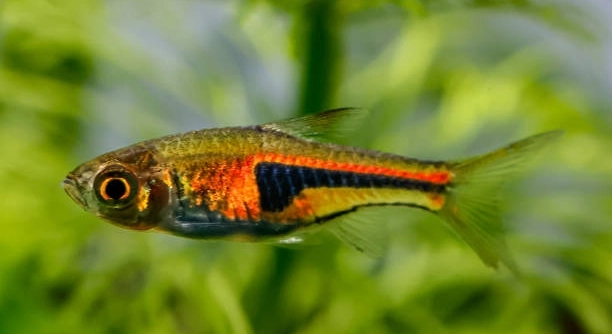
Rasbora are small, colorful fish that bring life to any aquarium. When introduced to a new tank, they face changes in environment and routine. Observing how they adjust is important for their health and comfort.
Rasbora adapting to a new tank display specific signs such as exploring their surroundings, regular swimming patterns, consistent feeding behavior, reduced hiding, and maintaining vibrant coloration. These behaviors indicate successful acclimation to the new environment.
Recognizing these signs helps ensure your rasbora are settling well and supports their long-term well-being in the aquarium.
Exploring Their New Environment
When rasbora are first placed in a new tank, they usually start by exploring their surroundings. This behavior shows they are becoming familiar with the layout, hiding spots, and water conditions. At first, they may swim cautiously, staying close to plants or decorations that offer shelter. Over time, as their confidence grows, they begin to swim more freely throughout the tank. This exploration is important because it helps them feel safe and reduces stress. Stress can weaken their immune system, making them more vulnerable to illness. Watching for this curious but cautious behavior can help you understand if your rasbora are adjusting well. If they remain hidden or inactive for long periods, it may indicate discomfort or poor water quality that needs attention. Ensuring the tank has plenty of plants and hiding places supports this adjustment phase.
Exploration shows comfort and adaptation to new surroundings. It’s a key sign that rasbora are settling in well.
Recognizing this early exploration phase is crucial for their well-being. Providing a natural, secure environment encourages the fish to investigate and feel at ease. Without this step, they may stay hidden or stressed, which affects feeding and health. Regular observation during the first few days lets you track changes and respond if needed. This behavior also signals that your tank setup is suitable for them, including temperature and water quality. Gradual introduction and stable conditions reduce stress and support their natural behavior, helping them thrive.
Consistent Feeding Behavior
Rasbora that are adapting well will begin to eat regularly and show interest in food.
Feeding patterns are a clear indicator of how comfortable fish feel in their environment. Initially, some rasbora may refuse food due to stress or unfamiliarity with their surroundings. However, as they settle, their appetite returns, and they actively seek food during feeding times. This regular eating behavior is a sign of health and adaptation. Maintaining a consistent feeding schedule and offering appropriate food types encourages this behavior. Overfeeding should be avoided to prevent water quality issues, which can stress the fish. Watching how eagerly rasbora respond to food helps gauge their adjustment and overall condition. This also creates routine and stability in the tank environment, which benefits all aquatic life.
Proper feeding supports their health and signals they are growing comfortable in the new tank setting.
Reduced Hiding Behavior
Rasbora tend to hide more when they feel stressed or unsafe. A decrease in hiding shows they are becoming comfortable.
As rasbora adapt to a new tank, they gradually spend less time in hiding spots and more time swimming openly. This shift signals growing confidence and reduced stress. They begin to explore different areas without quickly retreating to cover, which indicates they trust their environment. If hiding persists excessively, it may point to water quality issues or unsuitable tank conditions. Offering plenty of plants and decorations is helpful, but the goal is for them to feel safe enough to leave these shelters regularly.
Reduced hiding also allows you to observe natural behaviors like schooling and interaction. When rasbora swim openly, it means they are settling in well and feeling secure in their surroundings. This change usually occurs over several days to weeks depending on the individual fish and tank conditions.
Maintaining Vibrant Coloration
Healthy rasbora keep their bright colors even after a tank change.
Color vibrancy is a strong indicator of a rasbora’s well-being. When fish adapt well, their natural colors remain rich and clear. Stress, illness, or poor water conditions often cause fading or dullness. Consistent lighting, proper diet, and clean water all support maintaining coloration. Observing your rasbora regularly helps catch early signs of fading. If colors start to dull, it may require adjusting tank parameters or improving nutrition. Bright coloration reflects good health and comfort, which means your fish are settling well in their new environment.
Vibrant colors not only enhance the tank’s beauty but also indicate that the fish are thriving. Taking care of water quality and nutrition ensures this important sign of adaptation continues strong. Regular monitoring is key to catching any changes early and keeping your rasbora looking their best.
Normal Swimming Patterns
Rasbora show normal swimming patterns when they feel safe and comfortable. Erratic or sluggish swimming may indicate stress.
Watching their movement helps track adaptation. Healthy rasbora swim steadily and school together, which shows confidence and good health in the new tank environment.
Interaction with Other Fish
Rasbora often interact with tank mates once settled. They tend to school and swim in groups, which is natural behavior.
This social behavior signals that they feel secure and are adapting well. Lack of interaction or isolation could suggest discomfort or health issues.
Stable Breathing Rate
A stable, calm breathing rate is a sign of comfort and good health in rasbora adapting to a new tank.
Rapid or labored breathing usually points to stress or poor water quality, requiring immediate attention.
How long does it take for rasbora to adapt to a new tank?
Rasbora usually take about one to two weeks to adjust to a new environment. This period allows them to get used to the water conditions, tank layout, and new companions. During this time, their behavior changes gradually from cautious and hiding to active swimming and normal feeding. Water quality and tank setup play a big role in how fast they adapt. Stable temperature, proper filtration, and enough plants or hiding spots help reduce stress and speed up the process. Watching their behavior closely in the first days is important to spot any signs of trouble early.
Why are my rasbora hiding all the time?
Constant hiding often means the fish feel stressed or unsafe. Stress can be caused by poor water quality, sudden changes in temperature, or aggressive tank mates. Lack of hiding spots can also make rasbora feel insecure. It’s important to test water parameters regularly and keep the tank clean. Adding plants and decorations helps provide cover, but the goal is to see the fish come out and explore eventually. If hiding continues for more than a week, consider checking for illness or unsuitable tank conditions.
What should I feed my rasbora to help them adapt?
Feeding small amounts of high-quality flakes or micro pellets several times a day encourages regular eating. Live or frozen foods like daphnia, brine shrimp, or bloodworms can also help stimulate appetite and provide extra nutrients. Avoid overfeeding because leftover food can pollute the water and cause stress. Offering a varied diet supports health and coloration during the adjustment period. Feeding at consistent times creates routine and helps rasbora feel secure in their environment.
Can rasbora adapt to different water parameters?
Rasbora are fairly adaptable but prefer stable, clean water with a pH around 6.5 to 7.5 and temperatures between 72°F and 78°F (22°C–26°C). Sudden changes in water chemistry or temperature can cause stress and illness. Gradual acclimation when introducing rasbora to a new tank helps them adjust better. Regular testing and maintenance of water conditions ensure a healthy environment. Keeping parameters consistent over time is key to long-term adaptation and well-being.
How can I tell if my rasbora are stressed?
Signs of stress include excessive hiding, erratic swimming, loss of appetite, faded colors, and rapid breathing. Stress weakens the immune system and increases the risk of disease. Checking water quality, tankmates, and feeding habits can help identify causes. Reducing stress by improving tank conditions and providing a calm environment encourages recovery. Early recognition and response are important to prevent serious health issues.
Is it normal for rasbora to stop eating when introduced to a new tank?
Yes, it’s common for rasbora to eat less or stop eating during the first few days after introduction. Stress and unfamiliar surroundings affect appetite. Most will resume regular feeding within a week as they become more comfortable. Maintaining clean water, proper temperature, and gentle lighting helps reduce stress and encourage eating. Patience is key during this stage, and offering tempting live or frozen foods can sometimes stimulate appetite.
Should I quarantine new rasbora before adding them to the main tank?
Quarantining new fish is highly recommended to prevent introducing diseases or parasites. A separate tank for two to four weeks allows observation for illness and safer acclimation. Quarantine helps protect existing fish and improves the success of adaptation. Monitoring behavior and health during this time also allows for early treatment if needed. Proper quarantine procedures contribute to a healthier, more stable main aquarium.
What are the common health issues during adaptation?
Common problems include stress-related illnesses like ich, fin rot, and fungal infections. Poor water quality or aggressive tankmates often cause these issues. Signs to watch for are white spots, torn fins, sluggishness, and unusual behavior. Preventive care involves maintaining clean water, providing hiding places, and feeding quality food. Early detection and treatment increase the chances of recovery. Keeping the environment stable and comfortable helps reduce the risk of illness during adaptation.
Can rasbora live with other fish during adaptation?
Rasbora are generally peaceful and do well with other non-aggressive fish. However, introducing them alongside overly active or aggressive species can increase stress. During adaptation, it’s best to avoid mixing with large or territorial fish. A calm community tank helps rasbora settle more quickly. Providing ample space and hiding spots also supports peaceful coexistence. Monitoring interactions ensures rasbora remain safe and stress-free.
How often should I check water parameters during adaptation?
Testing water parameters at least twice a week during the first two weeks is advisable. Focus on ammonia, nitrite, nitrate, pH, and temperature. These factors greatly influence fish health and comfort. Frequent monitoring helps detect problems early and allows timely corrections. After adaptation, regular weekly checks are usually sufficient to maintain a stable environment. Consistency in water quality is critical for successful long-term care.
Adjusting to a new tank can be a challenging time for rasbora. They experience changes in water, surroundings, and sometimes new tank mates. These changes can cause stress, which may affect their behavior and health. It is important to watch for clear signs that show whether the fish are adapting well. Signs like exploring the tank, eating regularly, reduced hiding, and maintaining bright colors suggest they are settling in. Knowing what to expect helps in providing the best care during this period.
Taking care of water quality is one of the most important parts of helping rasbora adapt. Clean, stable water conditions reduce stress and keep the fish healthy. Testing the water regularly for ammonia, nitrites, and nitrates helps detect problems early. It is also essential to maintain proper temperature and pH levels suitable for rasbora. Besides water, having enough plants and hiding spots in the tank creates a safe environment. This allows the fish to feel secure and more willing to explore. Feeding the fish on a regular schedule with appropriate food supports their health and encourages normal behavior.
Being patient is key when introducing rasbora to a new tank. Some fish may adapt quickly, while others take more time. During this period, keep a close eye on their behavior and look out for any signs of illness or stress. Avoid making sudden changes to the tank, as this can add to their discomfort. Creating a stable environment with consistent care helps rasbora thrive and enjoy their new home. Understanding these basics will support the long-term health and happiness of your fish.

Hello,
If you enjoy the content that we create, please consider saying a "Thank You!" by leaving a tip.
Every little bit helps us continue crafting quality advice that supports the health, happiness, and well-being of pets around the world, for pets of all shapes, sizes, and species.
We really appreciate the kindness and support that you show us!