
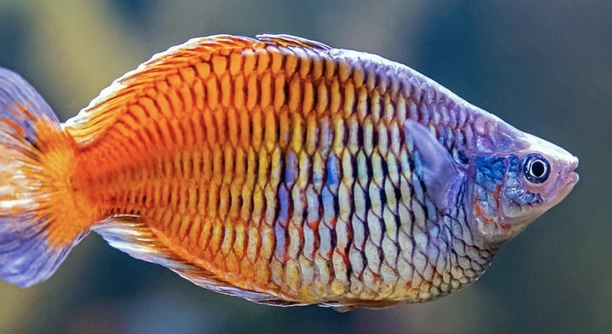
Rainbow fish are known for their vibrant colors and playful nature. Understanding when they are ready to mate can be an exciting experience for any fish enthusiast. Observing certain behaviors and physical signs can help in identifying this time.
Rainbow fish show distinct changes when they are ready to mate. These signs include increased activity, vibrant colors, and specific behaviors like chasing and displaying fins. Females may appear rounder, and males may engage in more frequent territorial behavior.
Recognizing these signs can help you care for your rainbow fish and create a suitable environment for mating.
Signs of a Ready-to-Mate Rainbow Fish
When rainbow fish are ready to mate, their behavior changes significantly. Males often become more active and display their vibrant colors to attract females. Their fins may extend, and they swim in quick bursts around their territory. Females, on the other hand, may appear slightly rounder as they prepare to carry eggs. The increased activity and physical changes are indicators that the fish are in their mating phase.
These changes in behavior are not subtle. Males will often chase after females, trying to get their attention. The more vibrant their colors, the more likely it is that they are ready to mate. Females, in contrast, may swim slowly, displaying interest in the males but only when they feel ready. These interactions help ensure that the mating process is successful.
It’s essential to monitor these changes closely. If you have a tank full of rainbow fish, observing their daily routines will give you a good sense of when they are preparing to mate. A well-maintained environment and proper diet are crucial to helping them breed successfully.
Water Conditions and Temperature
The water temperature plays a crucial role in the readiness of rainbow fish to mate. They thrive in warmer water, typically around 75-80°F (24-27°C). If the temperature is too low, they may not be as active or may delay mating altogether.
Rainbow fish are particularly sensitive to changes in their environment. Keeping their tank at the correct temperature will encourage them to display mating behaviors. This warmer water simulates the conditions of their natural habitat, helping them feel more comfortable and ready for reproduction. Keeping the water clean and stable is just as important for their overall health.
To support mating, ensure your tank has clean, slightly acidic water. The water should also have a low to moderate hardness level. With these factors in place, rainbow fish will be more likely to engage in mating behaviors.
Feeding Rainbow Fish to Encourage Mating
Rainbow fish need a proper diet to be in peak condition for mating. A mix of high-quality flakes, frozen foods, and occasional live foods provides essential nutrients. Feeding them varied meals encourages natural behaviors and helps them prepare for the breeding process.
To promote breeding readiness, ensure that the fish get enough protein in their diet. High-protein foods like brine shrimp and daphnia are great choices. These foods improve their overall health and help both males and females become more active. Protein also supports the production of eggs and sperm, increasing the chances of successful mating.
You should feed your rainbow fish at least once a day, but avoid overfeeding. Too much food can lead to water quality issues, which will negatively impact the fish’s health and mating readiness. Maintain a clean tank to ensure that the water remains ideal for breeding.
Providing Hiding Spots for Spawning
Providing hiding spots for rainbow fish is crucial during the mating process. These fish prefer areas with plants or decorations that offer both shelter and space for the female to lay her eggs. Giving them an environment with these features helps them feel secure.
To create a more comfortable breeding environment, add dense plants like java moss or floating plants. These areas give the female a place to lay eggs, while the male may guard the area and chase away any potential threats. This setup mimics their natural habitat, increasing the likelihood of successful spawning.
Ensure that the tank has enough space for both fish to move around freely. Too many fish or overcrowding can lead to stress and prevent them from mating. A peaceful, well-decorated tank can also lower aggression among fish, promoting a healthy breeding environment.
Monitoring Behavior for Mating Signs
It’s essential to observe the behavior of your rainbow fish to detect mating signs. The males will become more vibrant, showing off their colors. They may start to chase females and engage in territorial displays. These behaviors indicate that they are preparing to mate.
Females, on the other hand, may become rounder as they carry eggs. They will often swim slowly and appear less active than the males. Watching these changes in their behavior gives clear indications of when they are ready for mating.
Separate Mating Tank Setup
Creating a separate tank for mating can increase the chances of successful breeding. Moving the fish into a smaller, quiet environment reduces stress and allows them to focus on spawning. This also prevents the male from being too aggressive in a shared tank.
Add soft plants and hiding spots to this tank to help mimic their natural habitat. Rainbow fish tend to feel more secure in a tank where they can hide and swim freely. This peaceful environment encourages the female to lay her eggs without stress, leading to a higher chance of successful spawning.
Timing the Breeding Cycle
Understanding the timing of your rainbow fish’s breeding cycle is key. Mating typically occurs during their peak activity periods, which may vary depending on the fish’s age and health. Knowing the right time allows for a smoother breeding process.
Be aware of the water temperature and feeding habits. Adjusting these factors during the right time helps encourage the fish to mate. Ensure that conditions are stable, as disruptions can cause the fish to delay or halt breeding altogether.
FAQ
How do I know when my rainbow fish are ready to mate?
Rainbow fish exhibit specific behaviors when they are ready to mate. Males will display brighter colors and actively chase females. Their fins may flare up, and they may swim in short bursts around the tank. Females become rounder as they prepare to carry eggs. These behaviors, along with increased activity and the display of vibrant colors, are clear signs of readiness.
Can rainbow fish breed in a community tank?
Rainbow fish can breed in a community tank, but the chances of success are higher when they are moved to a separate tank. In a community tank, males may become too territorial or aggressive, which can cause stress. Having a quieter, less crowded environment helps encourage mating behavior.
What is the best water temperature for breeding rainbow fish?
Rainbow fish thrive in water temperatures between 75°F and 80°F (24°C to 27°C) when breeding. A stable temperature within this range encourages their natural reproductive cycle. If the water is too cold, they may not show interest in mating. A heater can help maintain this temperature consistently.
Do rainbow fish need special lighting for mating?
Rainbow fish do not require special lighting for mating, but they do benefit from a natural light cycle. Keeping the tank on a 12-hour light and dark cycle mimics their natural environment, helping them feel more comfortable and ready to breed. Avoid overly bright lights that can stress the fish.
What should I feed rainbow fish to prepare them for mating?
Feeding rainbow fish a varied diet rich in protein is key to encouraging breeding. High-quality flakes, brine shrimp, daphnia, and other live or frozen foods provide essential nutrients. Protein helps the fish develop the energy needed for mating behaviors and ensures that females are ready to produce eggs.
How do I encourage my rainbow fish to spawn?
To encourage spawning, provide hiding spots and plants in the tank. Males will display territorial behavior, and females will seek out places to lay their eggs. You can also adjust the water temperature slightly and ensure the fish are well-fed and healthy. Reducing stress in the tank is vital for successful spawning.
How often do rainbow fish breed?
Rainbow fish typically breed in short bursts. Once they begin mating, they may spawn several times over a few days or weeks. Breeding can happen once they reach maturity, which is usually around 6 to 8 months old. However, their breeding cycles can depend on environmental conditions like water temperature.
What are the signs that my rainbow fish are not ready to mate?
If your rainbow fish are not ready to mate, they may remain inactive or swim slowly. Males will not display their vibrant colors, and females will not become rounder or show interest in the males. A lack of chasing behavior or territorial displays also indicates that they are not in the breeding phase.
Do rainbow fish lay eggs or give live birth?
Rainbow fish lay eggs, and their breeding process involves external fertilization. The female will deposit the eggs in plants or other sheltered areas, and the male fertilizes them afterward. These eggs will hatch within a few days, depending on the water temperature and other conditions in the tank.
Can rainbow fish breed with other species?
Rainbow fish generally do not breed with other species. While some closely related species might crossbreed in the wild, it is rare in captivity. If you want to breed rainbow fish, it is best to pair them with others of the same species to avoid any genetic complications.
What should I do if my rainbow fish aren’t spawning?
If your rainbow fish aren’t spawning, check the water conditions. Make sure the temperature is within the ideal range, and ensure that the tank isn’t overcrowded. A lack of suitable plants or hiding spots can also hinder spawning. Additionally, feeding the fish high-quality food and reducing stress will help encourage mating.
How long does it take for rainbow fish eggs to hatch?
Rainbow fish eggs typically hatch within 5 to 7 days, depending on water temperature and environmental conditions. Warmer water speeds up the process. After hatching, the fry are very small and need fine food such as infusoria or baby brine shrimp until they grow large enough to consume regular fish food.
Do I need to separate rainbow fish after they spawn?
After spawning, it’s a good idea to remove the parents from the tank, especially if they are likely to eat their eggs or fry. If you want to ensure the survival of the fry, place the parents back in the main tank or a separate one to avoid accidental predation.
How can I tell the difference between male and female rainbow fish?
Male rainbow fish are generally smaller and more vibrant in color, especially when they are ready to mate. Females are larger, rounder, and often more subdued in color. During mating periods, males will actively chase and display their fins to attract females.
Do rainbow fish need a special substrate to breed?
Rainbow fish don’t require a special substrate to breed, but having a soft substrate, like fine gravel or sand, can make it easier for the eggs to settle. Plants and decorations are more important for providing hiding spots and shelter for the female to lay her eggs safely.
Final Thoughts
Breeding rainbow fish can be a rewarding experience if the proper conditions are provided. By ensuring that the water temperature is stable, feeding them a nutritious diet, and creating a peaceful environment, you increase the chances of successful mating. Providing hiding spots for the females and watching for signs of readiness from the males are key factors in the breeding process. With patience and attention to detail, your rainbow fish can thrive and successfully reproduce.
It’s important to monitor their behavior closely and understand the differences between the male and female fish. The males will become more vibrant and active when they are ready to mate, while the females will appear rounder as they prepare to lay eggs. Providing a separate breeding tank can help reduce stress and encourage more successful spawning. By creating the right environment, you help your rainbow fish feel safe and comfortable enough to breed naturally.
Maintaining a balanced diet and clean tank conditions is essential not only for breeding success but also for the overall health of your rainbow fish. Proper care and attention will support the development of strong, healthy offspring. While breeding can take time, observing the process and being patient is part of the enjoyment. By following these simple steps, you can help ensure the success of your rainbow fish breeding efforts.

Hello,
If you enjoy the content that we create, please consider saying a "Thank You!" by leaving a tip.
Every little bit helps us continue crafting quality advice that supports the health, happiness, and well-being of pets around the world, for pets of all shapes, sizes, and species.
We really appreciate the kindness and support that you show us!