
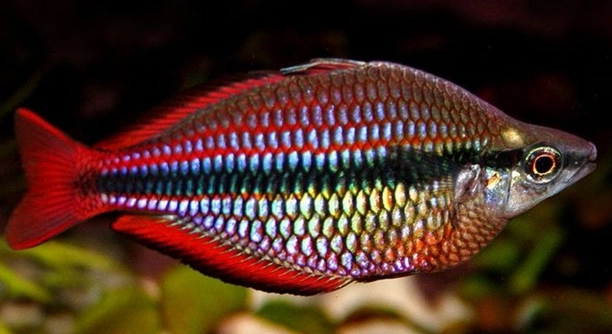
Rainbow fish are beautiful and vibrant creatures that often share their space in aquariums. Observing their behavior can reveal much about their social interactions. Ensuring they’re getting along is crucial for their well-being and your enjoyment.
The signs of rainbow fish getting along typically include swimming in groups, sharing territory peacefully, and engaging in cooperative activities. A lack of aggressive behavior and visible stress is a clear indication of a harmonious environment among these fish.
Understanding how rainbow fish interact helps you create a healthier aquarium. By recognizing the signs of good relationships, you can foster a balanced and peaceful tank environment for your fish.
Identifying Peaceful Group Behavior
When rainbow fish are getting along, you’ll often notice them swimming together in a group. This is a key indicator of harmony within the tank. They tend to move in a synchronized pattern, which shows they feel comfortable with each other. Healthy fish will swim together, often without any sign of territorial disputes. In contrast, fish that are stressed or aggressive may isolate themselves or swim erratically. This cooperative movement makes the tank visually appealing and shows that the fish feel secure in their environment.
The bond between rainbow fish in a group is strong. Healthy interactions allow the fish to feel protected and safe. It’s a sign that they are not experiencing any stress or dominance struggles.
Observing how they behave in groups is crucial for assessing their well-being. If you notice any fish separating from the group or acting aggressively toward others, it could indicate an issue. Healthy, peaceful behavior will make your aquarium a more enjoyable and peaceful space.
Avoiding Territorial Conflicts
Rainbow fish, when comfortable, don’t engage in territorial disputes. They’re usually more social and tend to respect each other’s space. If your fish aren’t fighting or chasing each other, it’s a sign that they are getting along.
Territorial aggression is not uncommon among certain fish species. However, rainbow fish generally maintain calm, especially if their space is large enough. A well-spaced tank, where each fish has its area, helps avoid unnecessary conflicts. This makes it easier for them to coexist peacefully.
Ensuring that your rainbow fish feel secure means maintaining a balanced environment. Adequate space, plants, and hiding spots help create a less stressful atmosphere. This can reduce the chances of aggression and promote social harmony. Adding new fish gradually also gives them time to adjust, preventing territorial disputes.
Sharing Food Without Aggression
Rainbow fish that get along will share food without any issues. They may swim near each other during feeding time without fighting for space. This cooperative behavior is a good sign that your fish are comfortable and not experiencing any tension.
If there’s no aggression around feeding time, you’re on the right track. Rainbow fish can be territorial when food is scarce, but in a healthy tank with enough resources, they’ll eat peacefully. Ensure you’re providing a balanced diet with plenty of food for everyone.
Sometimes, you might notice slight competition for food, but this is normal and doesn’t necessarily indicate aggression. If the fish are fighting over food, it could suggest that the tank is overcrowded or there’s a lack of food. In this case, adjusting the feeding schedule or providing more space may resolve the issue.
Playing and Interacting Together
Rainbow fish that are getting along will often engage in playful interactions, such as chasing each other or swimming together in tight formations. This kind of play is not aggressive but a sign of bonding.
These interactions help establish relationships between the fish and encourage socialization. When they are comfortable, they’ll often swim in coordinated movements, creating a calm and soothing atmosphere. You may also notice them following one another or circling around the tank in playful patterns.
It’s important to observe how often they interact this way. Healthy fish will engage in these playful exchanges without stressing each other out. If you notice one fish being consistently excluded or showing signs of stress during these interactions, it may indicate a problem. Adjusting the tank environment or adding more fish may help restore balance.
Sharing Space Without Conflict
Rainbow fish that get along can share their tank space peacefully. They don’t fight over hiding spots or swimming areas. When fish are comfortable, they allow each other space without feeling threatened.
Having enough space for each fish is important for their well-being. Overcrowding can lead to aggression or stress. If your fish are peacefully sharing the tank, it’s a sign of a healthy environment.
When space is shared without conflict, the fish can thrive. Proper tank size and hiding spots are essential to ensuring each fish has its own area while maintaining social balance. This prevents territorial disputes.
Healthy Communication Through Body Language
Rainbow fish use body language to communicate with each other. They may display subtle movements or color changes to signal their feelings. This communication can help prevent aggression or misunderstandings.
Fish that are getting along will often show relaxed body language. Their fins will be open, and their colors vibrant. Any sudden changes in body posture, like raised fins or sudden darting movements, can indicate stress or aggression. These signs are essential for understanding how your fish are interacting.
If the body language remains calm, it’s an indication that your rainbow fish feel secure and are getting along. This is one of the most reliable ways to assess their relationships within the tank.
FAQ
What are the main signs that rainbow fish are getting along?
Rainbow fish that are getting along will often swim together in groups, share food peacefully, and avoid aggressive behavior. They will communicate using body language, with open fins and vibrant colors. If there is no visible stress or territorial disputes, it’s a good sign that they’re living harmoniously.
How can I tell if my rainbow fish are stressed?
Stressed rainbow fish may display erratic swimming, hide in corners, or refuse to eat. Their colors may dull, and their fins could be clamped. If the fish are constantly darting away from others or acting aggressively, it’s a sign that something may be wrong in the tank environment.
Why do rainbow fish chase each other?
Chasing can be part of the natural behavior among rainbow fish, especially if they are establishing dominance or showing playful interactions. However, if the chasing is aggressive and frequent, it could indicate stress or overcrowding. A little chasing is normal, but constant aggressive behavior is not ideal.
How many rainbow fish should I keep together?
It’s best to keep rainbow fish in groups of at least six. They are social creatures and feel safer in numbers. A larger group can help distribute any potential aggression, and the fish will naturally engage in more harmonious interactions when in a stable, balanced environment.
Can rainbow fish live with other types of fish?
Rainbow fish are generally peaceful and can live with other non-aggressive species. It’s important to pair them with other peaceful, similar-sized fish. Avoid aggressive species or those that might intimidate the rainbow fish. Always ensure your tank is large enough to accommodate different fish comfortably.
What is the best tank size for rainbow fish?
A tank of at least 30 gallons is ideal for a small group of rainbow fish. The larger the tank, the more space each fish has to explore and interact with others. Ample space helps reduce stress and territorial behavior, ensuring a peaceful environment for the fish.
How can I prevent territorial disputes in the tank?
Territorial disputes are less likely if the tank is large enough, with enough hiding spots and plants. Providing a variety of plants, rocks, and decorations allows the rainbow fish to establish their own territories without feeling crowded. Keeping the fish in a group and not overstocking the tank also reduces territorial behavior.
What should I do if my rainbow fish are fighting?
If your rainbow fish are fighting, assess the tank environment. Check if there is overcrowding or a lack of space. Make sure the water conditions are ideal, as poor water quality can cause stress. Consider adding more hiding spots or separating aggressive fish into different tanks if the problem persists.
How do I ensure my rainbow fish are healthy?
To ensure your rainbow fish are healthy, maintain a stable tank environment with proper filtration, temperature, and water quality. Feed them a balanced diet, avoid overfeeding, and clean the tank regularly. Keep an eye on their behavior for any signs of stress or illness.
Do rainbow fish need a lot of plants in their tank?
While rainbow fish don’t require dense plant coverage, having plants in the tank provides hiding spots and helps reduce stress. Plants also create a more natural environment, giving the fish space to swim and interact without feeling exposed. A mix of live plants and decorations will benefit the fish.
Can rainbow fish survive in different water conditions?
Rainbow fish are adaptable and can survive in a range of water conditions, but they thrive in stable environments. They prefer slightly alkaline water with temperatures between 74°F and 80°F. Ensure the water is clean and free from toxins for the best results.
What are the ideal tank mates for rainbow fish?
The best tank mates for rainbow fish are peaceful species that do not pose a threat. Good companions include other peaceful freshwater fish like tetras, gouramis, and barbs. Avoid aggressive or territorial species, as they could stress out the rainbow fish or disrupt their peaceful behavior.
How do I know if my rainbow fish are mating?
When rainbow fish are mating, the males may display vibrant colors and engage in chasing or circling behavior. The females will usually swim more slowly and may show signs of being slightly larger or rounder. If you notice these behaviors, it’s likely that your rainbow fish are preparing to breed.
Can I breed rainbow fish in a home aquarium?
Yes, rainbow fish can be bred in a home aquarium. However, breeding them requires specific conditions, such as a separate breeding tank with water quality and temperature carefully regulated. If you’re new to breeding, research the specific species of rainbow fish you have to ensure you can provide the right environment for successful breeding.
What is the lifespan of rainbow fish?
Rainbow fish generally have a lifespan of 5 to 8 years, depending on their species and the care they receive. Providing a stable tank environment, good nutrition, and regular maintenance can help your rainbow fish live a long, healthy life.
Why are my rainbow fish turning pale?
Rainbow fish turning pale could be a sign of stress, poor water quality, or illness. Ensure the tank’s water parameters are within the ideal range and that your fish are not overcrowded. Stress from other tank mates or poor diet can also cause them to lose their color.
How can I tell if my rainbow fish are sick?
Signs of illness in rainbow fish include a loss of color, erratic swimming, lethargy, or clamped fins. If you notice these symptoms, it’s important to check water conditions and separate the sick fish to prevent the spread of disease. Consult an aquarium expert for further advice on treatment.
Are rainbow fish easy to care for?
Rainbow fish are relatively easy to care for, as long as you maintain the right water conditions and provide them with a balanced diet. They are hardy fish that adapt well to various environments, but like all fish, they require regular tank maintenance and monitoring for signs of stress or illness.
Can rainbow fish live in freshwater only?
Yes, rainbow fish are freshwater fish and should only be kept in freshwater aquariums. They thrive in a well-maintained freshwater environment with stable water conditions. Salinity or saltwater should not be introduced to their habitat.
How often should I feed my rainbow fish?
Feed your rainbow fish once or twice a day. Offer a variety of food, such as flakes, pellets, and occasional live or frozen food. Be sure to remove any uneaten food after a few minutes to prevent water quality issues.
What water temperature do rainbow fish need?
Rainbow fish prefer water temperatures between 74°F and 80°F (23°C to 27°C). Maintaining a stable temperature within this range is essential for their health. Avoid fluctuations that could stress the fish, and invest in a good heater to regulate the tank’s temperature.
Final Thoughts
Rainbow fish are social creatures that thrive in peaceful environments, and it’s essential to maintain the right conditions to keep them happy and healthy. The most important factors are tank size, water quality, and ensuring the fish have enough space to swim freely. By providing a suitable habitat, you’ll encourage positive behaviors, such as sharing space and using body language to communicate. This creates an environment where the fish feel safe, which in turn promotes harmony within the tank.
When rainbow fish are getting along, they often swim together in groups and interact peacefully. A large tank with proper filtration helps prevent overcrowding and territorial disputes. This allows the fish to establish their own space while maintaining social bonds. It’s also crucial to monitor their behavior, as any signs of stress or aggression should be addressed immediately. By adjusting the tank environment and ensuring that all fish have enough space, you can foster positive relationships among your rainbow fish.
In conclusion, the key to successful tank management is observing and responding to the needs of your rainbow fish. Creating a balanced, peaceful environment where all fish can coexist is vital for their well-being. Regular water checks, providing enough hiding spots, and not overstocking the tank are all essential practices to maintain peace and ensure that your rainbow fish are getting along. With proper care and attention, you can enjoy a vibrant and healthy aquarium filled with happy, well-adjusted fish.

Hello,
If you enjoy the content that we create, please consider saying a "Thank You!" by leaving a tip.
Every little bit helps us continue crafting quality advice that supports the health, happiness, and well-being of pets around the world, for pets of all shapes, sizes, and species.
We really appreciate the kindness and support that you show us!