
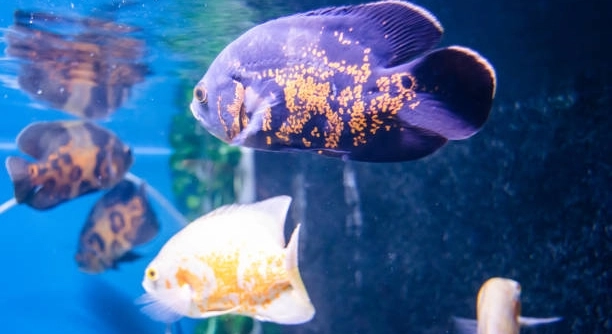
Oscar fish are fascinating creatures, and their behavior can sometimes seem a bit mysterious. One area where they may act differently is when the weather changes. Keep an eye on their behavior to understand them better.
Oscar fish react to changes in weather by displaying distinct behavior patterns. They may become more active or hide, depending on the temperature and pressure changes. These signs are linked to their instinctive responses to environmental shifts.
Observing their behavior during different weather conditions can help you understand your Oscar fish more clearly. Understanding these signs ensures you can provide the best care for them throughout all weather changes.
Why Do Oscar Fish React to Weather?
Oscar fish are sensitive to changes in the environment, particularly temperature and barometric pressure. As cold-blooded animals, they rely on external temperatures to regulate their body functions. When weather patterns shift, such as during a storm or cold front, it can impact their behavior significantly. In these moments, Oscar fish may act more erratically or withdraw into hiding spots in the tank. Understanding these changes allows fish owners to anticipate and manage the fish’s needs.
When temperature or pressure fluctuates, the fish’s nervous system can become more sensitive, causing shifts in their behavior. For instance, extreme cold can slow down their metabolism, leading to sluggishness. This change is especially noticeable in tank conditions where temperature control may not keep pace with rapid weather shifts.
Being aware of these shifts can help you adjust your tank settings for the comfort of your Oscar fish. A heater or more stable water temperature could ensure they remain active and healthy despite external weather influences.
Recognizing the Signs of Weather-Related Behavior
Oscar fish show clear signs of reacting to weather changes. These behaviors may include hiding more frequently or swimming erratically. A decrease in activity may also occur during colder or stormy weather, as they seek shelter. With careful observation, these signs are easy to spot.
Temperature and pressure changes may cause them to exhibit different behaviors. For instance, if it’s cooler or a storm is approaching, they may become less active or retreat to the bottom of the tank. Conversely, some Oscars might become more active, swimming rapidly around the tank, as they respond to the change in barometric pressure. The key is observing how these shifts align with weather changes.
How Temperature Affects Oscar Fish Behavior
Oscar fish are particularly sensitive to temperature changes. When the water temperature drops, they may become sluggish and less active. On the other hand, warmer temperatures can make them more active, increasing their swimming and feeding behaviors. It’s crucial to maintain a stable temperature to avoid stress or illness in your fish.
Temperature fluctuations may also affect their appetite. If the water becomes too cold, Oscar fish may eat less, as their metabolism slows down. Similarly, high temperatures can lead to stress, which can cause them to hide or act aggressively. A reliable heater and thermometer will help maintain consistency.
Ensuring the tank temperature stays within an optimal range for Oscar fish helps maintain their health and activity levels. It also reduces the risk of stress, which can lead to illness. Regular monitoring of the water temperature and adjusting the heater as needed ensures your fish feel comfortable throughout varying weather conditions.
The Impact of Barometric Pressure
Changes in barometric pressure often accompany weather shifts. These changes can affect Oscar fish in noticeable ways. For example, before a storm, Oscar fish may swim erratically or act more aggressive due to the pressure drop. In contrast, when the pressure rises, they may become calmer and more subdued.
Fish rely on pressure changes to detect shifts in their environment. This sensitivity to barometric pressure is believed to be an evolutionary trait that helps them prepare for natural events like storms. When pressure drops, Oscar fish may become more active or stressed. To reduce these effects, try to keep the environment calm by ensuring the tank is stable.
Pressure changes can be managed with proper tank care, but it’s helpful to observe any changes in behavior closely. Monitoring their activity during stormy or calm weather conditions will give you insights into their sensitivity to pressure shifts.
How Light Affects Oscar Fish
Oscar fish are sensitive to changes in light, which can also be influenced by the weather. Overcast skies or stormy conditions can cause the tank to darken, potentially making Oscars more stressed or less active. Maintaining a consistent light cycle is important for their overall well-being.
Light impacts their circadian rhythm, so sudden shifts in lighting conditions can confuse their natural behaviors. A dimmer environment during cloudy days might make them retreat into hiding spots. Consistent lighting throughout the day can help keep them more predictable, even during weather changes.
Water Movement and Weather Effects
When the weather shifts, the movement of water in your tank may also be affected. Windy or rainy conditions might cause more water movement in natural environments, influencing how Oscar fish behave in tanks. Though indoor tanks remain stable, subtle pressure changes can still impact them.
Oscar fish often react to increased water movement, sometimes becoming more active or agitated. Adjusting the filter flow or adding some decorations can help create a more stable environment. Minimizing water movement can reduce stress and prevent erratic behavior when weather changes occur.
The Role of Humidity
Humidity levels in the room can also affect the behavior of your Oscar fish. High humidity often accompanies rainy weather and can cause slight changes in the water quality. Keeping the humidity under control in the tank area can help reduce stress in the fish.
FAQ
How can I tell if my Oscar fish is stressed due to weather changes?
Oscar fish show signs of stress through changes in behavior, such as hiding more than usual, swimming erratically, or losing interest in food. A drop in temperature or barometric pressure can trigger these responses. If you notice your Oscar fish behaving unusually, consider checking the tank’s temperature and water quality. Ensuring that both remain stable can help reduce stress.
What temperature should I keep the water at for my Oscar fish?
Oscar fish thrive in water temperatures ranging from 74°F to 81°F (23°C to 27°C). Maintaining a steady temperature within this range helps ensure they stay healthy. Sudden temperature drops or fluctuations can cause stress or illness, so it’s important to monitor the water closely with a reliable heater and thermometer.
Does barometric pressure affect my Oscar fish’s health?
Barometric pressure changes can influence Oscar fish behavior, particularly before storms or weather fronts. A drop in pressure can lead to increased activity or erratic swimming. While these changes do not necessarily harm the fish, it’s essential to monitor their behavior during these shifts. Maintaining a calm and stable environment can help reduce any stress caused by pressure changes.
Should I adjust the tank lighting during weather changes?
Yes, adjusting the tank’s lighting can help your Oscar fish feel more comfortable during weather changes. Overcast skies or stormy conditions can make the tank darker, which may cause them to act more reserved or stressed. To counteract this, ensure that the tank has a consistent light cycle to mimic natural daylight, helping the fish feel more at ease.
Can sudden changes in humidity affect my Oscar fish?
Yes, changes in humidity can influence the health of your Oscar fish, especially if they lead to fluctuating water conditions. High humidity can contribute to changes in water quality, such as decreased oxygen levels. Keeping the tank area well-ventilated can help regulate humidity and ensure a more stable environment for the fish.
How do I prevent temperature fluctuations in my tank?
To prevent temperature fluctuations, use a high-quality aquarium heater and a thermometer to monitor the water consistently. Make sure the tank is placed in a location where temperature extremes, like drafts or direct sunlight, won’t affect it. A stable environment is essential for keeping your Oscar fish healthy and active.
What is the best way to handle Oscar fish aggression during weather changes?
Oscar fish can become more aggressive due to weather changes, especially when barometric pressure drops or temperatures fluctuate. To manage aggression, provide plenty of hiding spots in the tank and avoid overcrowding. A calm and stable environment will help reduce stress and minimize aggressive behavior.
How can I tell if my Oscar fish is sick because of weather changes?
If your Oscar fish becomes sick due to weather changes, symptoms may include loss of appetite, discoloration, lethargy, or abnormal swimming. It’s important to monitor water quality and temperature to ensure that the conditions aren’t causing stress or illness. If symptoms persist, consult an aquarium professional for advice on treatment.
Can Oscar fish breed during weather changes?
Oscar fish can breed during weather changes, especially when the temperature and pressure changes align with their natural reproductive cycle. However, fluctuations in their environment may affect their readiness to breed. Keeping the water conditions stable is important to ensure a healthy breeding environment if you’re trying to breed your Oscar fish.
Do Oscar fish need more food during weather changes?
Oscar fish might eat more or less during weather changes, depending on the conditions. If the temperature drops, their metabolism may slow down, causing them to eat less. However, if the pressure changes or it becomes warmer, they may become more active and hungry. Adjusting feeding habits based on their behavior will help them maintain proper nutrition.
Is it important to monitor water quality during weather changes?
Yes, it’s crucial to monitor water quality during weather changes. Sudden shifts in temperature or humidity can affect the oxygen levels, pH, and other factors in the water. Regular water tests and appropriate adjustments will help maintain optimal conditions for your Oscar fish, ensuring their health and well-being during changing weather.
Should I use a tank cover to help my Oscar fish during weather changes?
Using a tank cover can help reduce the effects of temperature fluctuations and prevent evaporation, especially during changes in humidity. A tank cover also prevents debris from entering the tank, which can help maintain cleaner water. However, be mindful that Oscar fish need adequate surface area for oxygen exchange, so ensure the cover allows for proper ventilation.
How do I prepare my tank for weather changes?
To prepare your tank for weather changes, make sure that the temperature is regulated and stable. Check the heater and filtration systems regularly to ensure they are functioning properly. Additionally, consider using a water conditioner to maintain water quality, especially if the weather change is significant. Keeping an eye on the barometric pressure and adjusting feeding schedules as necessary will also help keep your fish in good condition.
Final Thoughts
Oscar fish are sensitive to changes in weather, and understanding how these changes affect them can help you provide a better environment for your fish. By observing their behavior and maintaining stable water conditions, you can minimize stress and keep your Oscar fish healthy. Temperature fluctuations, barometric pressure changes, and light variations can all impact their activity levels, feeding habits, and overall health. By taking these factors into account, you can ensure your fish remain comfortable and thrive in their tank.
Keeping a consistent environment is key to reducing the impact of weather changes on Oscar fish. Invest in quality equipment such as a reliable heater, thermometer, and filtration system to maintain the right water conditions. Regularly monitor the tank’s temperature, water quality, and humidity levels to ensure they stay within optimal ranges. These small adjustments can prevent many of the issues that arise from weather-related stress and help your Oscar fish adapt more easily to changes in their surroundings.
Lastly, always be attentive to your fish’s behavior. If you notice any signs of stress, aggression, or illness, take immediate action to address the problem. Adjusting the lighting, improving water quality, or reducing water movement may help alleviate stress caused by weather changes. Regular monitoring and adjustments will ensure that your Oscar fish stay healthy and happy, even during seasonal shifts and changing weather conditions.

Hello,
If you enjoy the content that we create, please consider saying a "Thank You!" by leaving a tip.
Every little bit helps us continue crafting quality advice that supports the health, happiness, and well-being of pets around the world, for pets of all shapes, sizes, and species.
We really appreciate the kindness and support that you show us!