
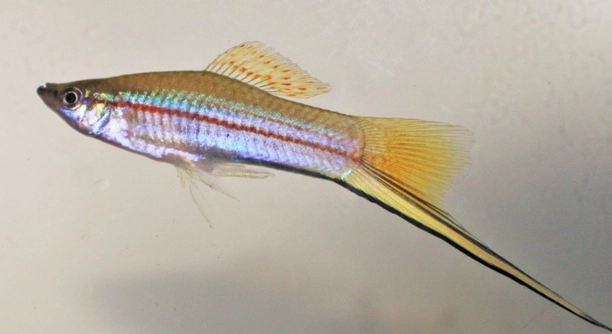
Territorial behavior in swordtails can be fascinating to observe. Understanding their signs is important for anyone looking to keep these fish in a community tank. Let’s explore what to look for in their behavior.
Swordtails are known for their territorial instincts, particularly the males. They often display aggressive postures and chase rivals away from specific areas. These behaviors are usually linked to mating, with males protecting space to attract females.
Recognizing these behaviors early can help you maintain harmony in your tank and avoid unnecessary stress among your fish.
What Does Territorial Swordtail Behavior Look Like?
Territorial swordtails typically show specific behaviors when claiming a space. The males, in particular, can become quite aggressive, especially when they’re preparing to court females. They often adopt a display posture, showing off their fins and color to establish dominance. If other males enter their territory, they will aggressively chase them away, sometimes nipping at their tails. These actions are an attempt to control the space and attract a mate. Swordtails may also engage in low-level fighting, but it rarely results in serious injury. Instead, they rely on intimidation and persistence to maintain their space.
They may also show territorial behaviors around specific objects, like plants or decorations. These fish will often guard areas they consider their personal space, not allowing others to get too close.
Swordtails are naturally territorial, but they can coexist with other fish as long as there’s enough space and hiding spots. Providing plenty of space can help prevent aggression and keep the tank peaceful. If you notice fighting or stress in your tank, it may be a sign to rearrange or add more hiding spaces.
Why Do Swordtails Act This Way?
Swordtails’ territorial actions are mainly about reproduction and survival. Males establish territories to attract females, offering a safe and secure space for breeding. This behavior ensures that their genes are passed on in an environment where they feel confident about their ability to protect their offspring.
The males show off their tails, engaging in displays that demonstrate their health and vitality. This is often a sign of fitness, as they aim to attract females while keeping other males at bay. Though territorial, they typically avoid severe confrontation unless they feel their space is being threatened. When their territory is contested, swordtails may chase rivals into corners or force them into less desirable areas of the tank.
The territorial behavior of swordtails is a natural response tied to breeding instincts. Creating an environment where males can claim their own spaces can reduce unnecessary aggression, leading to a more peaceful tank dynamic.
How to Recognize Aggressive Territorial Displays
Territorial swordtails usually exhibit noticeable signs of aggression. Males flare their fins, elevate their bodies, and chase other males who enter their area. These behaviors help establish dominance and protect their territory. They may also become more active and visibly stressed when other fish intrude.
The most common display of aggression is chasing. Male swordtails will follow intruders, often pushing them out of the area. This chasing behavior isn’t meant to cause harm but to assert control over their space. The more space there is in the tank, the less frequent these displays become, as swordtails feel less threatened.
When swordtails feel that their territory is truly at risk, they may start nipping at rivals. The nipping is generally aimed at the fins or tails of the other fish, signaling to them to move away. If your tank has a variety of fish species, understanding these territorial behaviors is crucial in managing their interactions.
How to Manage Territorial Aggression
The best way to reduce territorial aggression is by providing enough space for each fish. Swordtails thrive in environments where they feel they have control over their space. Avoid overcrowding your tank, as this can lead to more competition and stress among the fish.
Adding plants and decorations also helps. Swordtails use plants to hide and create barriers within their territories. By setting up these boundaries, you give each fish a sense of ownership over their own space, minimizing conflict. Ensure there are enough hiding spots for all the fish, which can help reduce territorial disputes.
Another effective strategy is to keep a balance in the number of males and females. Too many males in one tank can result in increased competition and aggression. By maintaining a ratio of one male for every two or three females, you reduce the likelihood of intense territorial disputes between males.
Identifying Territory Defenders
Male swordtails are the primary defenders of territory. They will not hesitate to chase other males out of their space, especially when breeding opportunities arise. This protective instinct ensures their area remains secure for mating and guarding potential offspring.
Territory defense often includes physical displays like fin flaring and exaggerated body movements. These displays are meant to intimidate other males, signaling that they are ready to defend their space. The more space you provide, the less likely these behaviors will escalate into prolonged aggression.
How Tank Size Affects Territorial Behavior
A larger tank reduces territorial aggression by giving each fish more space to claim. Swordtails feel less threatened when they have enough room to swim freely without encountering frequent conflicts with other fish.
In smaller tanks, swordtails are more likely to engage in territorial disputes due to limited space. The confined area forces them to defend their territory more vigorously. It’s essential to make sure your tank is large enough to accommodate multiple swordtails, especially if you plan to keep more than one male.
Tankmates and Territorial Behavior
Choosing compatible tankmates can reduce territorial aggression. Swordtails tend to get along well with peaceful fish that don’t pose a direct threat to their territory. Fish like guppies and mollies are often good companions for swordtails, as they generally don’t challenge their space.
Aggressive species or those with similar territorial instincts should be avoided. These can escalate tension in the tank, leading to increased stress and fighting. Always research potential tankmates to ensure a peaceful environment for your swordtails.
FAQ
What causes territorial behavior in swordtails?
Territorial behavior in swordtails is primarily driven by breeding instincts. Male swordtails protect their space to attract females and establish a secure environment for mating. This behavior ensures that they have a safe area to showcase their health and vitality, which are important for attracting mates. The more secure a male feels in his territory, the more likely he is to display dominant behaviors, such as chasing away rivals or other males. Territoriality is a natural part of their reproductive strategy and helps reduce competition for mates.
Can female swordtails be territorial?
Female swordtails are generally less territorial than males. While females may exhibit some territorial behavior, especially in relation to their space or resources, it is usually less intense and less frequent than that of the males. The females’ primary concern is usually finding a suitable mate, rather than protecting a specific territory. However, they may still show some aggression if they feel threatened by other fish, especially when breeding is imminent. Overall, female swordtails are less likely to chase or guard territory in the same way males do.
How can I prevent territorial aggression in my swordtail tank?
Preventing territorial aggression in a swordtail tank can be achieved by providing plenty of space and hiding spots. A larger tank reduces the likelihood of males feeling threatened by one another. Adding plants, rocks, or decorations helps create natural boundaries, allowing each fish to establish its own space. Maintaining a ratio of more females than males also reduces aggression, as males will have less competition. Finally, avoid overcrowding the tank, as this can cause stress and lead to increased territorial disputes.
Do swordtails fight with other fish species?
Swordtails can sometimes fight with other fish species, especially if they feel their territory is being threatened. They are generally peaceful but can become aggressive when stressed or challenged. When choosing tankmates, consider species that are peaceful and do not have similar territorial instincts. Fish like tetras or mollies often coexist well with swordtails, but more aggressive species, such as cichlids, may trigger territorial behavior. Always observe the dynamics in the tank and be ready to intervene if fighting occurs.
How can I tell if my swordtail is stressed?
Stressed swordtails may exhibit several signs, such as erratic swimming, hiding, loss of appetite, or discolored fins. Stress can be caused by overcrowding, poor water quality, or aggressive interactions with tankmates. If your swordtail is displaying territorial aggression or seems overly aggressive, it may be a sign of stress. Also, if you notice that your swordtail is constantly chasing others or hiding, it could indicate that it’s feeling insecure or threatened. Addressing environmental factors like tank size and water parameters can help reduce stress.
Can I keep multiple male swordtails in the same tank?
It is possible to keep multiple male swordtails in the same tank, but it requires careful management of the tank environment. Males are highly territorial, and if there are not enough spaces to divide their territories, they will fight for dominance. To prevent this, provide plenty of plants, decorations, and hiding spots. Additionally, it is recommended to have more females than males, as this reduces competition for mates and helps balance the male-to-female ratio. Ensuring the tank is large enough to accommodate multiple males can also help avoid conflicts.
How often do swordtails display territorial behavior?
Swordtails display territorial behavior most often during breeding seasons or when they feel their space is being threatened. Males will become more aggressive if they are trying to attract females or if another male enters their territory. However, territorial behavior tends to decrease when there are enough spaces and hiding spots in the tank. Swordtails are generally peaceful but will protect their space when necessary. If your tank has an abundance of hiding spots and enough space, territorial behavior will be less frequent.
What size tank is best for swordtails?
For swordtails, a minimum tank size of 20 gallons is recommended, especially if you are keeping multiple fish. The larger the tank, the better, as it provides more space for swordtails to establish their territories without constant conflict. A 30-gallon tank or larger is ideal for keeping multiple swordtails, as it gives each fish enough room to swim freely and reduces the likelihood of aggression. It’s also important to ensure the tank has adequate filtration and hiding spots to maintain water quality and provide a stress-free environment for your fish.
Can swordtails live with other aggressive fish?
Swordtails may struggle to coexist with highly aggressive fish. While they are generally peaceful, they can become territorial when stressed. Aggressive fish, such as cichlids or certain species of barbs, might provoke territorial behavior in swordtails. To minimize aggression, it’s best to choose tankmates that are peaceful and don’t compete for the same space. Avoid species that are overly territorial themselves or that could outcompete the swordtails for food and territory. Keeping peaceful community fish alongside swordtails will ensure a more harmonious tank environment.
How do swordtail males attract females?
Male swordtails attract females through display behaviors. They often flare their fins, swim in a slow, graceful manner, and show off their elongated tails. This display signals to the female that the male is healthy and strong. Males may also chase females around the tank to show their interest. The more dominant males tend to display brighter colors and more noticeable swordtails, which are used as a sign of fitness. Female swordtails will often choose mates based on these displays, preferring males who show off their strength and territorial control.
What should I do if my swordtails are fighting?
If swordtails are fighting, first check if the tank is overcrowded or if there aren’t enough hiding spots. Reducing the number of males and providing additional space or decorations can help. You may also consider rearranging the tank layout to confuse the territorial boundaries. If the fighting continues, it may be necessary to separate the aggressive swordtail into a separate tank. Observe the interactions carefully, and ensure that all fish are healthy and not stressed due to the conflicts. Maintaining a balanced tank with appropriate ratios of males and females can reduce fighting significantly.
Final Thoughts
Understanding the territorial behavior of swordtails is essential for creating a peaceful environment in your aquarium. While territoriality is a natural instinct for males, it doesn’t have to lead to constant aggression or stress. By providing enough space, hiding spots, and proper tank conditions, you can reduce the likelihood of these behaviors escalating. Swordtails thrive in well-maintained tanks where they feel secure. The more space you offer, the less likely it is for territorial disputes to occur.
One key to a successful swordtail tank is ensuring that the tank size is appropriate. Swordtails are active swimmers, and they need ample room to establish their territories without constantly clashing with each other. A larger tank, with plenty of plants and decorations, provides them with the opportunity to claim their own space. A well-planted tank also helps reduce aggression by giving fish the ability to hide when they feel threatened. With the right setup, swordtails can live peacefully together, displaying their natural behaviors without stress.
Remember, maintaining a balanced tank with the right mix of males and females is crucial for reducing territorial aggression. Males are the primary aggressors in territorial disputes, and overcrowding them in a tank with too few females can increase competition. By offering an environment where swordtails can express their natural behaviors without fear of constant confrontation, you’ll enjoy watching these vibrant fish thrive. A bit of planning and careful observation can go a long way in ensuring a happy and peaceful aquarium for your swordtails.

Hello,
If you enjoy the content that we create, please consider saying a "Thank You!" by leaving a tip.
Every little bit helps us continue crafting quality advice that supports the health, happiness, and well-being of pets around the world, for pets of all shapes, sizes, and species.
We really appreciate the kindness and support that you show us!