
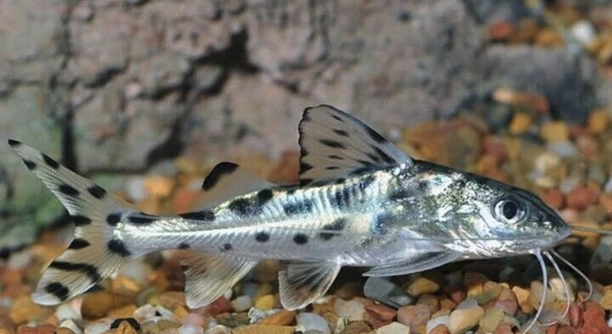
Are your pictus catfish acting differently, hiding more often, or showing signs they might not be feeling their best lately?
Pictus catfish show stress through rapid gill movement, erratic swimming, loss of appetite, hiding, faded color, clamped fins, and unusual aggression. These signs often point to poor water conditions, overcrowding, illness, or changes in their environment.
Spotting these signs early and knowing what to fix can make a real difference in your catfish’s health and overall behavior.
Signs Your Pictus Catfish Is Stressed
Stress in pictus catfish can be hard to notice at first, but small changes in behavior are often the first clue. If your catfish starts hiding more than usual, swims erratically, or spends a lot of time near the surface or bottom, it may be feeling stressed. Rapid gill movement or gasping for air is another warning sign, often related to poor oxygen levels. You might also notice changes in appetite, clamped fins, or faded coloring. Aggression toward tank mates is a less common but clear indicator that something is wrong. These signs often show up when the water conditions are off, the tank is overcrowded, or the fish feels unsafe. Pay attention to how your fish behaves during feeding time or when you approach the tank. Stress doesn’t always look the same in every fish, so noticing subtle shifts early can help prevent more serious issues later.
Erratic swimming or hiding for extended periods should not be ignored.
Color fading is usually linked to poor water quality, especially when ammonia or nitrite levels are high. Aggression can show up if your pictus feels threatened by tank mates or doesn’t have enough space to move freely. When stress builds, immune function can decline, making the fish more vulnerable to infections. Sometimes, signs appear slowly, like a slight decrease in appetite or subtle fin clamping. These small details are worth noting, especially if more than one behavior changes. Always look at the bigger picture. Water parameters, tank setup, and compatibility with other fish all play a part in their well-being. Simple steps like frequent water testing and proper filtration help you stay ahead of issues. Consistent feeding routines and offering hiding spots can also reduce stress. The sooner you notice these changes and take action, the better chance your catfish has to recover and thrive.
What You Can Fix to Help
Make sure your tank has enough hiding spots and open swimming areas.
Poor water quality is one of the most common reasons for stress in pictus catfish. Start by testing your ammonia, nitrite, and nitrate levels. Even slight changes can trigger stress responses. Perform regular partial water changes and clean the filter media without using soap or harsh chemicals. If your tank is overcrowded, consider moving some fish to another setup. Pictus catfish need enough space to swim freely, and tight spaces can increase aggression and anxiety. Use smooth decorations and avoid sharp edges that might injure them. Double-check the water temperature and pH levels too, as sudden fluctuations can lead to discomfort. Add live plants if possible—they help oxygenate the water and give the fish a sense of security. Stick to a regular feeding schedule, and avoid overfeeding, as excess food leads to waste buildup. Taking small steps consistently helps your catfish stay healthy and calm.
How Tank Mates and Space Affect Stress
Pictus catfish are active and prefer swimming room. Crowding them with slow or aggressive fish creates stress. They need peaceful tank mates and enough space to avoid territorial behavior. Poor matches often lead to hiding, fighting, or visible signs of discomfort.
If your catfish is constantly hiding or swimming erratically, it might be feeling threatened by other fish. Choose tank mates that are similar in size and temperament. Avoid slow-moving or long-finned species, as they may get nipped. Pictus catfish also become stressed in tanks that are too small, especially if there’s not enough room to swim or rest. A minimum of 55 gallons is ideal for one or two, with more space needed for groups. Add hiding areas like driftwood or caves to help them feel safe. The more secure and unbothered they feel in their environment, the less likely they are to show signs of stress.
Territory disputes can happen when tank mates compete for the same spaces. Even fish that aren’t naturally aggressive may lash out if space is tight. Try rearranging decorations if you notice repeated conflict—it can help reset boundaries. Avoid overstocking the tank, and keep an eye on how the fish interact during feeding and resting times. Pictus catfish are usually more active at night, so it helps to check their behavior after lights go off. Compatibility and space are two things you can control to reduce stress. If your fish look anxious or keep chasing each other, separating them might be necessary for everyone’s well-being.
Water Quality and Environmental Stress
Stress can build quickly when water conditions aren’t stable. Even a small ammonia spike can irritate their gills and skin. Temperature swings, low oxygen, or high nitrate levels can lead to long-term health issues if left unchecked.
Testing your water regularly helps prevent sudden changes. Use a reliable test kit to monitor ammonia, nitrite, nitrate, and pH at least once a week. Make sure your tank is fully cycled before adding new fish. If your readings are off, change water gradually rather than all at once to avoid shocking the system. Stable temperature is just as important—keep it between 74–80°F using a heater with a thermostat. Avoid placing the tank near windows or vents, as this can cause fluctuations. Adding live plants can help maintain balance and reduce nitrate levels naturally. Clean substrate regularly and remove uneaten food to limit buildup. Good water quality keeps stress low and health steady.
Pictus catfish are sensitive to shifts in their environment, especially if the tank is newly set up or undergoing changes. If you recently changed decor, added new fish, or moved the tank, your pictus may need time to adjust. Stress can also build when water is too still—make sure your filter provides enough flow, since these fish come from moving waters. If you use chemicals like medications or water conditioners, follow the directions exactly. Too much can disrupt beneficial bacteria or irritate your fish. Avoid using untreated tap water during water changes. Dechlorinate properly and match the temperature before adding it back in. Stable, clean water creates the calm setting they need to thrive.
Lighting and Noise Sensitivity
Bright lights can overwhelm pictus catfish, especially in tanks without enough cover. Use low to moderate lighting and include dim hiding spots to help them feel secure. Strong light without shade increases stress and encourages hiding or frantic swimming.
Loud sounds or vibrations near the tank can cause stress too. Pictus catfish are sensitive to their surroundings and may react suddenly to noise. Keep their tank in a calm area away from speakers, TVs, or heavy foot traffic. A peaceful environment helps them stay relaxed and active.
Illness and Physical Discomfort
Health problems are a major stress source for pictus catfish. Parasites, bacterial infections, or injuries from sharp tank decor can lead to physical discomfort and behavioral changes. Look for signs like fin damage, bloating, white spots, or red streaks. If you notice anything unusual, separate the fish and begin treatment early. Avoid using harsh medications without confirming the diagnosis, as this can cause more harm. Use a hospital tank if possible to treat illness without stressing healthy fish. A weakened immune system makes it easier for infections to spread. Keeping the water clean and the fish well-fed helps prevent most common illnesses.
Feeding Issues and Appetite Changes
Loss of appetite often shows up first when a pictus catfish is stressed. Skipping meals, spitting food out, or hiding during feeding time can mean something is wrong. Watch for patterns and make small changes slowly.
How can I tell if my pictus catfish is stressed?
Signs of stress include erratic swimming, hiding more than usual, clamped fins, faded colors, and loss of appetite. Rapid gill movement or gasping at the surface can also mean poor water quality is affecting your fish. Watch for sudden changes in behavior or appearance.
What causes stress in pictus catfish?
Stress often comes from poor water quality, overcrowding, incompatible tank mates, or sudden changes in the environment. Bright lighting, loud noises, and lack of hiding places also contribute. Illness or injuries can cause physical discomfort, making the fish more prone to stress.
How often should I test the water?
Test your water at least once a week for ammonia, nitrite, nitrate, and pH levels. Frequent testing helps catch problems early before they affect your fish’s health. Use reliable test kits and keep a record of your readings to spot trends.
What is the ideal tank size for pictus catfish?
A tank of at least 55 gallons is recommended for one or two pictus catfish. Larger groups require more space to reduce stress and aggression. More room allows them to swim freely and establish territories without feeling threatened.
Can tank mates cause stress?
Yes. Aggressive or slow-moving fish can harass pictus catfish or compete for food and space. Avoid pairing them with long-finned or territorial species. Choose peaceful, similarly sized tank mates that won’t disturb them.
How can I improve water quality to reduce stress?
Perform regular partial water changes, clean filter media gently, and remove uneaten food promptly. Avoid using chemicals unless necessary, and ensure the tank is fully cycled before adding fish. Adding live plants can help maintain water balance naturally.
Is lighting important for pictus catfish comfort?
Yes. Bright, constant lighting can stress pictus catfish. Provide moderate or dim lighting with plenty of shaded areas or plants where they can hide and feel safe. Avoid sudden changes in light intensity.
How do noise and vibrations affect pictus catfish?
Loud sounds and vibrations can startle pictus catfish, causing stress or erratic behavior. Place the tank away from noisy appliances, speakers, or heavy foot traffic. Keeping the environment calm helps your fish stay relaxed.
What should I do if my catfish stops eating?
Loss of appetite can indicate stress or illness. Check water quality and tank conditions first. Offer a variety of foods and try feeding at different times. If the problem persists, inspect your fish for signs of disease and consider consulting a vet or fish expert.
How can I prevent illness-related stress?
Maintain excellent water quality, avoid overcrowding, and quarantine new fish before adding them to the main tank. Keep decorations smooth and free from sharp edges. Treat illnesses promptly to prevent complications and further stress.
Can rearranging the tank help stressed pictus catfish?
Yes, changing the tank layout can reduce territorial disputes and help fish feel more secure. Adding new hiding spots or rearranging decorations may reset boundaries and lower aggression or anxiety.
What temperature range is best for pictus catfish?
Maintain water temperature between 74°F and 80°F. Use a reliable heater with a thermostat and avoid sudden temperature changes, which can stress the fish.
Is it okay to use medications in the tank?
Only use medications when necessary and follow instructions carefully. Overuse or incorrect dosages can harm beneficial bacteria and irritate your fish. Always identify the problem before starting treatment.
How important is regular feeding?
Consistent feeding times help reduce stress by creating a predictable routine. Avoid overfeeding, as leftover food pollutes the water and causes stress. Feed small amounts that your catfish can eat within a few minutes.
What role do live plants play in reducing stress?
Live plants provide natural hiding spots, help oxygenate the water, and reduce nitrate levels. They create a more natural environment where pictus catfish feel safe, lowering stress levels.
How long does it take for pictus catfish to recover from stress?
Recovery time varies depending on the cause and severity. Improving water quality and environment can show results in days to weeks. Illness-related stress may take longer and require medical treatment.
When should I seek professional help?
If your pictus catfish shows severe symptoms like constant gasping, weight loss, open wounds, or extreme lethargy, contact a vet or experienced aquarist. Early intervention can prevent fatal outcomes.
Can stress cause permanent damage to pictus catfish?
Prolonged stress weakens the immune system and can lead to chronic illness or death if untreated. Prompt care and environment improvements are key to preventing long-term harm.
Are there signs that stress is improving?
Improvement shows as more normal behavior: regular swimming, eating well, vibrant colors, and relaxed fins. Fish may explore the tank and interact calmly with tank mates again.
How does overcrowding increase stress?
Too many fish reduce swimming space and increase waste buildup, lowering water quality. Overcrowding also raises aggression and competition for food, leading to more stress for all fish involved.
Taking care of pictus catfish means paying close attention to their behavior and environment. Stress can show up in many ways, from hiding and fading colors to unusual swimming or loss of appetite. These signs often point to problems in water quality, tank setup, or tank mates. Addressing these issues early can prevent more serious health problems. Regular water testing, proper feeding, and providing enough space are simple steps that make a big difference. Ensuring your tank has hiding places and moderate lighting helps your catfish feel secure and calm. Being observant and consistent in care creates a stable environment where your fish can thrive.
When pictus catfish experience stress, it’s usually because something in their habitat is off balance. Poor water quality, overcrowding, or aggressive tank mates can make them feel unsafe or uncomfortable. They are sensitive to changes in temperature, light, and noise. It’s important to keep their tank clean and stable, with a temperature between 74 and 80°F and low levels of ammonia and nitrites. Adding live plants and smooth decorations gives them places to hide and rest, which lowers their stress. Avoid sudden changes in their environment and try to maintain a calm atmosphere around the tank.
Stress can also come from illness or injury. Keeping the water clean and feeding your fish well supports their immune system. If your pictus catfish shows signs of illness, such as damaged fins or white spots, it’s important to act quickly and isolate the fish if needed. Proper treatment and care help them recover faster and prevent the spread of disease. Overall, watching for stress signs and responding with good tank maintenance and proper care helps your pictus catfish live a healthier, happier life. Creating the right conditions makes all the difference in keeping your fish comfortable and active.

Hello,
If you enjoy the content that we create, please consider saying a "Thank You!" by leaving a tip.
Every little bit helps us continue crafting quality advice that supports the health, happiness, and well-being of pets around the world, for pets of all shapes, sizes, and species.
We really appreciate the kindness and support that you show us!