
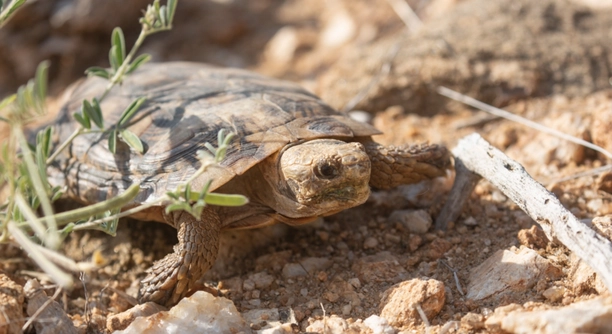
Pancake tortoises are unique reptiles that require specific care to thrive. Recognizing signs of stress in these creatures can help ensure their well-being. Understanding these signs is key to maintaining their happiness and health in captivity.
Stress in pancake tortoises can manifest in behaviors such as hiding, refusal to eat, or lethargy. These signs indicate that the tortoise is experiencing discomfort or anxiety. Addressing the source of stress is crucial for their recovery and well-being.
By knowing the signs and taking preventive actions, you can support your pancake tortoise’s health. Understanding how to reduce their stress will create a more comfortable and stable environment for them.
Common Signs of Stress in Pancake Tortoises
Pancake tortoises may show stress through physical and behavioral changes. They tend to retreat into their shells or hide for extended periods when they feel unsafe or uneasy. A sudden loss of appetite can also signal that something is wrong. Another common sign is lethargy, where the tortoise appears sluggish and avoids moving around. If these behaviors persist, the tortoise is likely under stress, and it’s important to address the issue promptly. Environmental factors, such as temperature fluctuations, incorrect humidity, or changes in habitat, can contribute to these stress responses.
You may also notice your tortoise scratching at the walls of its enclosure or trying to escape. This behavior typically arises from a feeling of confinement or discomfort. When your pancake tortoise is stressed, it may stop its usual activities like basking or exploring.
A sudden change in behavior, such as an increased rate of aggression, can indicate that the tortoise feels threatened. Monitoring these changes and making adjustments can significantly improve its comfort.
How Temperature Affects Stress
Temperature plays a major role in the well-being of pancake tortoises. They rely on stable temperatures to regulate their body functions.
Pancake tortoises are native to warm climates, and they need consistent heat to maintain their energy levels. If the temperature drops too low or fluctuates too much, the tortoise may become stressed. This stress can lead to decreased appetite, slower movement, or even refusal to bask. To avoid this, maintain a steady temperature range in their habitat, ideally between 85 and 90°F during the day. At night, a slight drop to 70°F is acceptable.
If the temperature is not properly regulated, the tortoise may try to hide more often to conserve energy. This behavior is a response to its environment and could lead to further stress. It is essential to provide a warm spot within their enclosure, which allows the tortoise to regulate its body temperature when necessary.
Impact of Poor Diet on Stress
A lack of proper nutrition can increase stress in pancake tortoises. They require a balanced diet rich in fiber, calcium, and other nutrients. Without the right food, they may become weak, lose interest in eating, or exhibit behavioral changes. A poor diet can affect their digestive system, leading to further stress.
If the tortoise is not receiving adequate nutrition, it may stop basking or become more lethargic. Over time, malnutrition can lead to weakened immune systems and more stress. It’s important to provide fresh vegetables, fruits, and other foods that mimic their natural diet. Always ensure that the food is safe and appropriate for their specific needs.
A poor diet can also result in weight loss, which stresses the tortoise’s body. Ensure that you provide a variety of plant-based foods and supplement with calcium to keep them healthy. Proper nutrition supports their immune system and overall well-being, which helps reduce stress levels.
Social Environment and Stress
Pancake tortoises are solitary creatures that prefer to live alone. Introducing other animals into their environment can cause them to feel threatened or stressed. This can lead to behaviors like hiding, aggression, or refusing food. They feel safest when they are not disturbed by other animals or too much human interaction.
Overcrowding in the enclosure can also be a problem. Multiple tortoises in a confined space can lead to territorial disputes. It’s important to provide each tortoise with enough space to feel secure. If you have more than one, ensure each has a separate area within the habitat to retreat to when needed.
The Role of Habitat Cleanliness
A dirty habitat can contribute significantly to stress in pancake tortoises. The buildup of waste, mold, or old food can lead to unpleasant smells and bacteria, which in turn makes the tortoise uncomfortable. Cleanliness is essential for maintaining a stress-free environment.
Regular cleaning of their habitat, including changing substrate and removing waste, is necessary to reduce stress. Ensuring that food and water bowls are fresh and clean also promotes a healthier, more comfortable living space. A clean habitat helps prevent infections, which can lead to further stress and health issues.
The Importance of UVB Lighting
UVB lighting is vital for pancake tortoises as it aids in the synthesis of vitamin D3, which is crucial for calcium absorption. Without proper UVB lighting, tortoises can experience weakened bones, which results in stress and discomfort.
Tortoises that are deprived of UVB light may show signs of lethargy or difficulty moving. It is important to provide a high-quality UVB light source in their enclosure. Ensure that the light is positioned correctly to allow the tortoise to bask and benefit from the UVB rays. Regular replacement of UVB bulbs is essential.
FAQ
How can I tell if my pancake tortoise is stressed?
There are several signs to watch for that indicate stress in pancake tortoises. These include hiding for extended periods, refusal to eat, lethargy, and aggressive behavior. If your tortoise is scratching the walls of its enclosure or attempting to escape, this may also indicate distress. Consistent monitoring of their behavior can help identify any changes that may point to stress.
What are the best ways to reduce stress in pancake tortoises?
To reduce stress in pancake tortoises, maintain a stable environment. Ensure that their habitat has the right temperature, humidity, and UVB lighting. Keep the enclosure clean and provide ample space for them to explore. A balanced diet, as well as minimizing disturbances from other animals or people, is also essential in reducing stress levels. Adjusting their habitat setup and observing their behavior for changes can help address specific sources of stress.
Is it normal for my pancake tortoise to hide all the time?
While pancake tortoises do hide occasionally, excessive hiding is a sign of stress. Tortoises naturally retreat to their shells for protection, but if they remain hidden for long periods, it may indicate they are feeling unsafe or uncomfortable. Check their environment for potential stressors such as temperature fluctuations or poor diet. Ensuring a secure and comfortable habitat should encourage more activity and reduce hiding.
Can I keep more than one pancake tortoise together?
Pancake tortoises are solitary animals and typically do not thrive in groups. Keeping multiple tortoises together in the same enclosure can lead to territorial disputes and increased stress. If you decide to house more than one, ensure there is enough space for each tortoise to have its own area to retreat to. Always monitor for signs of aggression or distress and separate them if necessary.
How important is the temperature for pancake tortoises?
Temperature is critical for pancake tortoises’ well-being. They require a warm environment with a temperature range of 85 to 90°F during the day. Nighttime temperatures should be slightly cooler but not below 70°F. If the temperature fluctuates too much or drops too low, it can cause stress and health issues. Use a thermometer to keep track of the temperature and make adjustments as needed.
What type of diet is best for pancake tortoises?
Pancake tortoises are herbivores and need a diet high in fiber, calcium, and essential nutrients. A variety of fresh vegetables, such as leafy greens, cactus pads, and edible flowers, should be provided regularly. Occasionally, small amounts of fruit can be offered. Avoid feeding them iceberg lettuce, as it has little nutritional value. Additionally, supplementing their diet with calcium and vitamin D3 is important for their bone health.
Can a dirty habitat cause stress for my pancake tortoise?
Yes, a dirty habitat can significantly contribute to stress. A buildup of waste, mold, or old food can create an unpleasant environment and introduce harmful bacteria, leading to health problems and discomfort for the tortoise. Regularly cleaning the enclosure, changing the substrate, and washing food and water bowls will help maintain a clean and healthy living space. This, in turn, reduces the likelihood of stress and health issues.
How much space does a pancake tortoise need?
Pancake tortoises need enough space to move around, explore, and feel secure. A minimum enclosure size of 4 feet by 2 feet is recommended for one adult tortoise. Larger enclosures are always better, as they allow for more natural behaviors and help reduce stress. Make sure there are areas for the tortoise to hide, bask, and roam, which can help create a stress-free environment.
Why is UVB lighting necessary for pancake tortoises?
UVB lighting is essential for pancake tortoises because it helps them synthesize vitamin D3, which is necessary for calcium absorption. Without proper UVB exposure, tortoises may develop metabolic bone disease, which leads to weakened bones and overall stress. Ensure your tortoise has access to UVB lighting for 10 to 12 hours a day, and replace the bulbs regularly as their effectiveness decreases over time.
Can overfeeding lead to stress in pancake tortoises?
Overfeeding can lead to obesity, which can cause physical stress and health issues for pancake tortoises. Offering excessive food, especially high-calcium items, can disrupt their digestion and overall well-being. Stick to a regular feeding schedule and offer appropriate portion sizes based on their size and age. It is important to maintain a balanced diet to prevent any unnecessary health concerns.
How can I create a stress-free habitat for my pancake tortoise?
To create a stress-free habitat, ensure that your pancake tortoise’s environment has the proper temperature, humidity, and lighting. Keep the enclosure clean, provide enough space for exploration, and offer a variety of nutritious food. Minimize disturbances, and avoid overcrowding or housing multiple tortoises together. Regularly observe their behavior and adjust their environment accordingly to promote a calm and secure space.
Final Thoughts
Pancake tortoises are unique creatures that require specific care to thrive. Understanding the signs of stress and knowing how to address them can significantly improve their health and overall well-being. Their needs go beyond just food and water. The environment they live in plays a crucial role in reducing stress and promoting a healthy, happy life. By maintaining proper temperature, lighting, and cleanliness, you can create a habitat where your tortoise feels safe and comfortable.
It is essential to observe your pancake tortoise regularly. Small changes in their behavior can often be early indicators of stress. If you notice excessive hiding, loss of appetite, or lethargy, it’s important to check their living conditions. These behaviors are sometimes linked to environmental factors like temperature, lighting, or cleanliness. Regularly cleaning their habitat and ensuring they have the right kind of light and warmth is key to preventing stress. Providing a balanced diet and offering opportunities for natural behavior, such as climbing and exploring, can also help them feel more at ease.
With the right care and attention, pancake tortoises can live long, healthy lives. Stress is something that can often be avoided by creating an optimal environment for them. Providing a spacious, clean habitat with appropriate lighting and temperature is essential for keeping them stress-free. Regular observation and quick action when stress signs appear will also help. By following these guidelines and remaining attentive to their needs, you’ll be able to offer a better quality of life for your pancake tortoise, ensuring they live a fulfilling and healthy life in captivity.

Hello,
If you enjoy the content that we create, please consider saying a "Thank You!" by leaving a tip.
Every little bit helps us continue crafting quality advice that supports the health, happiness, and well-being of pets around the world, for pets of all shapes, sizes, and species.
We really appreciate the kindness and support that you show us!